A feminist digital civic space to raise awareness on gender and disability concerns for social justice and inclusion of women and girls with disabilities.
🚨 TONIGHT ON THE MENTAL HEALTH SPOT! 🚨
The digital world offers many opportunities, but it also comes with challenges that can significantly affect the mental wellbeing of young people.
Join us for an important conversation on Cyberbullying and Youth Mental Health as we explore the impact of online harassment, its effects on self-esteem and emotional wellbeing, and practical ways to support and protect young people in the digital age.
🎙️ Host: @SandraNakigozi , speakers @IreneWhitn13692
📅 Date: 27th October 2026
⏰ Time: 8:00 PM EAT
📍 X Space: @serenemindcare1
Set a reminder, invite a friend, and join us as we learn together.
#MentalHealthSpot #Cyberbullying
#SereneMinds
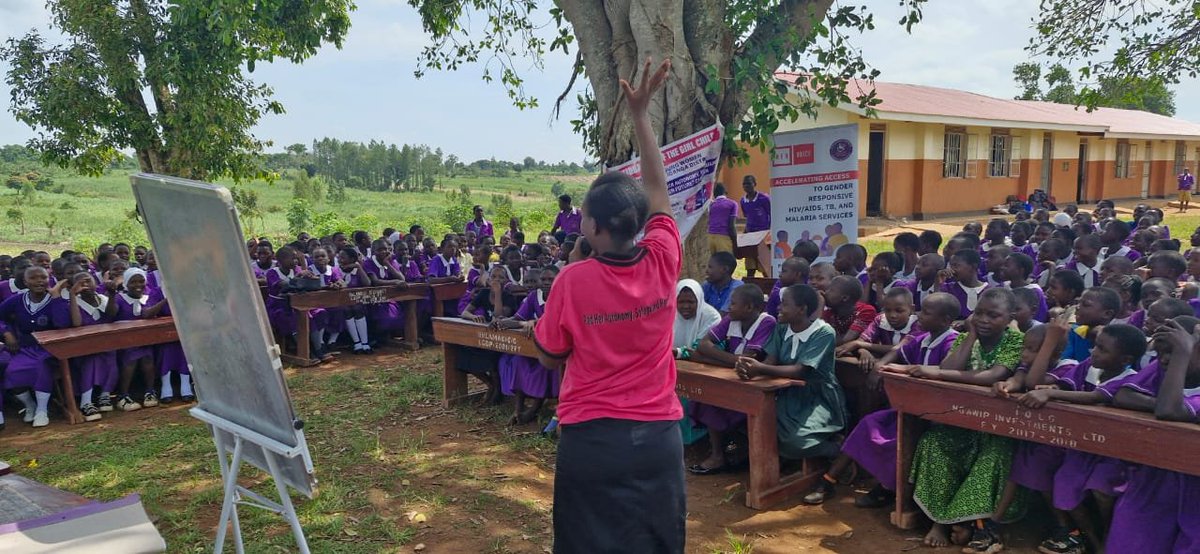
October Called, we answered!!!
The Girls month was well spent.
To celebrate the International Day of the Girl, we visted schools, empwered the girls, and enhanced their stay in schools.
It was a purple day, diginity for a girl child promoted 🥰🥰
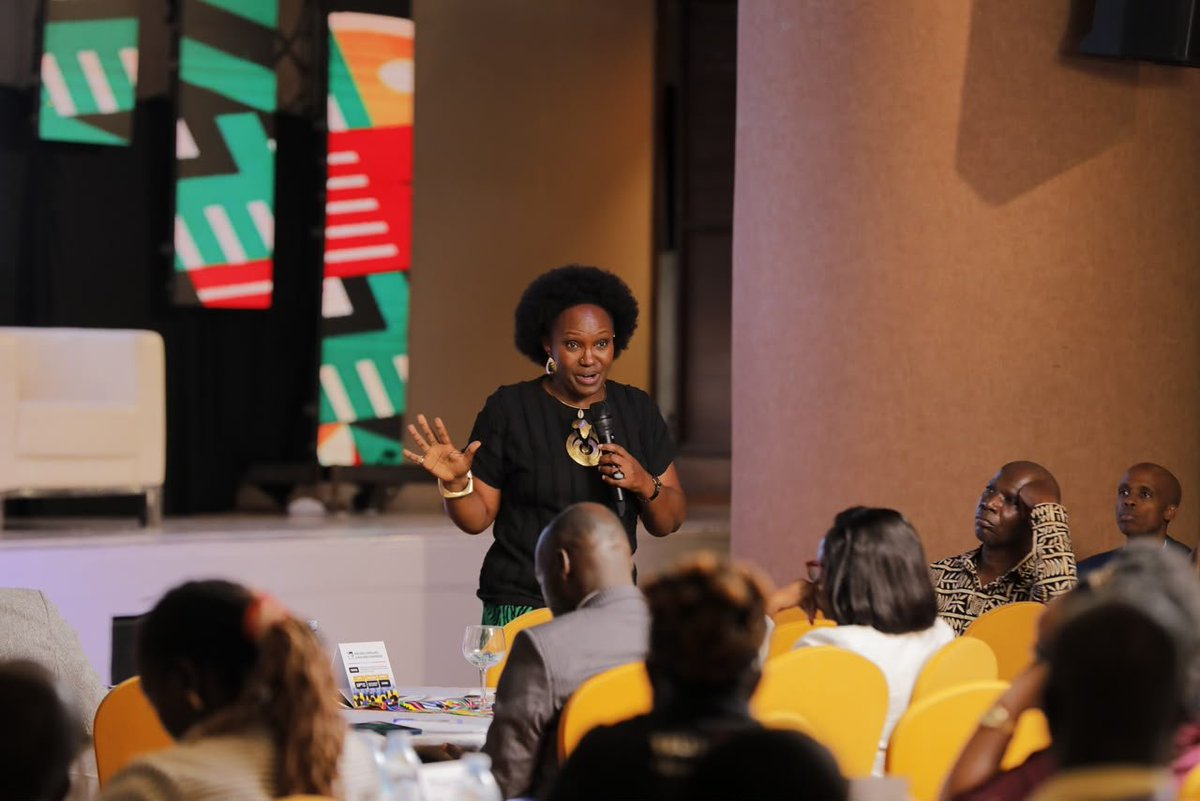
Jacqueline Asiimwe, Founder and CEO of CivSource Africa, challenges NGO leaders to rethink traditional approaches to addressing social challenges, emphasising that we cannot solve problems using the same thinking and approaches that created them.
She calls for a mindset shift towards innovation, financial independence, and sustainability, encouraging NGOs to explore fee-for-service models by charging for the expertise, services, and solutions they are well-positioned to deliver.
Her message is clear: NGOs must embrace new ways of thinking, unlock the value of their expertise, and diversify their revenue streams to strengthen resilience and sustain their impact.
#NGORiskConference2026 #NGOResilience #NilePostNews
Yet progress remains uneven. Headlines still frequently lead with disability—“blind student,” “disabled woman”—before the achievement. Oringa and the hosts attributed this largely to ignorance rather than malice. Journalists and editors often lack disability-specific knowledge. Organizations such as NUDIPU have trained reporters, but those trained are not always the ones assigned to disability stories, and producers and editors—who shape headlines for catchiness—are frequently left out. Continuous, targeted training of the right people within media houses, ideally on a recurring basis, is essential.
https://t.co/s3mCEiUQo9
Every girl deserves education, safety, equal opportunities, and the freedom to shape her future. 💚
Let’s break barriers and empower girls to lead and thrive! ✨
#HumanRights#AYDL
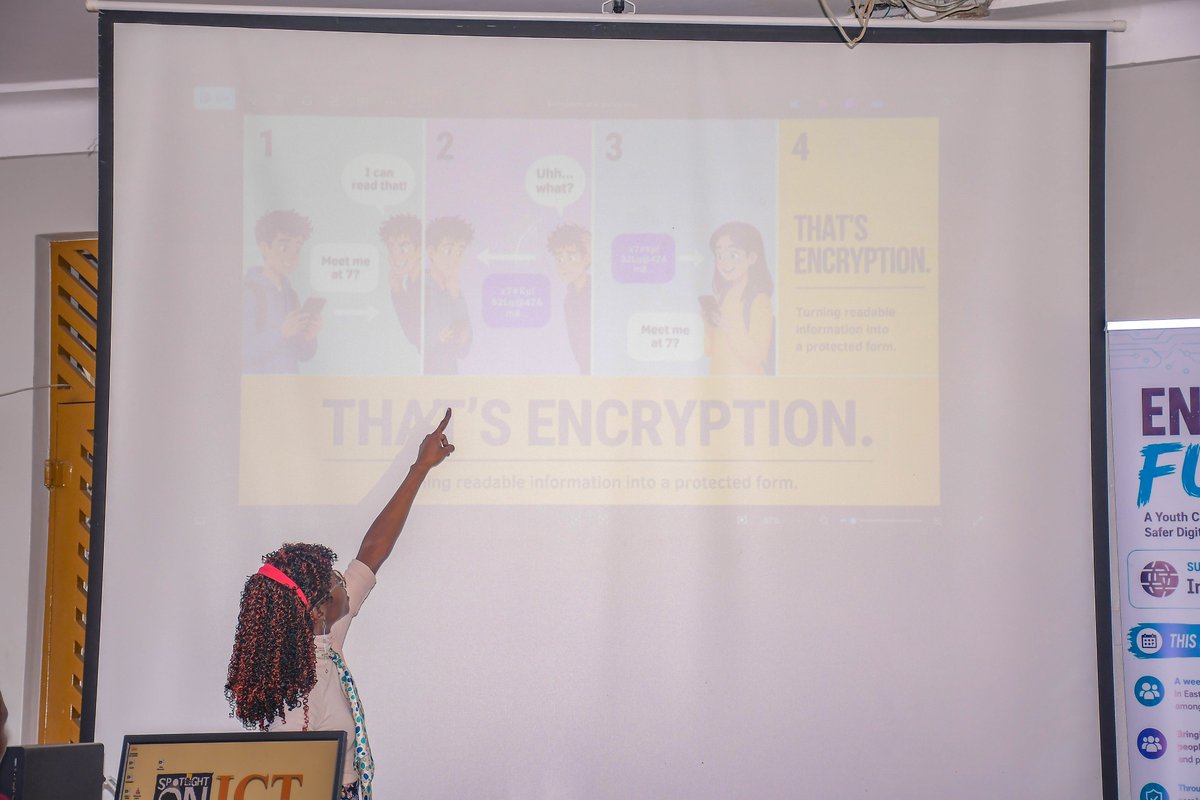
Happy Global Encryption Day!
At Imagined Spaces Initiative (ISI), we believe that a safer digital world begins with empowering the next generation. To celebrate today, we successfully hosted Encrypted Futures: A Youth Civic-Tech Lab for Safer Digital Participation in Busia, Uganda! 🇺🇬
This special Encryption Day Grant Activity brought together brilliant young minds, including:
• Young civic actors
• Community journalists
• Bloggers
• Civil society communicators
Through hands-on encryption awareness, practical digital safety skills, and youth leadership training, we are actively building local capacity for secure online participation.
When young change-makers understand how to protect their data, they can advocate for their communities safely and effectively.
A massive thank you to our incredible partners, the @globalencrypt and the @ISOC_Foundation , for their vital support in making this initiative possible.
Together, we are securing our digital rights and shaping a safer, encrypted future for all!
@48percent_org@UgBritish@UCC_Official@8TechConsults
https://t.co/3YSfAPWLCR.
My story in Butabika Hospital and explaining more about my book 22 years in a mental Asylum (18 years in Butabika and still Beautiful by God's grace).Your pain has your life purpose embedded in it. A "BUTABIKA LABEL" is never the end of the world.
As we step into the week, let’s remember that human rights begin with how we treat one another. Let’s uphold dignity, equality, peace, and justice, and stand against discrimination.
Together, let’s build a world rooted in respect for all. ✊🏽
#HumanRights#AYDL
We happy to join SHAU at the National Youth Disability Summit commemorating World Spina Bifida & Hydrocephalus Day!
@UNADeaf is proud to be part of this important gathering & offer basic training in Ugandan Sign Language to attendees to promote inclusion for all.
#WSBHD26
Sport is one of the powerful tools for #InclusiveSRHR advocacy.
Over the weekend, I was honoured to speak at the Inclusive SRHR through sports amputee tournament finals organized by @GoldenBootsUg where participants accessed HIV testing, cervical/breast cancer screening.
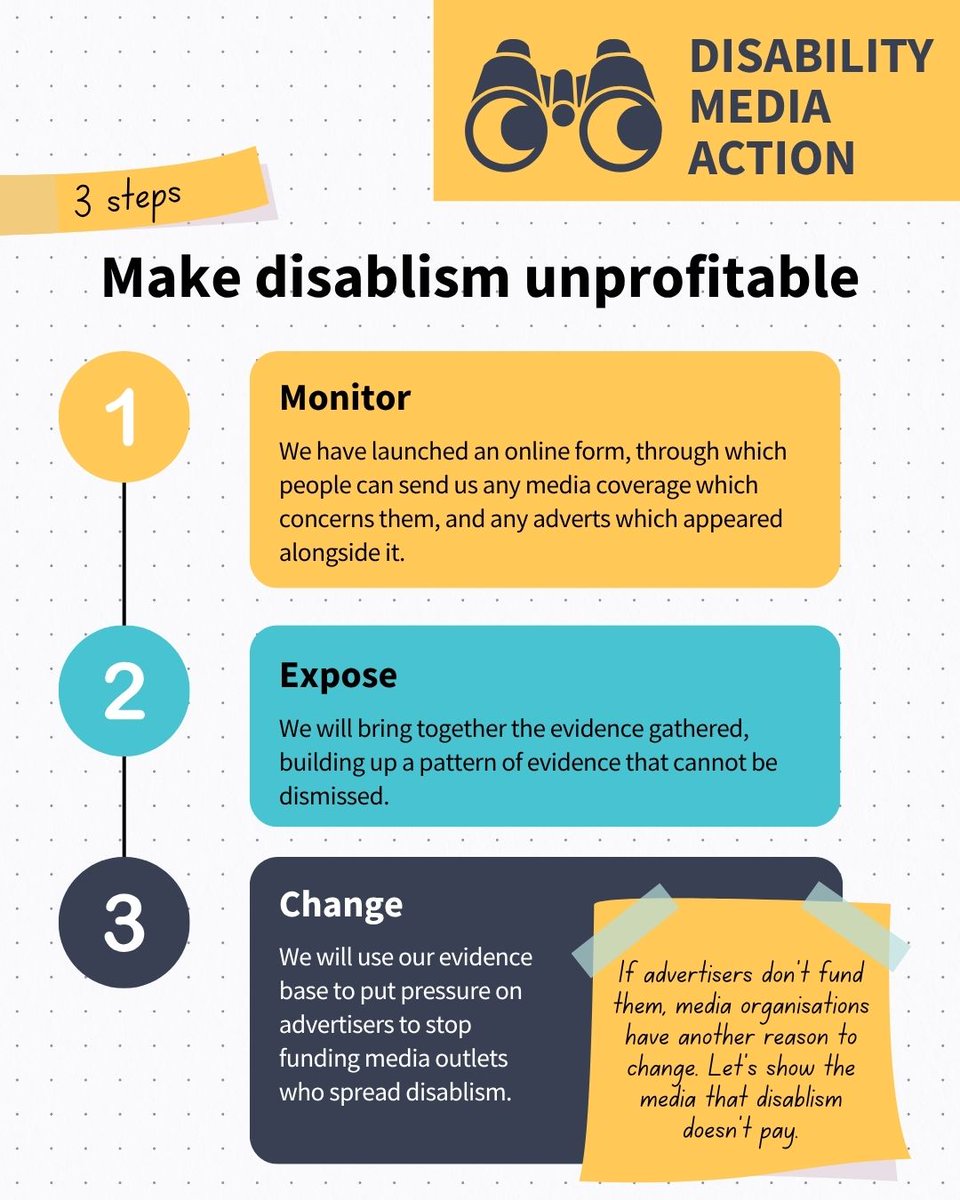
Disablism in the media feeds hostility and hate crime against Disabled people. It's got to stop.
This National Hate Crime Awareness Week, we're launching Disability Media Action. #NationalHCAW
In our latest newsletter, we’re sharing the people, partnerships and milestones that shaped the quarter, from our work with Omuto Foundation and Malaika Reusable Sanitary Pads to conversations on women’s health, our growing community, and what’s next for Yambi.
Just as sport has found ways to include different bodies, dance can be rethought so that movement is not measured against a single physical ideal. https://t.co/nI8FjoMzdI
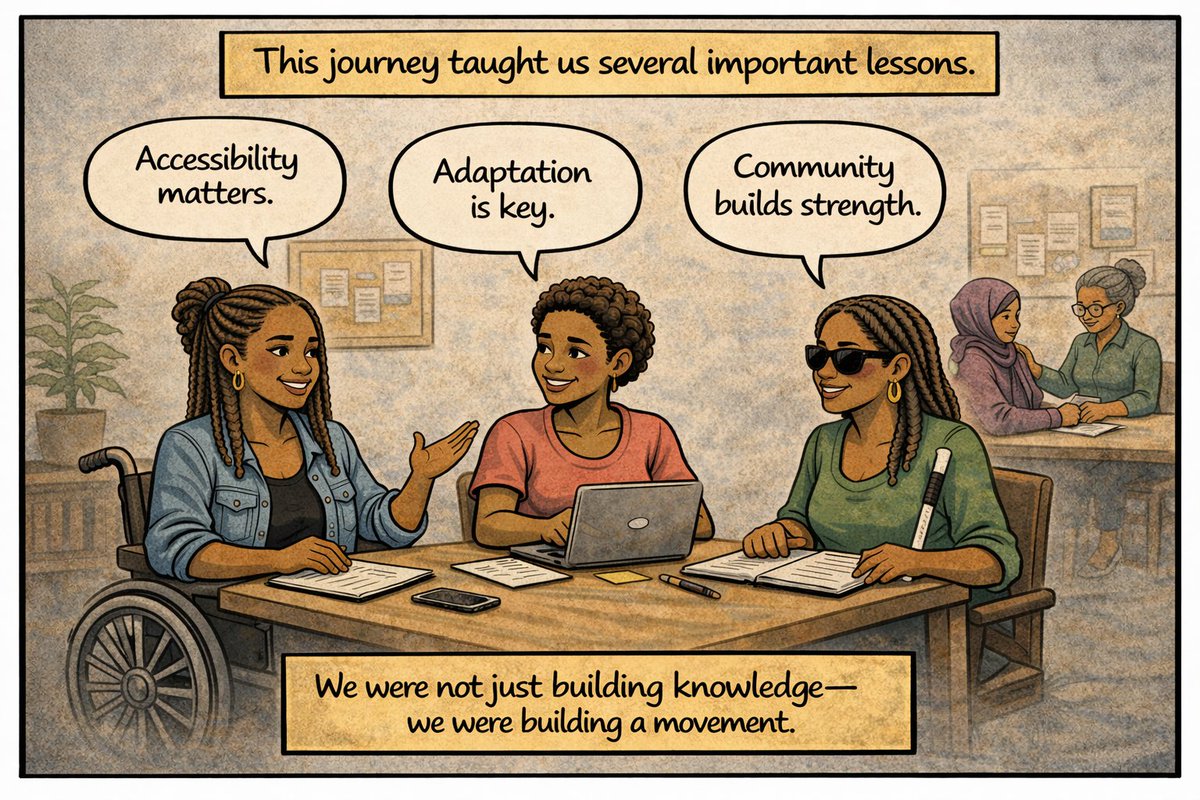
The project “Digital skilling and legal frameworks advocacy for young women with disabilities” was developed in response to limited awareness of disability rights frameworks among persons with disabilities, particularly young women and girls, and the barriers this created to meaningful participation, representation and access to opportunities.
It generated practical insights into what enables meaningful participation in digital advocacy, the barriers that persist, and the approaches needed to sustain inclusive, rights-based engagement.
https://t.co/zQf8O7gdFI #DigitalAdvocacy #PolicyAwareness