going live later
> talking UBT-251
> recent protocol changes
> chems that impressed me + chems that were shit
> QnA + bullshitting
https://t.co/F8wzja6YGw
Disguised Alpha has added PP405 and KY-19382 to its hair-research range.
PP405 targets the mitochondrial pyruvate carrier, aiming to shift follicle stem cells toward lactate production. The mouse research behind this approach found that inhibiting that carrier helped activate dormant follicles.
KY-19382 acts on Wnt/β-catenin signalling, a pathway involved in follicle growth. Its published study found longer human hair follicles in culture and hair regrowth in mice.
Both are now in stock as research products.
Use SCOUT at Disguised Alpha checkout. It’s my affiliate code, so I may earn a commission.
Hot take: @NocturnalNelly is the @MKBHD of the biohacker space.
X: New compound is just announced.
Nelly: “So I’ve been running this for a few weeks now…”
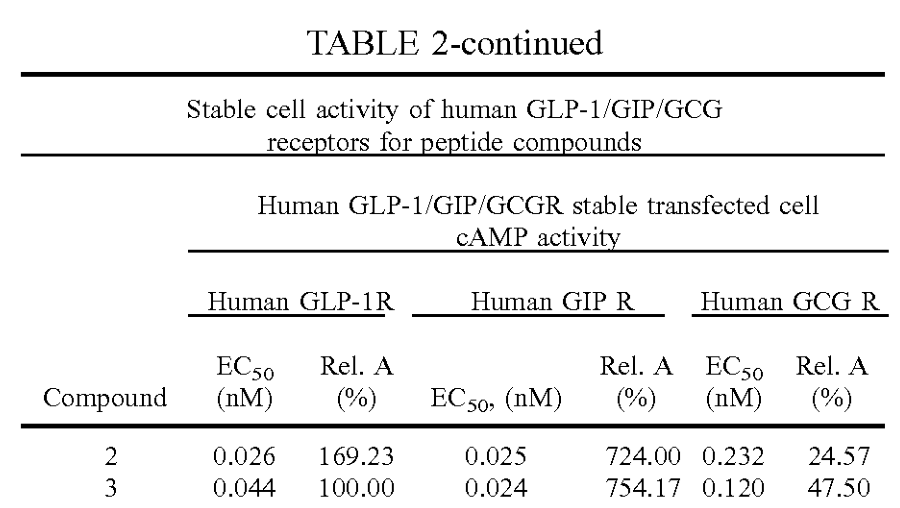
UBT251 Compound 2 vs 3 vs Retatrutide (on paper):
first, EC50 means how much of a compound it takes to get halfway to its maximum effect in that lab test.
lower = less needed, not necessarily a better drug or a higher maximum achievable effect.
1. Retatrutide:
GIP dominant; GLP-1 + glucagon relatively balanced
2. UBT251 Compound 2:
more GLP-1, less glucagon than 3
3. UBT251 Compound 3:
less GLP-1, more glucagon than 2
both appear more GLP-1 / glucagon weighted and slightly less GIP weighted than Reta.
the version i am trialing is UBT251 Compound 2, which is weighted more towards GLP-1
it will be interesting to see how this translates in results and feel.
20% off everything on @DisguisedAlpha with any code (code SCOUT😉)
FYI Disguised Alpha also ships to 3 European countries, France, Germany and UK!!
hopefully they'll expand to more, there's a hole in the European market and US suppliers can profit from
UBT-251 is coming to Disguised Alpha 👀
Another triple receptor agonist is heading to the catalog, and the biology goes beyond appetite.
UBT-251 is a long-acting synthetic peptide that activates GLP-1, GIP and glucagon receptors. Three targets in one molecule, with different contributions:
• GLP-1 helps regulate appetite and stimulates insulin release when glucose is elevated.
• GIP also supports glucose-dependent insulin secretion.
• Glucagon acts on the liver’s handling of fuel, including glucose production.
That last part deserves a closer look. Glucagon can raise blood glucose, so why include it in a molecule being developed for metabolic disease?
Because its biology also involves how the liver uses fuel, with potential effects on energy expenditure. Combining those actions with the incretin effects of GLP-1 and GIP is the rationale behind this three-receptor approach. It gives researchers more than appetite suppression to investigate.
If the lineup sounds familiar, retatrutide, often sold as GLP-3, targets the same three receptors. UBT-251 is a separate molecule. Sharing targets doesn’t make two peptides interchangeable.
There’s human research behind UBT-251, too. United Biotechnology and Novo Nordisk are developing it for metabolic disease, and a published early randomized, placebo-controlled study evaluated safety, tolerability and metabolic effects, including in people with overweight or obesity. That clinical development is separate from the supplier’s upcoming research product.
Disguised Alpha hasn’t given a launch date in this announcement. If you received their email, reply to that original email with “UBT” to hear when it lands.