@Sriparnapathak shows how Chinese influence takes shape in democracies and why projects like the #ChinaIndex are essential for tracking them. From drones to culture, media, and academia, PRC influence continues to expand in scope and sophistication.
https://t.co/RyKMokxXZC
ChatGPT, Gemini, DeepSeek, and Grok are serving users propaganda from Russian-backed media when asked about the invasion of Ukraine, new research finds. https://t.co/4vvQVLddXU
“Counter-speakers have suggested that it could be beneficial to use AI for counter-speech campaigns to protect their personal well-being.” Read the full #CSR21 article by Ellie Rogers https://t.co/sNz9IYpmKV
A new study shows that feeding large language models low-quality, high-engagement content from social media lowers their cognitive abilities. https://t.co/19Xe5nNcZ3
🚨 NEW from IST: The CVE Program is at a crossroads. Recent funding issues have exposed key challenges, and without action, the vulnerability identification landscape will fragment. Today’s report provides recs for global policymakers to reimagine the CVE Program for the next 25 years.
🛡️ Learn more: https://t.co/eL7m2Jk84s
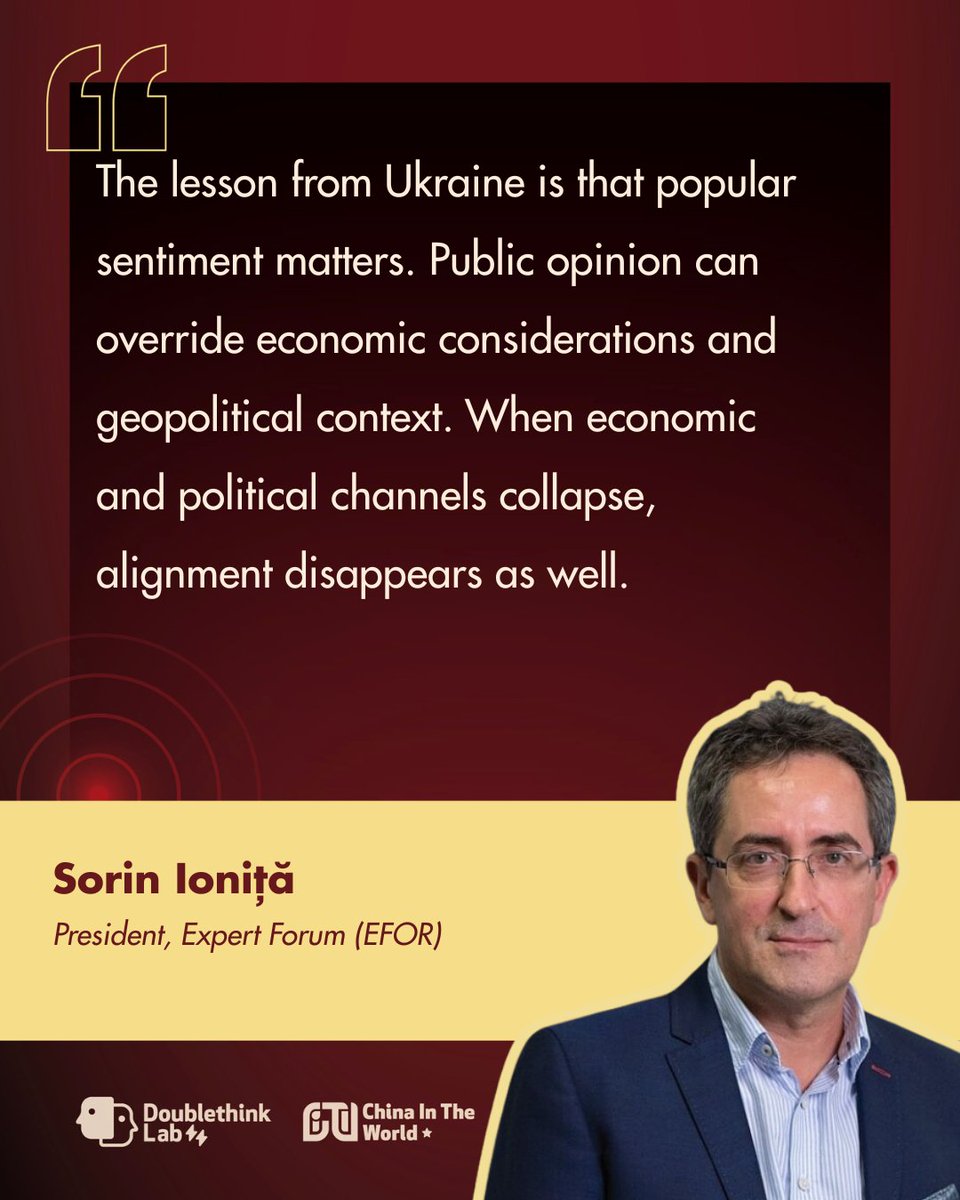
Ukraine saw the steepest decline in PRC influence in the latest #ChinaIndex. Our partner Sorin Ioniță (@ExpertForum_RO) shares what others can learn from Ukraine’s experience.
👉 Watch the full discussion https://t.co/1cDdsjyf94
Teens love to build video games, and doing so can teach them critical computer science and cybersecurity skills. Check out a new video by teen developers from @hackclub https://t.co/QYVJxS0lQf
“I’m the only door between the Iranians and our water system.”
Powerful reporting by @NPR@JennaMC_Laugh on how @DefConFranklin and volunteer Tim Pappa are helping water operators defend against foreign cyber threats. #CyberCivilDefense#Take9
https://t.co/R6hpt6aZTU
ODNI eliminates CTIIC! Another mile marker in the gradual process of cyber threat issues becoming more and more subsumed into the larger politicization of influence/info threat issues.
🇨🇳 Ambassador Xiao Qian in @australian today: distorting the status of Taiwan in post-war peace treaties & trying to wedge the 🇦🇺-🇯🇵 strategic partnership ⤵️
https://t.co/RLcjqVvMFt
For a restorative dose of history, please see my @ASPI_org analysis ⤵️
https://t.co/pZzhisfX61
1/ How do autocrats stay in power? By rewriting history. From Russia to China to North Korea, leaders manipulate the past to to crush dissent and secure power, turning patriotism into a powerful tool for control. https://t.co/wiVyVERdvv
After several months offline, the China Dissent Monitor (CDM)—our initiative to track dissent in the country—has been restored with the help of private donors.
But the future of CDM as a public resource hinges on continued financial support.
Read more
https://t.co/qtr0Xr8Iz6
🚨 COMING SOON 🚨
In September, ASPI will launch a major expansion of the China Defence Universities Tracker — the go-to global tool for understanding the military, security and technology risks linked to Chinese universities and research bodies.
Here’s what’s new 👇 🧵 1/5
“In a world where scams are becoming harder to identify, it’s valuable to know how to quickly respond to a potential fraud,” says @AspenPolicyAcad director @BetsOnTech in an AI Journal op-ed. Read here for tips on navigating cyber risks👇: https://t.co/PDzPuCtJ5d
🇸🇳 Senegal’s power shift sparks a digital propaganda war.
Pro-Russia and anti-French networks flood X with AI videos and scripted posts.
📖 Read full report: https://t.co/nsSR9RtduT
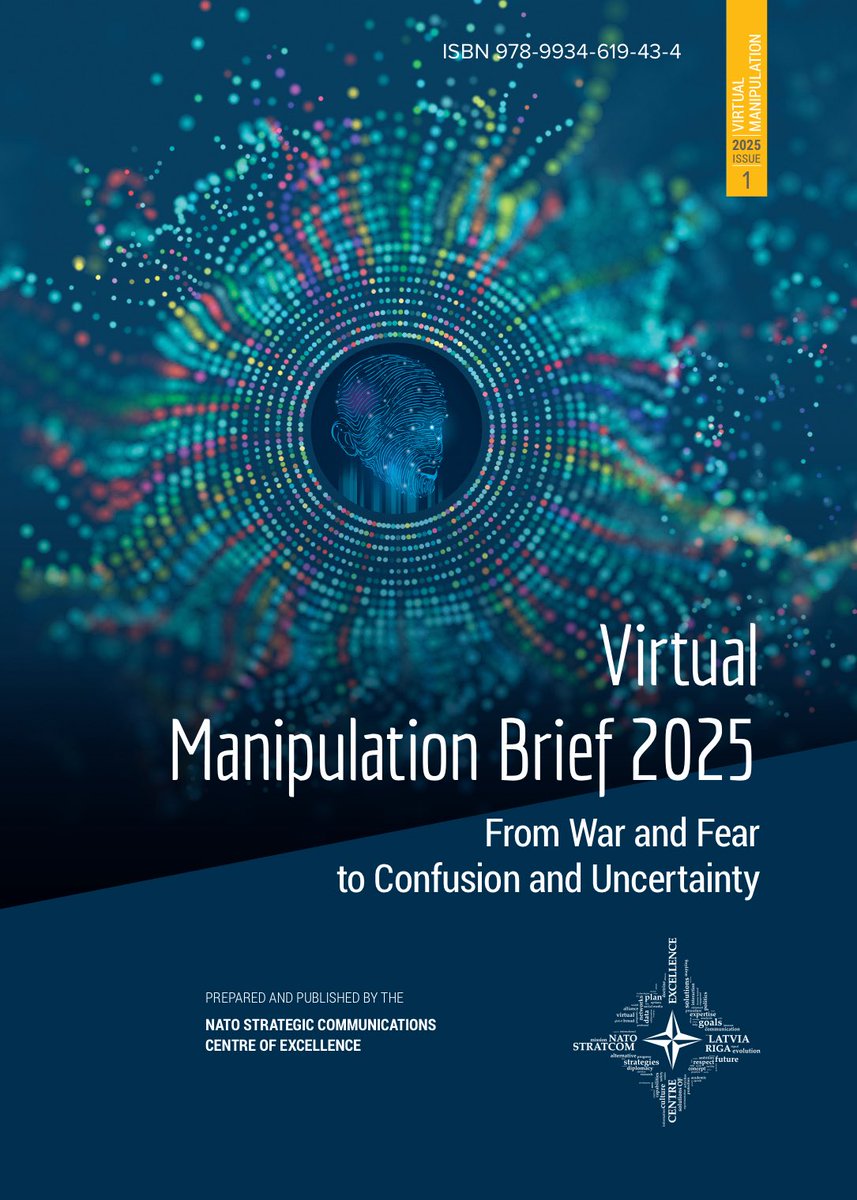
We analysed 11M posts on hostile narratives about NATO, UA, EU & US: AI drives faster, cheaper manipulation—mass text, deepfakes, cross-platform bursts. Kremlin-led campaigns used these tools to intensify Baltic targeting; US elections spiked traffic ×39. https://t.co/lTYyGavvWy
New in TiCS w @DG_Rand@GordPennycook!
It’s been ~10yrs since misinfo research exploded, but our paradigms are stuck in the post-2016 “fake news” model
Time for new approaches:
o True/False → Content that misleads
o Belief → Behavior
o Eval interventions in ambiguous settings
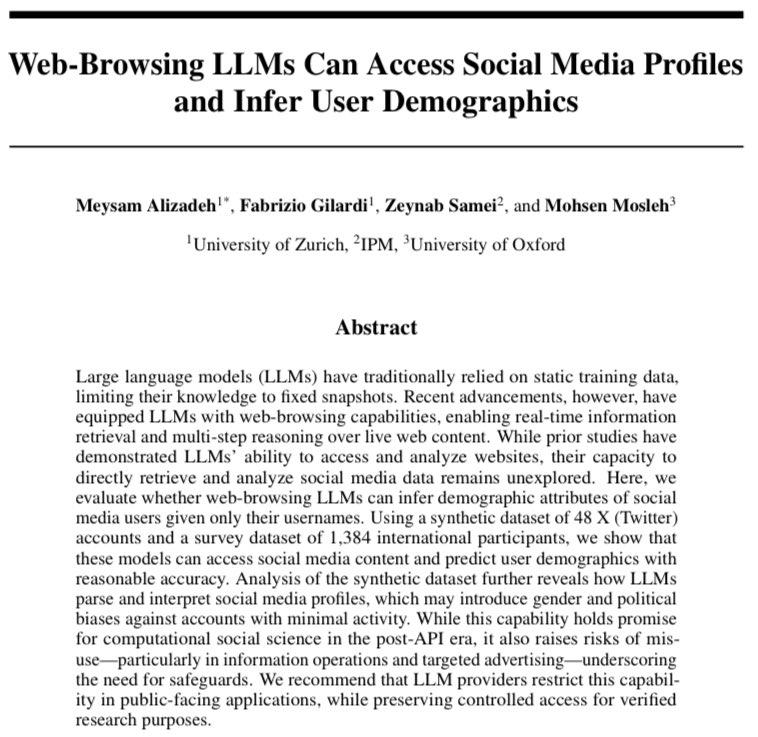
🚨 New preprint alert:
We show that web-browsing GPT and LLaMA models can infer social media user demographics with reasonable accuracy—using only usernames.
This opens new possibilities for social media research in the post-API era but raises important privacy concerns.