When all you see is bad news, where can you find the good? Helene Hofer shares how social media can amplify the negative while millions of everyday acts of kindness and courage go unnoticed. Hear more of Helene’s story on the Dispatches from the Divide podcast, available now.
When a public decision turned longtime friends, church members, and fellow parents against Julie Spilsbury, she asked them to come talk to her. She didn’t expect a conversation face to face with the person who started it all. Episode 3 of Dispatches from the Divide out now.
When Dave Butler heard of the tragedy at a Latter-day Saint church in Grand Blanc, Michigan, he felt compelled to act. Hear Dave’s full story on Dispatches from the Divide, wherever you get your podcasts.
Family doctor Mara Gordon works in a low-income community, where she hears lots of different perspectives on family planning. Here’s how her patients shaped the way she thinks about reproductive choices.
Learn more with this week's episode of Top of Mind.
The U.S. fertility rate has dropped to 1.6 births per woman — the lowest ever recorded.
Replacement rate is 2.1.
What does this mean for families, the economy, and the future? Join us in our discussion this week on Top of Mind. Listen anywhere you get podcasts.
Demographer Lyman Stone says one big reason Americans are having fewer kids isn’t culture or values — it’s housing.
If families can’t find a place to grow, how much does that shape America’s future?
Join the discussion this week on Top of Mind.
Karen Benjamin Guzzo asks: why should women’s reproductive labor be the solution to global crises like aging populations?
Maybe the real question isn’t how many kids people have, but whether families get the support they need to make their own choices.
We pay millions of Americans to stay home and care for aging parents. But raising kids? That work often goes unpaid and undervalued.
Should parenting be recognized — and compensated — as real work? Let us know your thoughts in the comments, and learn more with Top of Mind.
The U.S. fertility rate has fallen to 1.6 births per woman, the lowest ever recorded. Leaders are debating baby bonuses, childcare credits, and other policies to raise birth rates. What role, if any, should society play in family size?
Michelle Litwin, the city’s Heat Response Program Manager, says it’s not mission accomplished — but innovative ideas like cooling centers and community outreach are starting to save lives.
The fight against extreme heat isn’t over, but this shows progress is possible.
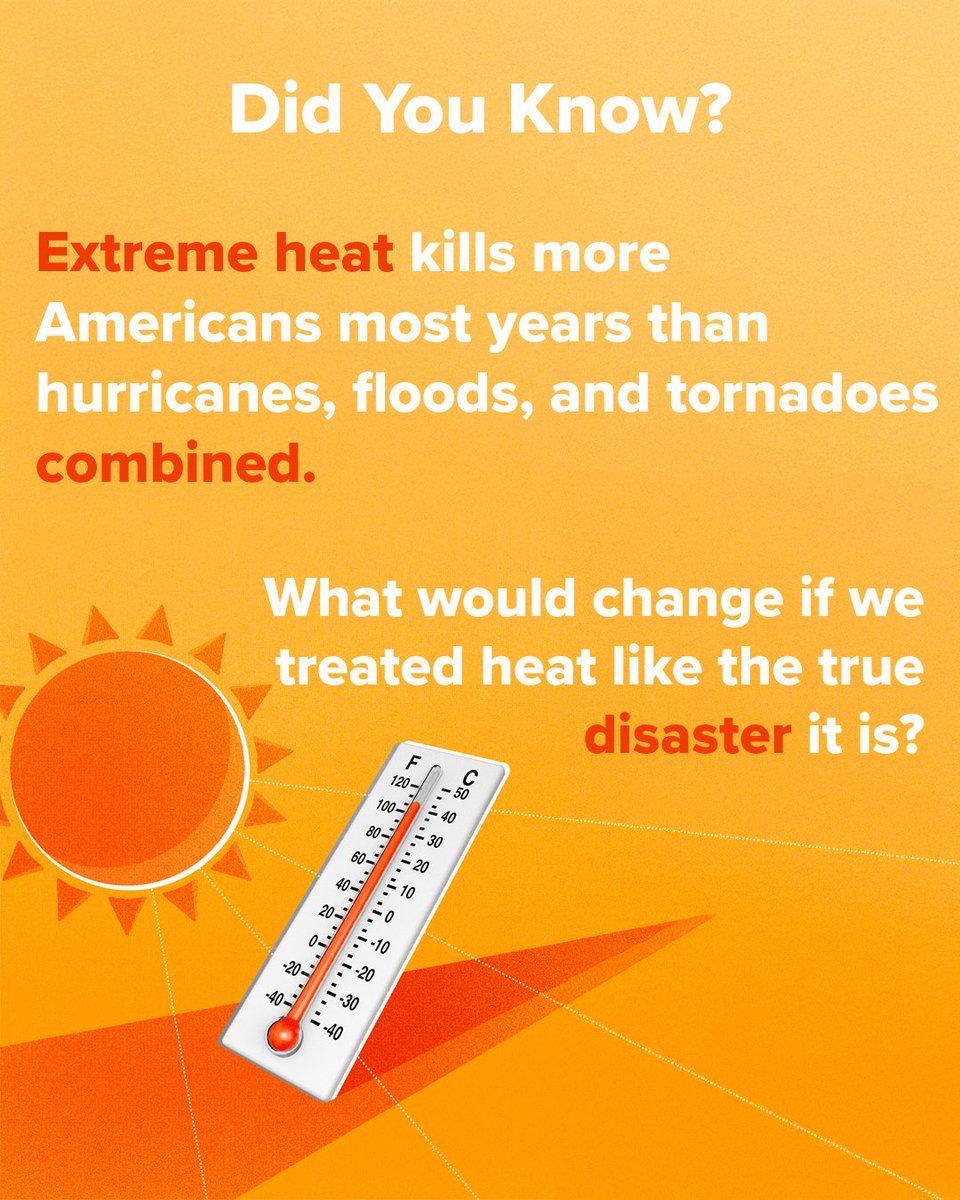
🌡️ Extreme heat quietly claims more lives each year than hurricanes, floods, and tornadoes combined. Yet it still isn’t treated like a disaster.
What would change if we treated heat like the true disaster it is?
Every summer is hotter than the last. The real question isn’t if the heat will come — it’s whether we’re ready for it. Discover solutions with Top of Mind, anywhere you get podcasts.
When presidents expand power, the next president inherits it.
Is that the balance of power the Founders intended — or a dangerous cycle? Let us know your thoughts in the comments and join the discussion this week on Top of Mind.
The Founders expected constant struggle between levels of government. That struggle landed in the Supreme Court when one sheriff challenged Washington — and won. Does that prove the system is working as designed, or show that our balance of power is out of sync?
Former Arizona sheriff Richard Mack became nationally known in the 1990s when he challenged the federal government in a case that went all the way to the Supreme Court — and won. He explains why he believes sheriffs answer directly to their communities, not Washington.
This week on Top of Mind, we explore how checks and balances were designed to work, and what it means for our federal and local governments. Do checks and balances still work the way the founders intended? Join the conversation this week on Top of Mind.