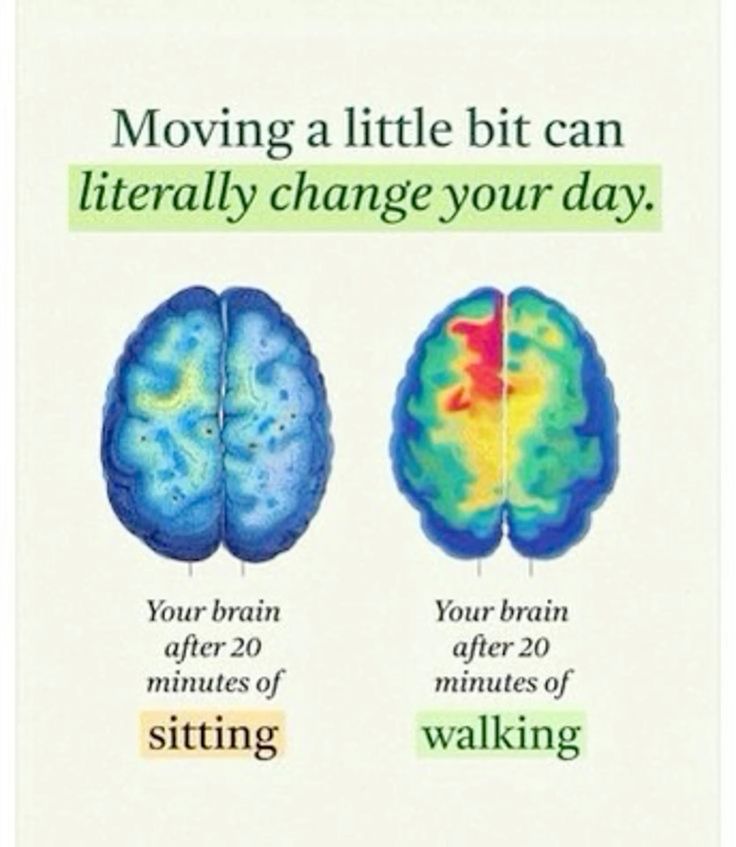
Muscle is your long-term health insurance—and losing it isn’t just aging, it’s inaction. Strength protects your heart, bones, and independence, and it’s never too late to build it back. Staying strong isn’t extreme—it’s essential.
Action plan:
Strength train 2–3 times/week (bodyweight counts!).
Walk daily—add hills or stairs for extra impact.
Prioritize protein and whole, nutrient-dense foods.
#HealthyAging
#MuscleStrength
Brain Criticality May Hold Key to Learning, Memory, and Alzheimer’s
The brain may rely on a delicate balance known as criticality—a near-chaotic state that allows for optimal processing, learning, and memory.
New research suggests that when this balance is lost, as in Alzheimer's disease, cognitive decline follows.
Scientists found that criticality is disrupted by tau accumulation and can be restored, in part, through sleep.
This concept offers a unifying theory of brain function and disease, connecting everything from creativity to neurodegeneration.
The ability to measure criticality via fMRI opens the door to earlier diagnoses and targeted interventions.
It may also help explain why some people are better learners or more resilient to brain disorders.
Childhood Trauma Rewires the Brain Through Inflammation
New findings reveal that trauma experienced in childhood doesn’t just affect mental well-being; it reshapes the body’s immune system and brain architecture.
This biological embedding can create a lifelong sensitivity to stress and increased risk for psychiatric conditions.
The immune system plays a central role, with inflammation acting as a mediator between adverse experiences and brain dysfunction.
Researchers are exploring how inflammatory markers can serve as early warnings for mental illness.
Understanding why some people develop disorders while others remain resilient is key to developing personalized prevention strategies.
The work opens doors to treating root biological causes, not just managing symptoms.
Porter, the world’s first driving dog learned how to drive in just 47 days.
He was trained by a driving school in New Zealand that specializes in teaching dogs to drive.
Brain Neurons Act Like Traffic Lights to Control Every Move
Researchers have discovered that neurons in the basal ganglia, specifically in the Substantia Nigra pars reticulata (SNr), do more than just suppress unwanted movements—they precisely control when to start and stop specific actions.
By recording brain activity in mice during goal-directed behaviors, scientists found that different SNr neurons activate or pause at distinct phases of movement, such as reaching or grasping.
This pattern suggests that the basal ganglia operate not as a simple brake, but as a finely tuned timing mechanism, like traffic lights at a busy intersection.
Each neuron sends dynamic “go” or “stop” signals that allow complex behaviors to unfold smoothly.
When researchers artificially activated these neurons using optogenetics, they were able to block movements entirely, confirming their regulatory role.
These insights reshape our understanding of motor control and offer new potential for treating movement disorders like Parkinson’s, where this precision signaling breaks down.
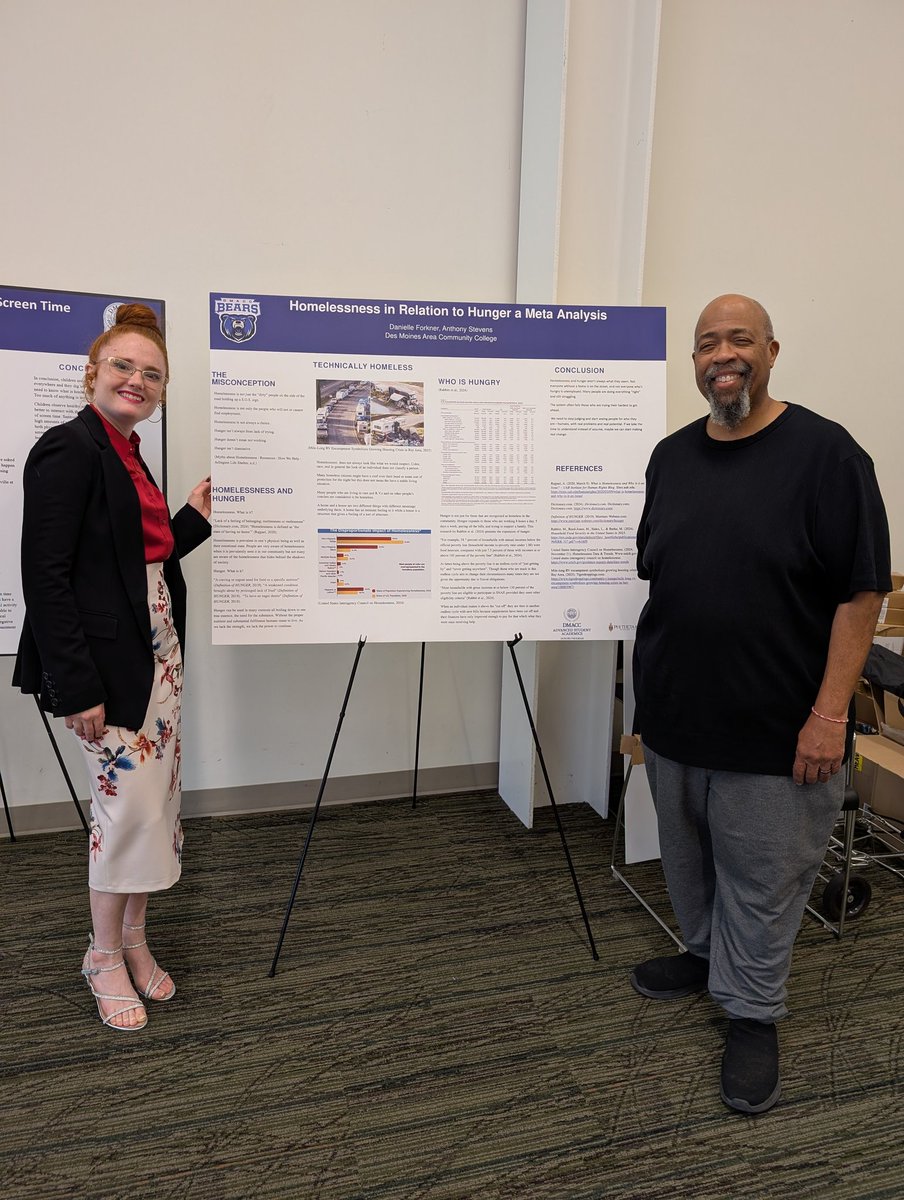
Kudos to PTK Beta Delta Psi President & Honors student soon to be DMACC grad Danielle Forkner on her research poster presentation regarding homelessness! #DMACCUrban#PTK