Congrats to Drew Dattilo, the 2024 recipient of the Nic Corradini Scholarship. Great young man with a bright future and an outstanding example of what this award represents. @shsdattilo @AvesAthletics
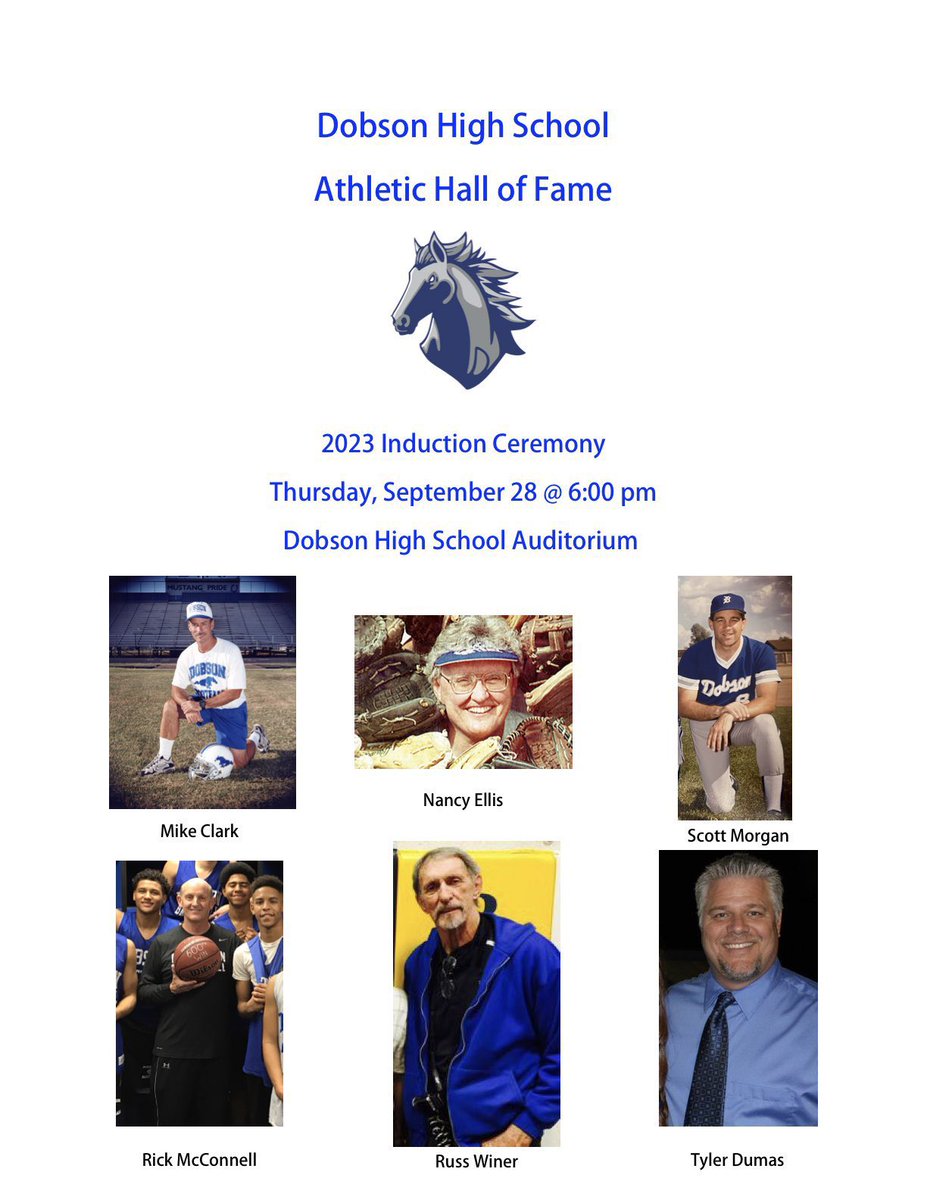
It's Faculty & Friends Friday! Meet Professor Jorge Pierce. He enjoys discussing with students about how psychology can relate to their everyday lives. He also teaches at Dobson High School and says it's great to see former students in his classes. https://t.co/JcWkwqVDiM.
We are pleased to announce the launch of the Mesa College Promise, providing eligible residents with the opportunity to benefit from two years of fully funded tuition and fees at MCC. The application deadline is July 15 https://t.co/9ShQOm27Cz. @cityofmesa #MesaCollegePromise
E+R=O case study from Saban:
• Prioritize the main Outcome (to win).
• See Events as they are, not as you think they should be (Spread, RPO, Fast Tempo, Evolving Rules).
• Adjust your Response to achieve the main Outcome given the reality of Events.
This is so good and needs to be heard by so many people
“We are trying to skip the step of adversity, you can never skip that in life.”
Those that didn’t have to grind to reach success have a tough time dealing w/ hardship
(Via @MichaelWBratton 🎥)
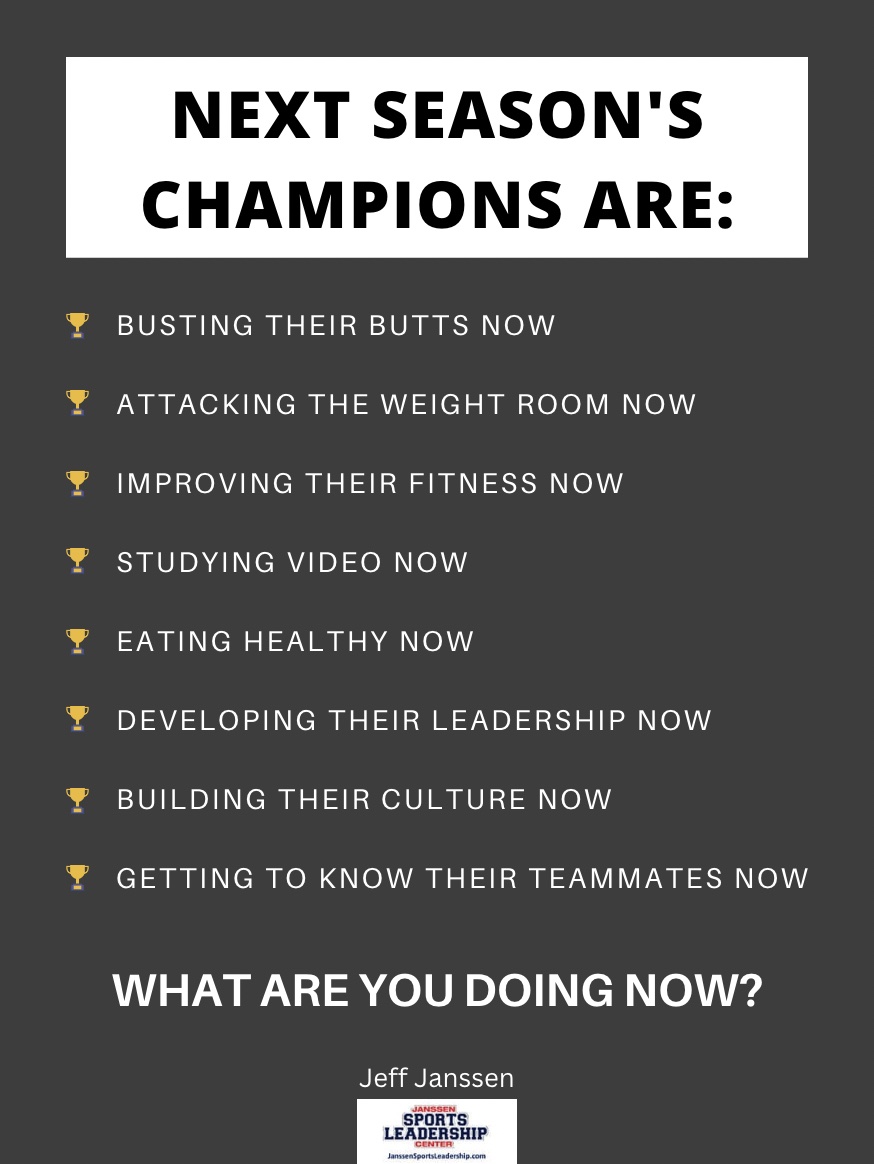
I honestly believe +/- 75% of people on most teams only have surface level interest in becoming a champion. They like the idea of the celebration, but hate the reality of the requirements. It takes mental skill and emotional strength to work like a champ before you’re a champ.
5 E+R=O Lessons for Teenagers:
You are a son, daughter, parent, grandparent, aunt, or uncle. You are a coach or teacher. And if you're none of those things, you know people who are.
This is for you.
E+R=O was one of the great gifts my dad gave me as a teenager.
Because he introduced it to me early, my life lens changed, my learning curve accelerated, and my skill development exploded.
Not instantly or magically, but massively and meaningfully.
In that spirit, here are 5 E+R=O lessons for teenagers:
1. The quality of your responses, not the quality of your events, determines the quality of your life.
Good events don't give you a good life. Bad events don't give you a bad life. How you respond to anything determines the quality of your life.
2. You will engage in disciplined responses that won't accomplish what you want. You will engage in undisciplined responses that will achieve what you want.
These exceptions will occasionally happen. Don't let them distract you or plant seeds of doubt that discipline doesn't work or that you can get away with undisciplined responses. Everyone who falls too far into this pattern fails. Everyone.
3. Your responses create events for other people.
Pay attention to what events you create for others through your attitude, action, and words. Do your best to create events that help people, even when that means challenging going them.
4. Everything meaningful to your life will require courage.
Courage is a muscle. You don't have the option to eliminate fear or escape feelings of doubt. You have the chance now to strengthen the courage in your response. When you face events that scare you or doubt your ability to earn an outcome, you'll need your courage to be stronger than your fear and doubt.
5. People will tell you what you want to hear and sometimes lie or withhold things from you, but E+R=O will always tell you the truth.
No matter what. It will explain why you succeed, why you fail, or why you have yet to reach that point. When you want clarity and understanding about why things are happening the way they are, E+R=O will reliably give you caring and unfiltered honesty.
All you have to do is use it.
"If you just want to be average then you do average work.
If you want to be a little bit above average, you do a little more work.
If you want A’s in basketball,you have to do stuff other people aren’t willing to do."
Everybody wants it.
Not everybody is willing to work for it.
If education is really “all about the kids” then why do we:
*limit physical activity, play time, the arts, socialization
*focus on standardized tests as success
* give students little voice/input into learning
* focuses on their weaknesses not strengths
BAD Players: don’t take much seriously.
AVERAGE Players: take games seriously.
GOOD Players: take games & practices seriously.
GREAT players: take academics, nutrition, film, warm ups, individual work, weight room, practice, and games seriously.
~ via @TheCoachLJ
What would happen if we went back to DEVELOPING KIDS for the adult life they'll someday need to live?
(and before you judge me, just hear me out)
What if rather than lowering expectations when they experience stress and struggle
We instead allowed kids to experience stress and struggle
And we used those experiences to teach, train, and mentor them on the value of stress and struggle to learn and grow?
What would happen if we went back to doing that?
What if rather than eliminating friction and removing heavy obstacles
We instead taught kids how to work through friction and strengthened them to carry the heavy load a purposeful life demands?
I'm open to hear all sides, opinions, and experiences on this . . .
Why is it so common to make everything easier for kids, knowing they'll someday need to become functional adults in a world that will never match those conditions?
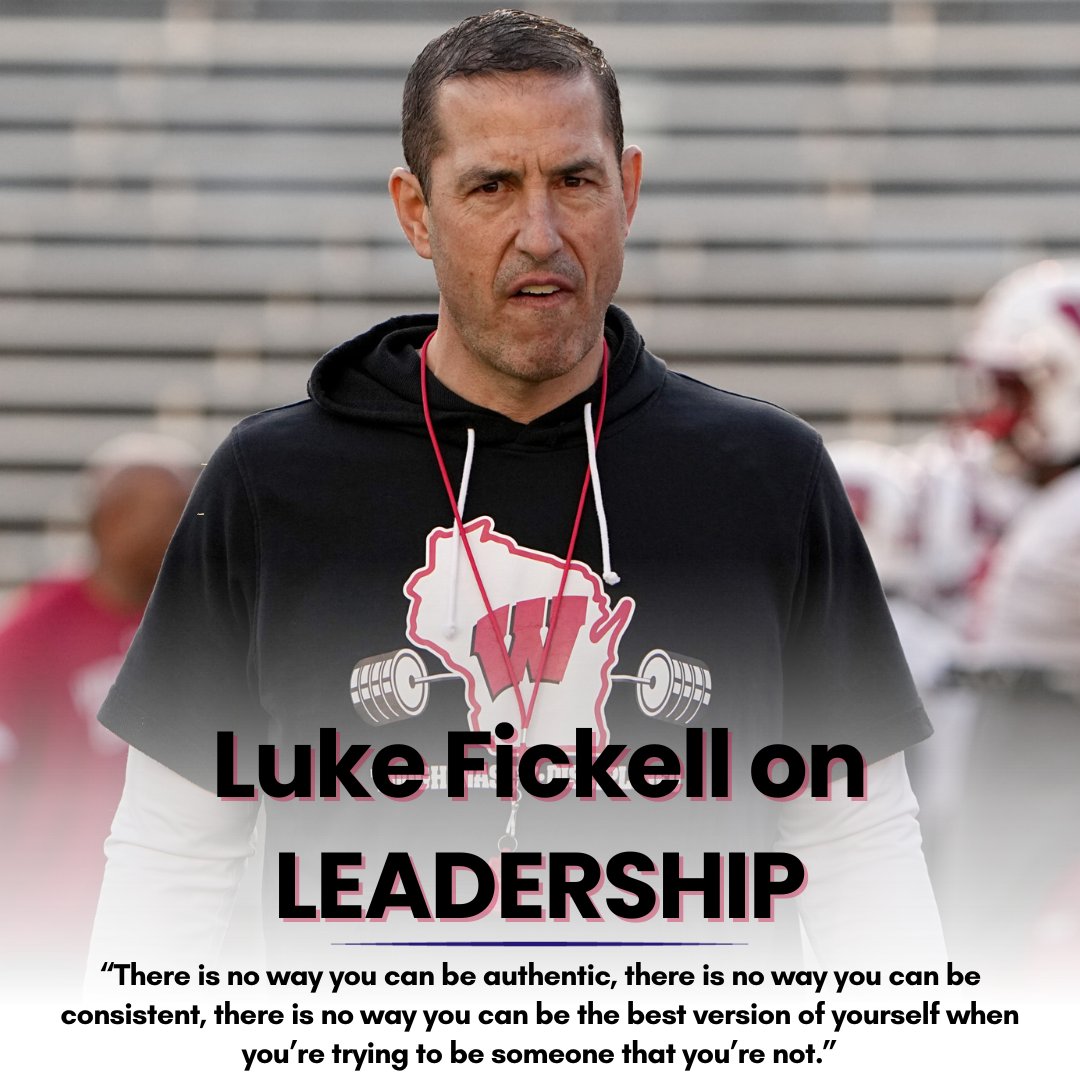
In 2011, Luke Fickell took over as the interim head coach for Ohio State after Jim Tressel resigned.
It was his first head coaching job.
He wasn’t ready and he didn’t know who he was as a leader.
Luke said he learned so much from that year, but he said the biggest mistake that he made was that he tried to be someone that he was not.
He said, “I literally made a decision that I needed to be as much like Coach Tressel as I could possibly be.”
He thought the team needed someone like Jim because that is who they had before.
He called it his biggest mistake because he found out that you can't lead when you aren't being authentic.
He said, "There is no way you can be authentic, there is no way you can be consistent, there is no way you can be the best version of yourself when you’re trying to be someone that you’re not."
He called it the greatest lesson that he learned in leadership. It was one of many that he learned that year.
Ohio State went on to a 6-7 record that year and Urban Meyer took over as the head coach in 2012. Luke Fickell stayed on as Defensive Coordinator and learned so much from that experience.
5 years later, Luke Fickell became the head coach at the University of Cincinnati and turned the program around.
Takeaway 1: Authenticity and Leadership
People don't buy what you say, they buy who you are. People know immediately when you aren't being your authentic self because you lack confidence, passion, and the ability to connect.
You have to do it your way with your personality and style, you can't fake it.
Takeaway 2: Learn From Your Mistakes
Growth is never a straight line. Despite the challenging start in his coaching career, Fickell went on to gain valuable experience and learn from his mistakes.
When you recognize and learn from your errors then growth becomes inevitable. Fickell always talks about how that year was a great learning experience and it helped him build the success that he has had over his career.
- - -
Follow @coachajkings for more content like this!
@RachelBaribeau The students in my class each year can tell you who Todd Beamer is! I show a video ESPN did a year later about Todd and the other three that helped take down Flight 93. Thank you for sharing this.