@PatWolf Alternative to traditional health insurance that uses a membership-based crowdfunding model to help people pay for medical expenses, negotiates lower cash-pay prices, and eliminates the traditional insurance middlemen.
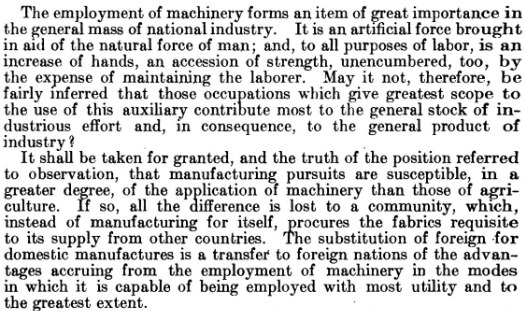
World models are making autonomous factories possible. Abundant energy is making them economical.
It’s time to build the future of pharmaceutical manufacturing in the U.S.
Joe Lonsdale, co-founder of Palantir, on why breakthroughs in robotics are making reshoring economic again:
"There are a lot of things that are now worth building in America that were not possible to build in America before because it just wasn't economic.
So there's, for example, manufacturing cheap drugs. That's something that, thanks to robots having hands, they can now do accurately.
You can do all the economic activity around building the buildings and building the supply chains and the shipping and everything, and building them here.
And there's hundreds of things like this that it now makes sense to bring back to the U.S.
Assuming we don't screw up the politics, the boom you're gonna see in these coming years is massive."
@JTLonsdale@glennbeck
“Only those are fit to live who do not fear to die; and none are fit to die who have shrunk from the joy of life and the duty of life.” ~ TR (from his island in DC)
Clinical AI shouldn’t be held to a standard of perfection that human healthcare has never achieved.
Better care. Faster access. Lower costs.
Unleash clinical AI.
CMS just released a new roadmap for clinical AI! It's great to see an administration that is more excited about the potential good for patients and programs than the risks of harm.
There are a few details within that suggest aspects of future regulation (working in conjunction with FDA and with states) as well as suggestion of what services will be reimbursed by new models (beyond ACCESS / chronic disease).
More to come, for now check out the PDF here:
https://t.co/1AdC3uDJ10
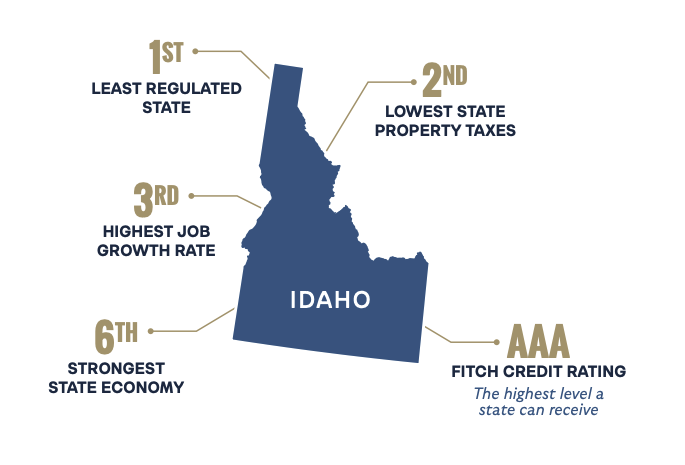
Idaho became the least regulated state in America. The payoff: 3rd highest job growth, 2nd lowest property taxes, 6th strongest economy.
Deregulation works. More states should follow.
→ Start every regulation at zero.
→ Make every rule justify its existence.
→ Repeal outdated rulemaking delegations.
Zero-based regulation. This is the way.
In the six months following the U.S. Supreme Court’s Loper ruling, which decisively overturned the longstanding Chevron doctrine, federal courts invalidated nearly 84 PERCENT of new rules under review.
Agencies can no longer rely on expansive statutory interpretations to justify ambitious regulatory agendas.
Our @DocTFrost shows state agencies how to respond: repeal obsolete statutes, review every rule from zero, and move durable policy into statute.
https://t.co/HgniJJRwCB
Great read on the overly-efficient generic drug marketplace in the U.S. and our over-reliance on international sourcing.
Thanks to @washingtonpost for leaning on our data to show pharmacy acquisition cost erosion over time.
https://t.co/RvR3dBDL9b
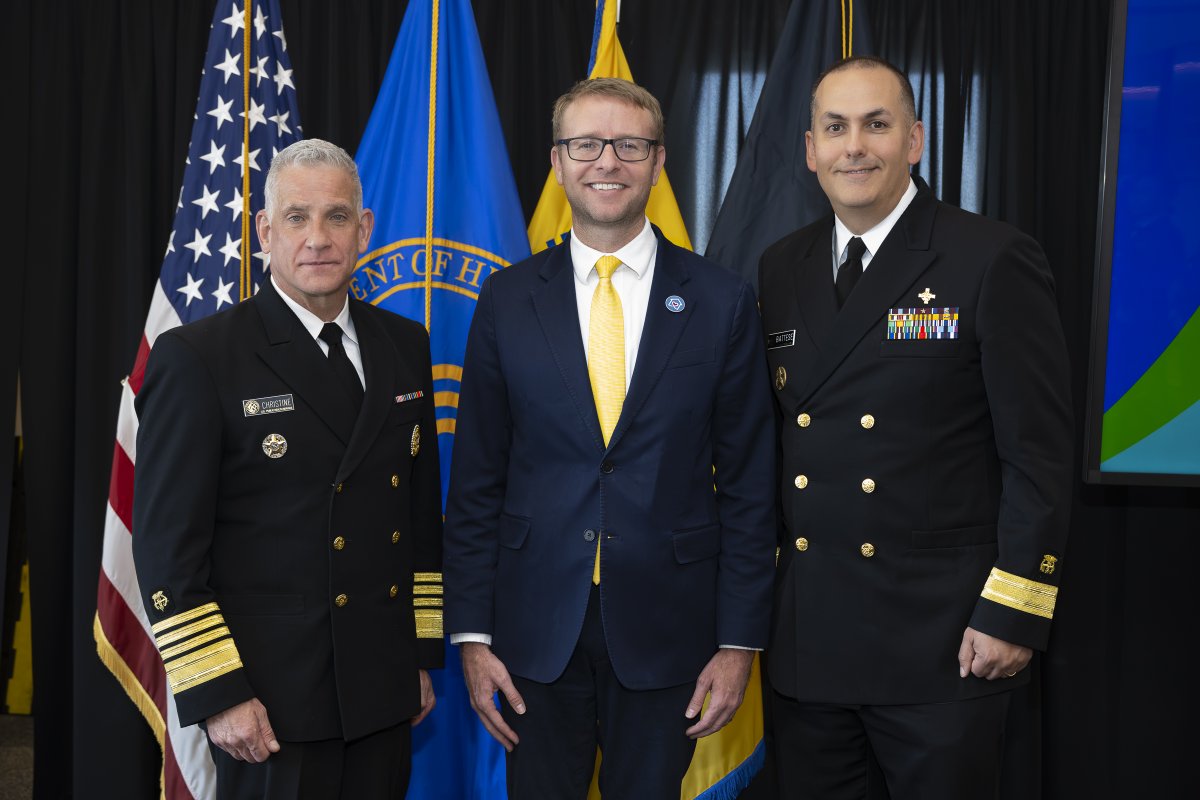
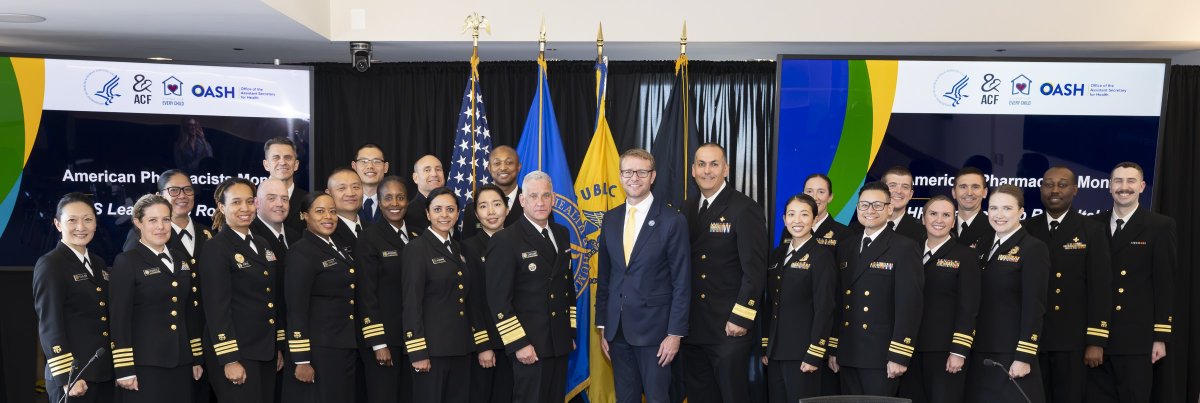
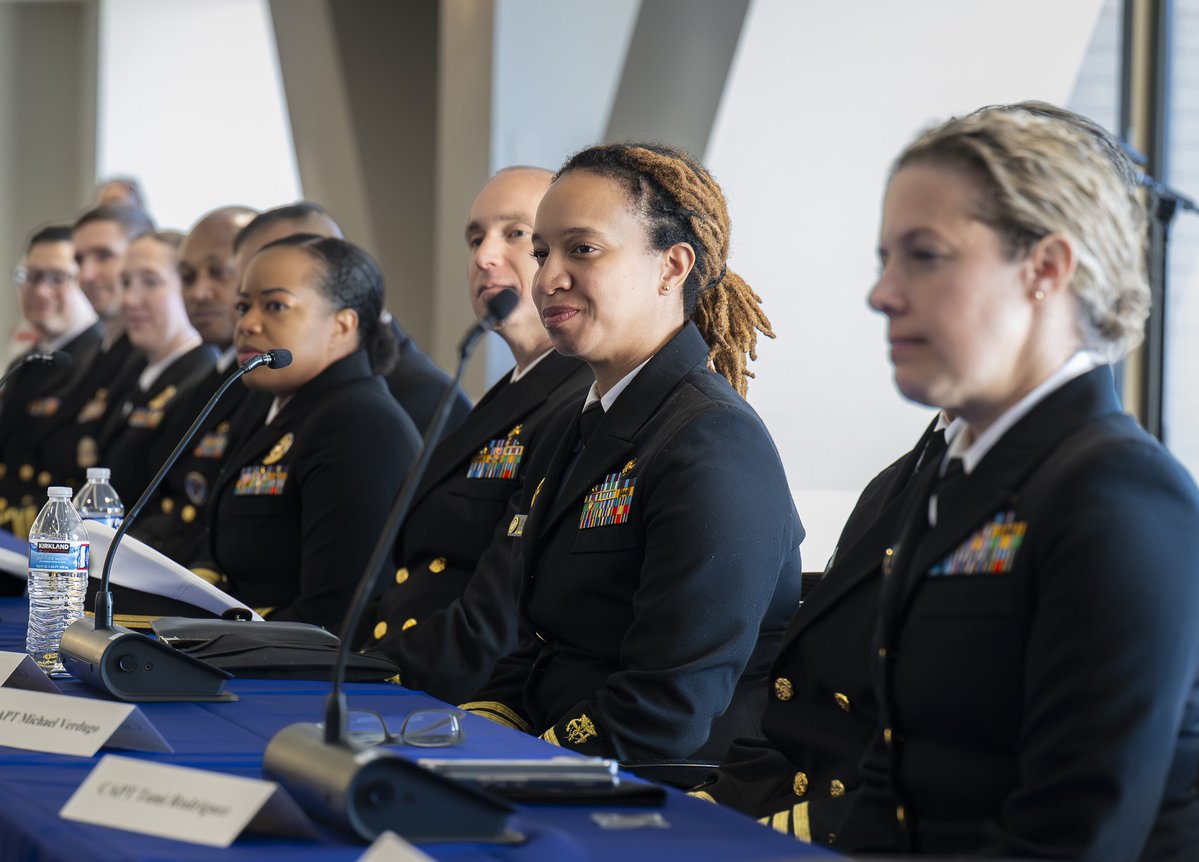
In recognition of American Pharmacists Month, HHS leaders @ADM_Christine , @ACF_Adams & RADM Kelly Battese joined @usphscc pharmacy officers to discuss pharmacy priorities, including the benefits of standard-of-care regulatory models that help expand access and improve health outcomes for the American people.
for those who don’t understand
1) the sandbox allows companies (including ours) to test AI care in production with real patients
2) this allows us to generate massive real world data about safety, quality, and outcomes
3) this paves a way for AI to be a real deflationary force in the country and give people what they want most: cheap, personalized, instant care
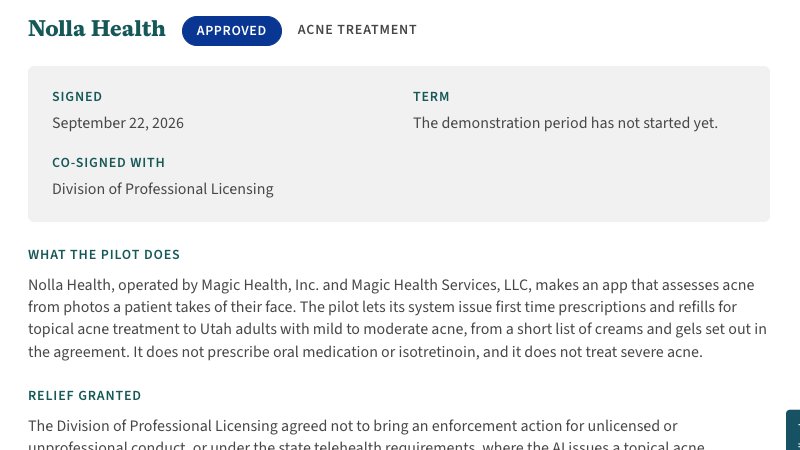
Utah unveiled 3 new AI sandbox participants this AM:
1) Nolla Health, using face photos for acne Rx's
2) August AI, another refills app
3) Expect Fitness, pelvic floor physical therapy
FDA's discussion paper on generative AI-enabled medical devices gives some indication of their thinking. But there's still ambiguity in how FDA will interface with and learn from Utah and other state sandboxes as they get set up.
Even if states allow AI to prescribe the feds / FDA still have statutory authority over this area and all the sandboxes live (or die) by their grace.