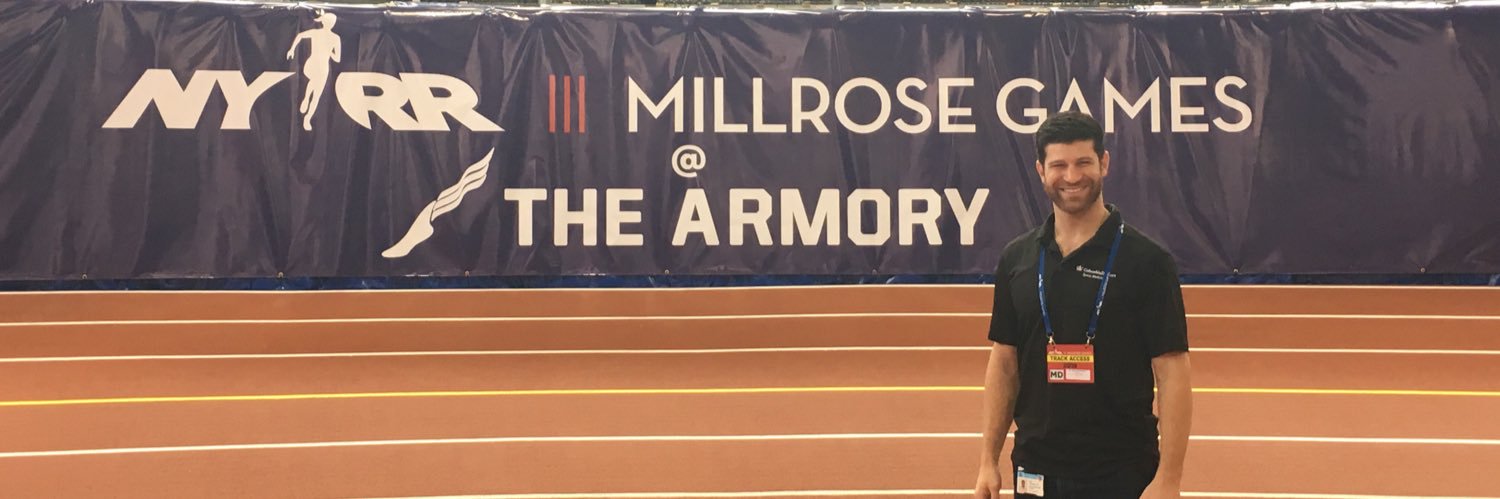
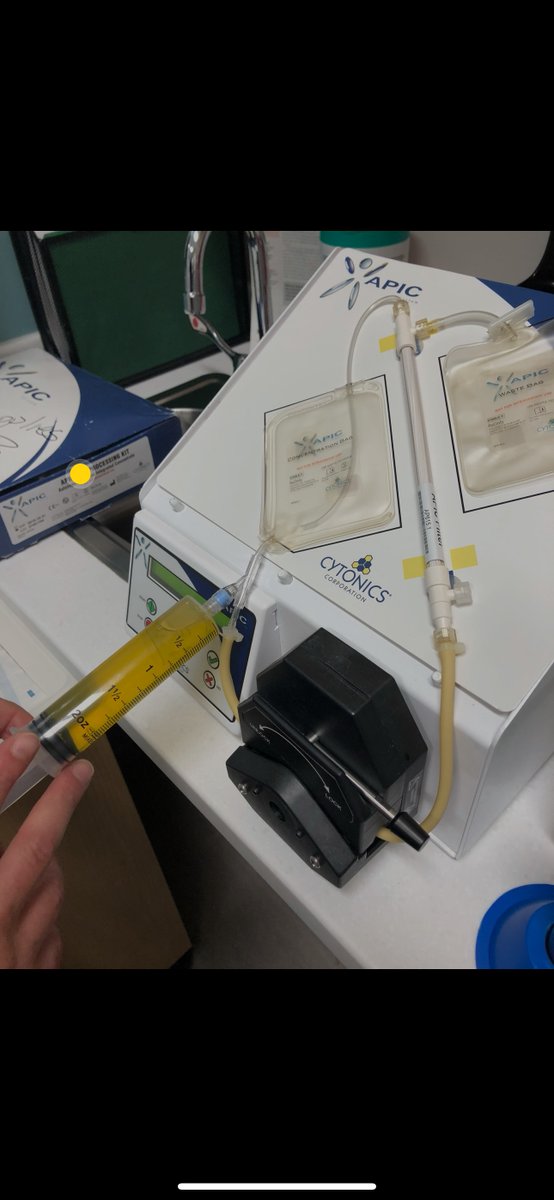
Two days in Stamford teaching Precision PRP: Biology-Guided Treatment for Musculoskeletal Disorders, with CineMed and Bioventus.
PRP is not one product. What processing does to the concentrate - platelet dose, leukocyte content, what is kept and what is filtered out - decides what you are actually injecting. Day one was biology and processing, hands-on at the bench. Day two was ultrasound guidance and injection technique, because the right product in the wrong place helps no one.
Grateful to teach alongside Michael Redler, Leonardo Oliveira, Steven Sampson, and Peter Everts, and to a room full of clinicians who came ready to ask hard questions.
@TheAMSSM@AOASM@iofoundation
For education only - not medical advice.
#PRP #PlateletRichPlasma #Orthobiologics #RegenerativeMedicine #SportsMedicine #MedicalEducation #OrthoColumbia
@TheAMSSM@thejschro Unilateral lower-extremity pain in an elite triathlete is the kind of case that rewards a careful differential - exertional and vascular causes sit alongside the usual musculoskeletal ones. A valuable listen for anyone covering endurance sport.
@iofoundation@CCentenoMD@maryambachmd Platelet therapies beyond standard PRP are exactly where the field needs its best people comparing notes. Lumbar radiculopathy is a hard problem, and a next-generation conversation with Chris, moderated by Mary, is well worth the hour.
@jachahla Striking numbers. A 2.4% versus 21.9% reoperation rate makes a strong case for adding BMA to the allograft, and it is the kind of head-to-head comparison the field needs more of. Well done to the authors.
@jbjs Fascinating direction. STING inhibition improving cuff healing in aged rats points at the inflammatory side of tendon aging, not just the mechanical side. Keen to see whether this translates beyond the animal model.
@TheAMSSM@thejschro Great pick - exercise training's effect on blood lipids is often underappreciated in sports medicine. Curious how the discussion weighs aerobic vs. resistance training for LDL vs. triglycerides in athletes?
@thekneedoc Age is the least interesting variable in that decision. Activity level, stability, and the arthritis picture tell the real story - motivated 50-plus patients with the right plan do extremely well.
@ACSMNews This myth deserves a permanent retirement. The evidence has been consistent for years - supervised resistance training is safe for young athletes and builds the movement quality that protects them later.
@jbjs Mechanistic OA work like this is the bedrock regenerative strategies will be judged against. The closer we get to the molecular drivers, the better we can match biologic interventions to the patients most likely to respond.
@iofoundation A live complications discussion is one of the most valuable sessions our field can host. Straight talk about what can go wrong is how standards keep rising. Tuning in.
A2M: a molecule your body makes that traps the enzymes chewing up cartilage in arthritic joints. Blood drawn, concentrated, injected under ultrasound - to slow destruction, not regrow cartilage. Educational only - not medical advice. #Orthobiologics#SportsMedicine
@jachahla@jbjs@KyleKunzeMD Appreciate the panel doing this work. "What's in the syringe" is the sentence the whole field should print out: indications mean little until dose and preparation are standardized.
@BJSM_BMJ Important review. With weight loss moving OA risk curves this much, GLP-1s as an adjunct to exercise therapy deserve a serious look. Curious how the authors weighed lean-mass loss against the joint-loading benefit.
@aossm1972@esska More high-quality knee literature in every member's hands is a genuine win. KSSTA joining the member library raises the evidence floor for the whole field.
@jachahla Six months out, this is exactly the right stage for sport-specific work. Adding hitting while full return still waits on strength testing is the discipline that keeps a good recovery from becoming a rushed one.
@aossmjournals The psychological side of return to sport is too often the missing piece. Strong therapeutic alliance plus goal-setting and milestone tracking is a sound framework, and naming the training and time gaps is what will move it from good practice to standard practice.
@BJSM_BMJ Prescribing by load rather than by name is the shift that matters most in tendinopathy care. A named exercise tells a patient very little, while load, tempo, and progression give the tendon a dose it can actually adapt to.
@thekneedoc The positioning point is the one that gets under-taught. Protecting the reconstruction from posterior sag in the early weeks is what lets the progression control actually work, and that sequencing is where outcomes are won or lost.
The decision point I keep coming back to is defect and tissue target rather than brand loyalty. For knee OA with a strong inflammatory component, the PRP dosing literature is easier to standardize, while BMA earns its place when the goal is a progenitor-rich scaffold. It would be good to see the RCT stratify by that split.
@TheAMSSM Specialization is the quiet driver of overuse in this group. The adolescent throwing athlete keeps training the same tissues the same way year-round, and volume goes up long before the mechanics are ready for it. Important topic for the Journal Club to take on.