We’re grateful to partner with @HubbsResearch, pioneers in marine conservation since 1963, supporting their lifesaving research and rescue work. Ongoing projects include studying pilot whale vocalizations and how ocean noise may impact their communications. #WeCareWednesday
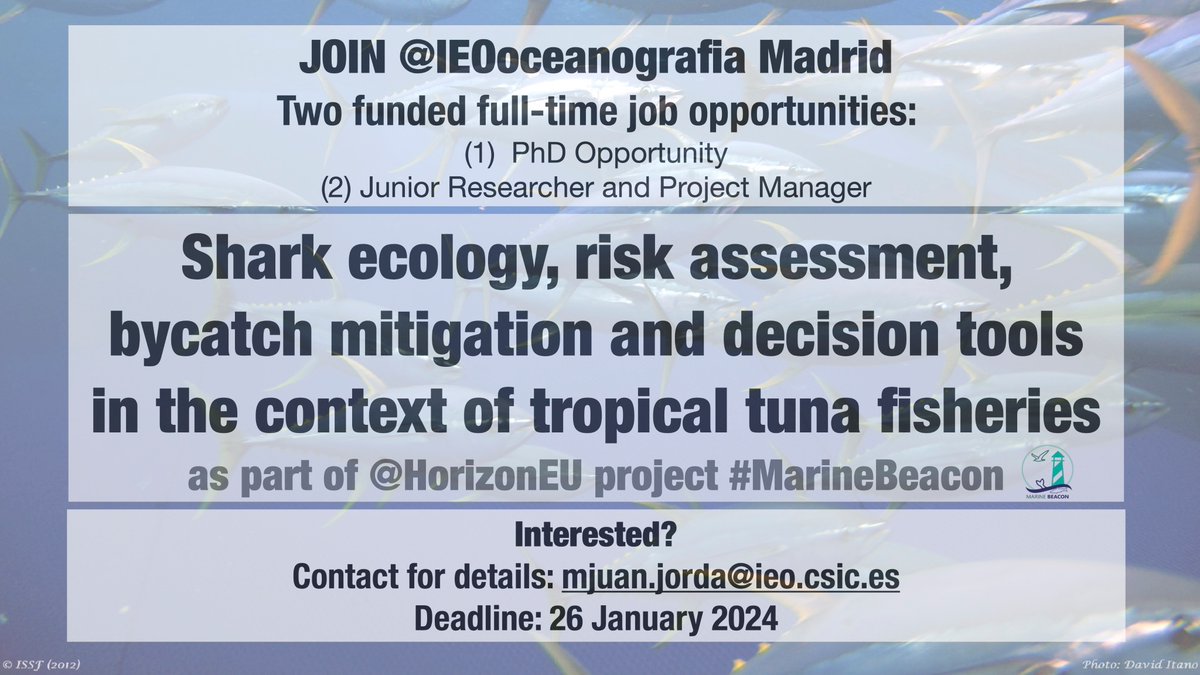
Interested in working on 🦈shark ecology and bycatch mitigation in 🐟tuna fisheries with me & @grazia_pennino at @IEOoceanografia together with the @azti_brta tuna team in the @HorizonEU project #MarineBeacon.
👉We have 2 funded working opportunities
🙏Please RT, spread the word!
Excited to continue working with the team to test out low-cost camera and hydrophone systems to monitor biodiversity and behavior around structures in the oceans! This video is from a pilot study using a @insta360 that seems to work well at capturing what's going on below 🌊
Our team is testing advanced cameras placed outside the net pens located on #AguaHediondaLagoon to observe interactions between marine life and aquaculture systems. This approach helps us understand how man-made structures in the ocean influence the who's out there, and how many.
We celebrated 60 incredible years of ocean science and conservation! We are grateful for our community's support. Over the next few weeks, we will share our 5-year strategic science plan, guiding us toward new discoveries and conservation goals. #OceanConservation#Gratitude
We recently responded to a heartbreaking #dolphin entanglement. We are very grateful to our local community, @SeaWorld , and @NOAA for their assistance. You can help tackle this growing problem by #recycling fishing line and reporting entangled dolphins to @MyFWC: 1-888-404-FWCC.
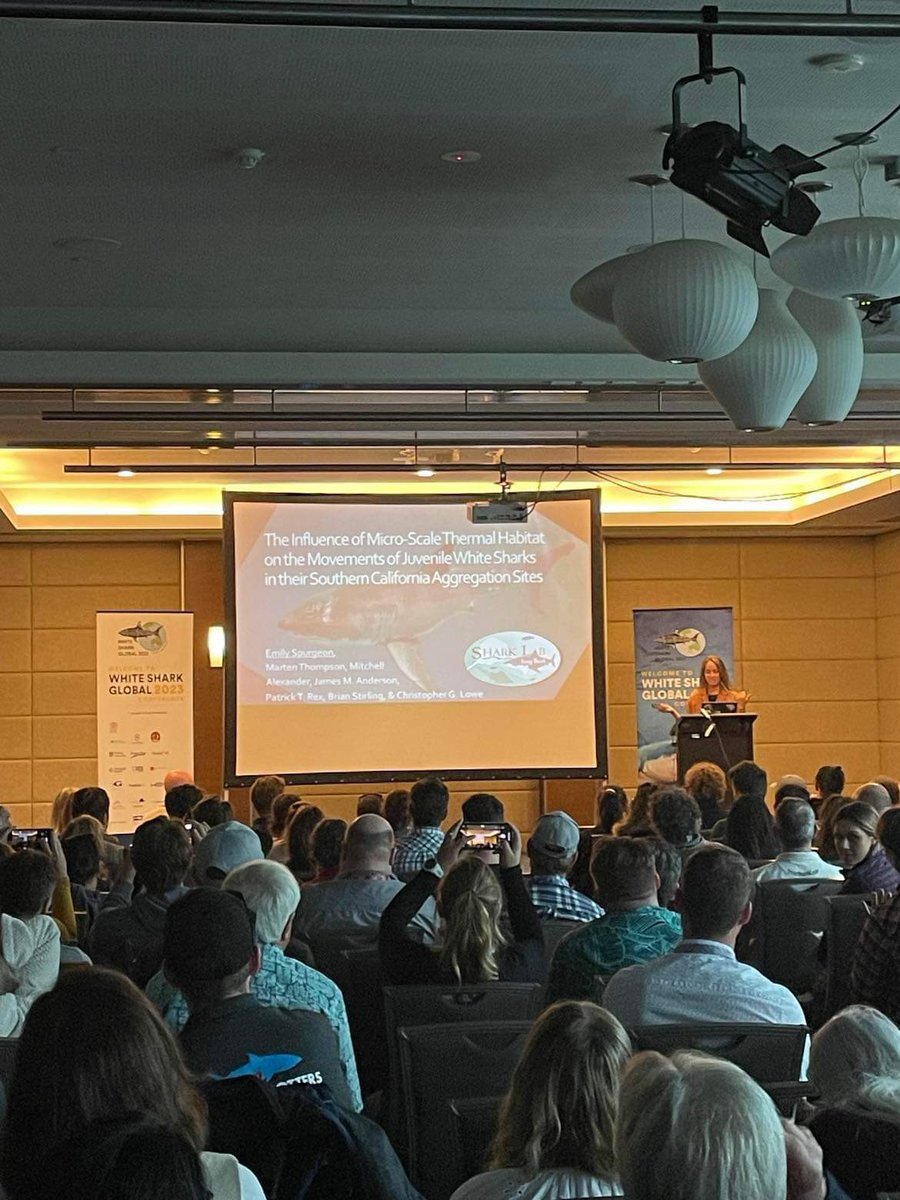
Emily Spurgeon @Emily_Spurgeon presents ‘The influence of micro-scale thermal habitat on the movements of juvenile white sharks in their Southern California aggregation sites’ #WhiteSharksGlobal2023
How would you release 2,000+ fish from our raceway pens to the ocean? Our staff has worked carefully to engineer a system allowing efficient fish release with safety and stress minimization in mind.
#WhiteSeabass#SustainableSeafood#Aquaculture
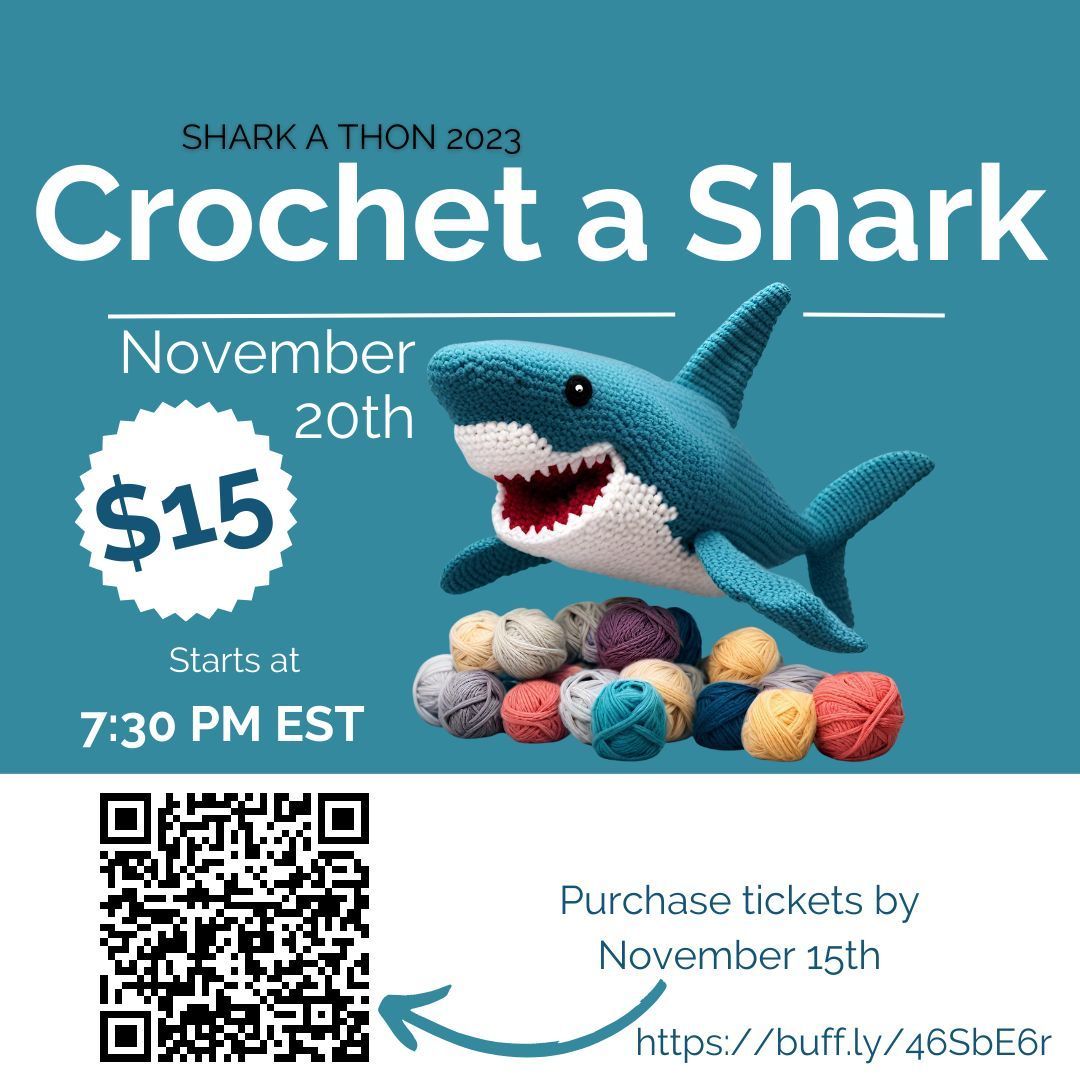
Feeling crafty AND love sharks? Join us for a unique virtual sharks-and-crafts event, Crochet a Shark! Sign up by November 10th in order to get crochet supplies & patterns mailed to you.
Unleash your sharky creativity & get your tickets today: https://t.co/xIe2BjFpPq
💎 Hidden Gems interview from #IJMS 📚
Join us as we revisit Atlantic sturgeon distribution & the reliability of species distribution models.
📄 Read the paper ➡️ https://t.co/pie5bbYz0L.
Watch the interview ➡️ https://t.co/dvKfeXh86a
@ouplifesciences
This Week: Our Dolphin Deep Dive Instagram Live has been rescheduled for THIS Friday, October 27th at 9 AM PST & noon EST! Join HSWRI Researchers Wendy Noke & Teresa Jablonski as they share their over 20 years of field experience with us.
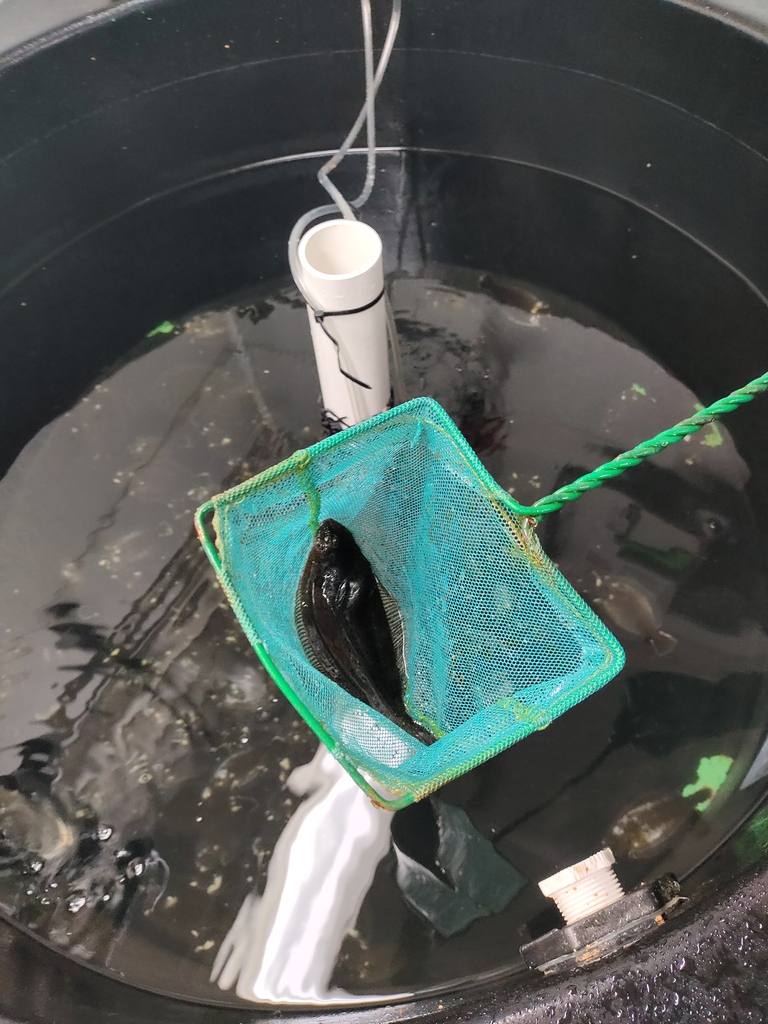
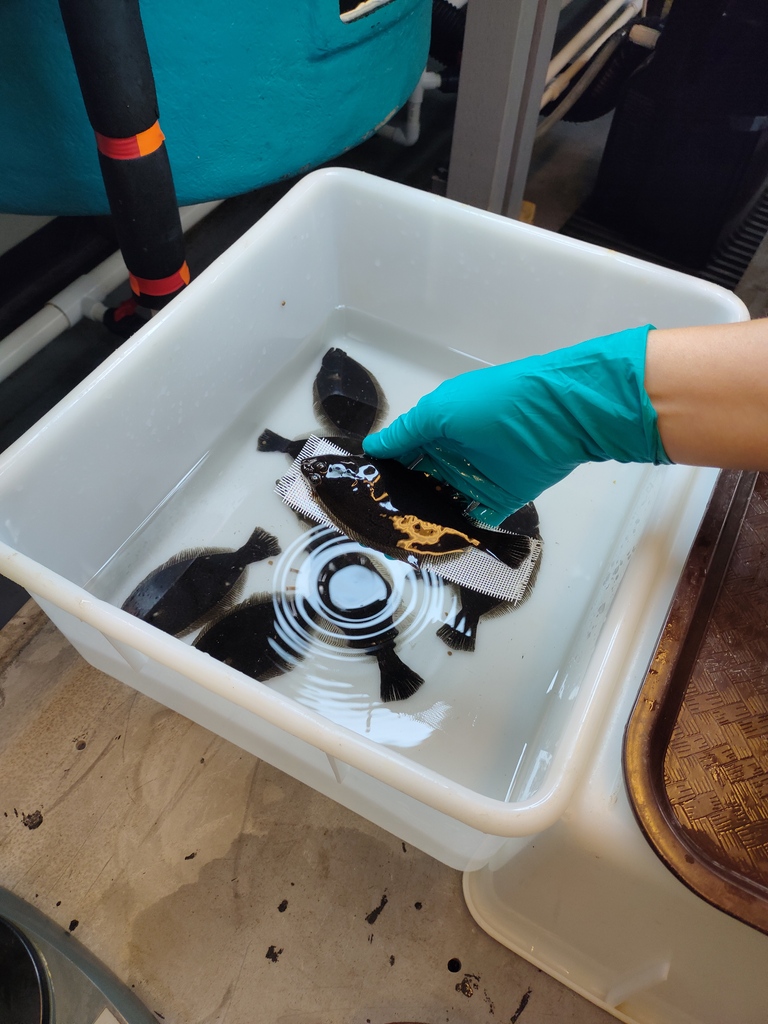
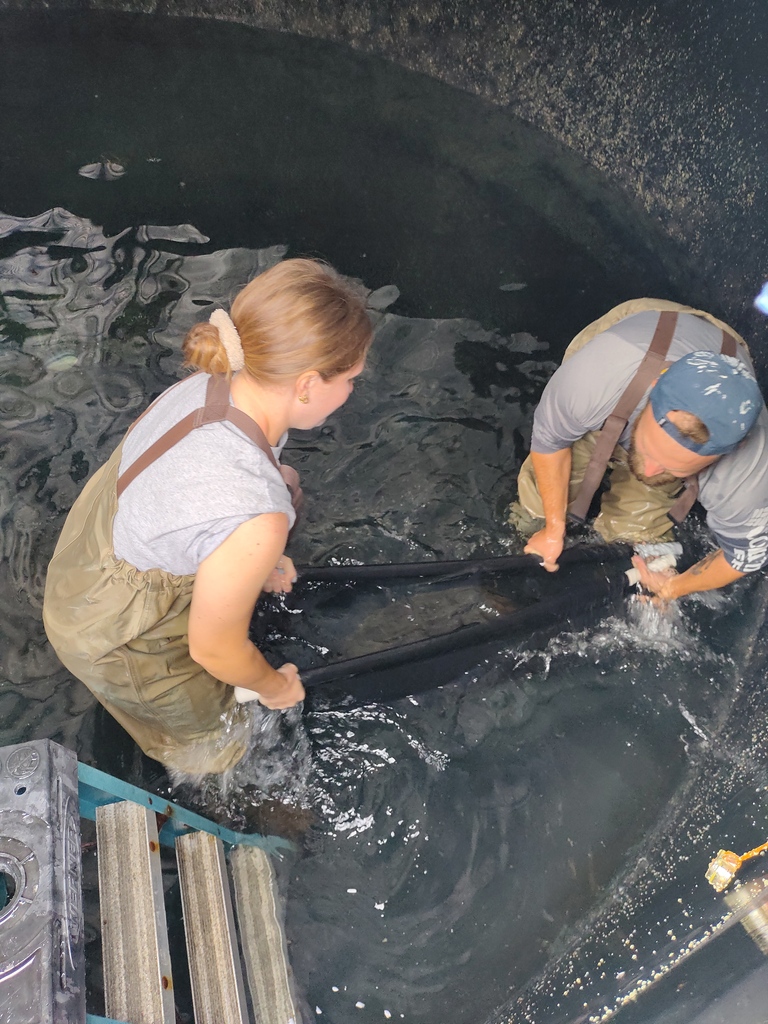
Let's check in on our California halibut! 1st we lower the water and carefully guide the fish into a sling. Next, we identify fish from their tag & measure length & weight to assess growth over the year. Finally, our veterinarian assesses the fish for any health issues.
Let's check in on our California halibut! 1st we lower the water and carefully guide the fish into a sling. Next, we identify fish from their tag & measure length & weight to assess growth over the year. Finally, our veterinarian assesses the fish for any health issues.
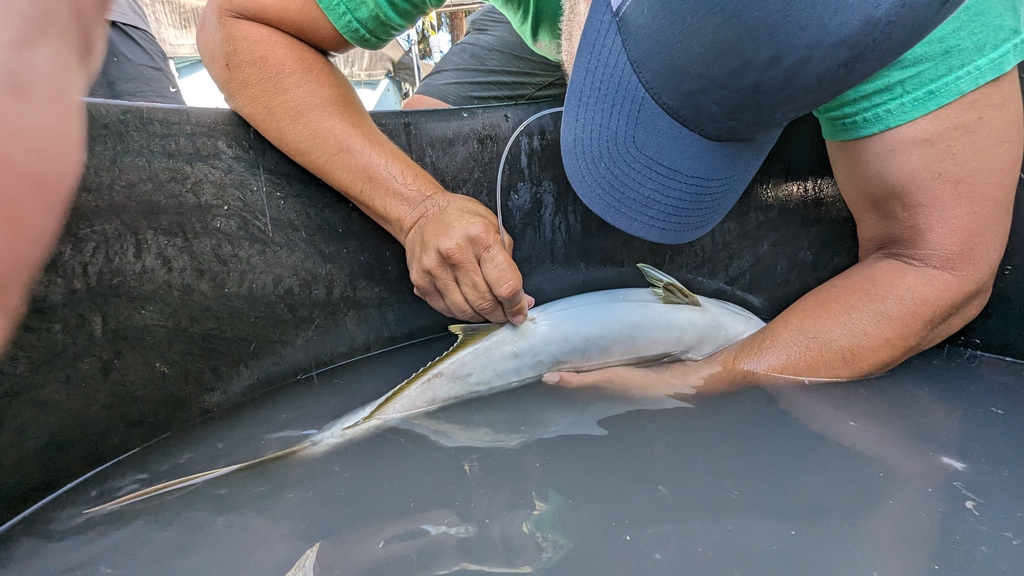
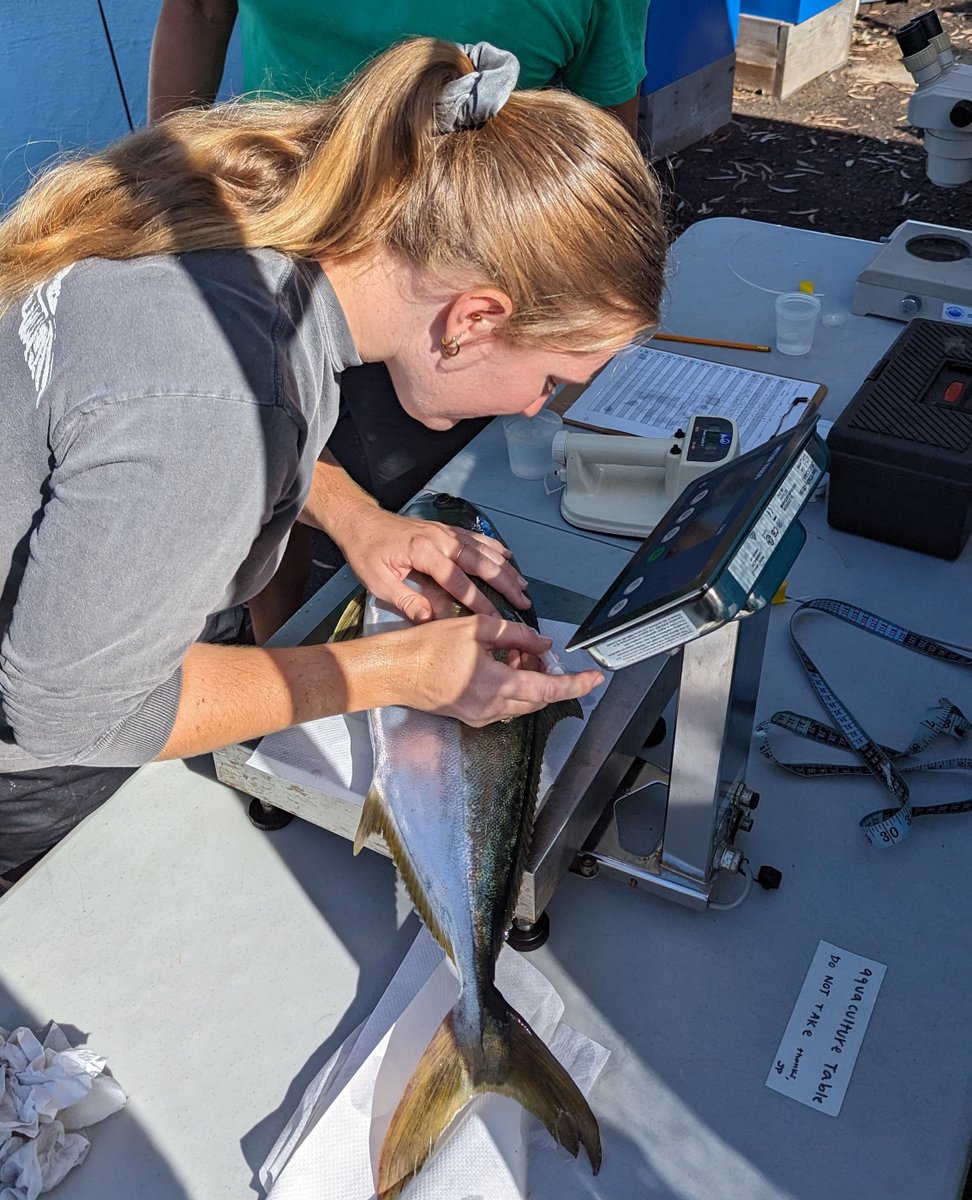
This month, we are assessing our broodstock populations. Up first our F1 California Yellowtail. We record length and weight & assess the overall health of each fish. For all of our broodstock populations, we determine the sex of each individual using cannulation. Seen here.
We measure our juvenile California halibut in our thermal rearing system w/ temps from 15C/59F - 23C/73F to monitor growth and sex ratios when halibut. Why? To understand how things like climate change may influence this species. #Aquaculture#MarineScience#ClimateChange
These Pacific calico scallops are ~2.5 months post-hatch. These larval scallops vary in size, but most are ~10mm. You can see they already resemble their more mature relatives. These scallops have settled and will continue to feast on microalgae as they grow larger and larger!
Interested in dynamic species distributions? Want a beautiful place to live and like data science, ecological process, and population models? Check out the #postdoc we have open at UC Santa Cruz: https://t.co/Sgw84TCpbB
Please RT and share widely.