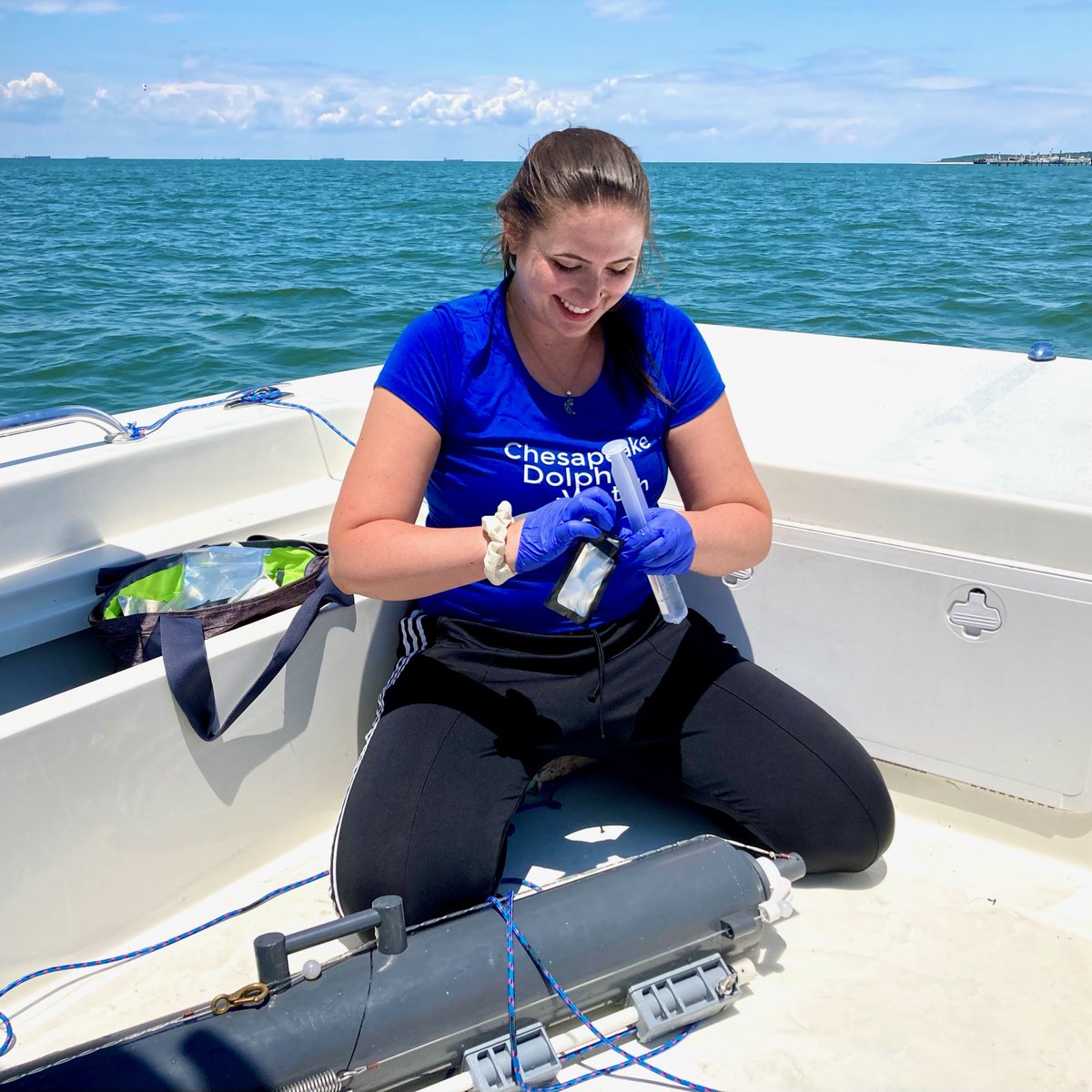
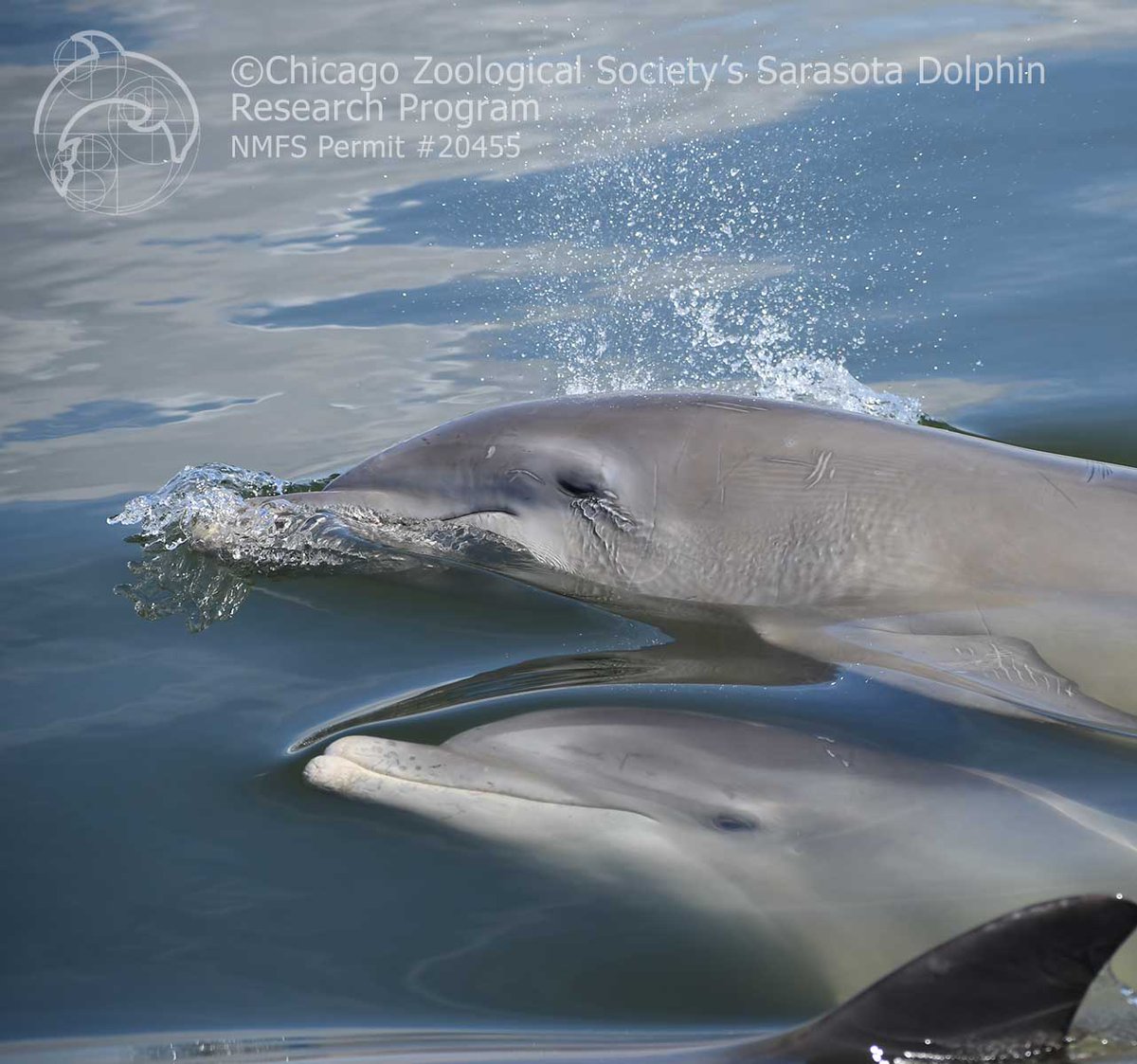
Dr. Bailey's lab is working to understand bottlenose dolphins in the Chesapeake Bay in the summer using acoustics, visual surveys, & community-based science.
@caplady1225@chesapeakebay Sharks and dolphins visit the Chesapeake Bay watershed. It is still early in the year but
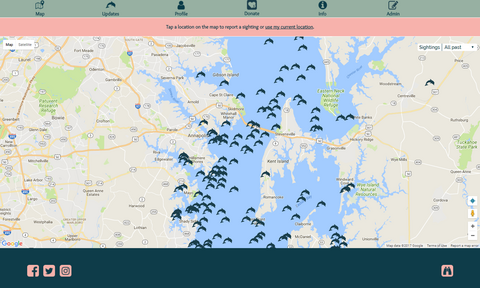
@DolphinWatch_CB does have some sightings near Oxford. In the future, snap a picture and you can add it to the dolphin watch community surveys.
https://t.co/yhI8oUHjT9
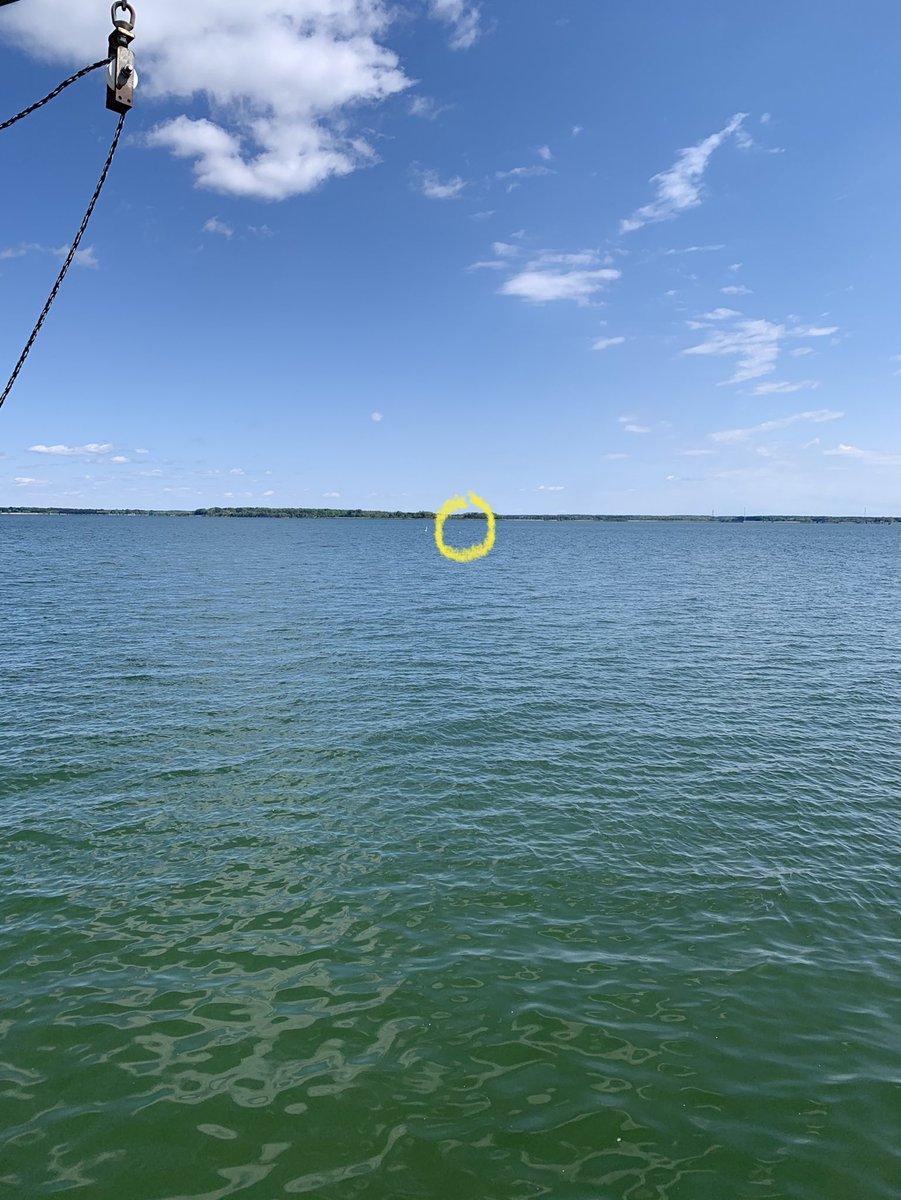
Believe it or not there are dolphins in this photo! It’s the first time I’ve ever seen these beautiful creatures in the Choptank before- very cool! @DolphinWatch_CB
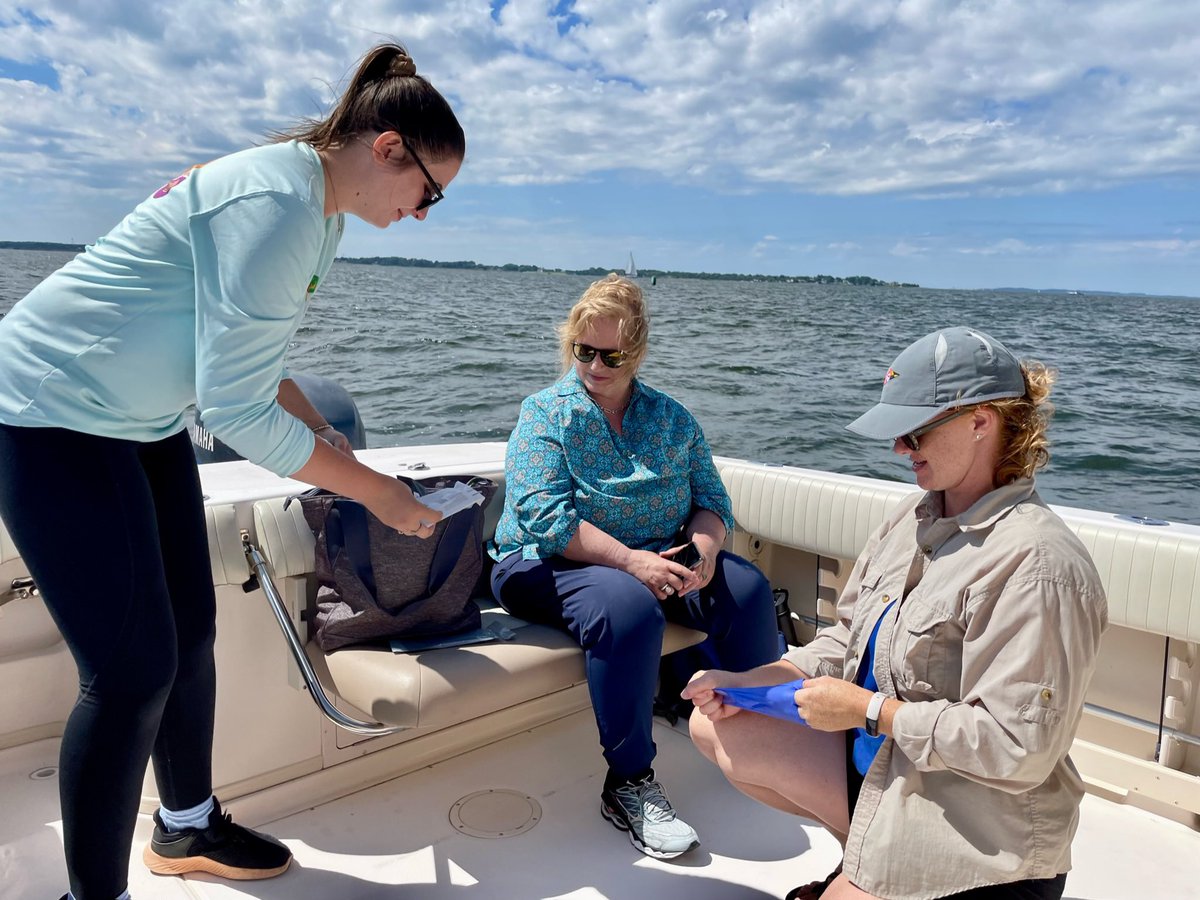
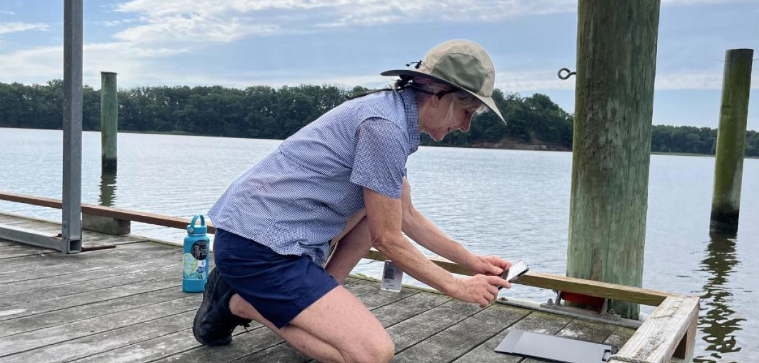
Launching today: the Chesapeake Water Watch #CitizenScience project! Use your smartphone to collect water quality data in the #ChesapeakeBay & help scientists explore how well satellite data can support the effort from space. Let's get on the water: https://t.co/43A3y81Fsl
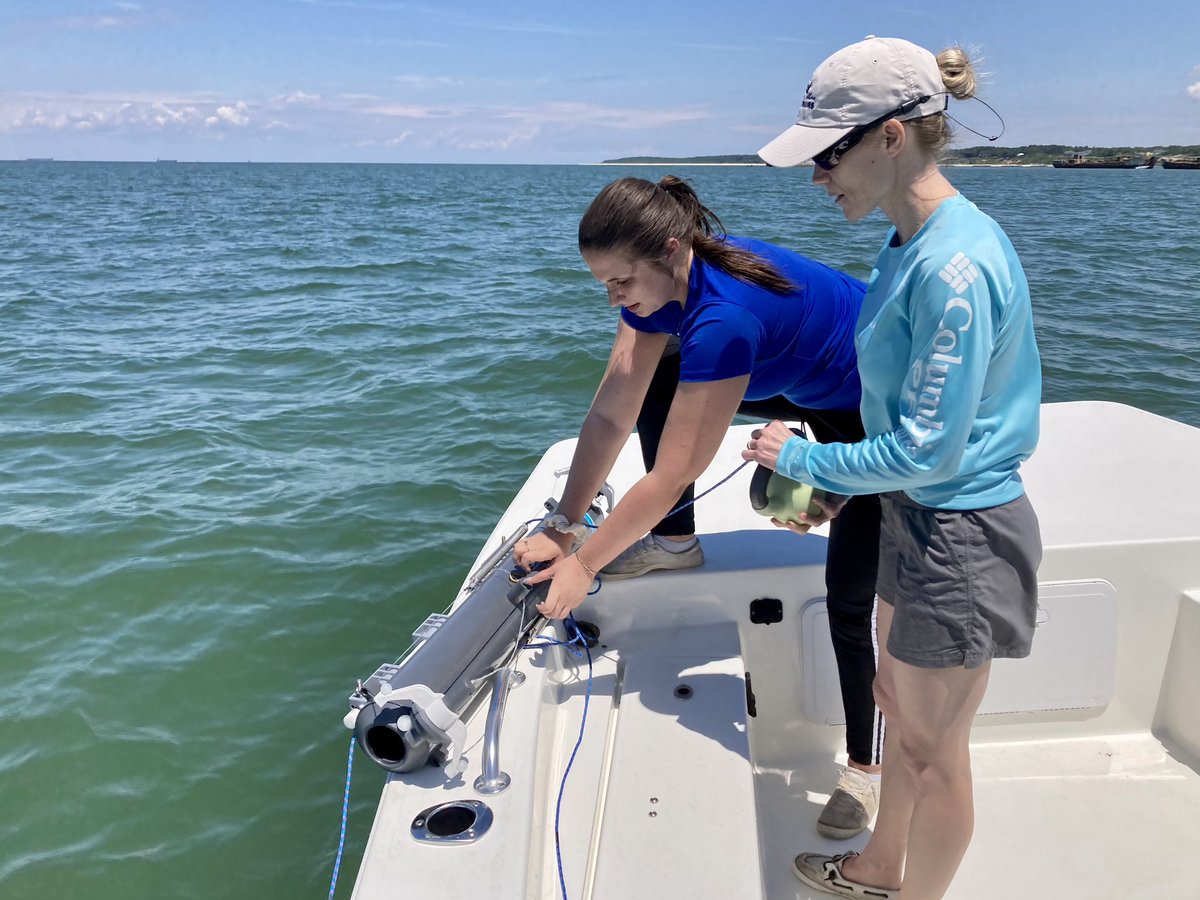
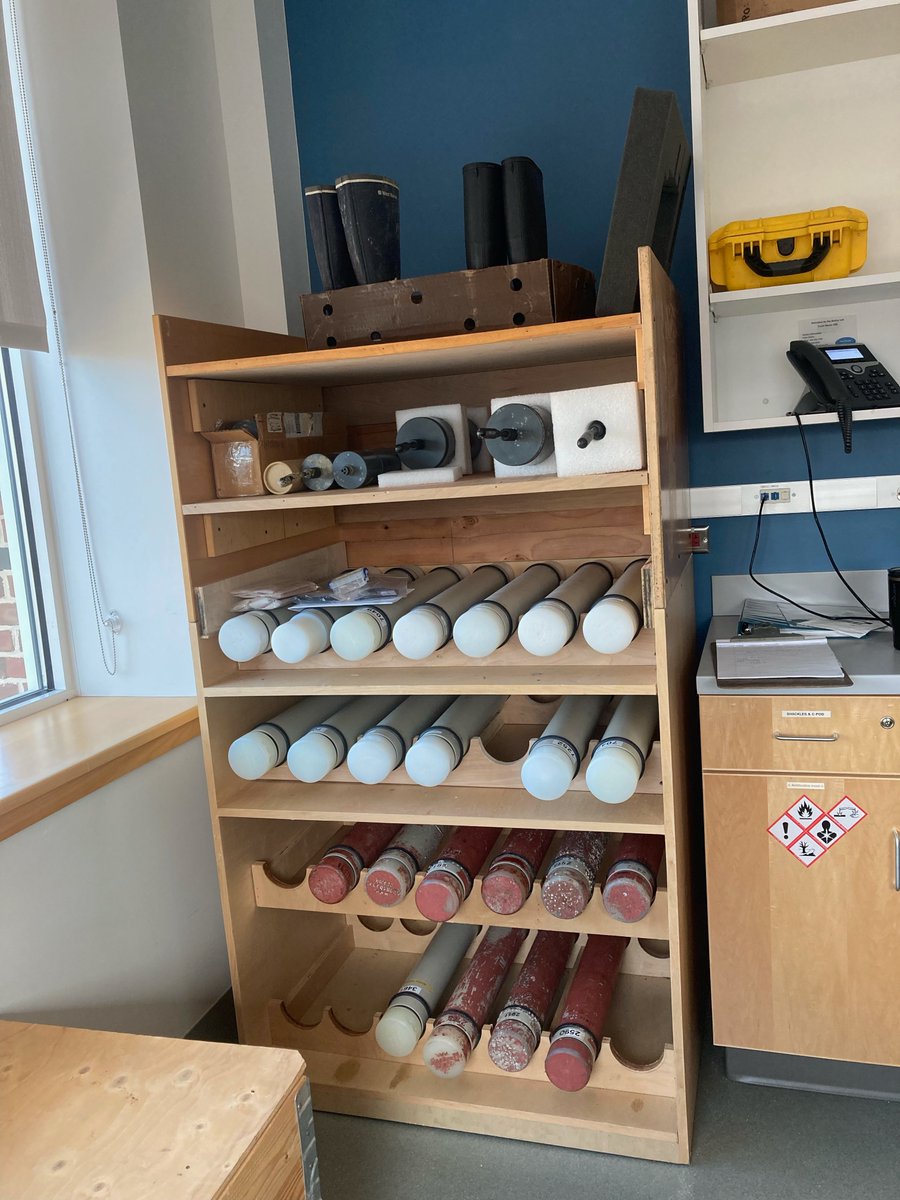
F-Pods and C-pods awaiting spring-time deployment to listen for dolphins in US Wind's MarWin and Momentum project areas as part of https://t.co/ghiGGxqeML
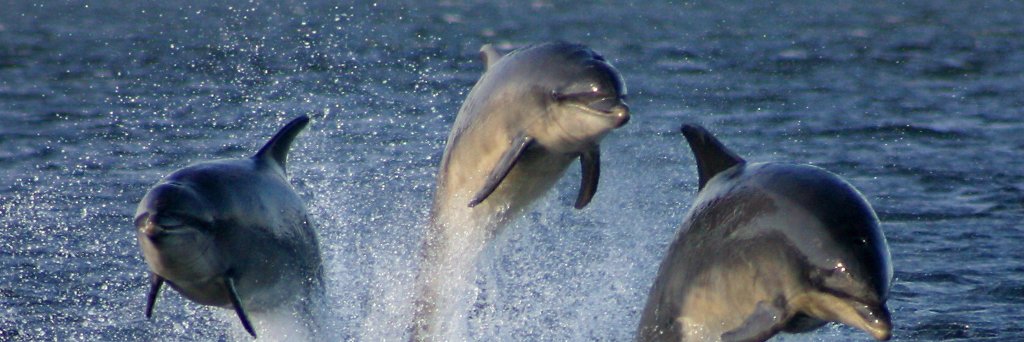
The #Chesapeake Bay may be more important to #dolphins than many realize. Researchers are shedding light on what the clever mammals are doing here🐬 https://t.co/QDslA526CA
The Chesapeake Bay may be more important to dolphins than many realize. Researchers are shedding light on what the clever mammals are doing here.
https://t.co/w82emz7X7p
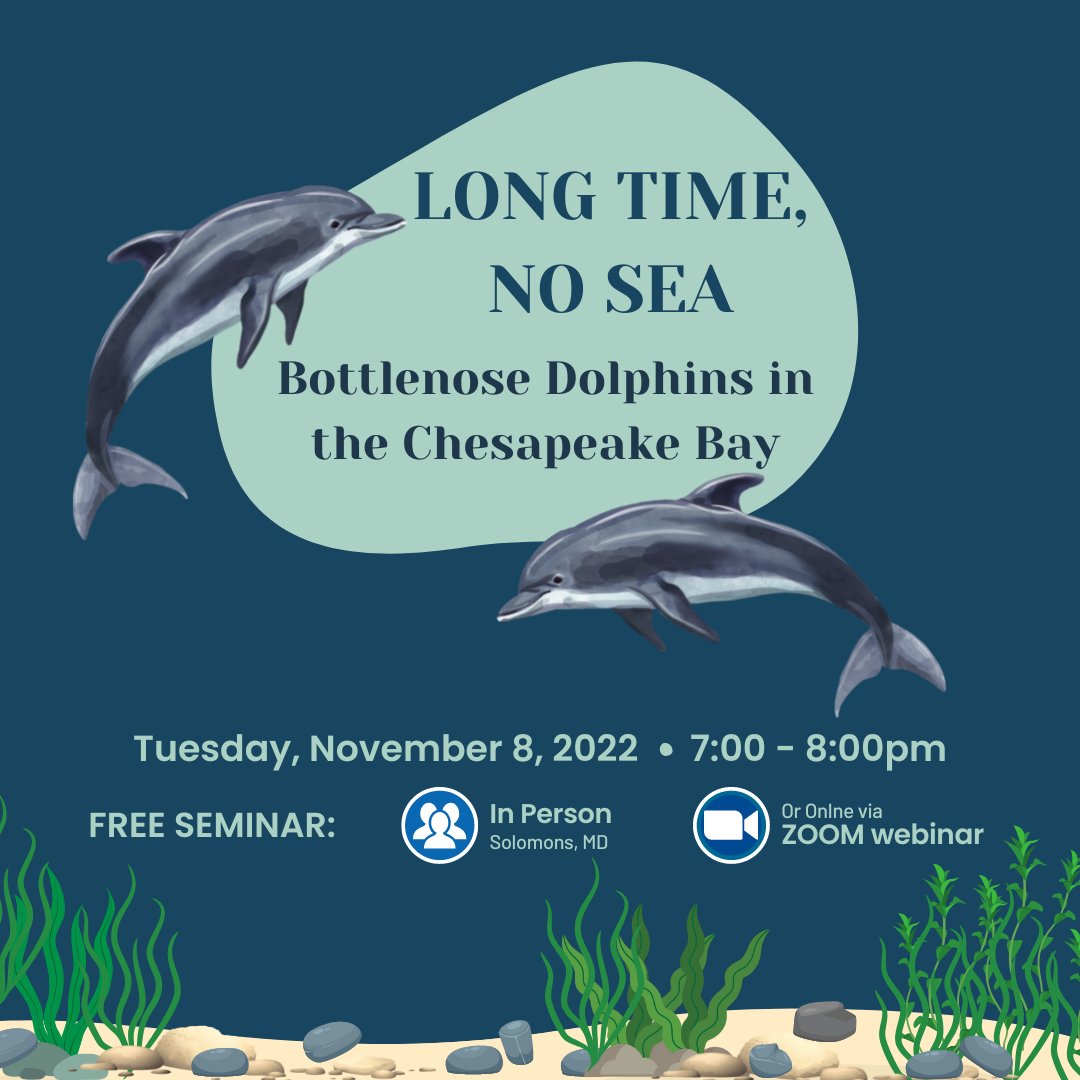
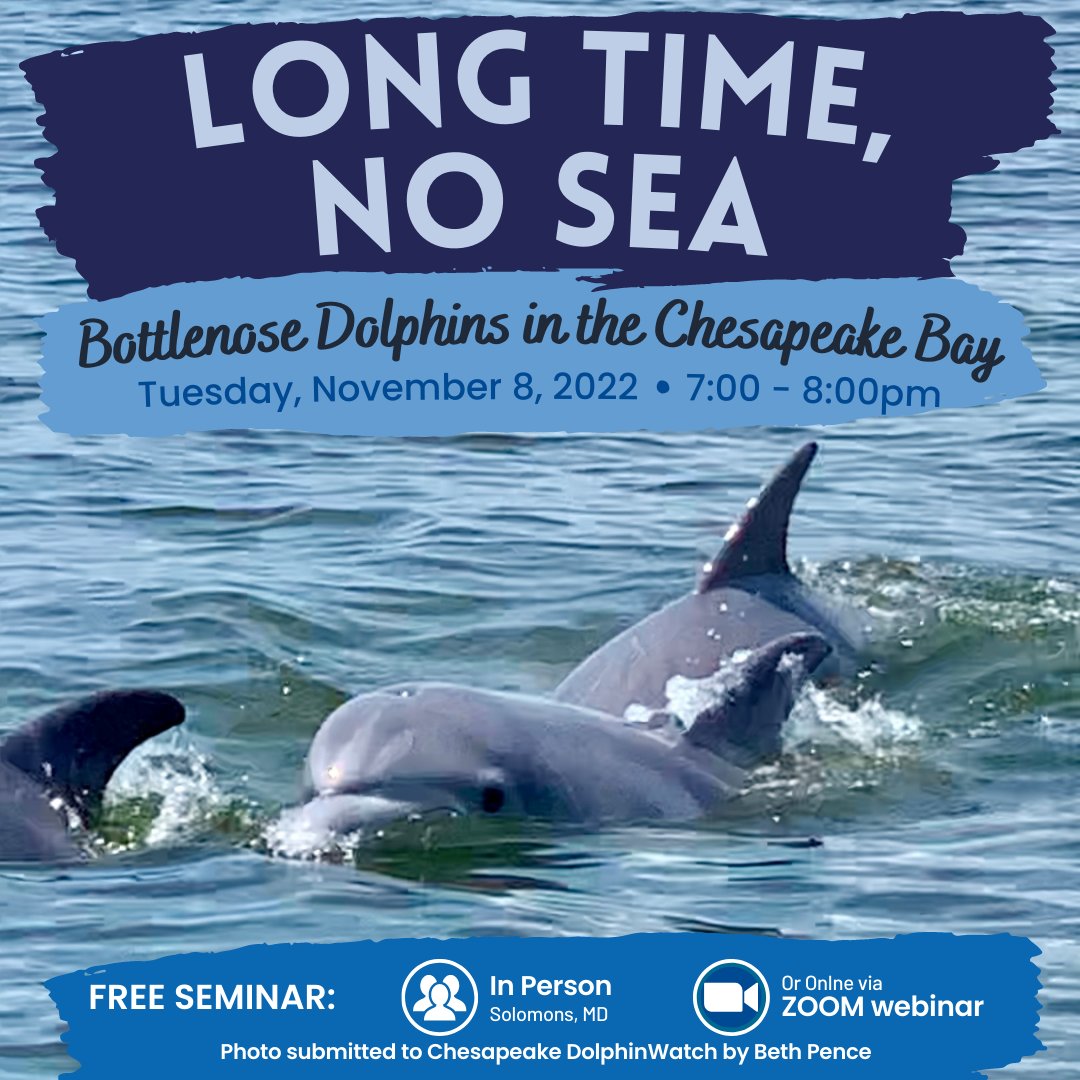
Learn about research findings from the first 5 years of DolphinWatch, how graduate students are advancing #dolphin research in #ChesapeakeBay, and future plans for the research.
In person: https://t.co/whHxDyoQKQ
or Zoom: https://t.co/8agF5Vf7T2
Learn about dolphin research in the Chesapeake Bay
Register to attend in person: https://t.co/XPwGeHHx4r
or Via Zoom: https://t.co/kHdm20MAfC
🐬👩🔬❤️👩🔬🐬
#chesapeakebay#Dolphin#chesbay@DolphinWatch_CB
Next Tues., Jamie Testa will discuss research findings from 5 years of @DolphinWatch_CB, how graduate students are advancing #dolphin research in #ChesapeakeBay, & future plans!
Register to Attend In Person: https://t.co/XPwGeHpnQj
Or Via Zoom: https://t.co/kHdm213DhC
#TursiopsTuesday Dolphins can produce sounds ranging from 75 Hertz to more than 150,000 Hz — greater than humans can hear (20-20,000 Hz). As we age, we may lose range. That doesn’t seem to be the case for #dolphins. Learn more https://t.co/LovsxptnGP
Did you know that our research team can study dolphin behavior by listening to their whistles and echolocation clicks? 🐬🐬🐬
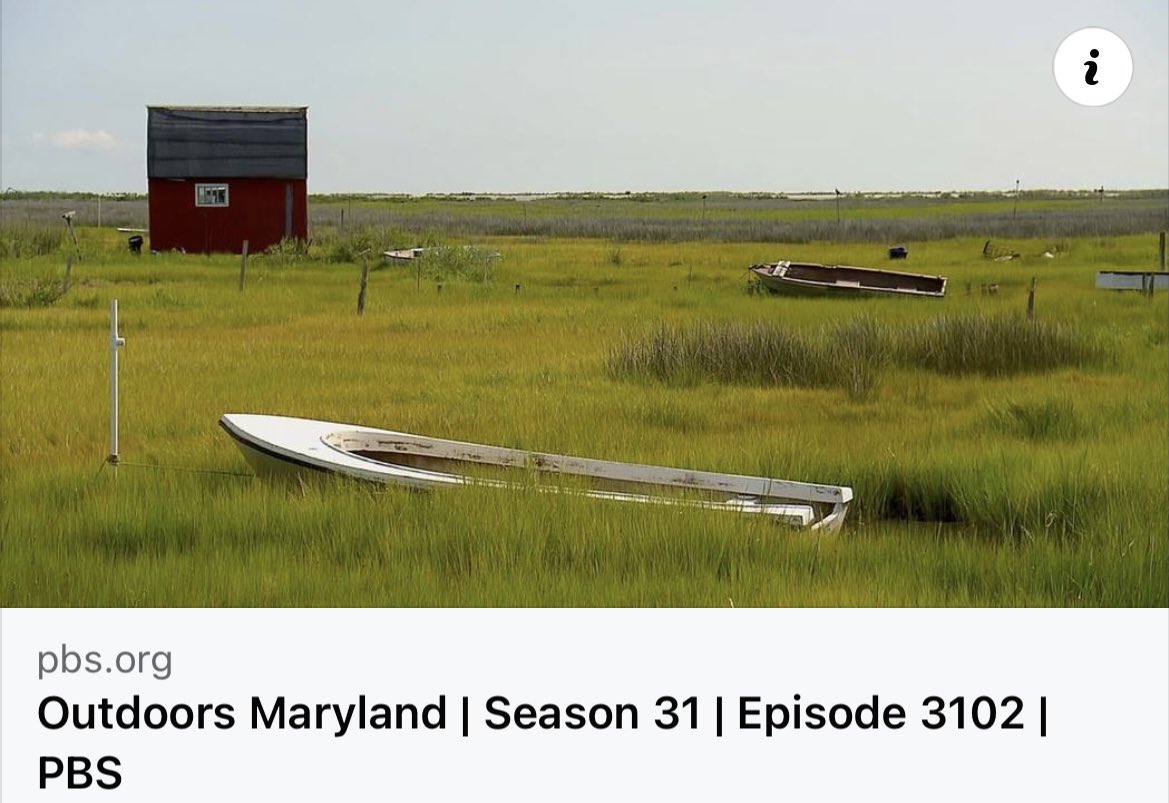
Learn about this and more (including Chesapeake DolphinWatch!) on season 31 of Outdoors Maryland on PBS: https://t.co/TXwmAMTN2W
@PBS@UMCES
🐬WOW: Time for Where on Wednesday!🐬
This past week, dolphins were reported in the Potomac River, Miles River, and Rappahannock River
Report your dolphin sighting in our mobile app or online: https://t.co/9FhZ86A3D5
#WhereOnWednesday#ChesapeakeDolphinWatch#ChesapeakeBay