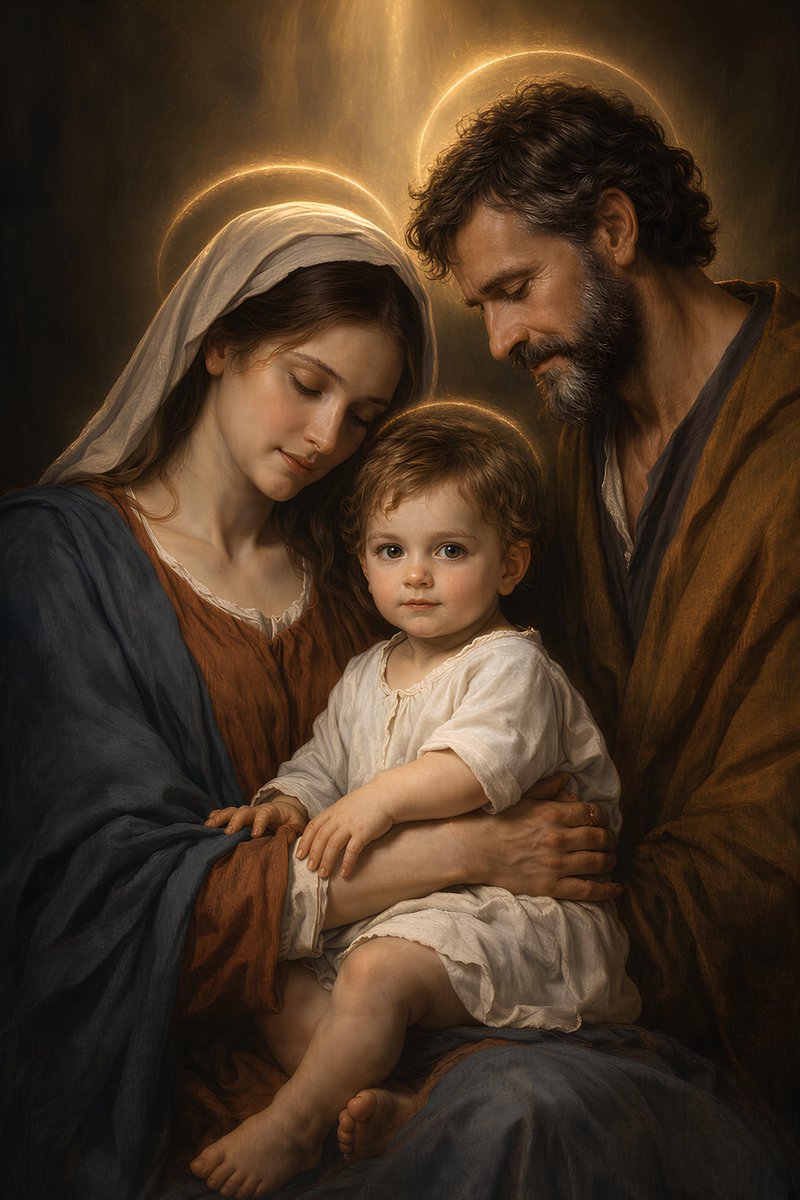
Mon vœu pour l’Eglise : la compassion. Avec Marie. La compassion est à côté de toute victime. La compassion ne crie pas avec la foule. La compassion écoute les gémissements, même les plus faibles. La compassion sait que toute douleur est à soulager. Elle est amour.
Something important begins at the Vatican on Wednesday, and I suspect much of the commentary surrounding it will concentrate on the wrong question.
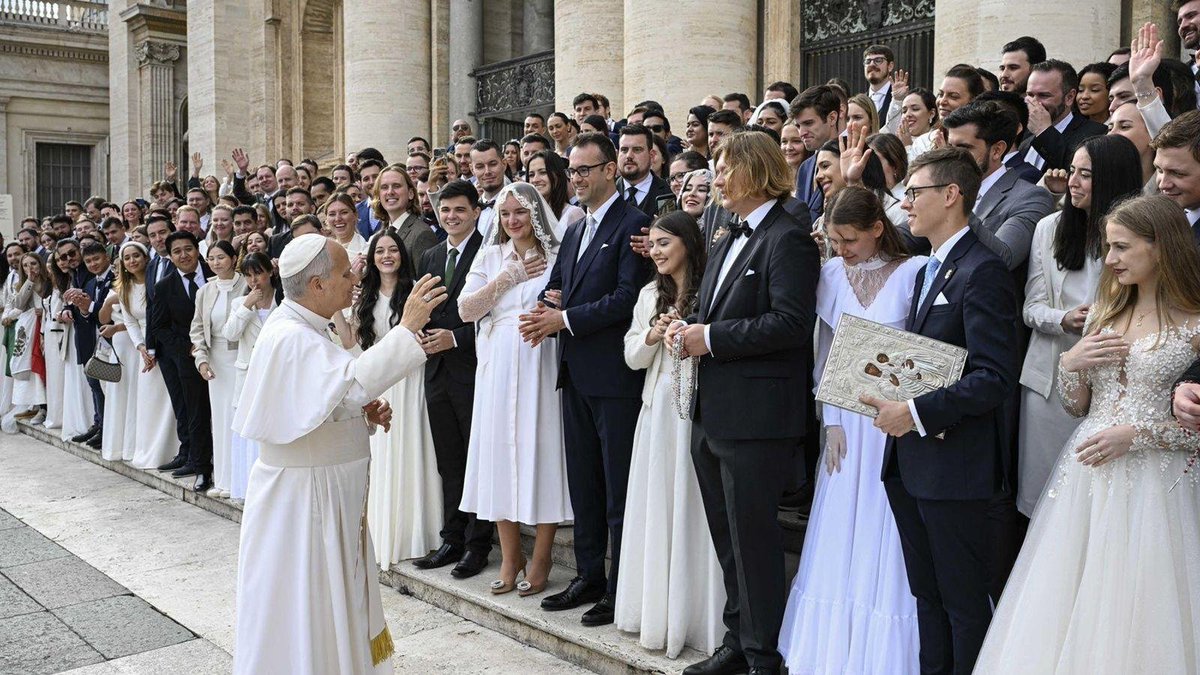
Ten years after Pope Francis published Amoris laetitia, Pope Leo XIV is bringing the presidents of the world's episcopal conferences and the heads of the Eastern Catholic Churches to Rome for a week-long meeting on marriage and family life. Given the controversies which followed Amoris laetitia, particularly over the pastoral care of divorced and civilly remarried Catholics, it would be easy to assume that Leo is reopening one of the defining theological arguments of the Francis pontificate.
But that is not how the Vatican is presenting this meeting. Fr Giacomo Costa SJ, who is responsible for its methodology, has been quite explicit: this is not a Synod and it is not the continuation of a Synod. Nor, according to those organising it, is the purpose simply to assess or rewrite Amoris laetitia. The question Leo has actually asked is considerably broader: What has the Church learned during the past ten years about proclaiming the Gospel to families, and what must she do next?
Amoris laetitia became so closely associated with the controversy surrounding its eighth chapter that the enormous pastoral crisis lying behind the document can easily disappear from view. Marriage itself is becoming less common in many societies. Young people are increasingly reluctant to marry. Families are fractured by economic pressures, isolation, divorce and a culture which often presents permanent commitment as something constricting rather than liberating.
Meanwhile, the Church can sometimes behave as though marriage preparation consists of getting a couple successfully through the church doors on their wedding day. Pope Leo appears interested in something much more ambitious. In March, when he announced this meeting, he wrote that the Church must renew and deepen her commitment to family life so that those called to marriage can fully live their conjugal love in Christ and young people might once again be attracted to “the beauty of the vocation to marriage.”
At today's Angelus he returned to the subject, describing families as “a sign of hope and an inestimable treasure for the Church and for society.”
That language interests me because it changes the emphasis from managing irregular situations to recovering the positive Christian vision of marriage itself. The preparatory material asks how young people can discover marriage as a vocation, how couples can be accompanied through the first years of married life, how families in difficulty can be supported, how faith can be transmitted between generations and, perhaps most importantly, how families can cease to be treated merely as recipients of pastoral care and become active participants in the Church's mission.
That last point may prove particularly significant.
For decades we have spoken about “family ministry” as though the family were another constituency to be administered alongside youth ministry, schools, catechesis and social action. But Christianity makes a considerably greater claim for the family.
The domestic Church is one of the principal places where children first encounter prayer, forgiveness, sacrifice, authority, love and the possibility that God exists. Long before most Catholics encounter a theologian or read a papal document, their imagination of Christianity has been shaped by what they witnessed at home. If Catholic families cease to transmit the faith, no diocesan programme will compensate for the loss.
There will certainly be legitimate questions about what emerges from next week's discussions, and given the history surrounding Amoris laetitia, Catholics will understandably watch carefully to see how disputed questions are handled. But it would be unfortunate if those controversies prevented us from noticing the much larger problem Leo appears to be placing before the Church. The crisis is not simply that Catholics disagree about how Amoris laetitia should be interpreted. It is that increasing numbers of people no longer understand why Christian marriage is worth choosing in the first place.
Recovering an answer to that question may prove considerably more important than reopening the arguments of 2016.
As we celebrate the Franciscan Jubilee Year, let us perseveringly ask for the gift of peace and sincerely commit ourselves to building harmony among peoples.
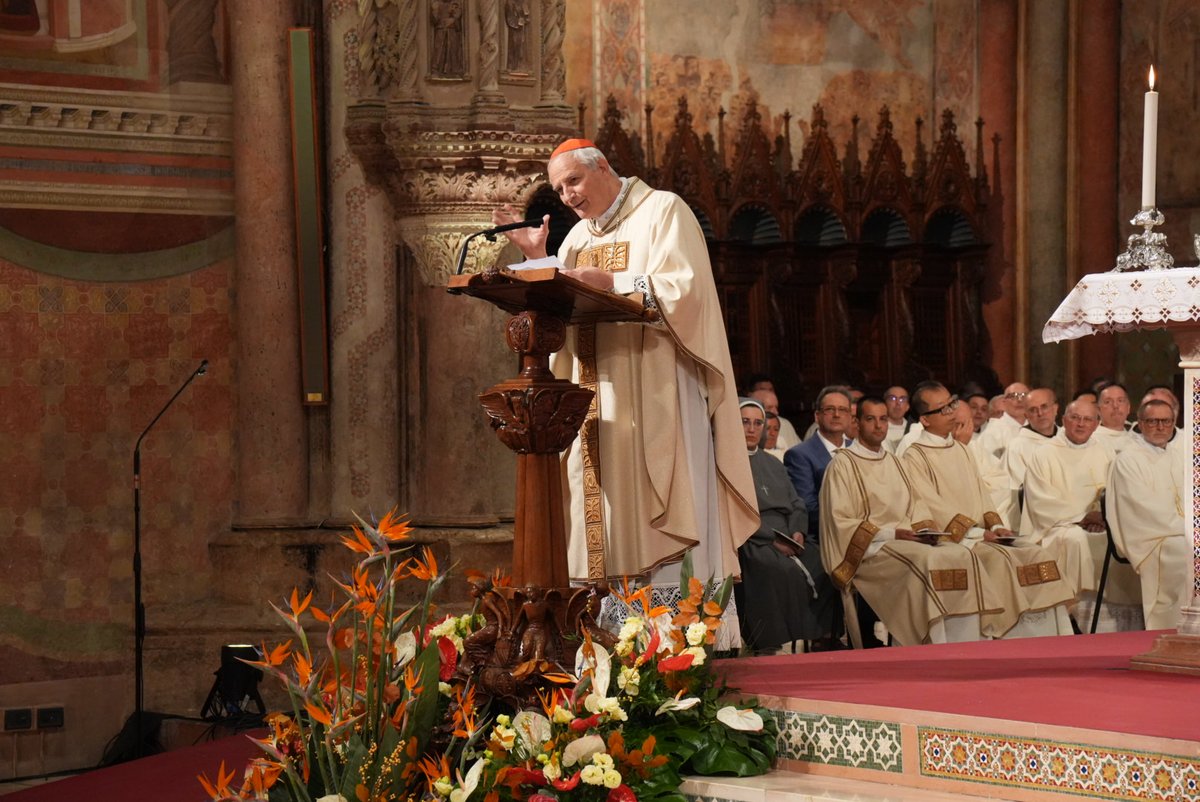
Frate Francesco disarma il lupo chiamandolo 𝑓𝑟𝑎𝑡𝑒, perché ha disarmato le mani e il cuore… Ci ricorda che la guerra non è un destino e la pace comincia da noi ed è l’unico futuro possibile (card. Matteo Zuppi).
Le 26 septembre 2026, lors de sa visite à l’Institut catholique de Paris, le pape a reçu des Carmes une édition originale de 1694 des écrits de frère Laurent de la Résurrection, religieux carme du XVIIe siècle.
Aujourd'hui, en ce huitième centenaire de sa mort, je souhaite évoquer un ouvrier qui a œuvré avec fruit dans la vigne du Seigneur : saint François d’Assise, à qui Jésus demanda de réparer son Église.
Saint Modeste de Trèves 🇩🇪
Évêque de Trèves au Ve siècle, saint Modeste annonça le Christ dans une Gaule bouleversée par les grandes invasions et les changements de pouvoir.
Peu de détails sur sa vie nous sont parvenus, mais ses reliques sont toujours vénérées à Trèves ✝️
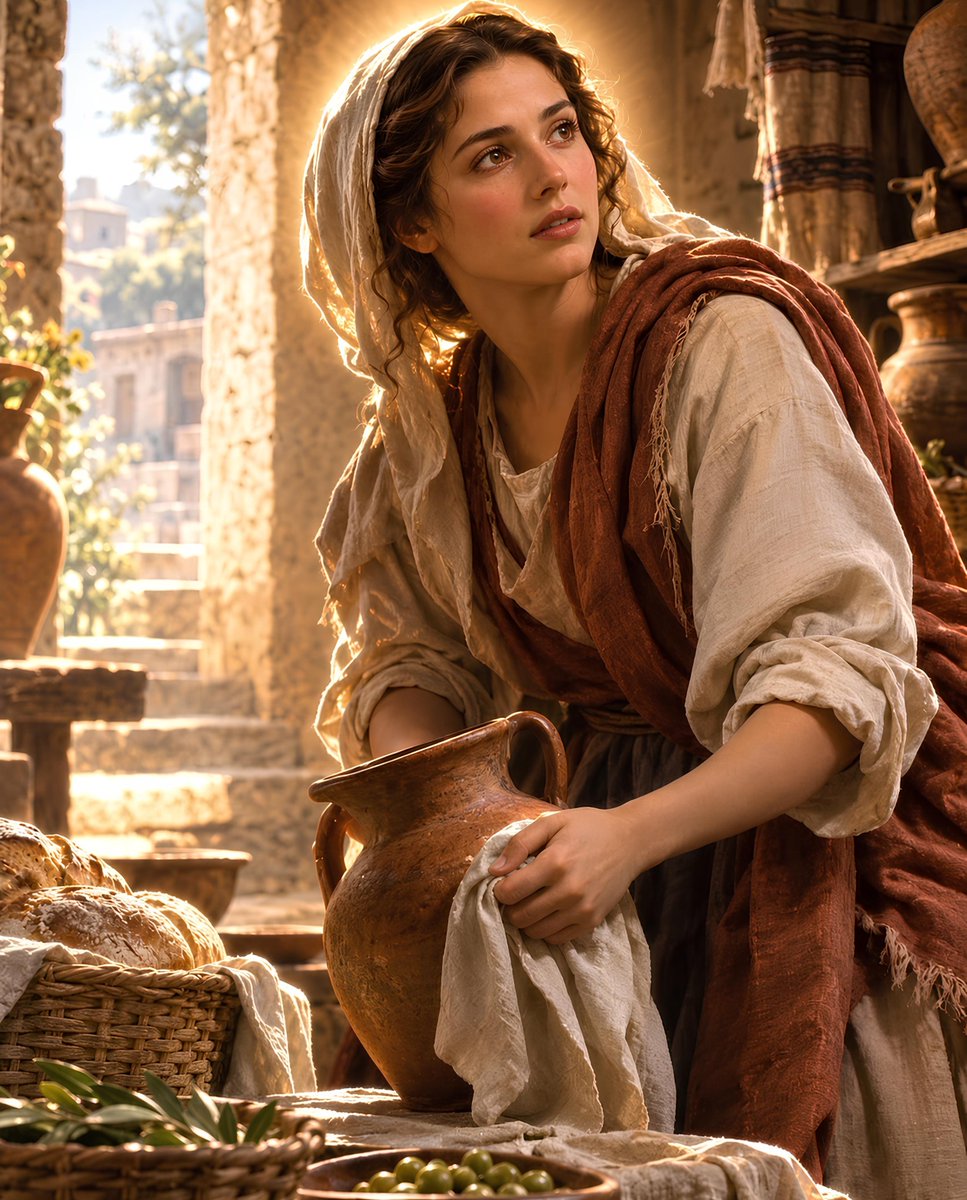
Sainte Marthe de Béthanie 📜
Elle ne se contente pas de pleurer son frère Lazare : elle interpelle Jésus, l’interroge sur la mort et affirme sa foi.
Alors Jésus lui confie l’une des paroles les plus bouleversantes de l’Évangile : « Je suis la résurrection et la vie. » ✝️
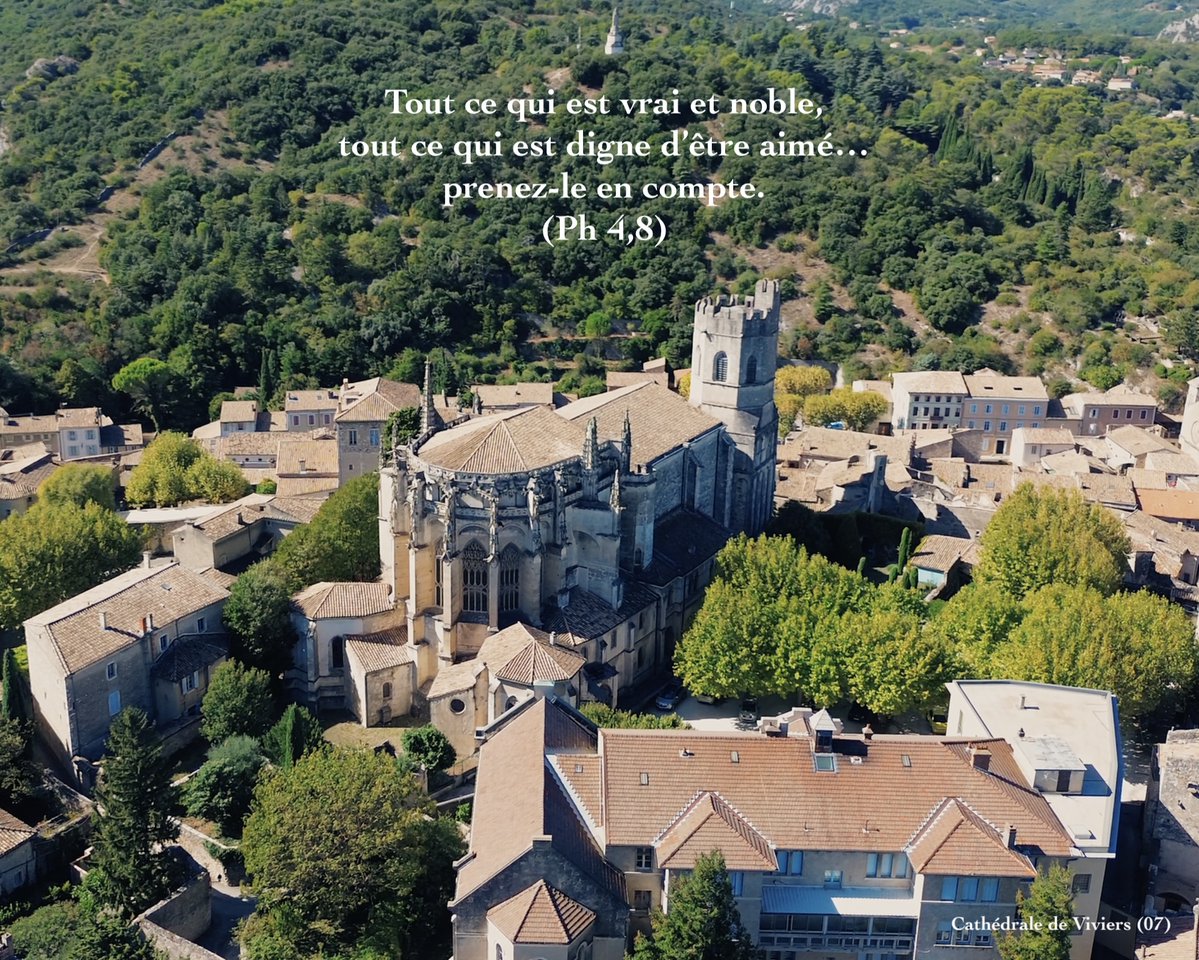
Ph 4,8 Tout ce qui est vrai et noble, tout ce qui est juste et pur, tout ce qui est digne d’être aimé et honoré… prenez-le en compte. #lectio « Cultiver un lien fraternel avec ceux qui ne partagent pas notre foi contribue à la construction de la société. » (Léon XIV en France)
« C’est la paix du Christ ressuscité, une paix désarmée et désarmante, humble et persévérante. Elle vient de Dieu, Dieu qui nous aime tous inconditionnellement. » ✝️
Léon XIV, 8 mai 2025, Loggia centrale de la basilique Saint-Pierre 🇻🇦
N’avez-vous jamais lu dans les Écritures :
La pierre qu’ont rejetée les bâtisseurs
est devenue la pierre d’angle :
c’est là l’œuvre du Seigneur,
la merveille devant nos yeux !
Mt 21, 42
@K1000Journalist@presdl Je suis une vieille et je comprends l’angoisse, car j’ai vécu dans une période de chômage (et mine de rien, cela diminue la retraite). Alors s’il y a la guerre en plus…
@AmelieFish J’ai toujours un problème avec cet évêque. Quand on a sali ses mains en blessant à vie un enfant, la consécration eucharistique devient à mon sens une profanation. Comment ne pas le comprendre ?