China has 1.4 billion people. Yet they eliminated extreme poverty by 2020. Let that sink in.
They built 48,000km of high-speed rail, more than the rest of the world COMBINED. Bullet trains gliding at 350km/h connect every major city. Beijing to Shanghai, 1,300km, costs about $50, cheaper than crossing Lagos in traffic on some days from island to mainland via uber.
In the Qinghai desert sits the world’s largest solar farm, panels stretching to the horizon, generating power for millions. The Talatan project covers an area bigger than some entire cities. They installed more solar in 2024 alone than the US has installed in its ENTIRE history.
Off the coast of Fujian, massive offshore wind turbines taller than 80-storey buildings, some with blades longer than a football pitch, spin silently above the sea, powering millions of homes carbon-neutral.
A single one of these giants generates enough electricity in a day to power 170,000 households.
8 of the world’s 10 longest bridges are Chinese. The Hong Kong-Zhuhai-Macau Bridge runs 55km across open sea — a feat of engineering Western nations called impossible. The Danyang-Kunshan Grand Bridge stretches 165km. They build in years what takes others decades.
BYD overtook Tesla in 2024. EVs start at $10K. Robotaxis without drivers cruise the streets of 7 cities. Humanoid robots assemble cars, deliver packages, serve coffee.
Shenzhen, a fishing village 40 years ago is now a futuristic skyline of drones, AI and skyscrapers that rivals Manhattan.
Sun and salt in the desert generating power. Wind and waves at sea generating electricity. Maglev trains floating on magnetic rails. Cities built from nothing in a decade.
Meanwhile, resource-rich countries with a fraction of the population sit in darkness, debt, and decay.
So how?
How does a nation of 1.4 billion pull this off while countries with more resources, fewer mouths to feed and centuries of head-start are still stuck?
How do they move this fast, build this big, dream this far?
What are they doing that we aren’t?
HOW TO PAY YOURSELF AS A SMALL BUSINESS OWNER
I came across this online, and since I’ve tried it myself, I can confidently recommend it to any small business owner (SBO) struggling with cash flow.
One major mistake most SBOs make is running business transactions through their personal accounts. This rookie mistake often leads to overspending and poor financial control. To avoid this, you must have two separate accounts: one for your business and one for personal use.
All business expenses should be paid strictly from the business account. This makes it easier to monitor expenses and accurately determine your profit margin at the end of a given period.
I also recommend using a simple Excel template to record and track your revenue and expenses daily. This way, you can easily assess the financial health of your business at a glance.
At the end of the month, after deducting all expenses, such as staff salaries, raw materials, supplies, staff motivation, transportation, marketing, taxes, miscellaneous costs, etc., from your revenue, whatever remains is your income.
This is where many SBOs become lazy and undisciplined. They start spending the income recklessly because they believe they can always make the money back and don’t answer to anyone. After all, it’s “their money.”
You can not have this mindset if you plan to grow and expand your business.
Instead, do this:
1. Pay yourself 50% of the income as an employee
There is you, and there is your business. Treat your business as a separate entity. When closing your books for the month, pay yourself a salary just as you pay your staff. Transfer this 50% into your personal account. This should cover your personal savings, expenses, and enjoyment.
2. Reinvest 30% of the income back into the business
This does not have to be spent immediately if there’s nothing urgent to purchase. You can set it aside until it’s enough to acquire new equipment or fund business growth. Just ensure the money is strictly reserved for the business.
3. Use 10% to pay off debt or business loans
If your business is debt-free, you can add this percentage to your business savings.
4. Save 10% in an interest-yielding platform
This savings is for your business, not your personal savings. Over time, it helps build financial stability and future expansion capacity.
I hope this helps someone out there. Financial discipline is especially challenging when you run a business that brings in daily income, but it’s also what separates sustainable businesses from struggling ones.
22 different signs your body is deficient in nutrients and what to do:
1. A white spot on the nail
• Get plenty of zinc
• Stop eating sugar
2. Oily skin
• Get plenty of zinc
• Control your blood sugar levels
3. Cracking on the corners of the mouth or heels
• Get plenty of B vitamins (nutritional yeast)
• Get plenty of vitamin D
4. Flaking skin
• Get plenty of omega-3 fatty acids (cod liver oil)
• Reduce your omega-6 fatty acids
5. Yellow eyes
• Get plenty of purified bile salts
6. Chronic cough
• Get plenty of calcium lactate
7. Bleeding/red gums
• Get plenty of vitamin C
• Avoid sugar
8. Poor night vision
• Get plenty of vitamin A
9. Chapped lips
• Get plenty of B vitamins (nutritional yeast)
• Avoid grains
• Avoid chapstick
10. Pitting edema
• Get plenty of potassium
11. Craving ice
• Get plenty of iron
12. Angina
• Get plenty of vitamin E
• Avoid refined grains
13. Leg/calf cramps
• Get plenty of magnesium, potassium, sodium, and B1
14. Irritability and excessive thinking
• Get plenty of B1 (nutritional yeast)
15. Asthma
• Get plenty of vitamin D
16. Loss of outer eyebrows
• Get plenty of iodine (sea kelp)
17. Tightness in the right trap muscle
• Get plenty of purified bile salts
18. Nightmares
• Get plenty of vitamin B1 (nutritional yeast)
• Avoid sugar and refined grains
19. Craving salty chips at night
• Get plenty of sea salt
20. Stiff/painful low back
• Get plenty of vitamin D
21. Erectile dysfunction
• Get plenty of zinc
22. Depression
• Get plenty of vitamin D
I don't understand why so many people want US, UK, Canadian, or German citizenship.
Here are 12 websites to find remote jobs that pay in USD worldwide:
How much does YouTube pay for a channel where you don’t show your face? Here’s a look at earnings based on views:
• 1,000 views = $5
• 10,000 views = $50
• 100,000 views = $500
• 1,000,000 views = $5,000
• 10,000,000 views = $50,000
You can get started in just 3 minutes:
The Sun is 99.8% of all mass in our solar system.
Even if you somehow burned Jupiter and everything that is not the Sun in a fusion reactor, the Sun would still round up to 100% of all energy.
The Sun is all that matters long-term.
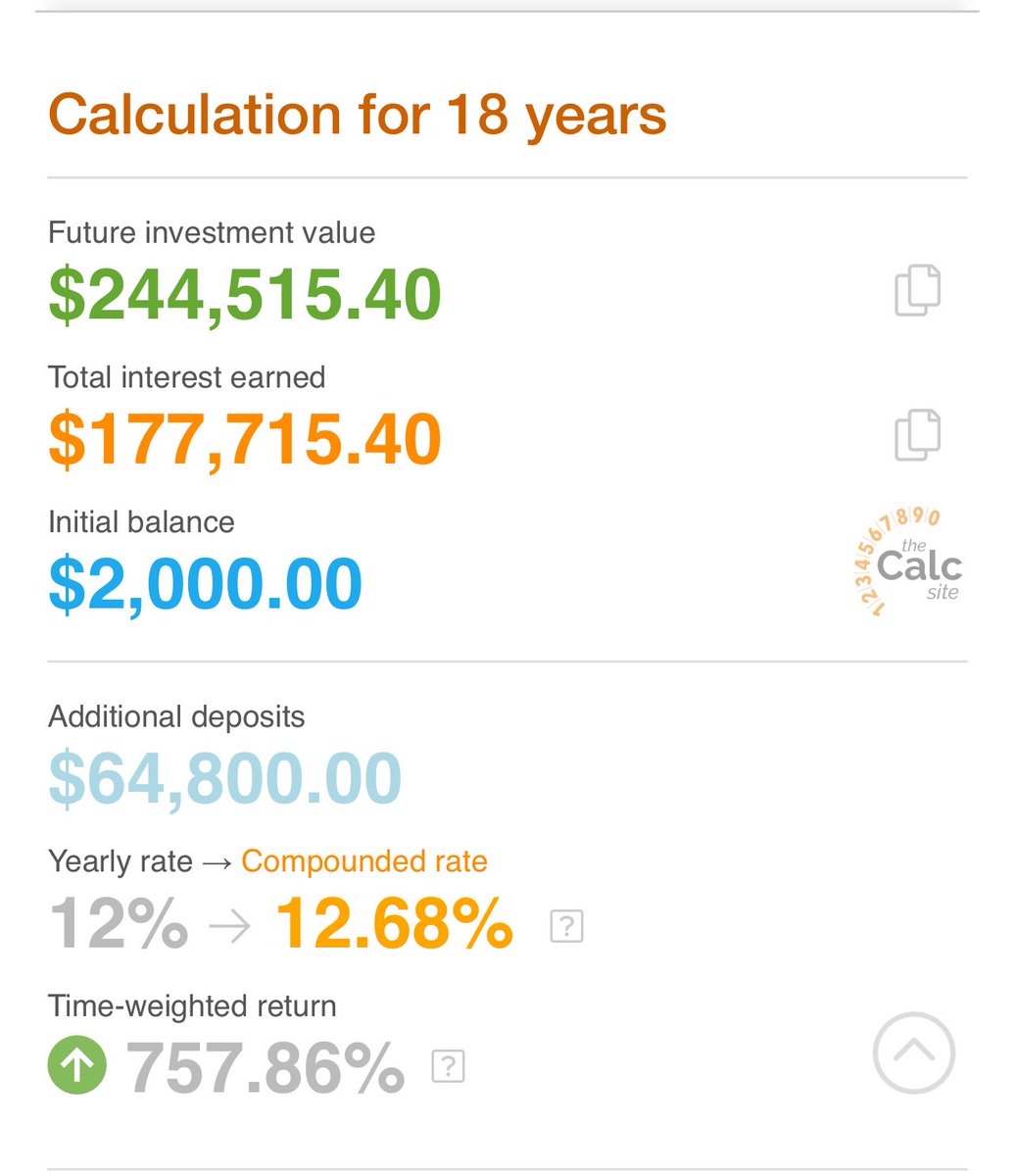
How to make your children millionaires in dollars by the age of 30 without starting a business.
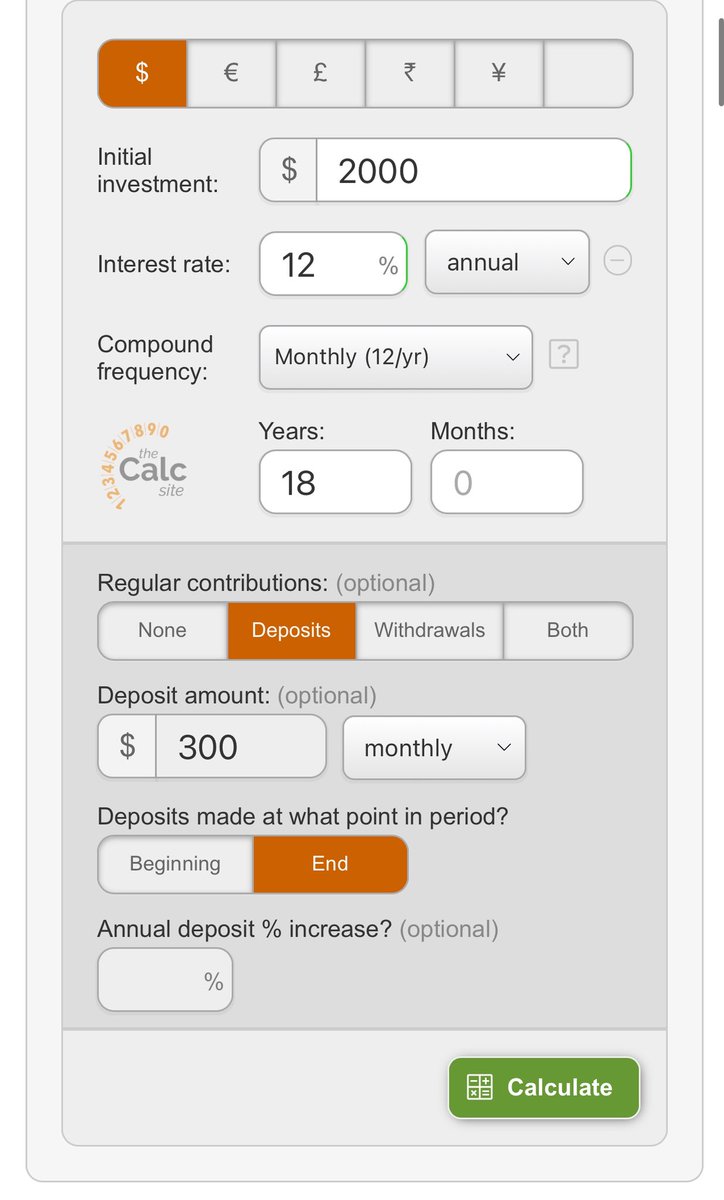
1.) Invest a deposit of $2,000
2.) Invest $300 monthly in an ETF that averages 12% in the long run
3.) Automate the amount monthly
4.) Stop contributing once they turn 18
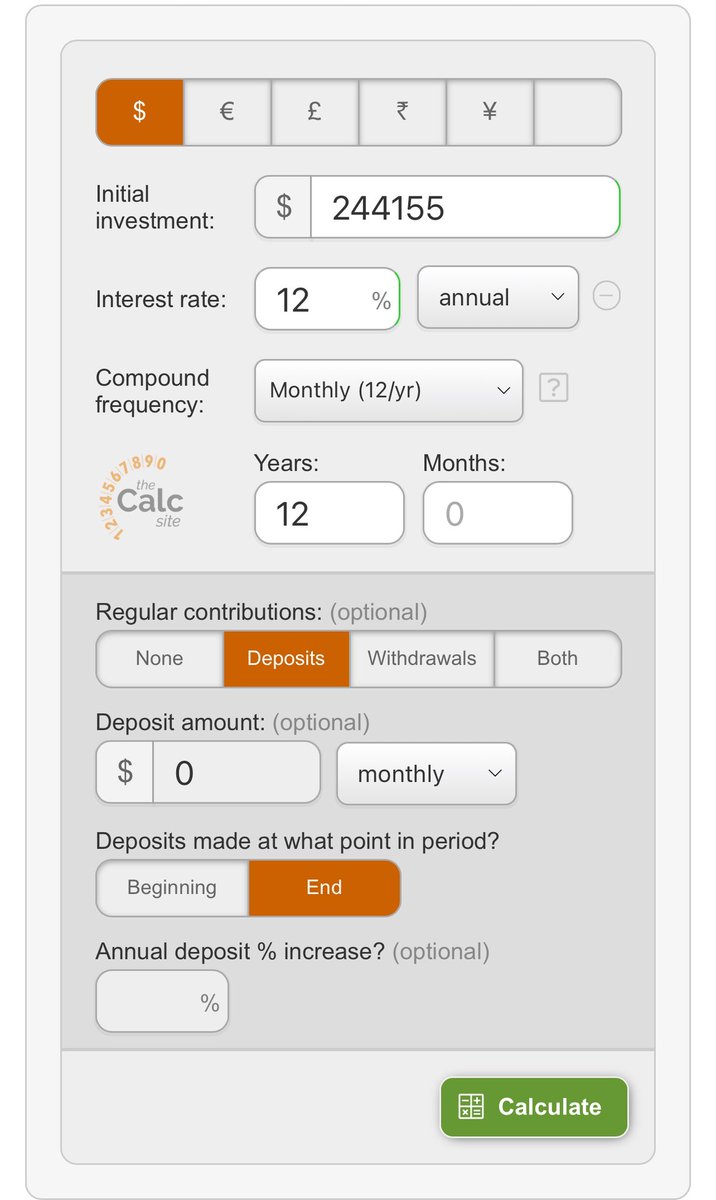
5.) Take your hands off and do nothing. Wait for another 12 years
6.) On their 30th birthday they become a millionaire in Dollars
The most fascinating thing about this is that only $66,800 was contributed. And over $955,000 earned in interest.
I’d be hosting a personal finance masterclass on the 22nd of Nov in London and I’d like to invite you. Pls kindly RT
https://t.co/u4oGT5WnMC
Genocide: “Trump Is Right to Defend Christians; China That Just Arrested 30 Christian Pastors Can’t Dictate U.S. Policy” — U.S. Lawmaker Challenges China Over Remarks on Nigeria https://t.co/8UwsTkPyd8
Recurrent Infections in Kids = Weak Diets, Not “Village People.”
African parents, let’s talk.
Every time your child catches a cold, has cough, catarrh, or malaria, you run to prayer houses.
You start shouting:
“Village people!”
“Spiritual attack!”
But the truth?
It’s not witchcraft.
It’s weak nutrition.
Recurrent infections in kids are not normal.
They are the body’s way of saying:
“I don’t have enough nutrients to defend myself.”
Your child’s immune system is like soldiers at war.
No matter how strong or brave they are, if they don’t have weapons, they’ll keep losing battles.
And the “weapons” of immunity come from food.
Protein deficiency is one of the biggest problems.
Your child can’t build immune cells from biscuits and noodles.
They need eggs, beans, fish, meat, etc.
Without these, infections keep coming back.
Then comes lack of vitamins and minerals.
Vitamin C from certain fruits and veggies like guava, lemon, broccoli, tomato etc., strengthens their immunity.
Zinc from beans, groundnuts, eggs helps fight infections.
Iron from liver and vegetables powers immune cells.
But instead, most children are being fed bread and soda every day.
Too much sugar and processed food makes things worse.
Sugar weakens the immune system for hours after eating.
That daily soda, sweets, and pastries?
They’re making your child’s body too weak to fight germs.
Seed oils and junk fats don’t help either.
All those fried snacks inflame the body and distract the immune system from doing its real job — defense.
Let’s be honest.
If the same child who eats balanced meals is falling sick less often, is that also “village people”?
Weak diets create weak immunity.
Strong diets create strong children.
Stop outsourcing responsibility to witches when the real problem is in the kitchen.
So what can you do?
— Give them eggs several times a week.
— Add vegetables to their rice and other foods.
— Replace soda with water and fresh fruit.
— Pack healthy school lunch instead of snacks, pastries and soda.
— Make sure they eat protein with every meal.
Because medicine helps them recover…
But nutrition decides whether they keep falling sick.
So next time your child catches the third infection this term, ask yourself:
Is it truly “village people”?
Or is it that their diet is too weak to defend them?
Recurrent infections in kids = weak diets, not “village people.”
Don't forget to reach out for a diet plan. Share and tag your friends.