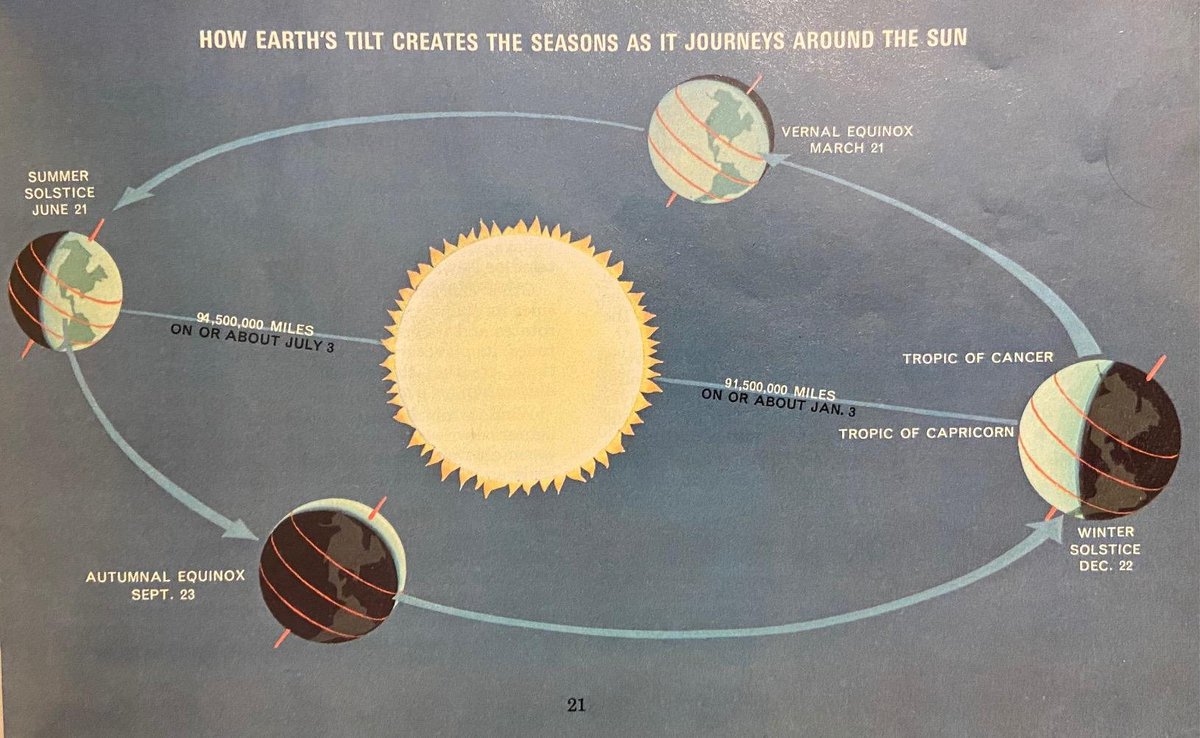
The original purpose of standardizing time was to establish consistent timekeeping based on longitude and the Earth's rotation - not to manipulate the clock to make daylight appear later in the evening. In other words, the Sun doesn't read our clocks, and it has never shown much interest in Daylight Saving Time!
There's a summer solstice and there's a winter solstice. In summer daylight is longer, in winter shorter. You can't save daylight. A rooster knows this. Our body clocks are attuned to wake up at sunrise.
Brings my conductor days to mind. I have a vivid memory of a station stop on Amtrak # 21 at Temple, Texas in the '80s. It was midnight and it was about 15 or 20 degrees. It was either Christmas or New Year's Day. I've never felt lonelier in my life. This brings back some haunting memories.
https://t.co/3dgbfaBSjs
And the sons of Pullman porters, and the sons of engineers
Ride their fathers' magic carpets, made of steel
And mothers with their babes asleep, are rockin' to the gentle beat
And the rhythm of the rails is all they feel
Grackle (Quiscalus quiscula). Common in these parts, grackles appear black from a distance, but up close their glossy purple heads contrast with bronzy-iridescent bodies. A bright golden eye gives grackles an intent expression.
Grackles give off a blinding iridescent purple sheen when the sun hits them at the right angle.
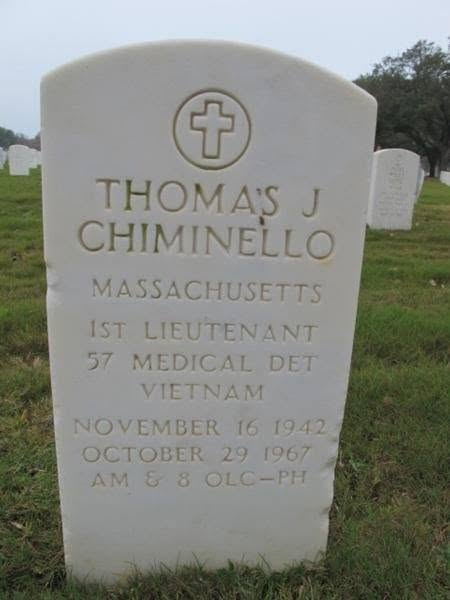
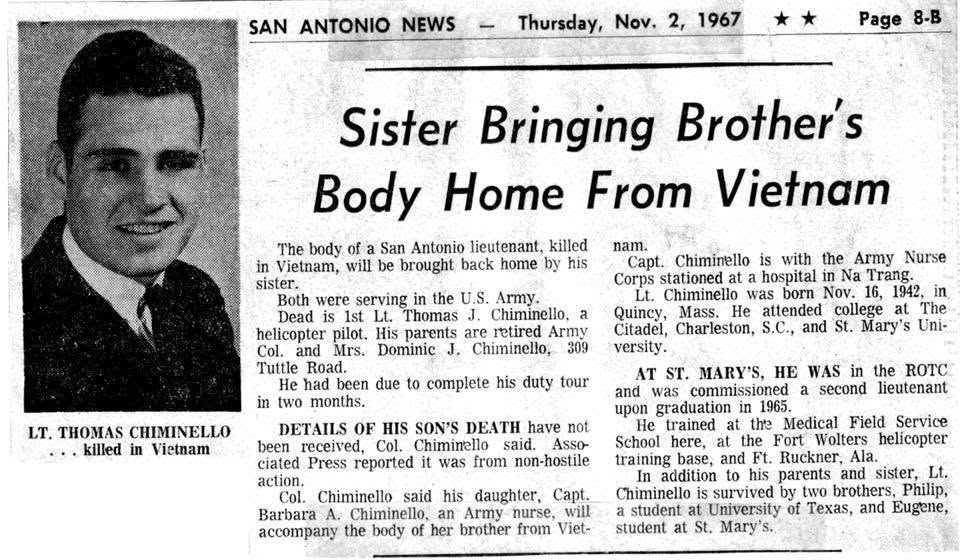
In remembrance: Thomas James Chiminello, a St. Mary’s University friend who died in Vietnam. Requiescat in pace. Tom's sister Barbara accompanied his body home where he was buried at Fort Sam.
Schopenhauer?
Schopenhauer's contempt for Hegel arose from both a profound philosophical disagreement and an intensely personal rivalry. He regarded Hegel's philosophy as obscure, pretentious, and deliberately unintelligible—a grandiose system of empty abstractions masquerading as profound thought. To Schopenhauer, Hegel was not a genuine philosopher seeking truth but an academic opportunist who tailored his pronouncements to please the intellectual and political establishment.
The personal animosity was aggravated by Schopenhauer's conviction that Hegel was intellectually inferior yet enormously overrated. In a particularly spiteful gesture, Schopenhauer scheduled his own lectures at the University of Berlin opposite Hegel's, expecting to attract students away from him. Almost nobody came. Hegel's lectures were packed; Schopenhauer's were virtually empty. The humiliation only deepened his hostility.
At bottom, Schopenhauer saw Hegel as the embodiment of everything he despised about academic philosophy: obscurantism, intellectual vanity, careerism, and the substitution of elaborate systems for honest philosophical inquiry.
John Simon on why we should never stop reading:
Now the good critic is, first and foremost, a teacher. One problem, among many, with our education is that ends. After a certain number of years, always too few, the last textbook is shut, the door closes on the last classroom, and we are free - free not only to desist from all further learning, but also to forget what we learned so far. How many of us can pass up such a golden opportunity? This is where the critic comes in in. With cogency, suasion, passion, charm, he induces us to think, to widen our horizons, to open yet another book, to reconsider a snap judgment, to see something from a loftier vantage point, in historic perspective, and using more and truer touchstones. Good criticism of any kind . . . makes us think, feel, respond; if we then agree or disagree is less important than the fact that our faculties have been engaged and stretched. Good criticism informs, interprets, and raises the ultimate questions, the unanswerable ones that everyone must try to answer none the less. This is teaching of the highest order.
"Nothing goes to the heart of a man so much as to speak to him in his own patois."
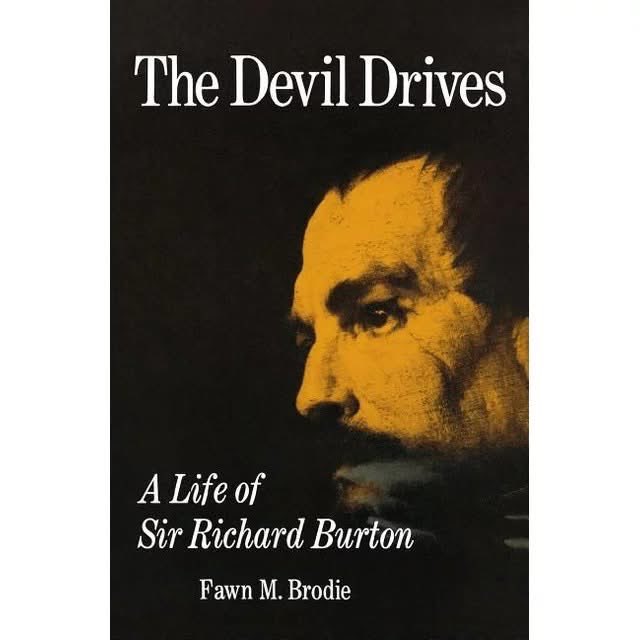
Sir Richard Francis Burton
A master linguist, the most common claim is he was fluent in over 20 languages, as well as having some working grasp of a number of other languages & dialects.
Starting in a hollowed log of wood — some thousand miles up a river, with an infinitesimal prospect of returning! I ask myself 'Why?' and the only echo is 'damned fool!... the Devil drives'.
Sir Richard Francis Burton
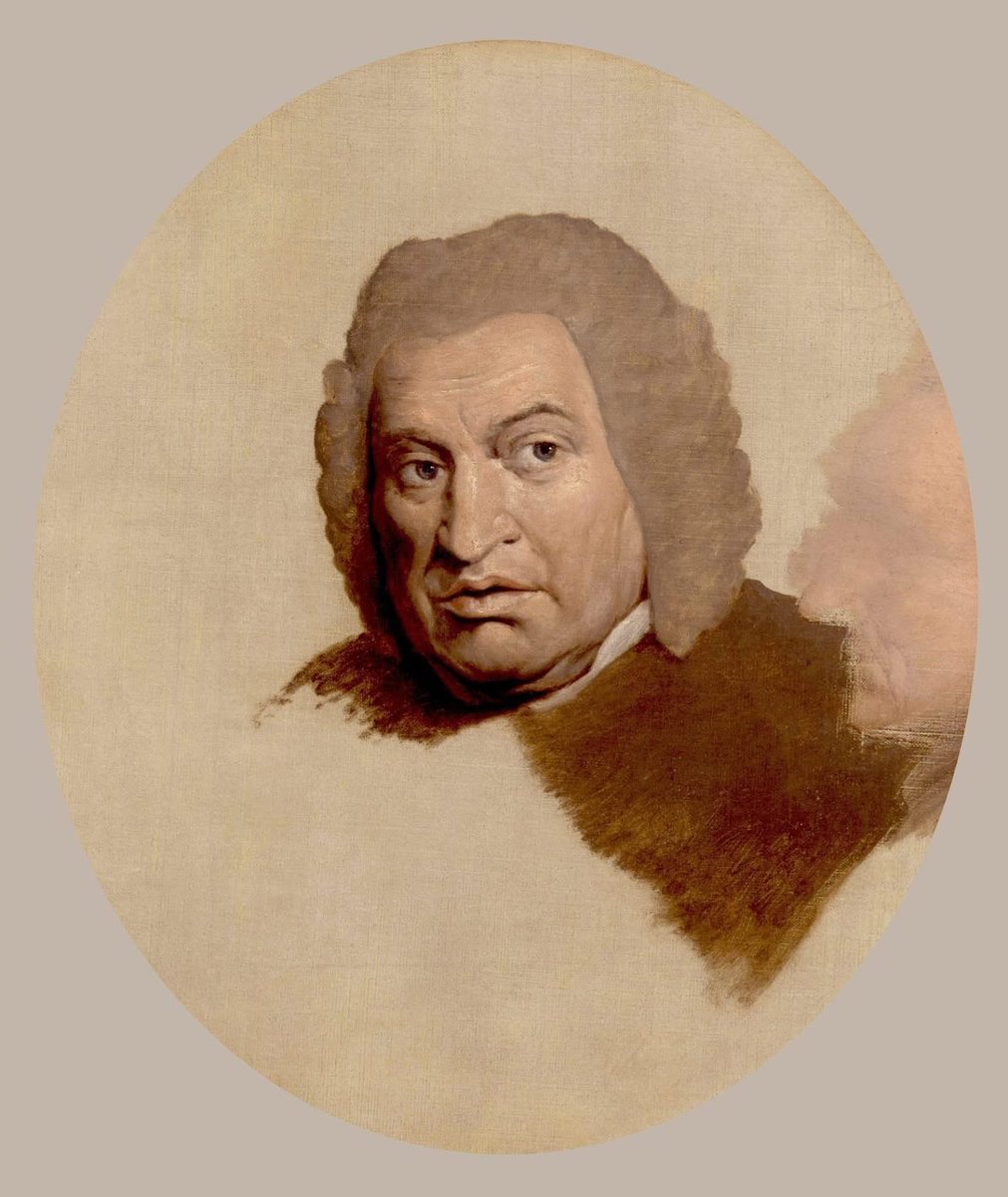
In a 1779 letter to James Boswell, Samuel Johnson advised:
“The great direction which [Robert] Burton has left to men disordered like you, is this: Be not solitary; be not idle—which I would thus modify: If you are idle, be not solitary; if you are solitary, be not idle.”
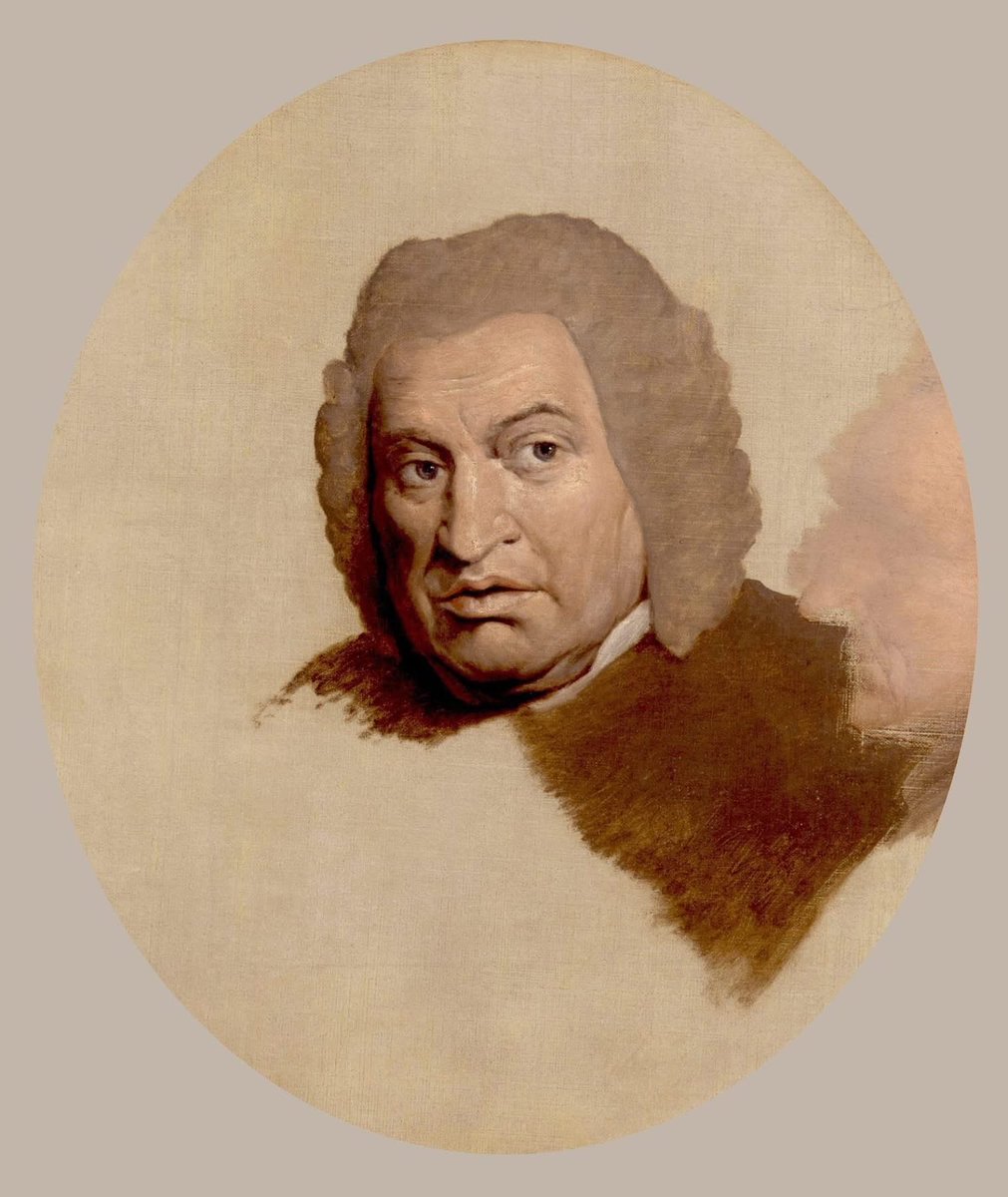
In a 1779 letter to James Boswell, Samuel Johnson advised:
“The great direction which [Robert] Burton has left to men disordered like you, is this: Be not solitary; be not idle—which I would thus modify: If you are idle, be not solitary; if you are solitary, be not idle.”
Have you ever had one of those damp, drizzly Novembers in your soul?
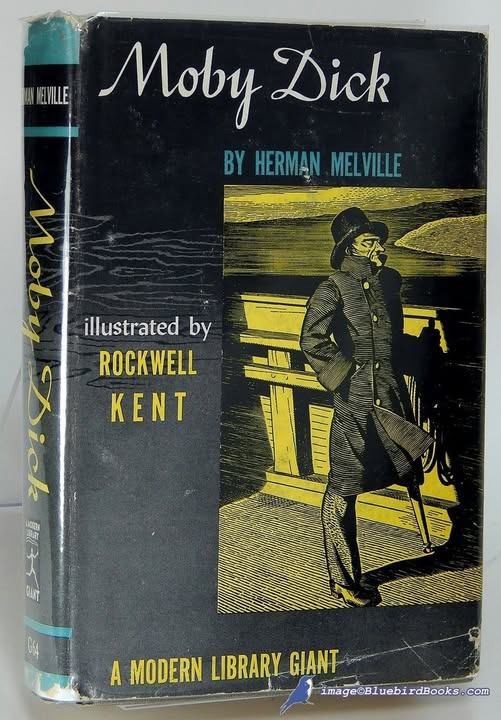
"Some years ago - never mind how long precisely - having little or no money in my purse, and nothing particular to interest me on shore, I thought I would sail about a little and see the watery part of the world. It is a way I have of driving off the spleen, and regulating the circulation. Whenever I find myself growing grim about the mouth; whenever it is a damp, drizzly November in my soul; whenever I find myself involuntarily pausing before coffin warehouses, and bringing up the rear of every funeral I meet; and especially whenever my hypos get such an upper hand of me, that it requires a strong moral principle to prevent me from deliberately stepping into the street, and methodically knocking people's hats off - then, I account it high time to get to sea as soon as I can. This is my substitute for pistol and ball. With a philosophical flourish Cato throws himself upon his sword; I quietly take to the ship."
Herman Melville
Father Mapple rose, and in a mild voice of unassuming authority ordered the scattered people to condense. “Star board gangway, there! side away to larboard- larboard gangway to starboard! Midships! midships!”
“Shipmates, this book, containing only four chapters- four yarns- is one of the smallest strands in the mighty cable of the Scriptures. Yet what depths of the soul Jonah’s deep sealine sound! what a pregnant lesson to us is this prophet! What a noble thing is that canticle in the fish’s belly! How billow-like and boisterously grand! We feel the floods surging over us, we sound with him to the kelpy bottom of the waters; sea-weed and all the slime of the sea is about us! But what is this lesson that the book of Jonah teaches? Shipmates, it is a two-stranded lesson; a lesson to us all as sinful men, and a lesson to me as a pilot of the living God. As sinful men, it is a lesson to us all, because it is a story of the sin, hard-heartedness, suddenly awakened fears, the swift punishment, repentance, prayers, and finally the deliverance and joy of Jonah. As with all sinners among men, the sin of this son of Amittai was in his wilful disobedience of the command of God- never mind now what that command was, or how conveyed- which he found a hard command. But all the things that God would have us do are hard for us to do- remember that- and hence, he oftener commands us than endeavors to persuade. And if we obey God, we must disobey ourselves; and it is in this disobeying ourselves, wherein the hardness of obeying God consists."
Moby Dick - The Sermon
Brings Kierkegaard to mind:
"There is something almost cruel about the Christian's being placed in a world which in every way wants to pressure him to do the opposite of what God bids him to do."
Orson Welles as Father Mapple