Interested in designing stronger multi-defect shells by controlling the size of their most severe imperfection? Check out our recent work on how the worst defect dictates shell buckling w/ Florian C., @arefeh_abbasi, @DongYan_Mech & @flexlab_epfl: preprint https://t.co/QNwWfUholE
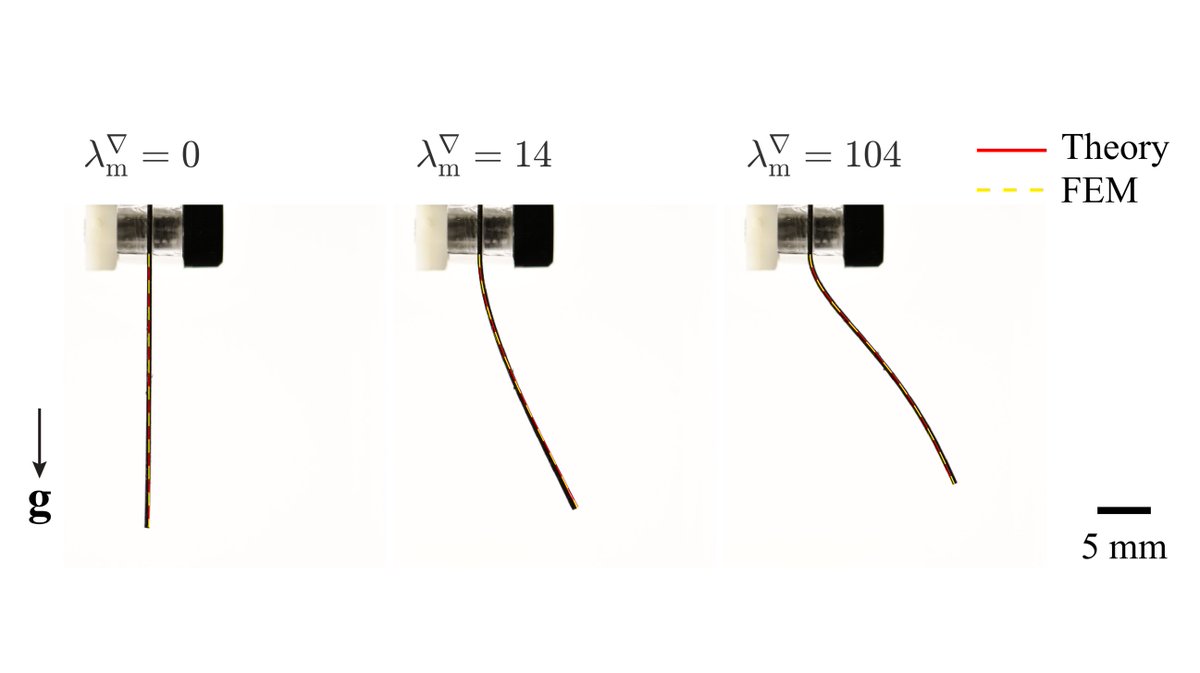
More on the theme of magneto-elastic structures: we also submitted this paper on hard-magnetic beams in 2D deformation. We build upon the pioneering work of Shawn Chester & @ProfZhaoMIT on MREs to now consider gradient fields. Work by the mechgicians @DongYan_Mech@arefeh_abbasi
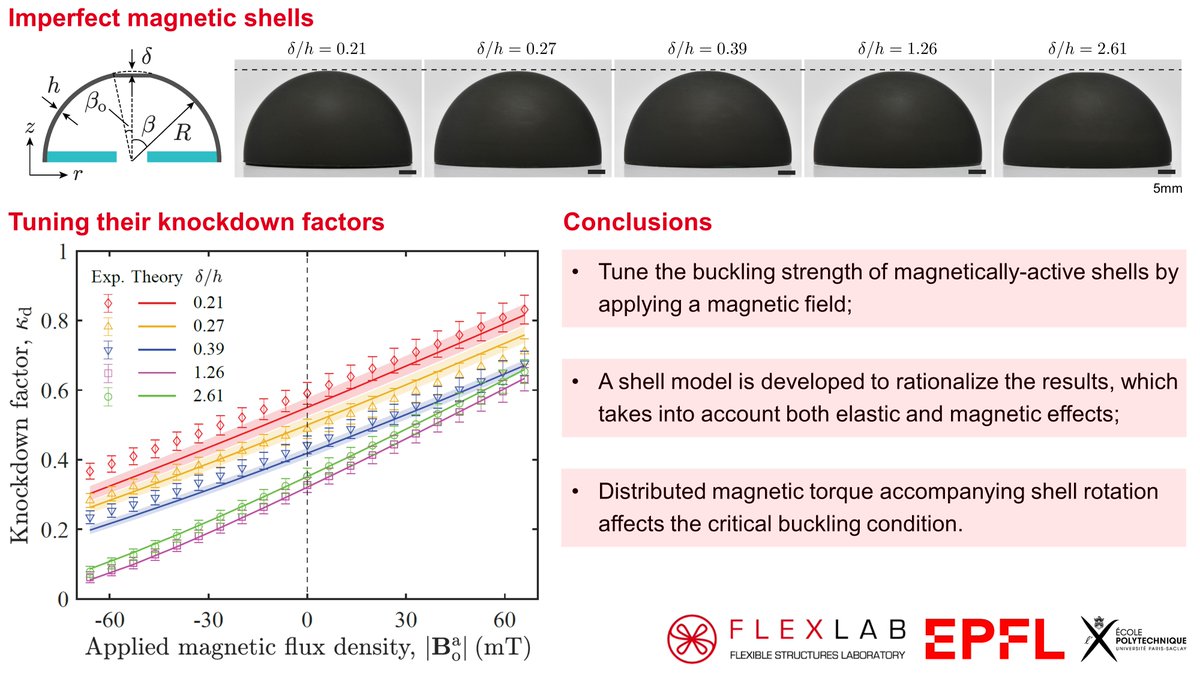
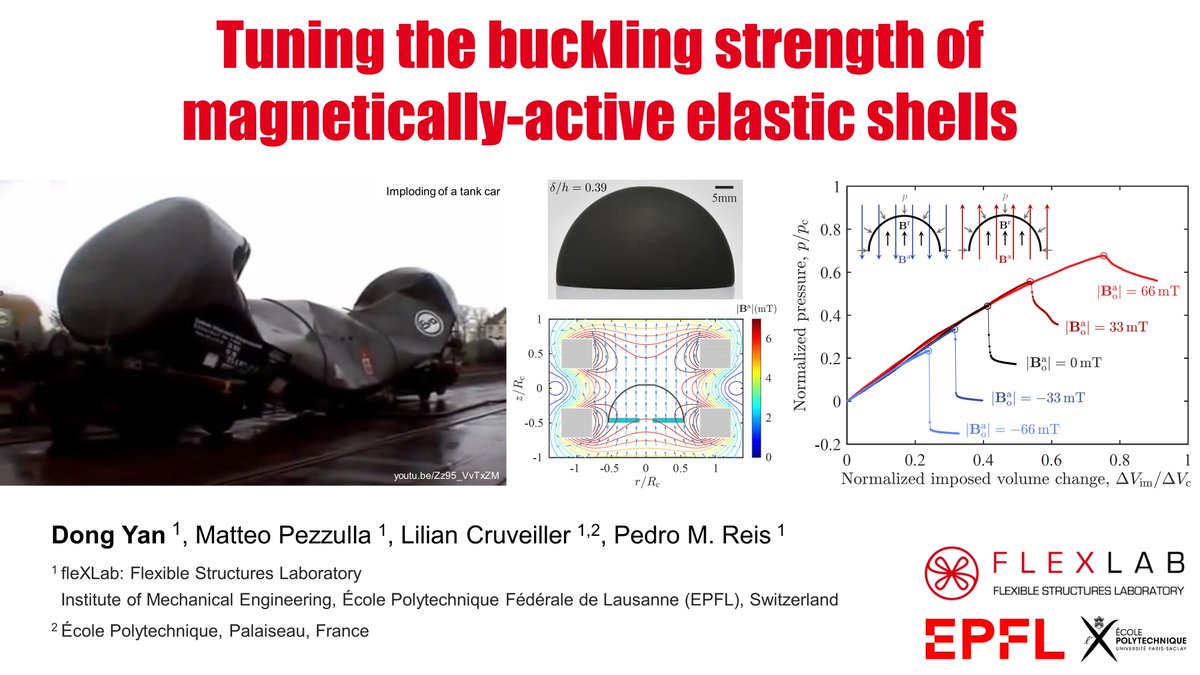
Shell buckling is catastrophic & predicting the critical conditions is a longstanding problem in Mechanics. In a recent paper (https://t.co/I9nfYTYivp), we show that a shell's buckling strength can be ‘domesticated’ by coupling mechanics & magnetism. More info below: 👇1/n
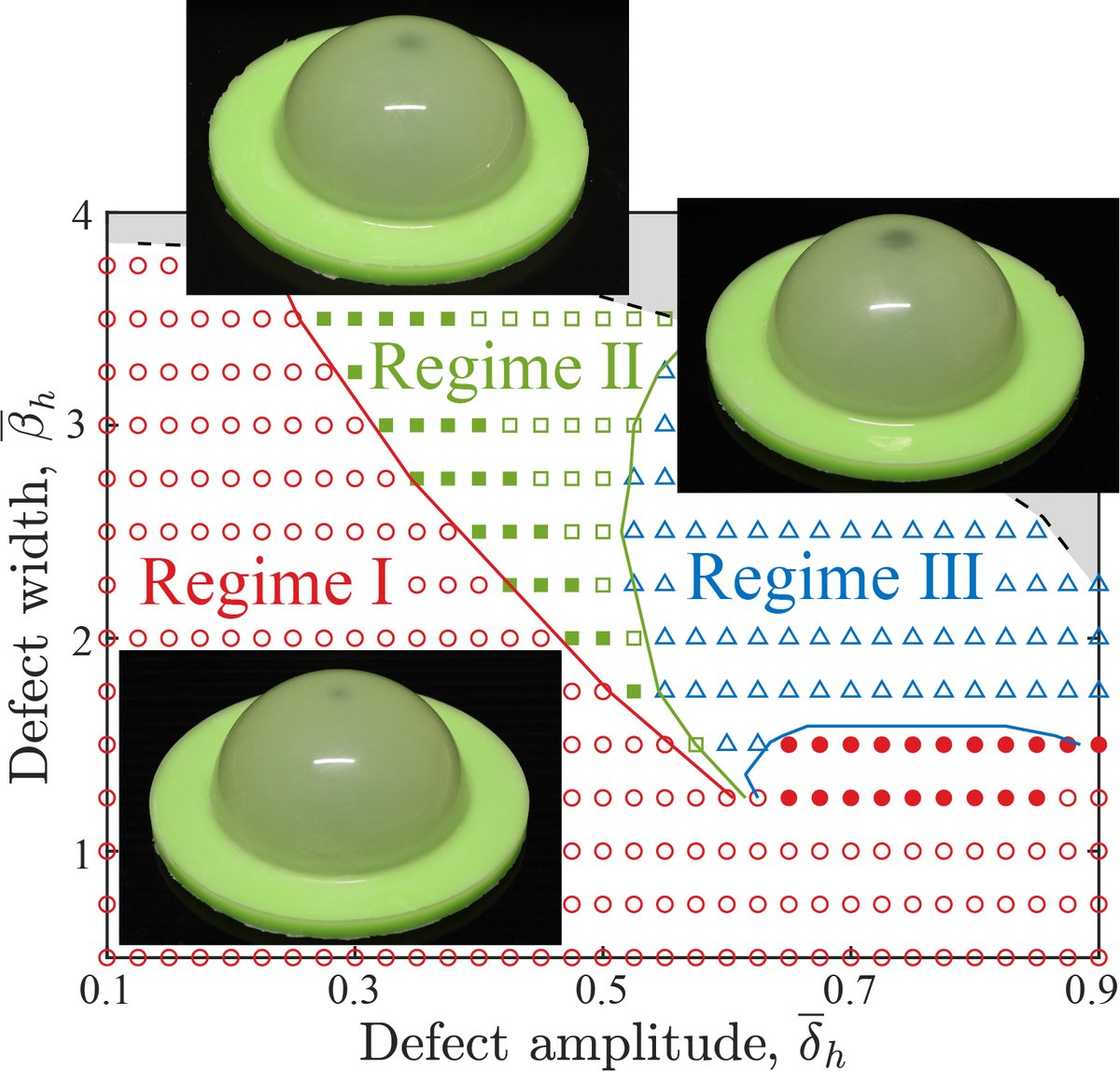
Dear Mechanics Twitter: Check out my latest JMPS paper w/ colleagues from the @flexlab_epfl@epfl_en. We study the critical buckling of a pressurized imperfect shell, containing a through-thickness (thin region) defect. Rich phase diagram! @EPFLEngineering
https://t.co/hXZeNztv8y
My APS March Meeting talk:
Tuning the buckling strength of magnetically-active elastic shells
by Dong Yan, Matteo Pezzulla, Lilian Cruveiller, and Pedro M. Reis
@saxenaprshnt Thanks Prashant! I like your work on magnetic membranes. Very interesting! We are writing a paper on magnetic shells. I will give a talk in the DSOFT virtual March meeting this afternoon. The schedule is here https://t.co/KZ9MHwHoPV . Feel free to join if you are interested.
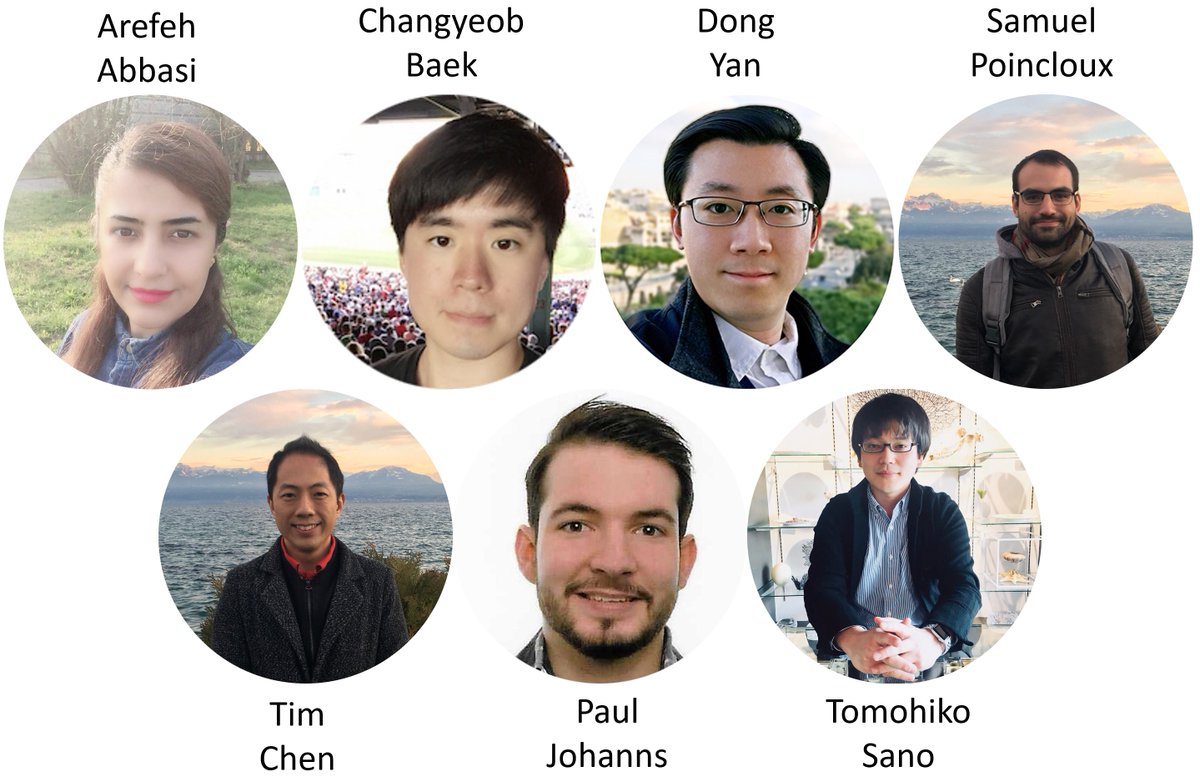
Canceling this week's APS March Meeting in Denver was unprecedented & a bucket of cold water for many students, postdocs, & researchers, who had worked very hard to prepare their talks. Here are the 7 members from our lab who were scheduled to talk, along with their title slides.
(3/3) The proposed mechanism is robust and insensitive to geometric imperfections. The tuning of knockdown factors is rationalized through a theoretical model that predicts the buckling strength of axisymmetric magnetic shells, in quantitative agreement with experiments.
(2/3) By adjusting the polarity and flux density of the applied external magnetic field, the buckling strength of our magnetically-active shells under pressure loading can be increased or decreased, on demand by up to +/- 30%.
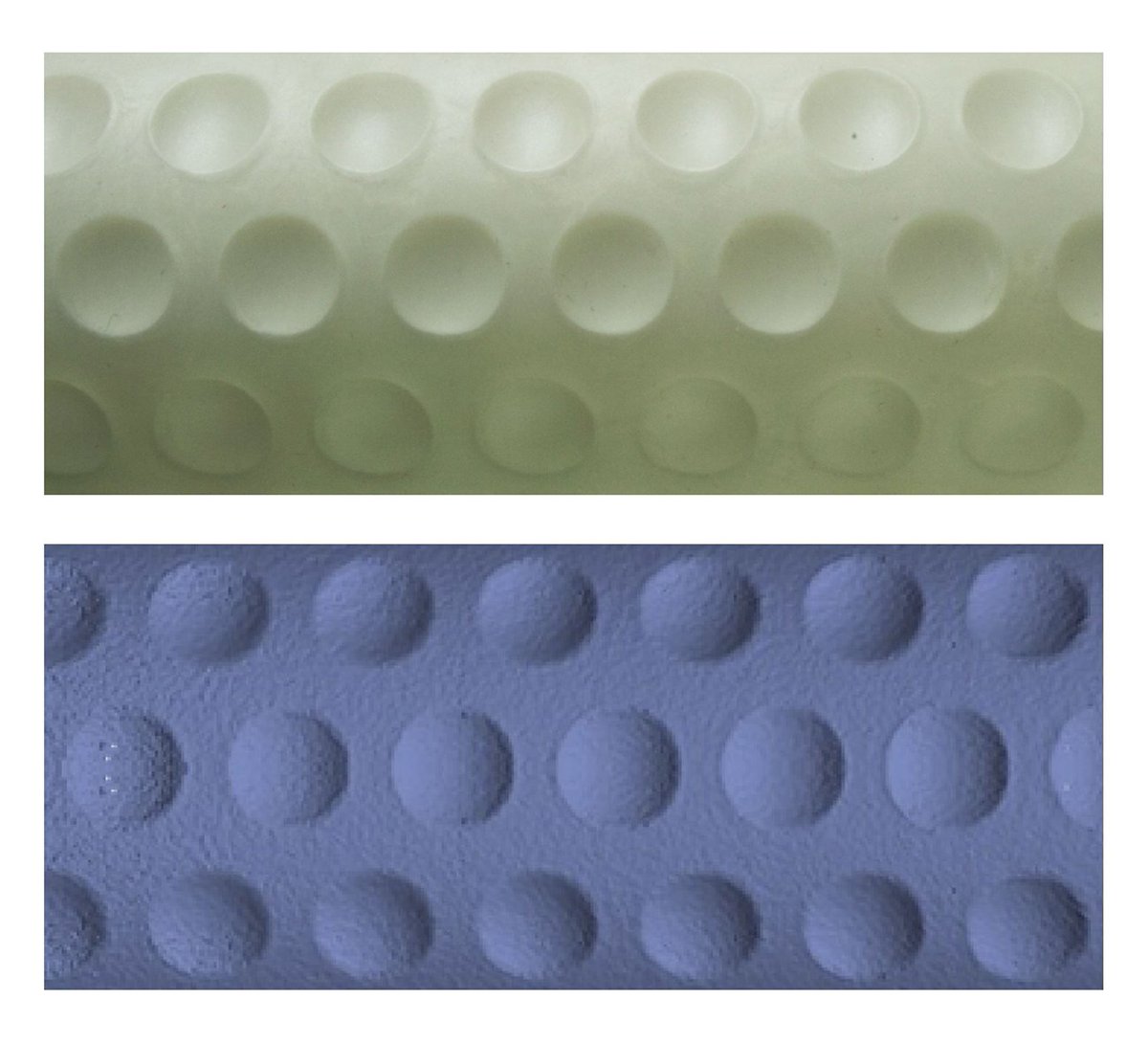
Want to see how the aerodynamic drag profile of a patterned cylinder (versus Reynolds number) can be *programmed* on-demand by pneumatic tuning of its topography? Check out the latest paper from our group by Mark Guttag and Dong Yan @DongYan90048978 https://t.co/7vhoF9lHLJ