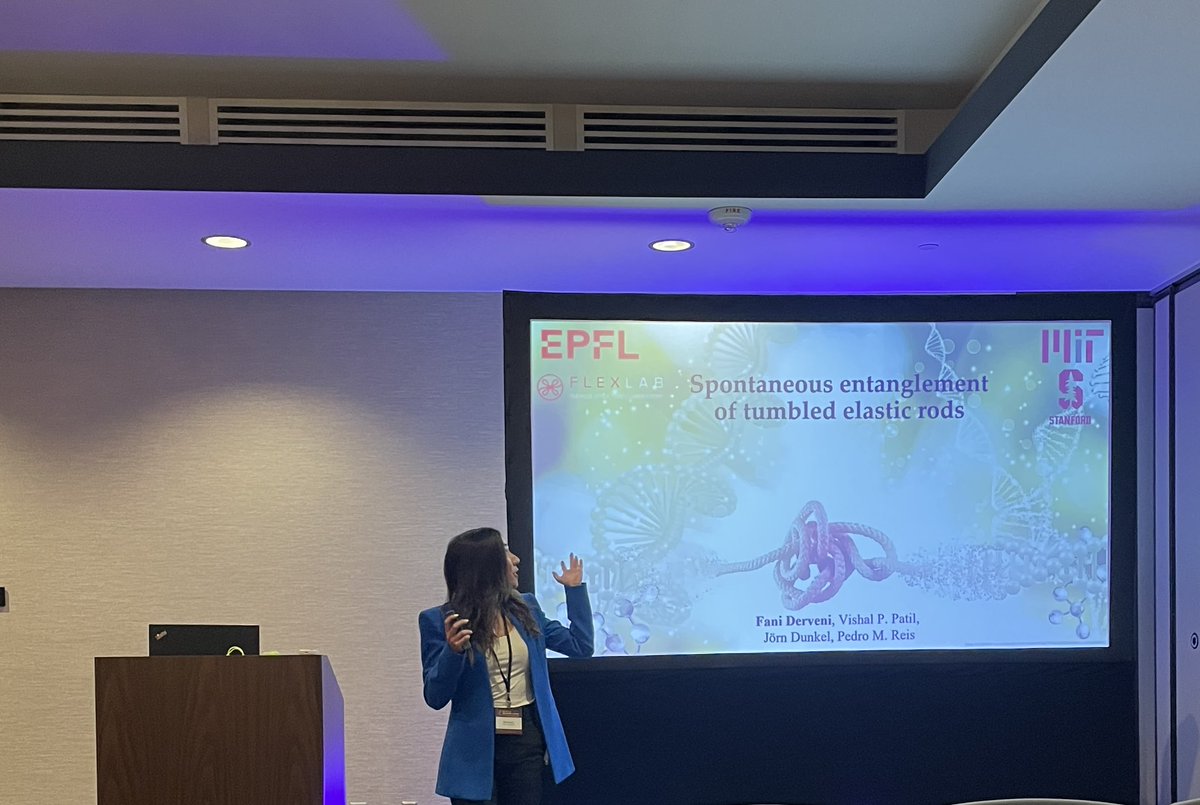
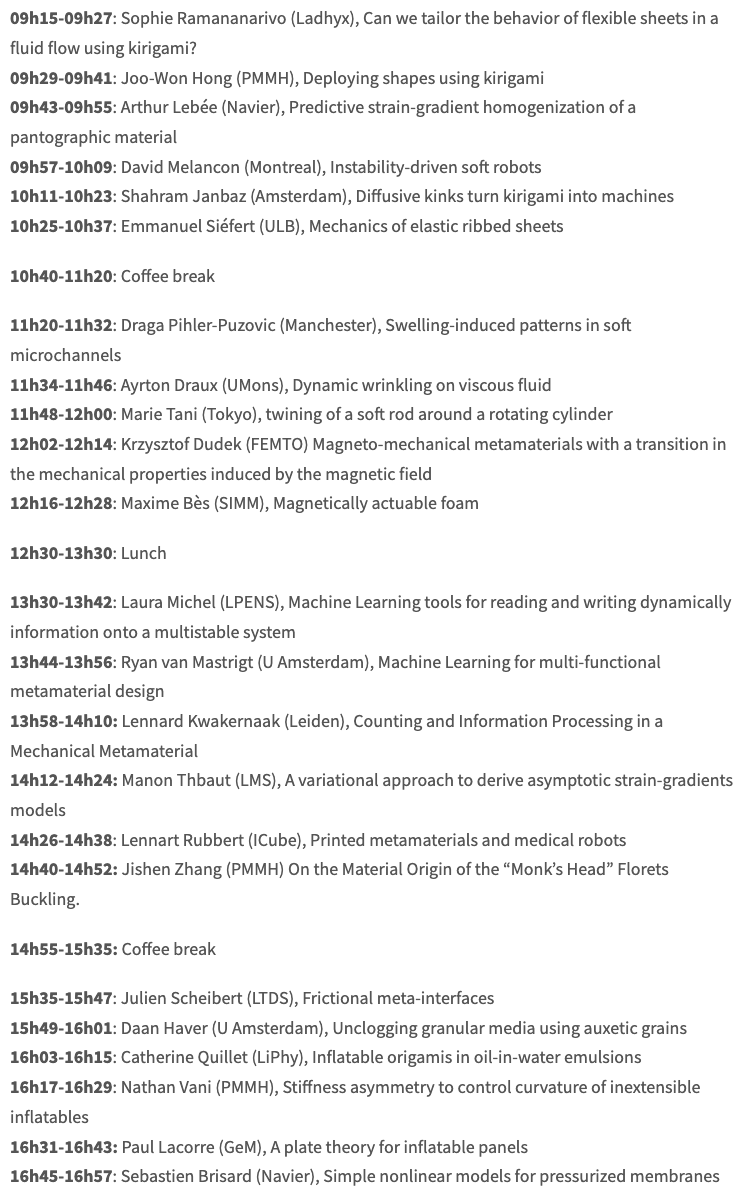
Thrilled to present @SocEngScience our work on the tangling of tumbled filaments with @flexlab_epfl, in collab. with Vishal @Stanford & Jörn @MIT! It's wonderful to catch up with friends and attend inspiring presentations. Excited for my poster presentation at FFS tomorrow.
Multiple PhD openings in the ETA-Lab (https://t.co/VfOKOTHn3H) @EPFL_en on the topic of Advanced Metrology for Interface and Phase Change. Drop me an email with the subject line "[PhD Application to ETA-LAB] Your Name”, your CV, and names of two references if interested.
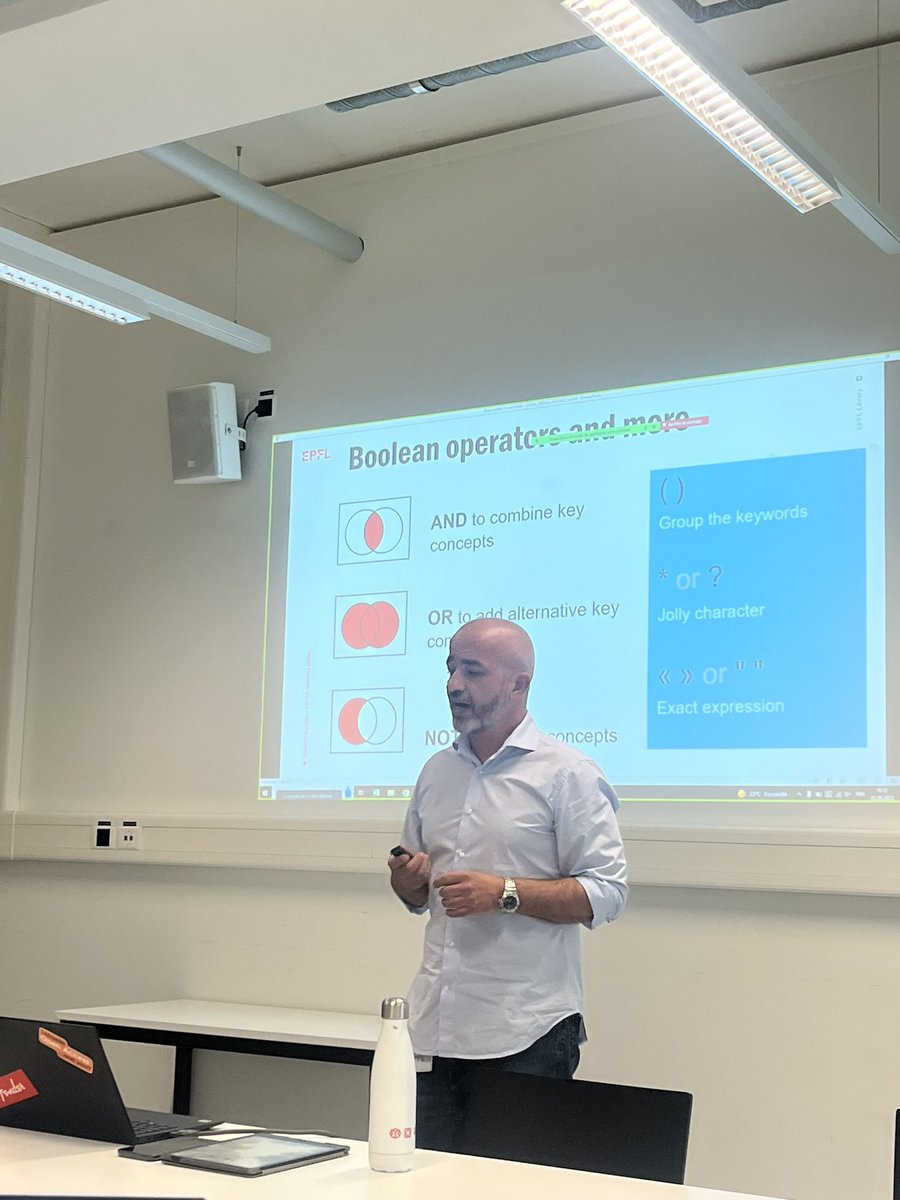
Excited to kick off MEGA.Seminar @EPFL_en with a brand-new literature tools workshop! Big shoutout to Vincenzo Palatella for the talk and invaluable (re)search tips. As MEGA's president, I'm thrilled by our growing community. Thanks to our committee and to all who joined us.📚🎉
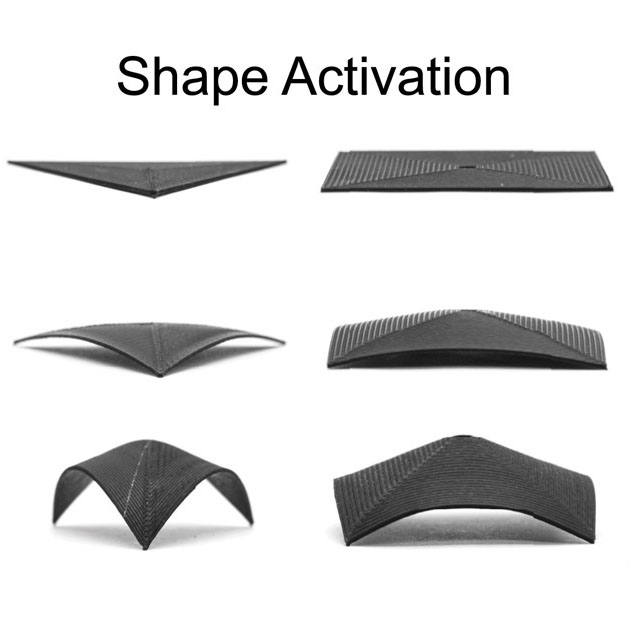
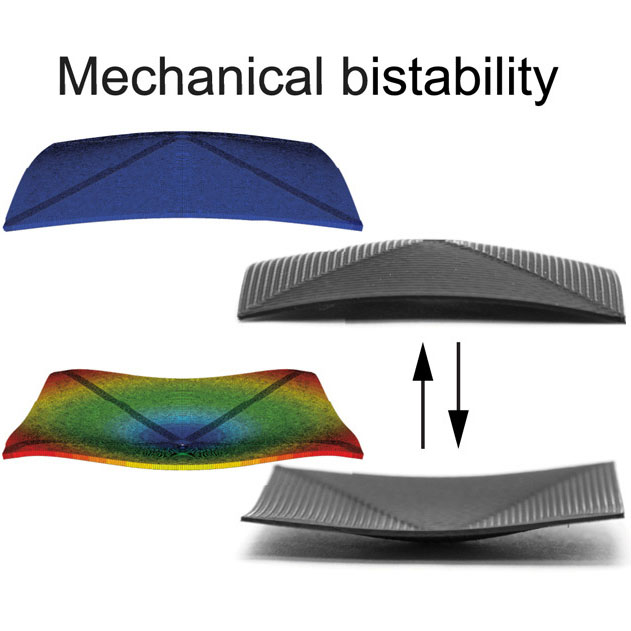
Fresh off the press! We exploit the tendency to warp in fused filament fabrication to make surfaces that heat deploy to bistable domes. Great to work with Mattis at Mesh AG, @ywang298cougar at @UHEngineering, and Kristina at @ETH_en.
https://t.co/tnPsyFoMKn
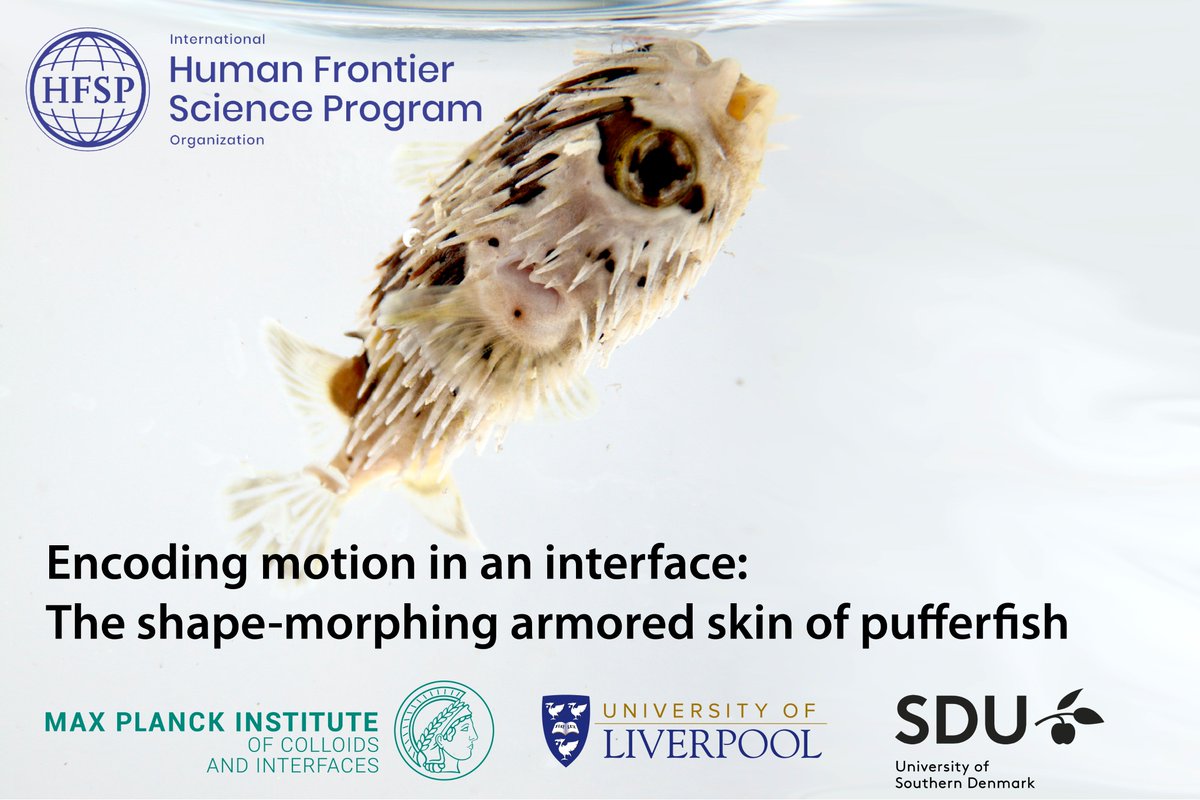
⚡️ Postdoc position in soft robotics, finite element analysis, and 3D printing @SDUSoftRobotics
We'll study 🐡 through robotics, materials, and biology
Apply online until October 1, 2023: https://t.co/9g1F8ijEhi
Funded by @HFSP
Please contact [email protected] for inquiries
Check out the latest paper from our lab published .@CommsMaterials https://t.co/A973zLodnc We uncover the mechanical/dissipative performance of randomly stacked cylindrical shells, in collaboration with the computer graphics experts .@Inria.
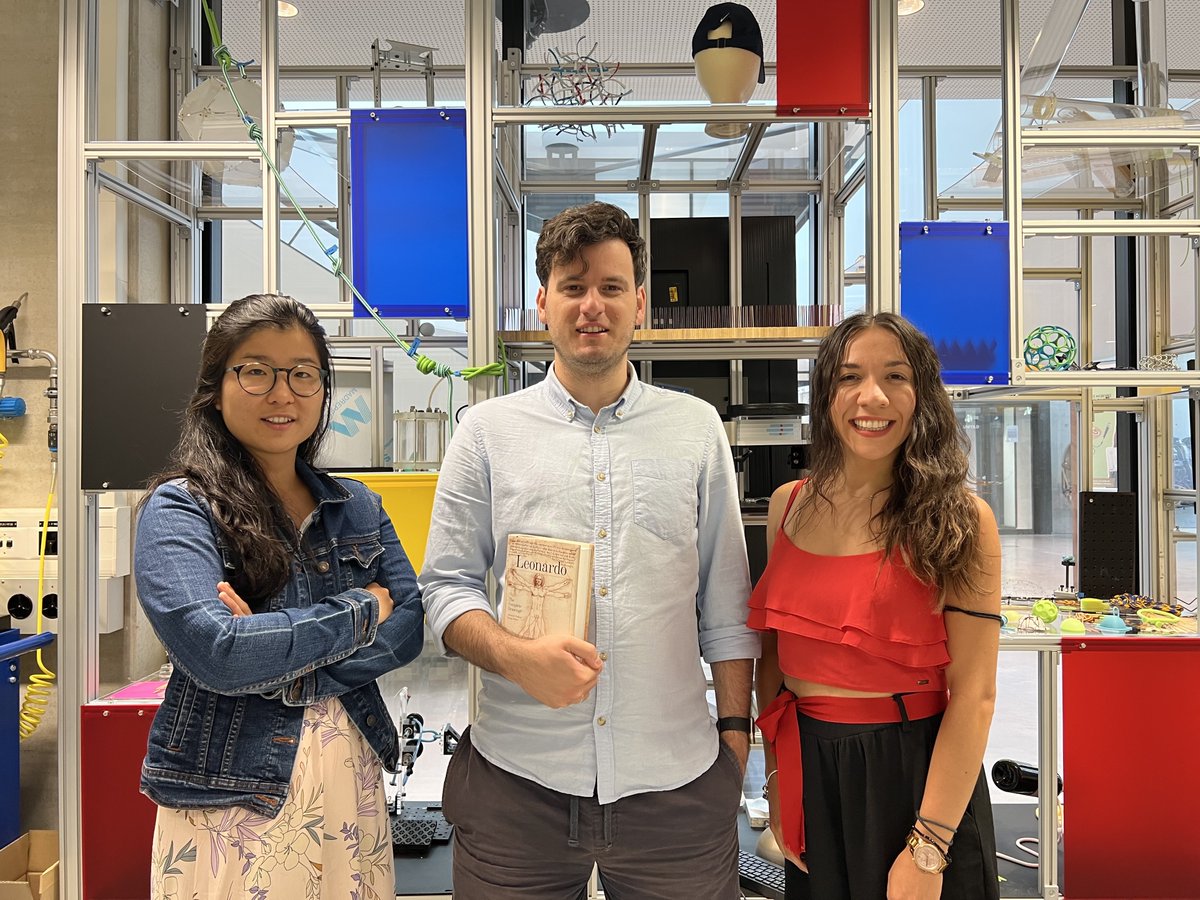
A team of postdocs from our Lab - Luna Lin, Michael Gomez & @FDerveni - supervised an exciting project-based engineering-design course for 14 of our MechE bachelor students @epfl_en, taking the sketches of Leonardo da Vinci as a starting point for ideation. More info here:👇
[Students Projects] Fourteen students spent a semester getting inside the head of Leonardo da Vinci. Using his drawings from the 15th and 16th centuries, the teams built ingenious machines in order to better understand how they worked
https://t.co/RvXZIGzaaF
Quoi de mieux pour un ou une future ingénieure que de se confronter aux idées d'un maître? Choisir et construire une machine de Léonard de Vinci, c'est le défi auquel se sont attelés 14 étudiant·e·s en génie mécanique - via @Lematinch
https://t.co/LTQseuYRxm
Learning from the master, learning from history, and having real fun: great project in engineering @EPFLEngineering rebuilding some of Leonardo’s inventions!
https://t.co/ucuGx2Q7x5
Calling on all senior PhD students and postdocs: join the Future Faculty Symposium at the 2023 SES Annual Technical Meeting. Open to everyone. Apply for travel support today! https://t.co/U0fxxNwXhL
Le @flexlab_epfl a publié une première étude sur la mécanique des nœuds chirurgicaux. Les résultats pourraient servir à former les chirurgiennes et chirurgiens à la réalisation de sutures plus solides et plus sûres.
@EPFLEngineering
https://t.co/YE1glwxRG8
Pedro Reis @flexlab_epfl has taken inspiration from his passion for climbing and secure knots for a study that uses X-ray micro-computed tomography and computer simulations to find the mechanics behind the perfect surgical knot for surgeons and robots.
https://t.co/3K0b3CpexP
With MePhy and @CorentinCoulais, we're organizing a one-day thematic workshop at @ESPCI_Paris on Soft mechanical metamaterials on Tuesday, June 20, 2023. You can still register to take part in the workshop online! See details here (French time!) : https://t.co/2Yvqis41ms
Discover 🇫🇷 innovation at the @londonbiennale until 25 June...
@CNRS physicist Benoît Roman discusses his team's work on shape memory materials and how it could have an innovative impact on manufacturing & design!
#LBD23@SomersetHouse
A wonderful collaboration led by the recently minted Ph.D. @JohannsPaul, Changyeob Baek & @PaulGrandgeorge (both former fleXLab members), Samia Guerid (our surgeon collaborator), and Shawn Chester (the polymer plasticity guru) @njit.
It's annoying when your shoelaces become undone, but no big problem; just retie them. But what about surgical knots? What sets their strength? Why do surgeons take so long to learn how to tie safe knots? Check out our recent study https://t.co/elpcaw79dF @EPFLEngineering@EPFL_en
Rationalizing the knot strength is challenging because of the “soup” of underlying ingredients: topology, geometry, elasto-plasticity of the filament, contact & friction. We have reproduced the response of surgical knots w/ FEM simulations, providing insight into their Mechanics.