Do you want to measure, visualize, correct, and interpret #redoxpotentials in #soil? I have put down ressources on my personal website (created with #blogdown using #RStats 🥳)
https://t.co/Y17r066Xyv 👈
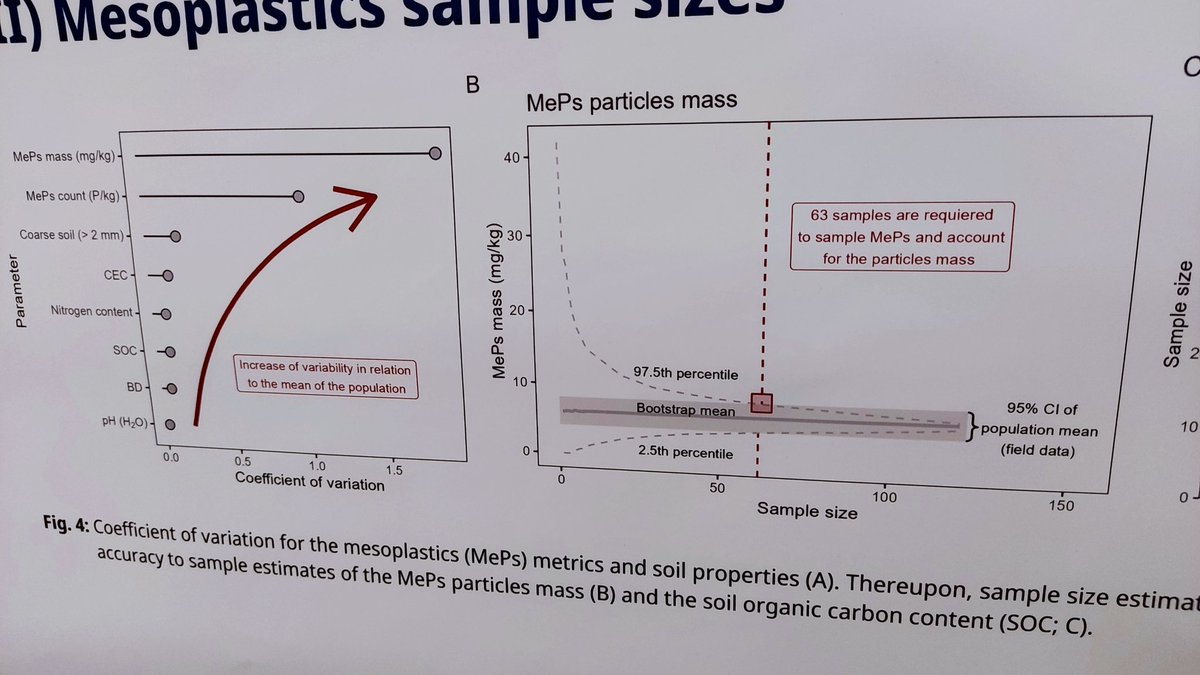
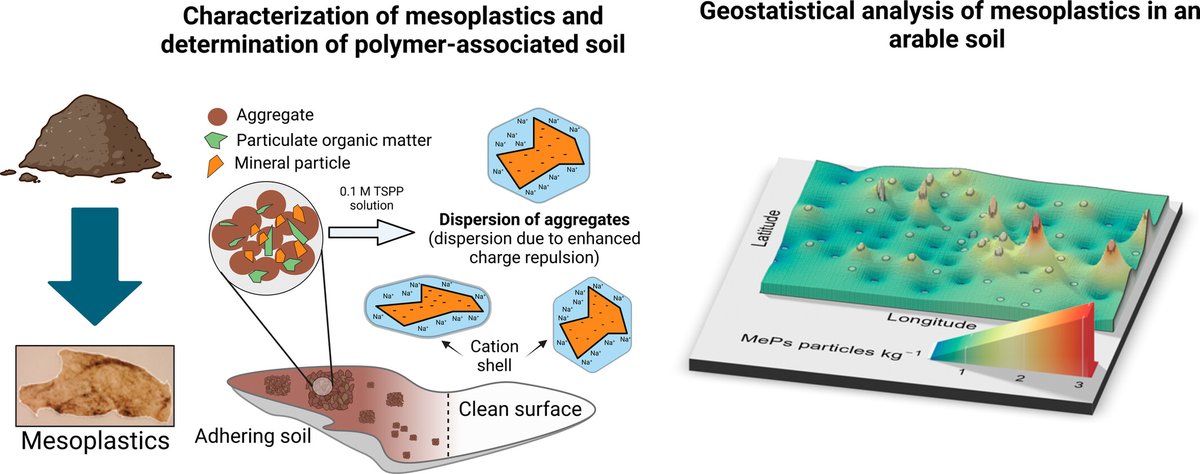
Happy and proud of the great teamwork that went into this article and the output 🤩Plastics are an emerging new component that enters soils. We looked at sampling designs and gave recommendations for coherent polymer mass characterization.
https://t.co/GTS04y4I31
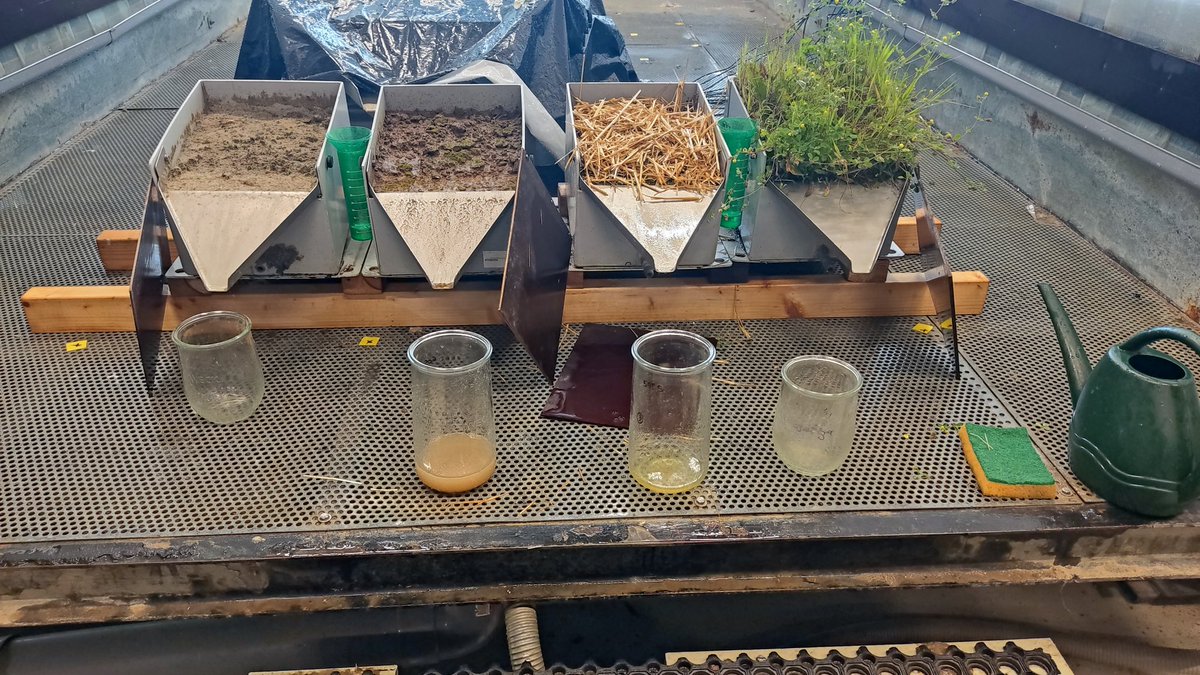
A little teaser from our field site with 3 ha in size: More than 5 tons of soil were taken and homogenized in the field, 500 kg of it were treated in the lab, 173 individual samples, composed of nearly 1k split tube sampler drillings, and many more highlights
@mrillig No problem at all and looking forward to the read :) By the way, I met @rosolinoingraff a couple of weeks ago and only heard good things about his time in Berlin and your mentoring!
@mrillig Unfortunately no access to the journal but do I get something wrong...0.67% w/w is not mg/kg as written in the GA. However, nice (or horrifying) forecast and well done
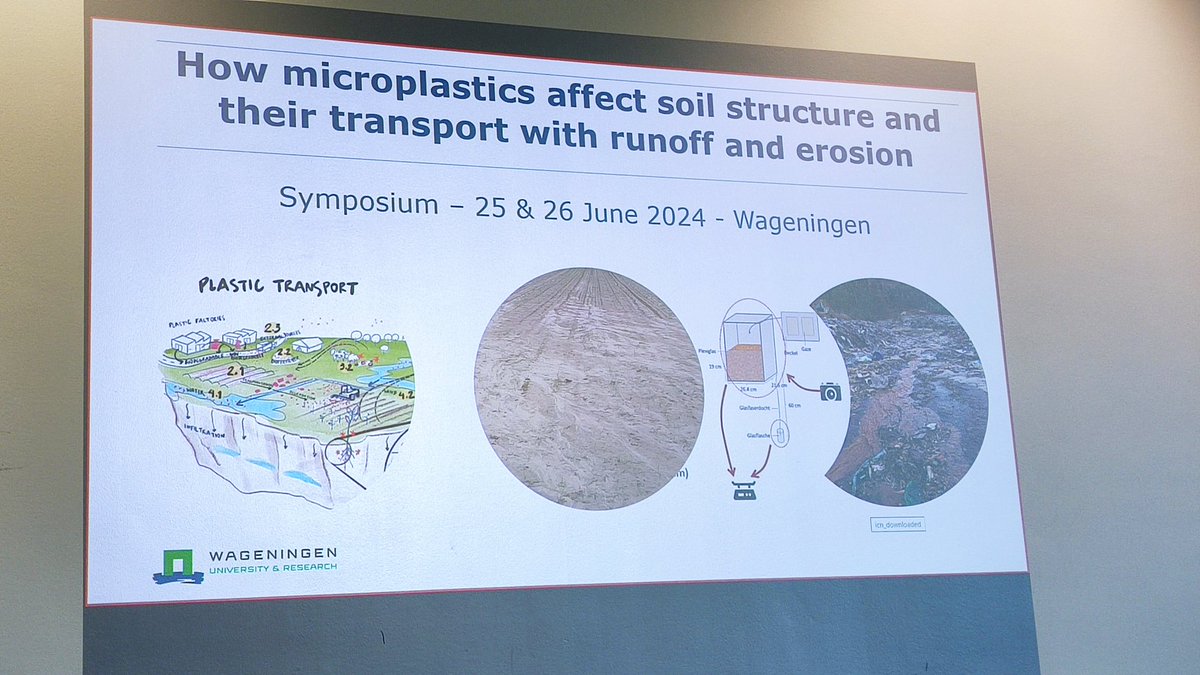
Early this week, we @SLM_WUR successfully hosted a vibrant symposium that delved into the fascinating world of microplastics. Many thanks to everyone who had joined us. 😀
@Philipp_Mauri Thank you. I agree... Scaling up from microsites towards larger scale in conjunction with other methods would be nice! We should sort this out with a Gilden ;)
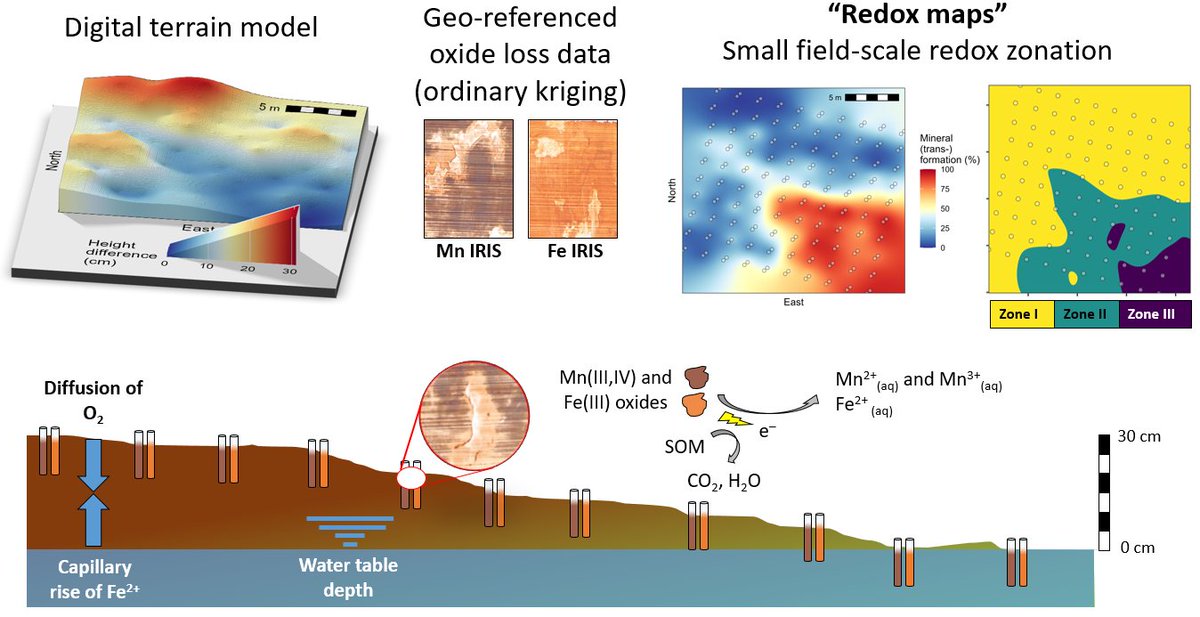
Happy to share another study about #manganese and #iron#IRIS. Subtle differences in altitude (microrelief) had a profound impact on mineral transformation. Read here how we employed image analysis from IRIS films to construct #RedoxMaps
🥳
https://t.co/wb3SqdmuPQ
Many thanks to my co-authors and colleagues for support during this study. I highly recommend the fantastic #rayshader package by @tylermorganwall, which pimped the graphical abstract
We have also discussed benefits by IRIS (large reactive surface area) over classical redox electrodes more susceptible to small-scale soil heterogeneity.