Configuring Swagger makes it easy to:
- Document your API endpoints
- Test APIs directly from the browser
- Understand request and response models
- Improve developer experience
https://t.co/pky6jFGQ4K
@sesigl Pick UTC. Always.
Because:
→ One truth, no DST surprises → Queries stay simple (BETWEEN just works) → Indexes actually help → Debugging doesn’t turn into archaeology
Store timezone only for display or scheduling — not for logic.
Here’s my personal checklist of 15 things you must get right when building file upload systems:
1. Never upload directly to your backend
→ Use presigned URLs so files go straight to S3, GCS, or your object storage, offloading bandwidth and freeing up backend resources.
2. Validate file type by content, not extension
→ Don't trust “.jpg” or “.pdf”, read the file’s magic bytes or headers to catch disguised executables or corrupted files.
3. Set strict file size limits (early)
→ Prevent memory blowups, denial of service, and accidental 50GB “cat video” uploads.
4. Multipart/chunked uploads for large files
→ Upload big files in chunks, so you can retry failed pieces, resume partial uploads, and never lose user progress.
5. Resumable uploads matter
→ User’s WiFi dies? Don’t make them start from scratch. Store upload progress, support resume tokens.
6. Async virus scanning before “marking ready”
→ Queue the scan; don’t let user-access or public-sharing happen until the result is clean.
7. Never trust user-supplied metadata
→ Recompute MIME types, image dimensions, video duration, etc., server-side, attackers will fake everything.
8. Expire unused presigned URLs fast
→ Every upload/download link should expire in minutes, not days. Stops replay attacks and stale-link leaks.
9. Background post-processing
→ Thumbnails, transcoding, compression, indexing, all should be async jobs, not blocking the upload.
10. Signed download URLs only
→ Never expose raw S3 or GCS paths. Every download link should be time-bound and permission-checked.
11. Enforce per-user and per-IP rate limits
→ Throttle abusive clients, prevent brute force, and stop sudden spikes from melting your backend.
12. Encrypt files at rest (and in transit)
→ Use server-side encryption (SSE) on S3 or GCS, plus HTTPS/TLS for every file transfer.
13. Version every upload
→ Store new files with unique IDs or version suffixes, never overwrite by default. Enables “undo” and rollback, and prevents race conditions.
14. Log every upload and access
→ Audit logs for every file action: who uploaded, who accessed, when, and from where. Critical for debugging and compliance.
15. Handle storage failures and edge cases gracefully
→ What happens if S3 times out? What if storage quota is exceeded? Handle partial failures, show clear errors, and keep users in the loop.
10 Most commonly asked topics in system design interviews
(not exact questions, but the ideas every interviewer is testing)
1. Design a URL shortener
Tests basics of scale, hashing, databases, caching, collisions, and tradeoffs.
They want to see how you think, not perfect answers.
2. Design a rate limiter
Very common and very practical.
Shows understanding of distributed systems, consistency, and fairness.
3. Design a cache (or caching layer)
LRU, TTL, write-through vs write-back.
Also tests eviction, memory limits, and cache invalidation thinking.
4. Design a messaging system / queue
Think Kafka, SQS, RabbitMQ style.
Ordering, durability, retries, at-least-once vs exactly-once.
5. Design a notification system
Email, SMS, push.
Fan-out, retries, idempotency, and user preferences.
6. Design a file storage system
Upload, download, metadata, large files.
Chunking, replication, CDN, and consistency tradeoffs.
7. Design a social feed
Timeline generation, fan-out on write vs read.
Hot users, ranking, and caching strategy.
8. Design a logging / metrics system
High write throughput, low latency reads.
Retention, aggregation, and cost awareness.
9. Design a real-time chat system
WebSockets, presence, message ordering.
Delivery guarantees and offline sync.
10. Design an API at scale
Auth, rate limits, pagination, versioning.
Most people fail here because they skip fundamentals.
System design interviews are about reasoning clearly under constraints.
If you understand tradeoffs and can explain them calmly, you already stand out.
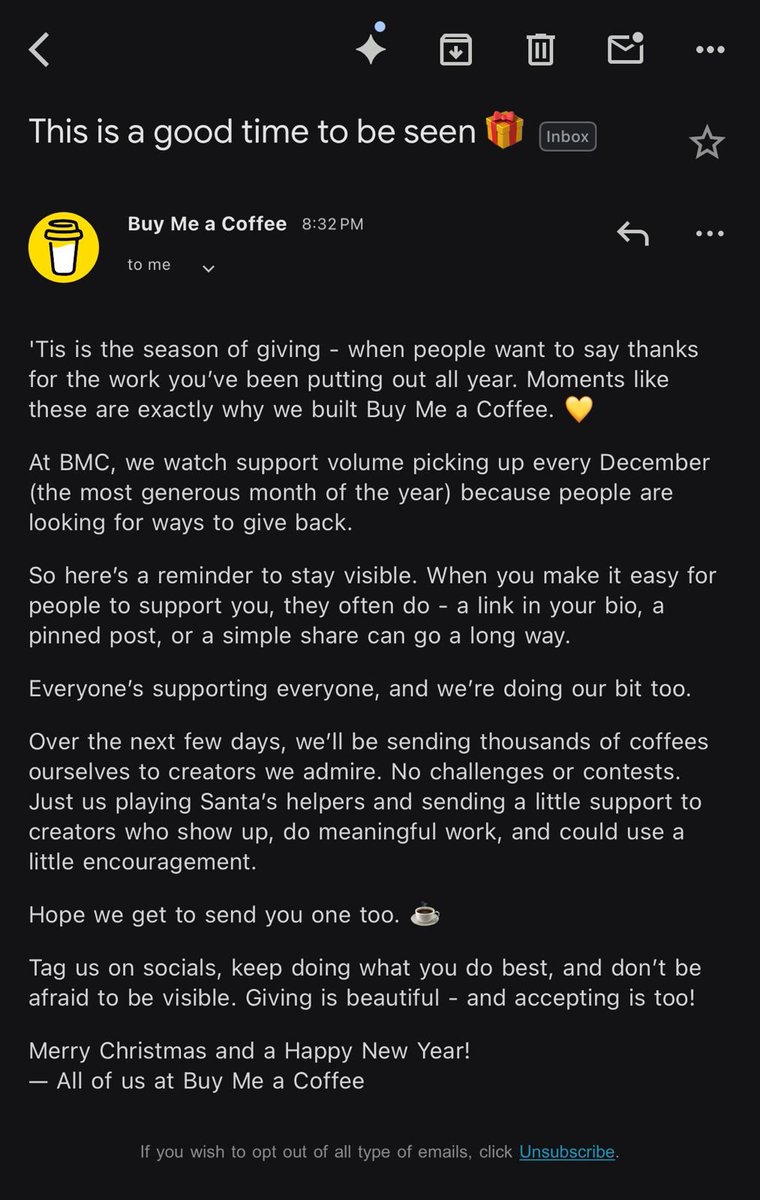
December is a good time to be seen. People want to say thanks.
Make it easy to support your work. We’re sending coffees to creators we admire this week.
No contests. Just support ☕️
How to Create a Resume That Gets You Hired?
- keep it one page
- simpleness over flashiness
- use quantitative metrics
- apply the Google xyz formula
- pay attention to formatting
Read more 👇
What Sets Successful Job Seekers Apart?
Here’s an important fact: the number of job seekers far exceeds the number of available positions.
In India alone, each corporate job opening receives an average of 250+ applications.
Read more 👇
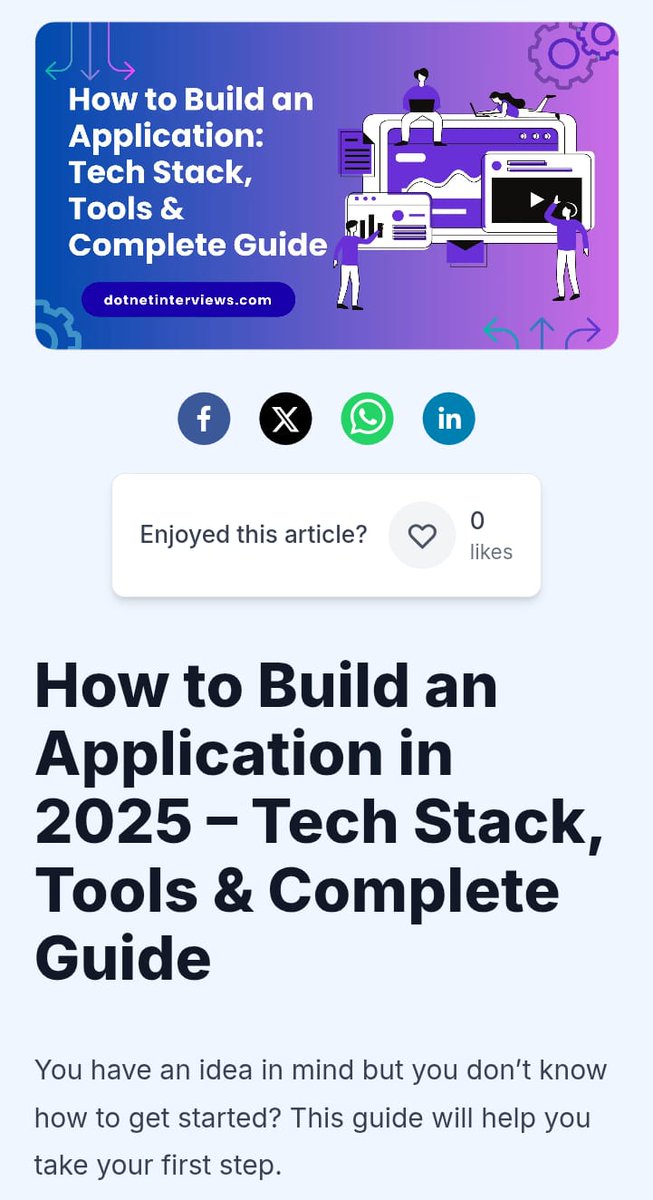
After reading countless blogs and binge watching 100s of videos on what tech stack to choose, I wrote an article which is completely beginner friendly.
Welcome to all feedback and suggestions to make it even better.
https://t.co/xEAs45aobT
I could 4x my salary in 4 years. Get my 🆓 guide and make your switch. It has 49 downloads so far. If you have already bought and want a V2, let me know!