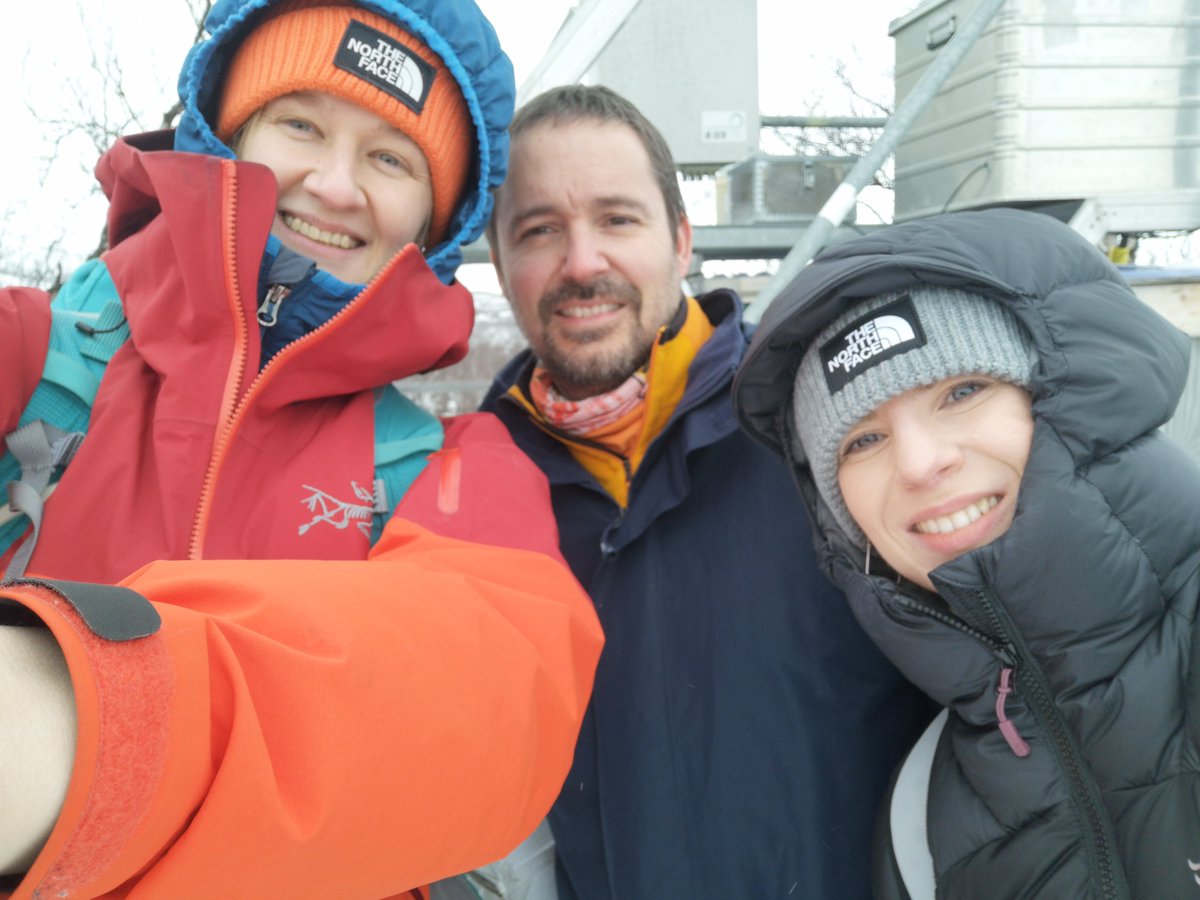
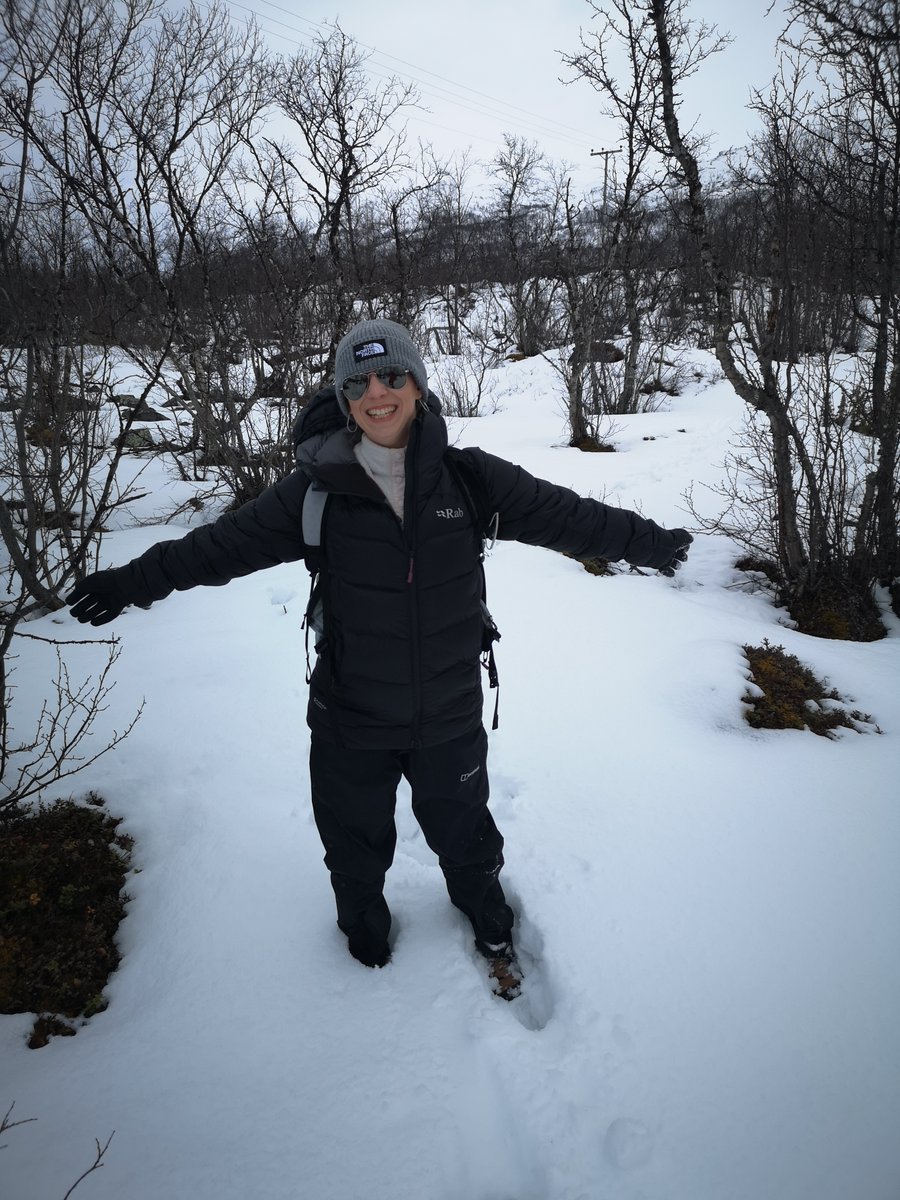
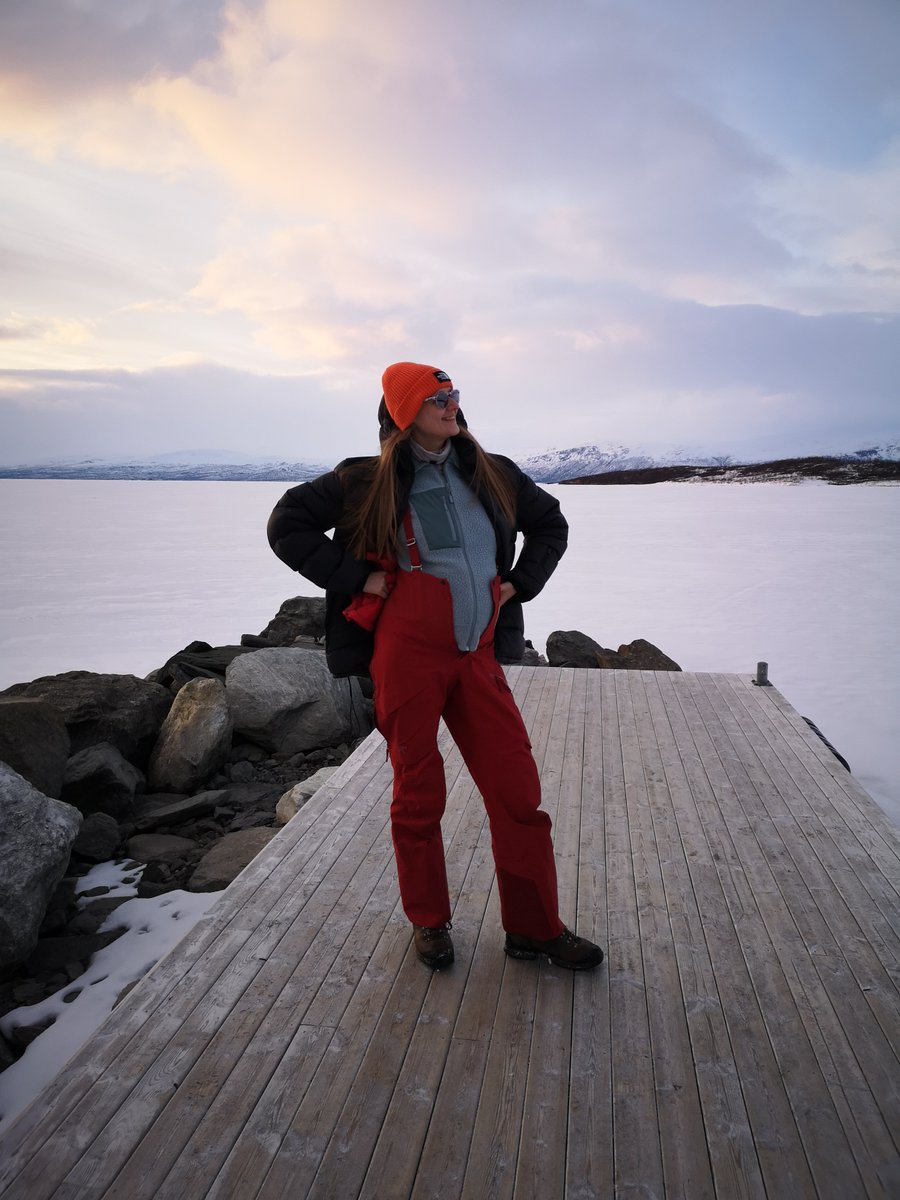
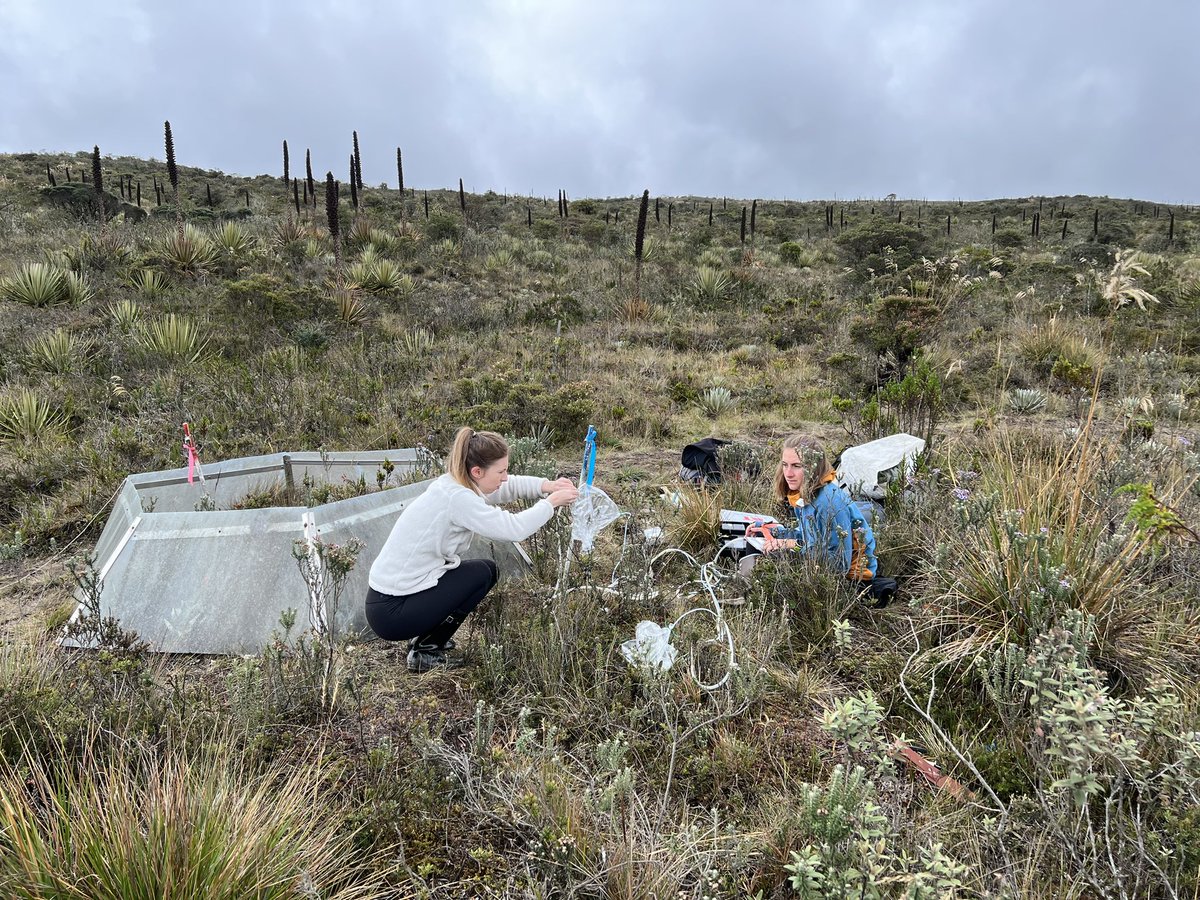
First #VOC sampling day in my warming experiment in the paramo (a type of tropical alpine ecosystem). Super curious to see if warmed paramo plants release more volátiles. Our new collaboration with @Riikka_Rinnan and @DrAmySmart.
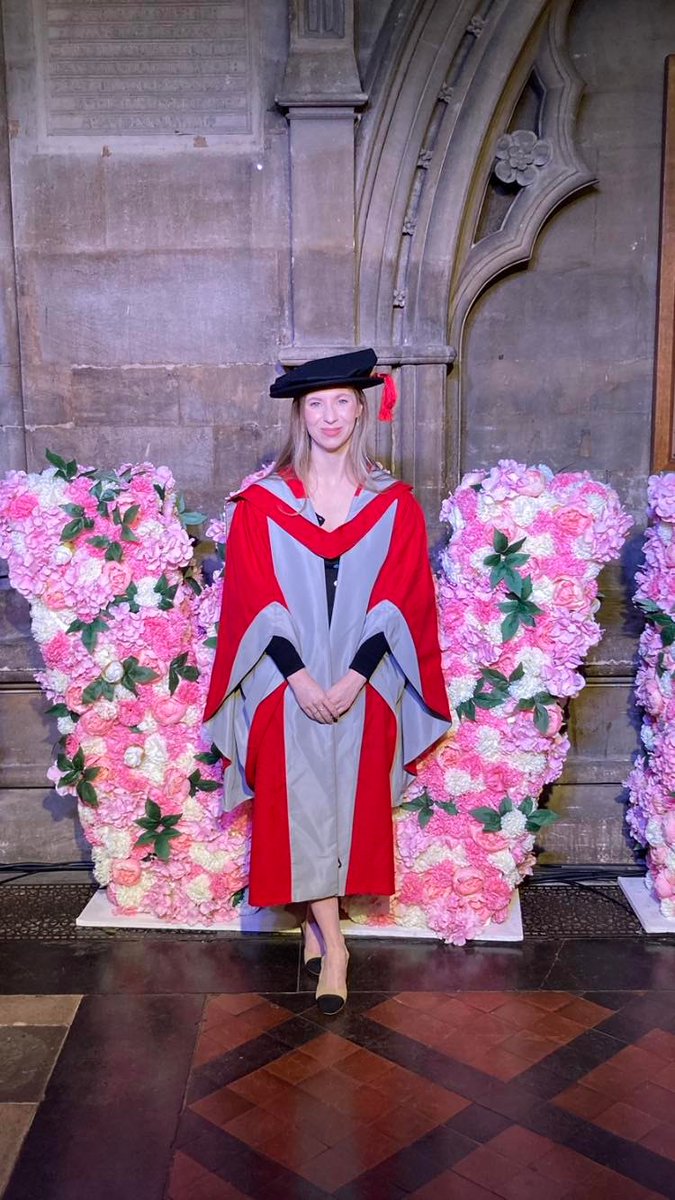
This week I've been back in Bristol to attend my PhD graduation ceremony at the beautiful cathedral.
I had a lot of fun getting dressed in these elaborate robes, although they kept slipping off my shoulders (I was told they are still only made with men in mind!)
#WomenInSTEM
The three months since I moved to Denmark have flown by! I'm embracing the challenges of a new country and a new role at @UCPH. A highlight was the recent @KulturnattenKbh, sharing my passion with the locals and having fun playing 'guess the smell' and 'a cloud in a bottle' 😊
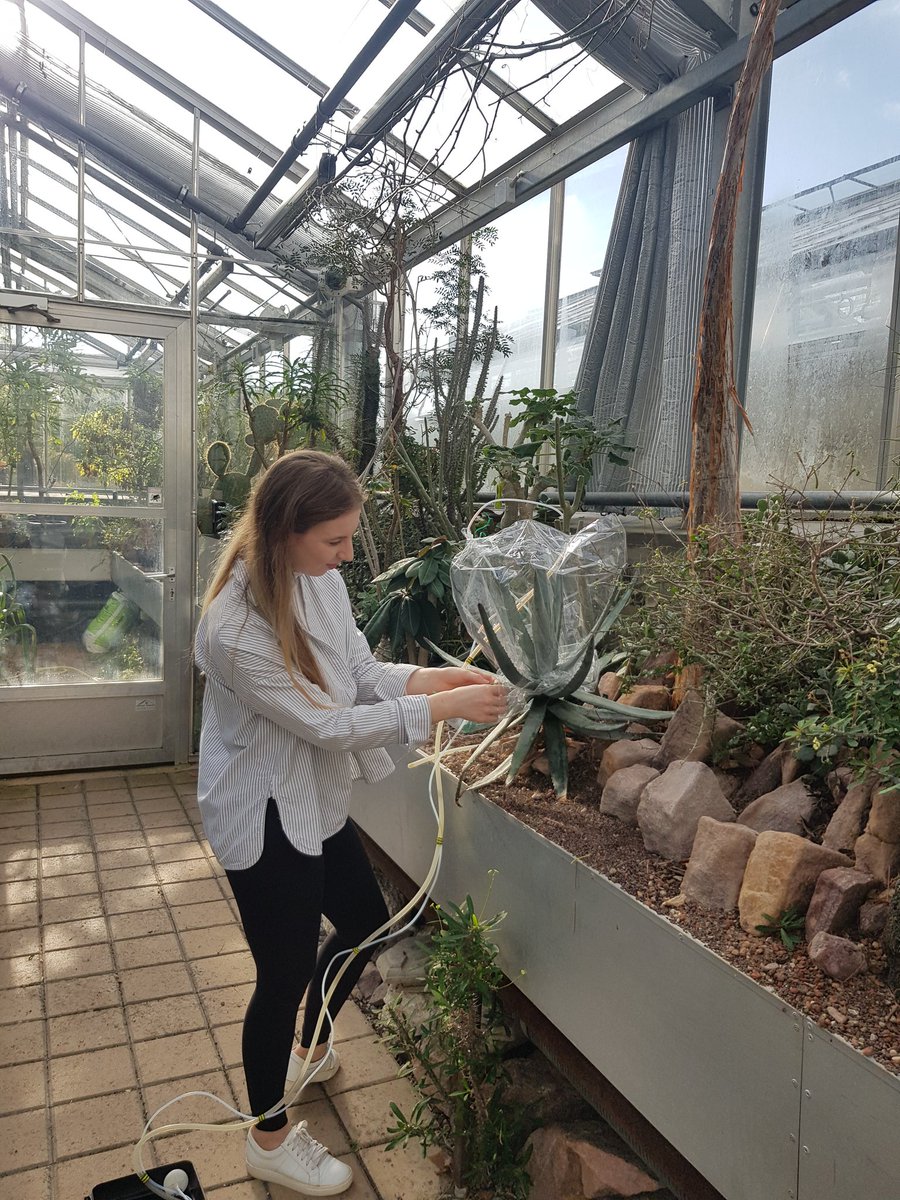
Today our field work led us to the beautiful Botanical Garden of @NHM_Denmark. @AmySmar29547379 is preparing for an expedition to South America and testing methods suitable for páramo vegetation. Thank you for the help @SBruunLund!
@DrRisch@RSCElectrochem Hi Marcel, you raise some interesting points. Where the temperature or pH can't be altered, we can normalise the response (we have calibration plots for other pH/temps). This is a non-destructive technique, so only the incision needs to be discarded.
Here is my #Electrochem21Poster for the ElectroChem 21 conference by @RSCElectrochem, entitled "An Investigation into the Development of Electrochemical Screen-Printed Biosensors for Fatty Acid Analysis in Meat". Any comments are welcome!
@jakki_grace@RSCElectrochem Thank you Jakki! This is an interesting point, we are using a method originally developed in collaboration with GEM, where the emulsion on the screen was optimised for this particular ink formulation.
@Perry__SC@RSCElectrochem Thanks Sam! That was a good guess but it's actually a hydroperoxide rather than hydrogen peroxide. We use an organometallic mediator in our carbon ink, we did investigate using a plain carbon electrode as the base transducer but much higher voltages were required