NHS Consultant Psychiatrist, Adult Community Mental Health Team in North Devon. Elected Executive Member RCPsych General Adult Faculty and Southwest Division.
@rcpsychTrainees Physicians and surgeons get to explore the physical body: cool, sure, but... Psychiatrists get to explore the limitless expanses of the infinitely variable mind: now that’s really cool!
"1 in 4" excludes people with personality disorders, substance misuse disorders and developmental disorders.
"1 in 3" includes them...
which is right to do?
‘1 in 4’ prevalence for psychiatric disorder…or should that really be ‘1 in 3’? Parity of esteem in statistical headlines https://t.co/nrYlATRLa9
Even pre-covid surge, were we under-reporting the true extent of mental health problems?
My vote is for 1 in 3... what's yours?
‘1 in 4’ prevalence for psychiatric disorder…or should that really be ‘1 in 3’? Parity of esteem in statistical headlines https://t.co/nrYlATRLa9
Even pre-covid surge, were we under-reporting the true extent of mental health problems?
My vote is for 1 in 3... what's yours?
See e-letter response to this...great research, but "1 in 4" headline excludes personality disorders and substance misuse; I wonder what people with these conditions would think of that? A case for "statistical parity of esteem"?
Falling suicide rates are one of the things improving in the world. Positive social changes, awareness and public policy help with prevention and give people hope for the future. https://t.co/33ZZRh7KEj #suicideprevention#globalhealth#dataviz
The graph evidences that compared to 5 years ago, MH patients are generally more unwell on admission, and also on discharge. Rising demand has increasingly outstripped service capacity (incl viable alternatives) so the system/clinician has no choice but to adapt to cope.
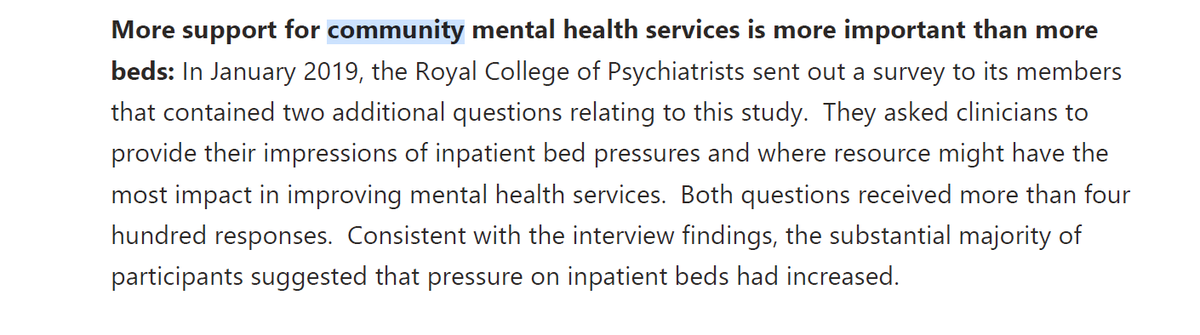
Report from @rcpsych published today is worth a read. As well as addressing bed shortages I think clear from the data community provision needs to be addressed. Telling graph of severity of patient's illness upon discharge and admission. (1/2)
Also chimes ++ with recent CQC Report (Mental health services: CQC warns of “perfect storm” https://t.co/QxTZY0lCxg)
September 2019: CQC reported that 8% of acute care wards for adults of working age and psychiatric intensive care units were inadequate (compared to 2% in 2018).
Great report; a whole system understanding of the persistent pressures in the acute mental health system. Yes, some new funding is in the pipeline (good), phased over 4-5 years; this report shows the current pressures now. Hard to see too much changing until the funding flows.
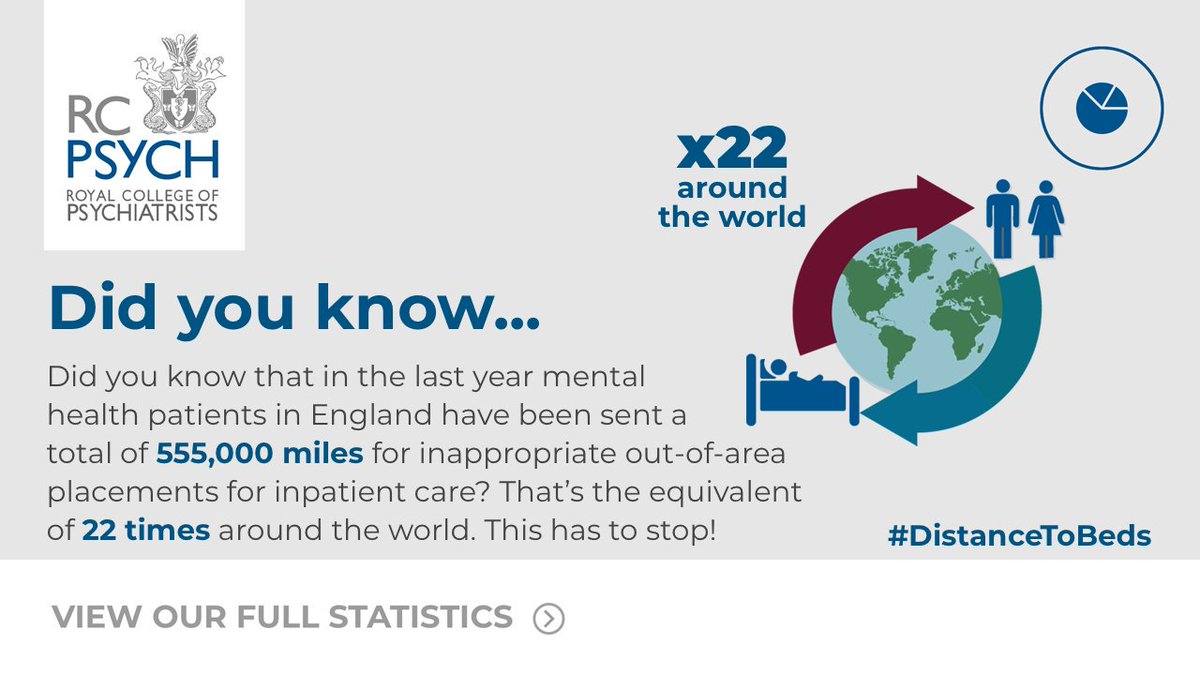
We’ve commissioned research into #mentalhealth service capacity. Last year patients travelled almost 550,000 miles for their treatment. This is distressing & wasteful. Read our full response here & see why we’re calling for more investment. #DistanceToBeds https://t.co/81DRSmm9Re
@Garrykent5 Yes, some (most) of it was the right thing to do. But this evidence shows it's gone too far. And the Community Services are not properly funded. Some more is on it's way with CMHS-Framework (well done NHSE Mental Health Team), but not here yet, and unclear whether will be enough
Scary fact, after doing the maths: I qualified from medical school in 1987...since then, every single day of my 32 yr career has seen 4 fewer psychiatric beds in England. It started with 67,100, there are now 18,400. Research suggests 1060 more now needed...too much to ask?
@DrKateLovett @ViralKMH Joking apart, we've spent so long offering tinier and tinier morsels of decreasing resource that we've lost the art of giving people what they need and what works.
You'd never get away with offering smaller and smaller doses of chemo to cancer patients.. #parityofesteem
Thank you @DrP8ken , @ViralKMH and David Clark for a great set of tutorials @rcpsychGAP about how to get stuff done in the mazey world of mental healthcare policy. Tide at last turning for CMHTs...for the first time ever in a 20+yr Psych career: feels weird!