Courses offered by our School of Biosciences have been recognised in the latest Guardian University Guide 2025 Subject Ranking! 🎉
Our Nutrition and Food Science courses at @UoNBiosciences have been ranked 2⃣ in the UK. Well done to all academics and staff for their hardwork.
After 20 years at the University of Nottingham, I am leaving for an exciting new challenge as the AHDB’s Lead Nutrition Scientist. My expertise will highlight nutritionally how both red meat and milk can be produced sustainably and play a key role in a healthy balanced diet.
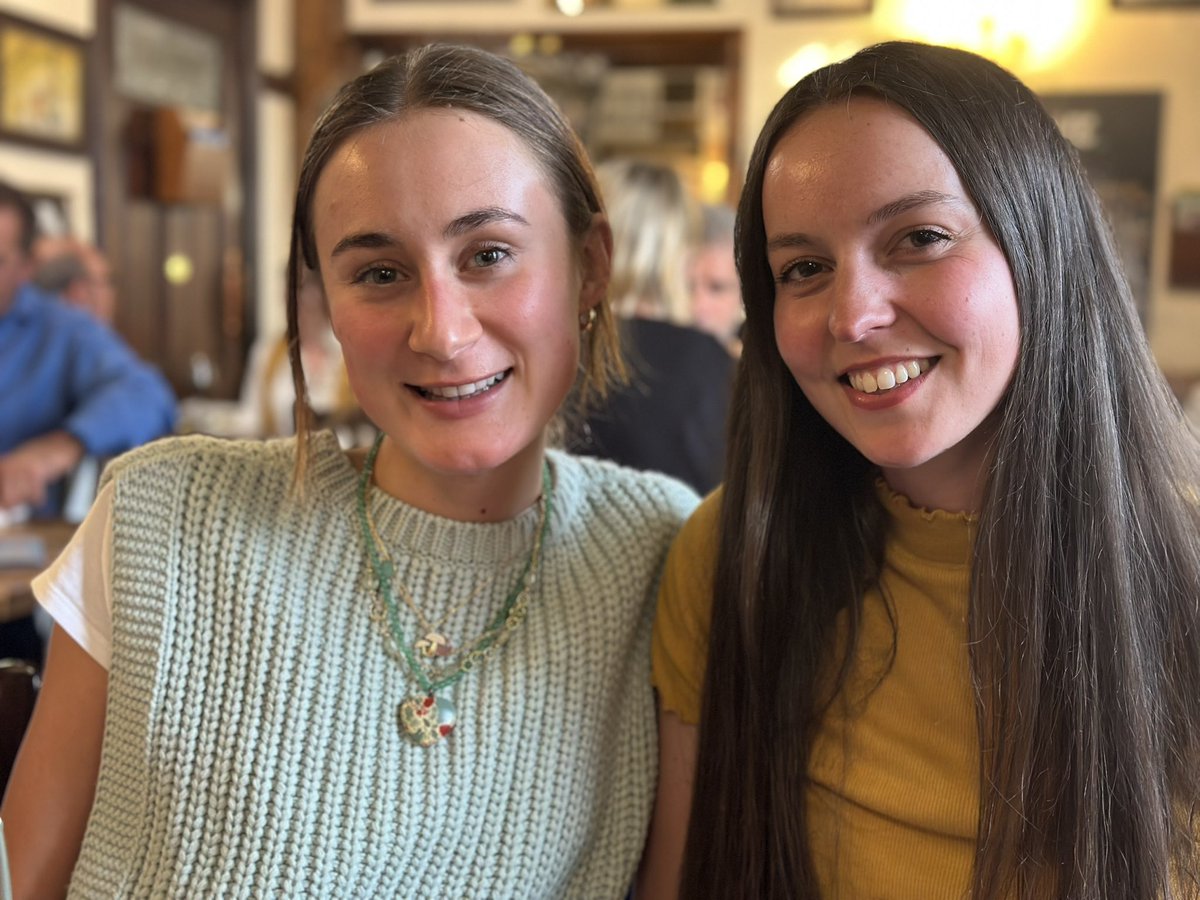
Exciting research alert! Our latest paper investigating the link between non-communicable disease and adverse pregnancy outcomes in Pakistan https://t.co/ggjKAzY4uo. Thrilled for our brilliant PhD student Esther Wainwright on her first paper. #MaternalHealth#PregnancyOutcomes
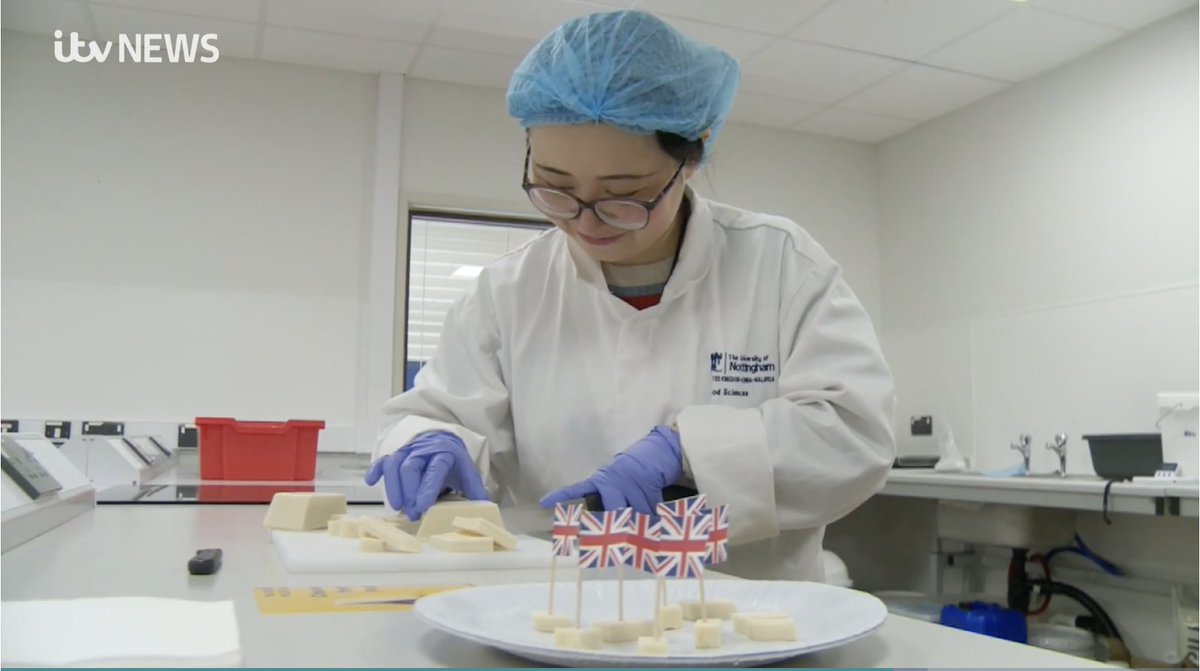
'Cheese from peas' research was featured on @ITVCentral showing how yellow peas are being turned into a sustainable and tasty vegan cheese @UoNBiosciences#vegan 🧀🌱
Watch here from 26 mins: https://t.co/o0DsxWzPdA
Rejection of your paper or grant has NO relevance to the opinion of #research community. It is nothing but the opinion of one person.
Several examples:
1. The first paper on graphene was rejected from Nature because “it did not constitute a sufficient scientific advance”. Later, it was awarded a Nobel prize.
2. The first manuscript showing the microbiome-brain connection was published after 7 submissions that took 3 years. Today, this field has exploded. I expect it will get a Nobel prize in the future.
3. Theodore Maiman tried to publish a paper describing the first operating laser in Physical Review Letters and… got a rejection!
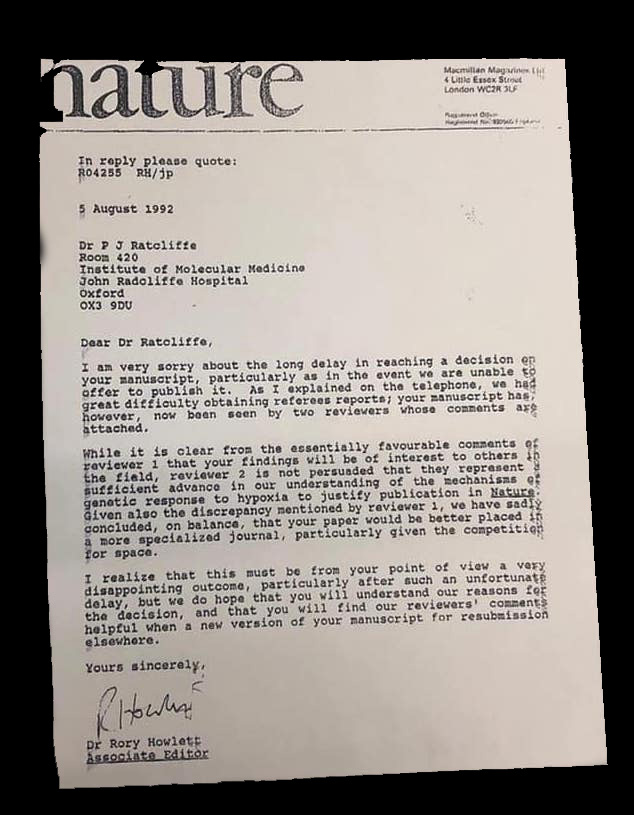
4. Peter Ratcliffe, who worked on cells’ response to changes in oxygen levels, got his key paper rejected from Nature (see photo). Later, he was awarded a Nobel Prize for this work.
And there are many other examples…
.
And yet I see so many young scientists stressing about rejections. For some reason, they seem to genuinely expect that the editors should know which study is truly worth it.
As a result, many rejections are met with surprise and disbelief:
“How could they reject it? They publish so much trash, and yet they think our detailed 3-year-long study is not interesting to the community! WHY?”
.
Well, the reality is:
- Most editors have very little time to delve into your study. They can easily FAIL to recognize the potential impact of your study. Proper communication in the cover letter and clear writing style can help (although only to a limited degree).
- Many reviewers have little idea about the science in your paper. But they can have a big ego. So, if they have a bad day or were rejected recently, it’s easy for them to find 1000 technical reasons to reject your paper as well.
- Most scientists genuinely don’t know if your discovery can make any impact. If we could predict the course of science, we would be living very differently!
My message is simple:
Forget about objectivity. Academia is a very subjective world. Fight for objectivity but don’t take it for granted.
A great study will be found, cited and recognized. Disregard of where it’s published.
A bad study requires a high-impact journal to be found and cited. But the long-time recognition might be a problem.
High-IF journals are simply billboards. Their rejections do NOT represent the opinion of a scientific community.
You can get rejected but don’t reject yourself!
Believe in your results.
#AcademicTwitter #AcademicChatter
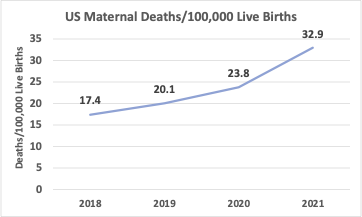
Maternal Mortality still rising in the US The country that spends the most on healthcare per capita
I drew a quick graph 1205 women lost their lives in pregnancy/childbirth in 2021 Absolutely shocking @MySMFM@acog@mypsanz@SRIWomensHealth@FlindersHMRI
https://t.co/bSyvkC2c5v
Do you have excellent programming skills? Proficient knowledge in either C++, C, Java, Python, ROS. This #fullyfunded#PhD@UoNScience in 'Artificial Intelligence on wearable data sensors management of long term health conditions' is for you https://t.co/S5uRpUFDT7 #phdpositions
Anyone interested in doing an exciting PhD in Artificial Intelligence on wearable data sensors for early warning, guidance & management of long term health conditions. I am a co-supervisor. Application deadline is 31st March. Project details here https://t.co/tnZJLYdVmi
Any interest in understanding dysfunctional labour associated with maternal obesity? See our new publication https://t.co/JptbjWW4Yc alongside past work to establish a translational model to improve labour outcomes, see https://t.co/065LYdIxiq and https://t.co/UD3QOteaqN
Congratulations to @DrElmes, Prof Khan and team on their latest publication investigating ‘The impact of maternal obesity on in vivo uterine contractile activity during parturition in the rat’ https://t.co/I4DFraCTqI @UoNBiosciences@UoNFacultyMHS
Very surprising research published by @UoN_Nutrition PhD student Ellen Ward and colleagues on what happens to #breastmilk when eating high-fat or high-sugar meals.
Pubished in @mcnjournal:
https://t.co/weLIkMgAAX
What happens to #breastmilk when mom eats a high-fat or high-sugar meal?
Results may surprise you!
New research published in @mcnjournal:
https://t.co/iuIHTtE6iH