We have identified the gene that, when activated, initiates the developmental programme that results in cells forming a human body https://t.co/JXb8s3lsHb
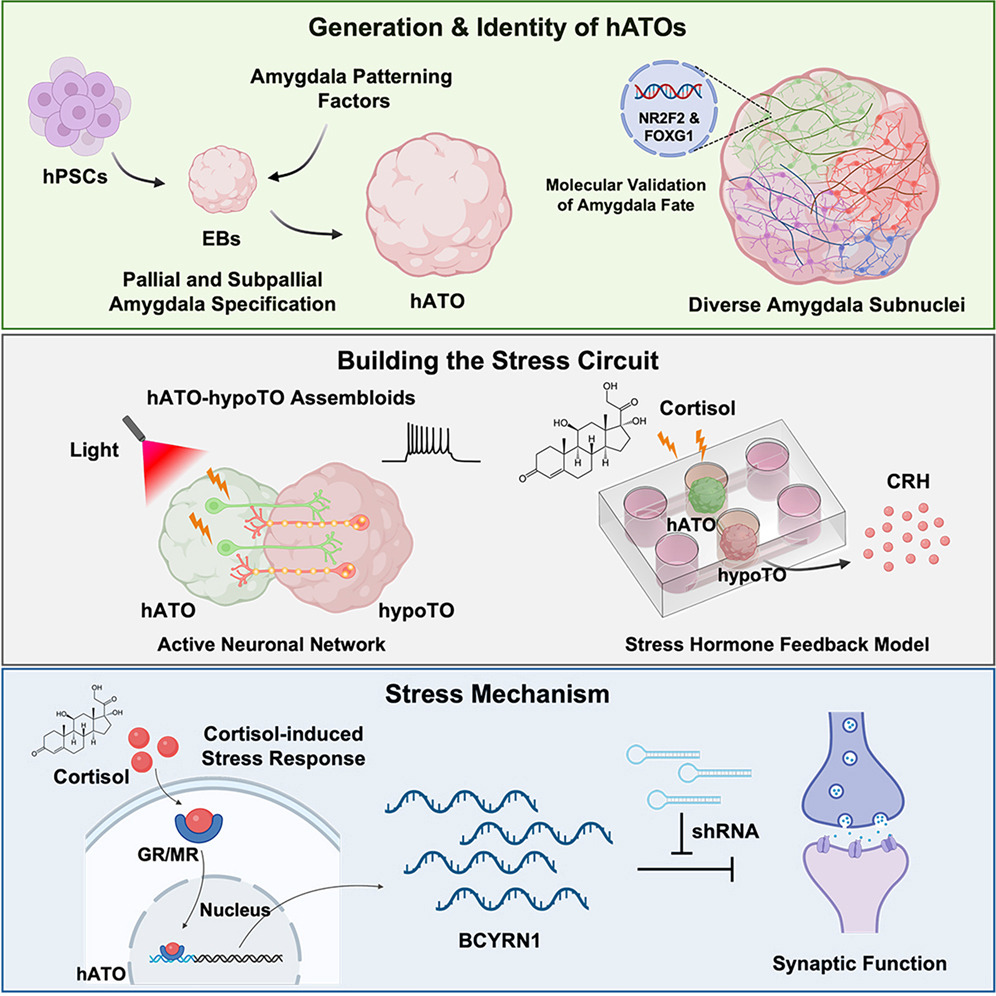
🧠 Researchers have developed human amygdala-like telencephalic organoids that model stress circuitry by connecting them with hypothalamic #organoids. @CellStemCell
▶️ https://t.co/POlSqU2Rll
Developmentally programmed p21+ senescent cells have a lifelong role in the integrity of the blood-brain & blood-CSF barriers
📹 L. Ashley Watson, Zoe Adelsheim & Mackenzie J. Carter et al Meharena lab @UCSanDiego in @CellCellPress
➡️ https://t.co/trnaNi7Xc2
The protein GDF15—already shown to be a late-life indicator of dementia risk—may also be a midlife biomarker, new research finds. https://t.co/6xn2wOnQGO
How do cells recognize catastrophically damaged #mitochondria? Gao et al. identified MAI-1, the first genetically encoded reporter of severe mitochondrial membrane damage. This cytosolic protein translocates to damaged mitochondria within milliseconds. https://t.co/BwWtlgDepD
In a @NatureBiotech paper, a team, including researchers in @MITdeptofBE and @MITChemE, developed a new way to stimulate the immune system to attack tumor cells, using a strategy that could make cancer immunotherapy work for many more patients.
https://t.co/LYGobgRVwr
Researchers at Stanford Medicine are developing immune cells designed to better recognize and attack cancer — offering a new approach to cancer treatment.
https://t.co/n9MoOlWZSJ
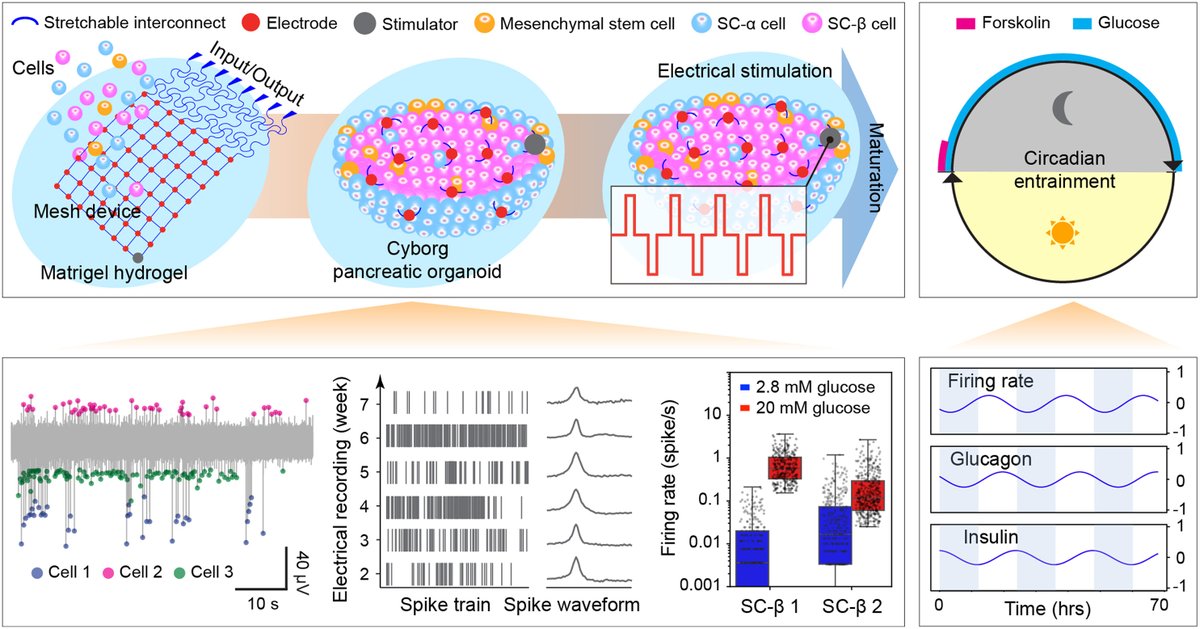
Researchers in Science have created “cyborg” pancreatic organoids that combine stretchy miniature electronics with stem cell-derived pancreatic islets, using the implanted electronics to monitor electrical activity related to glucose regulation in maturing α and β cells.
The "cyborg" organoids offer a path to study the biology and trace the maturation of α and β cells at the single-cell level, with an eye toward potentially treating or engineering new pancreatic islets in people with diabetes.
Learn more: https://t.co/rfp287hX2z
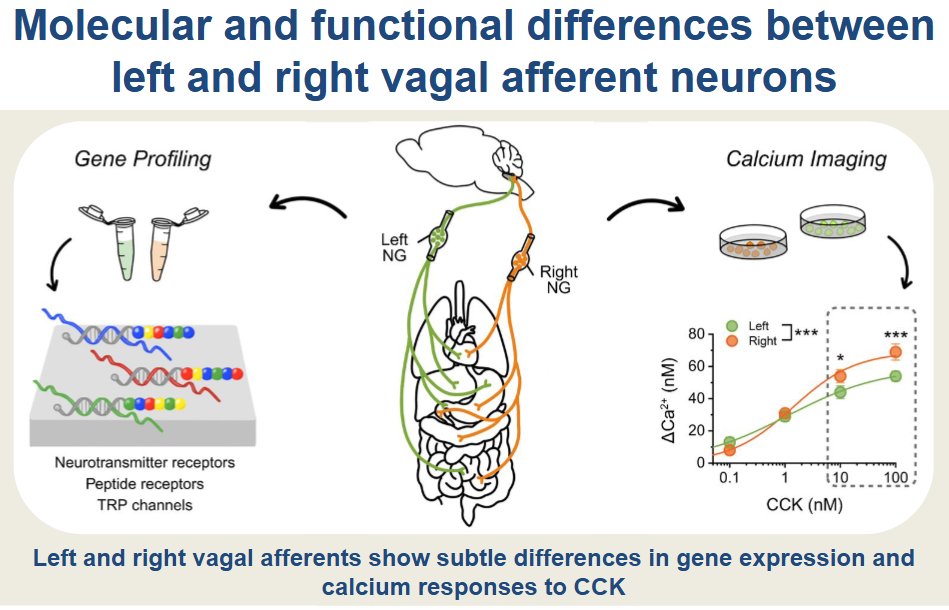
Interested in info about #vagus nerves? Then check out this #ArticleinPress, Comparison of Receptor Expression and Cholecystokinin Signaling Between Left and Right Nodose Ganglia (Caitlin R. Ritchey et al. @wsu):
https://t.co/wHn2HqUY7K
Leveraging systems immunology, researchers characterize the distinct immunological profiles produced by #RSV and #SARSCoV2 infections in infants, providing data that explain clinical divergences and could inform future therapeutics. @ScienceTM https://t.co/nmtVcF7g6j
What happens when tumor cells can't find enough nutrients? They "call" other cells. We have found a new mediator of this phenomenon: the multifunctional cytokine LIF 👇
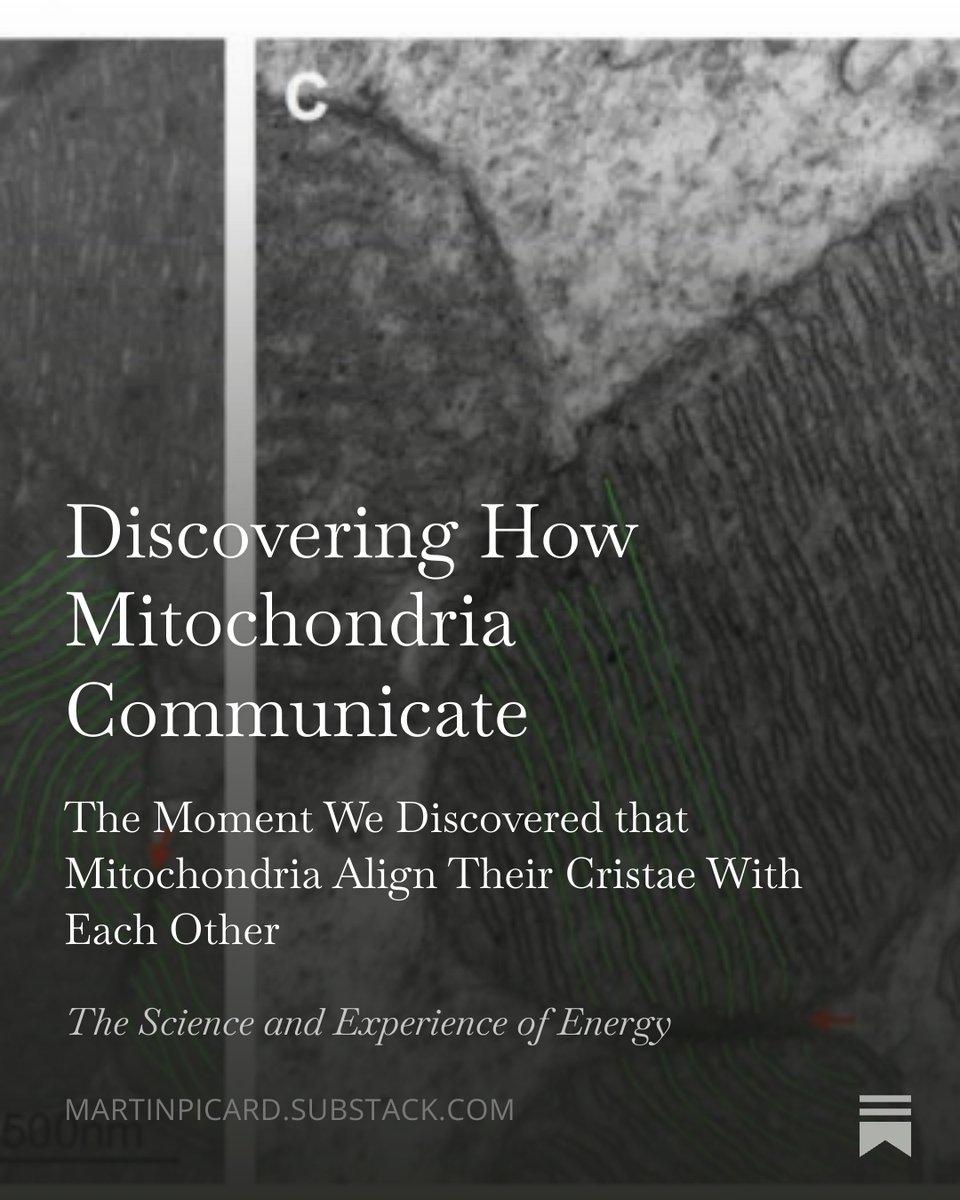
The first physical evidence that mitochondria exchange information with one another transformed how I think about these beautiful organelles. From isolated beans to social collective.
In 2015, we discovered that the inner membranes of mitochondria, where the oxygen we breathe and food-derived electrons converge, somehow interact BETWEEN mitochondria.
This is the story, with videos and pictures, of how this happened while working with Meagan McManus @MitoLoveLab in Doug Wallace's lab.
https://t.co/LRE9ocZ2wT
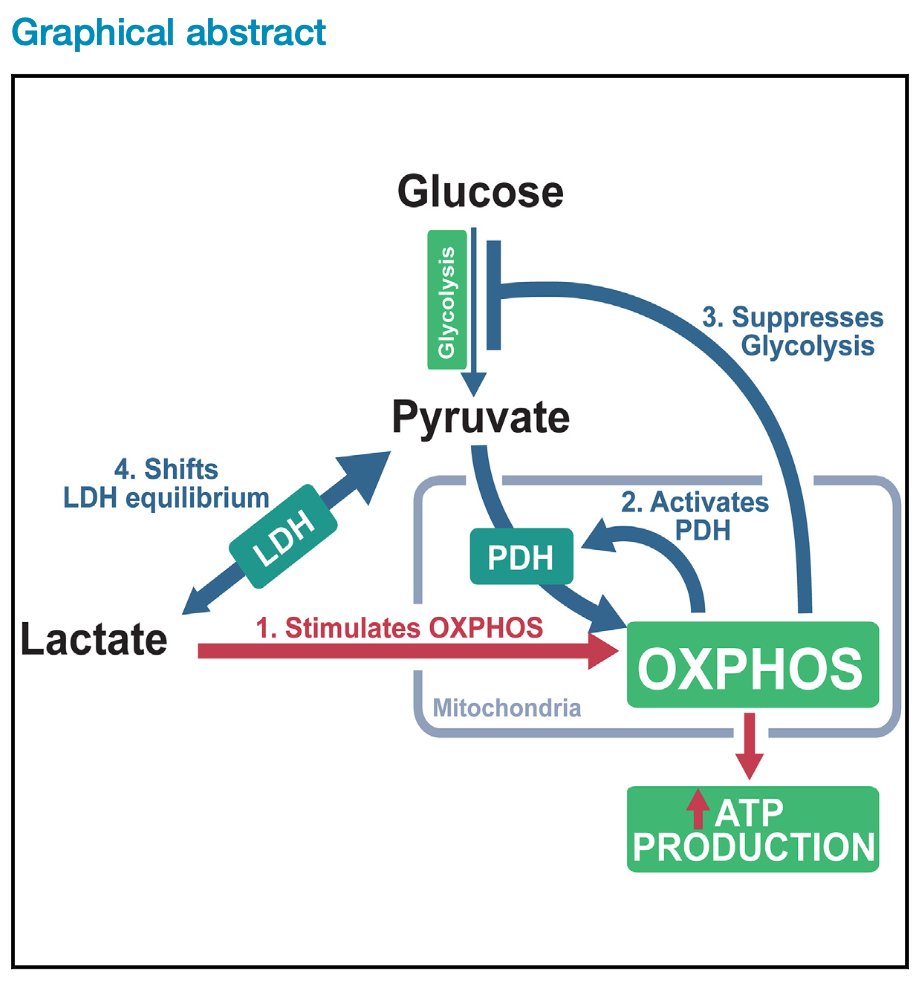
A paper I suggest reading if you are interested in Metabolism:
"Here we show that extracellular lactate acts in a dose-dependent fashion to increase oxidative phosphorylation and suppress glycolysis".
https://t.co/OZNhUKNVOO
Two cells isolated from a fish scale videoed through a DIC microscope. The cells are cool but now all I see are extracellular vesicles floating by in the media and stuck to the substrate....... #CellBiology
Can you infer cause and effect between genes without disturbing the cell? 🧬
This study shows how natural “noise” in gene expression can reveal directed gene–gene interactions.
https://t.co/3E1gHLldUr