@EricTopol Radiologist here. There is certainly more information AI can get from a CXR than a human eye can, but this relationship seems more likely related to study design and the model recognizing features other than the images themselves (ordering location/provider, study indication)
Just published @TheLancet
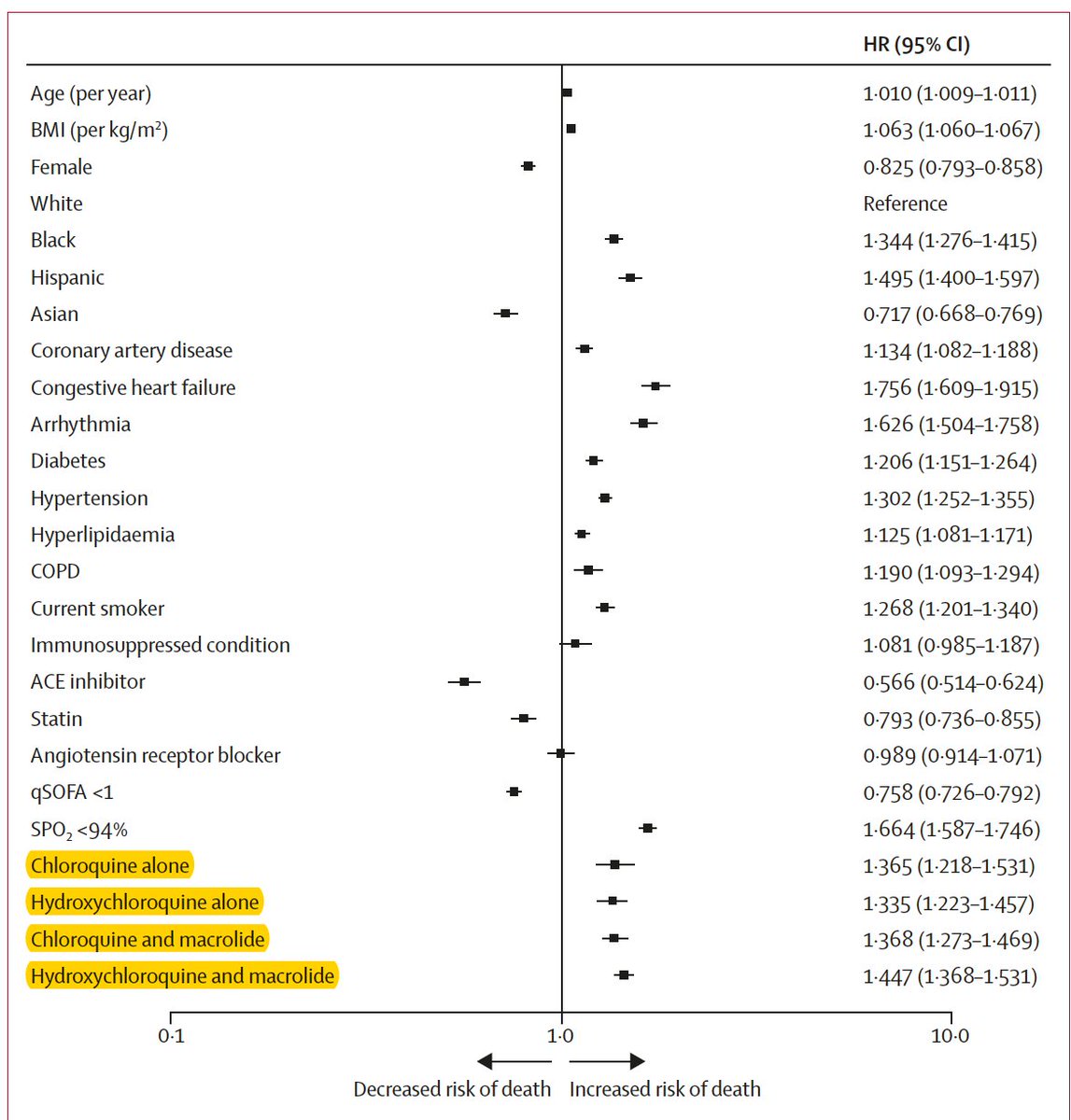
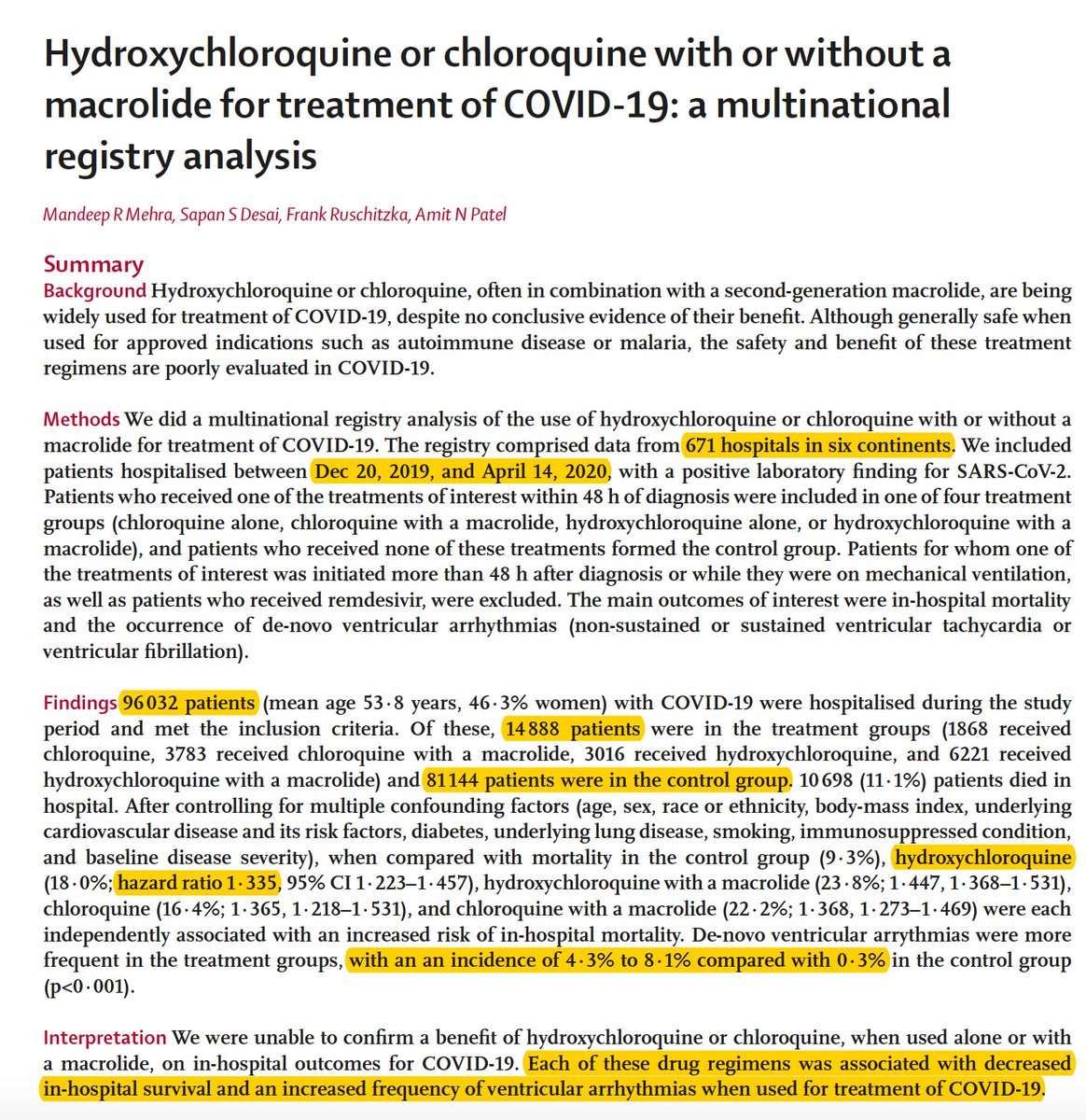
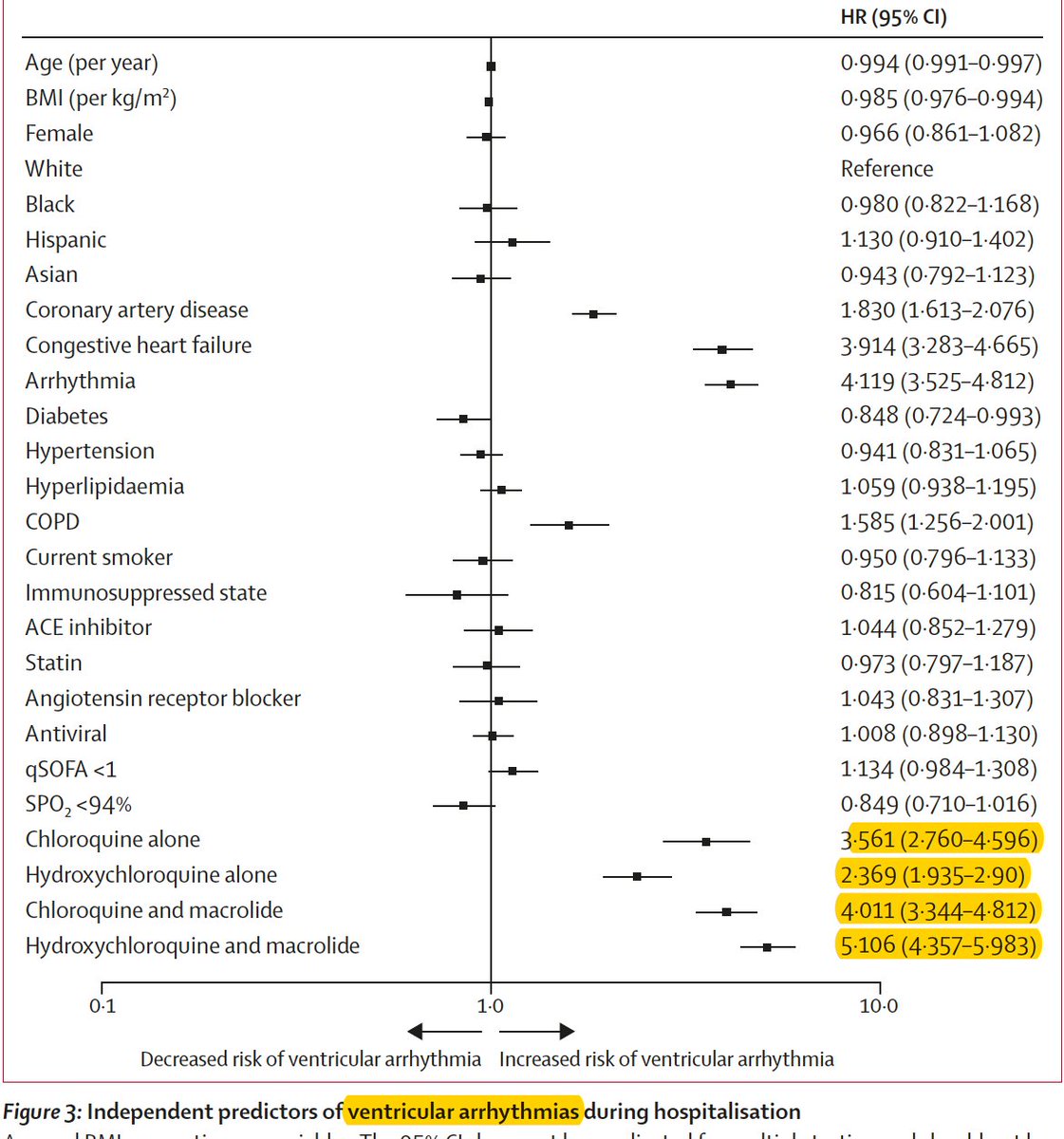
The largest study of hydroxychloroquine shows a significant increase in death (~35%) and >2-fold increase of serious heart arrhythmias. ~96,000 patients, ~15,000 on HCQ or CQ from 671 hospitals, 6 continents.
https://t.co/wl3OBKjNUs
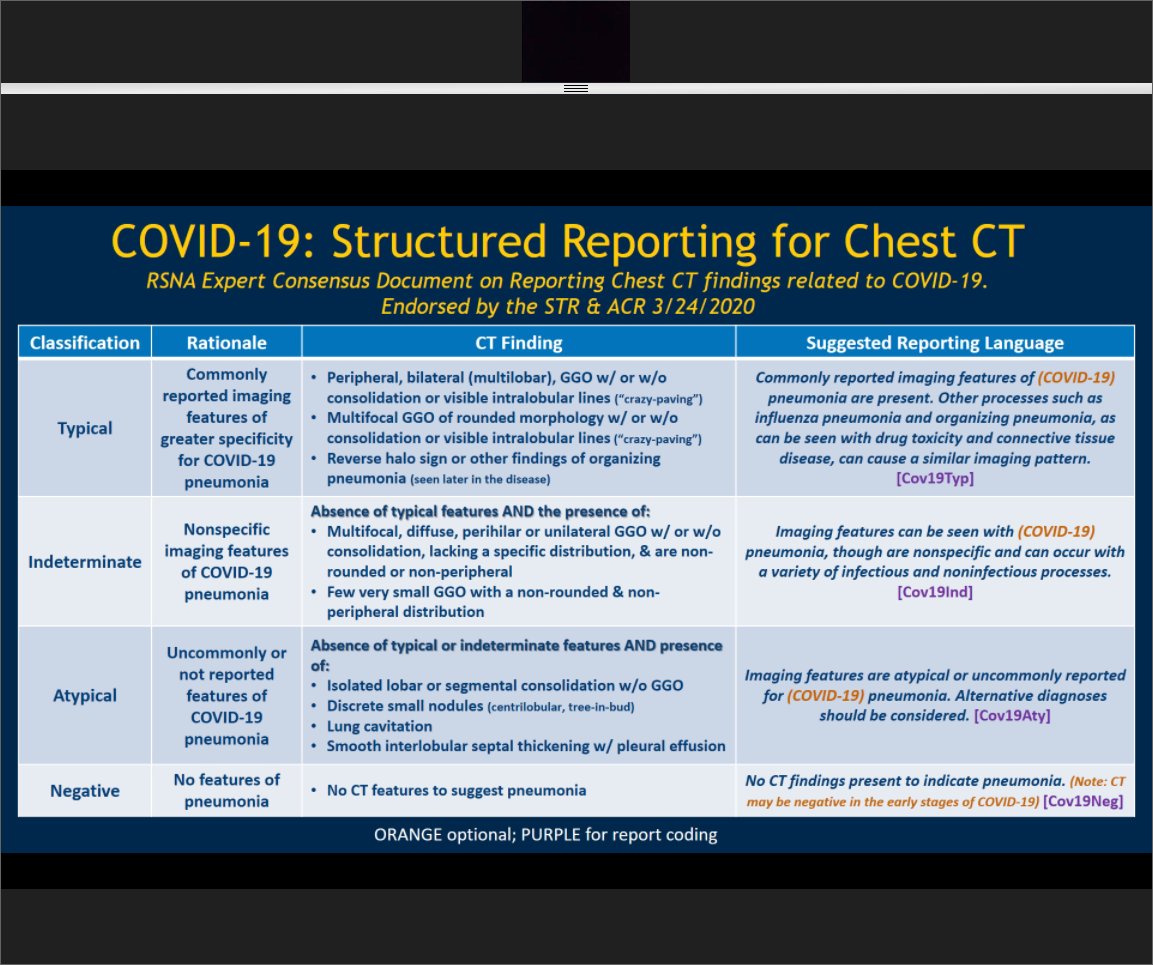
This is a big deal. CT does not alter clinical management in the initial diagnosis of COVID-19. It puts people at risk of infection and will use up PPE, which is now a huge deal. ACR, ASER, and CDC also do not support using CT in this way. #JACR
How might chloroquine work?
"...the drug appears to interfere with terminal glycosylation of the cellular receptor, angiotensin-converting enzyme 2. This may negatively influence the virus-receptor binding and abrogate the infection..."
https://t.co/9lVTXCEbHO
I don’t know who needs to hear this but...
Forget your stethoscope!
*Forget it*
*It does not help*
*It increases your risk*
*It adds nothing*
If they have a cough or any respiratory symptoms, any abnormal breathing or other vital sign.
JUST GET IMAGING.
And #KeepBreathing!🙌
Though data on coronavirus testing has been spotty, what is available shows just how behind the United States is in its screening efforts. 1/ https://t.co/6w6T5boT0M
@RogueRad This article may have helped the defense: “no credible relationship has been established between the speed of diagnostic image interpretation and accuracy.” https://t.co/zXHS4QlJgo