So grateful to see our books on belonging for children, educators & parents now published. These books are special thanks to talented co-authors & one amazing illustrator, but the real magic happens when these stories start conversations on belonging 💕
Fostering a sense of belonging in early childhood is crucial for development & wellbeing 🍎
This set of books provides a toolkit for educators to create immersive play environments that teach children about the importance of feeling included & valued.
🔗 https://t.co/NZdANfIlHO
New call for empirical articles advancing our understanding of school belonging for a special issue @carlton_fong and I are guest editing at Contemporary Educational Psychology! Abstracts due soon -- March 1, 2026! https://t.co/6mwmfeKQtS
It is all well and good for senior academics to publicly declare they refuse to engage in peer review because of the profits publishing companies are making, but maybe they should also cease to simultaneously publish their own papers and actually do something constructive to help the system. The simple fact is some academics still rely on publishing for academic performance metrics, some PhD students rely on publishing for their degrees, and many early career academics rely on publishing for progression and maybe also job security. The public, as actual recipients and beneficiaries of research knowledge, rely on research for real world impact and change. When peer review slows down, the knowledge pipeline slows down too. And turning your back on peer review hurts other scholars much more than publishing companies. Sure the climate towards peer review has changed. But unfortunately the system has not. We need to build new processes before we abort the current system. We are only hurting ourselves.
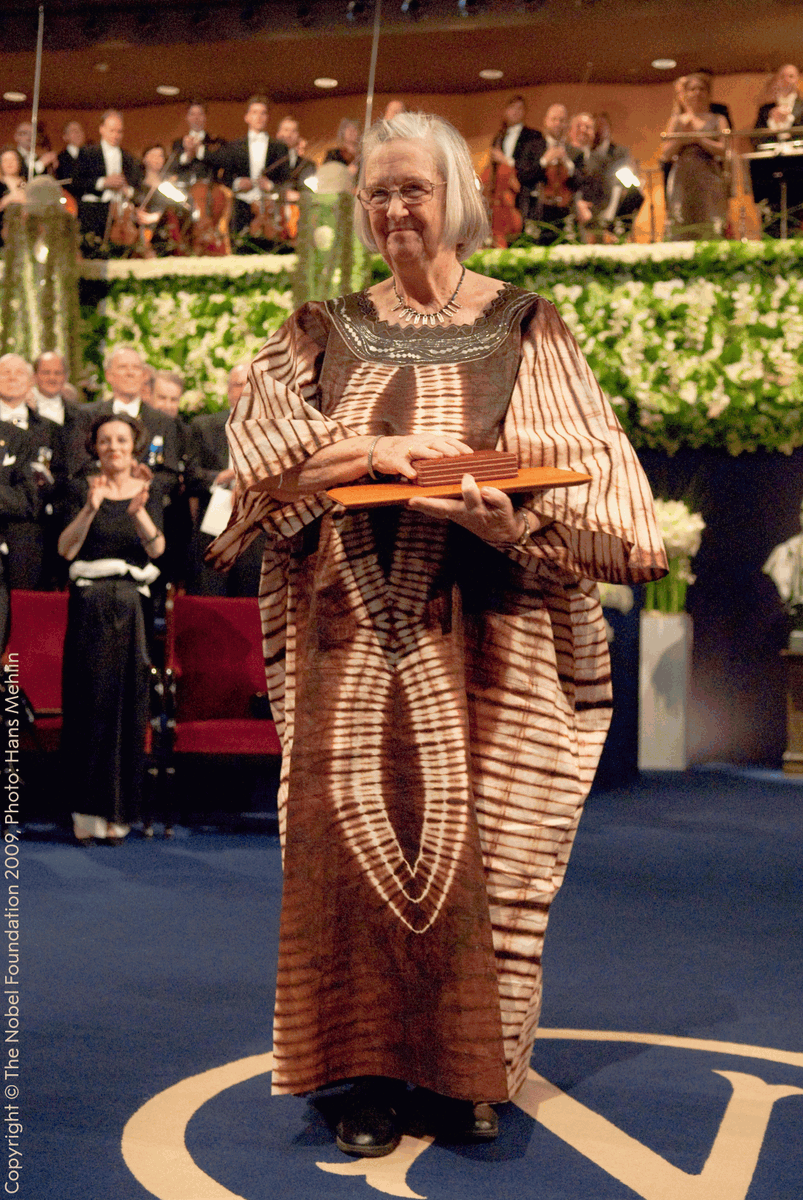
"I learned not to take initial rejections as being permanent obstacles to moving ahead."
When Elinor Ostrom applied for a PhD in economics she was turned away. She took on a different doctorate and in 2009 was the first woman to receive the prize in economic sciences.
Do people's social connections predict their chances of dying?
This new preprint links 21B Facebook friendships to U.S. county-level mortality.
It shows that social network structure is a major predictor of death rates: on par with smoking, income, and education.
Counties with more cross-class social connections have substantially lower mortality.
Tighter clustered social circles also appear to have substantially lower mortality.
However, age matters a lot. For adults 15–64, clustered networks are linked to lower mortality. For adults 70+, the pattern reverses: tighter clustering actually predicts higher mortality.
Bottom line: Health inequality isn’t just about money, behavior, or access to care. It’s also about who people are socially connected to and whether those connections cross class lines.
Do you take tea breaks with your colleagues?
A Nobel Prize laureate who really enjoyed his afternoon tea was physicist J.J. Thomson. Thomson established a daily tea time welcoming all research students for a tea break at University of Cambridge.
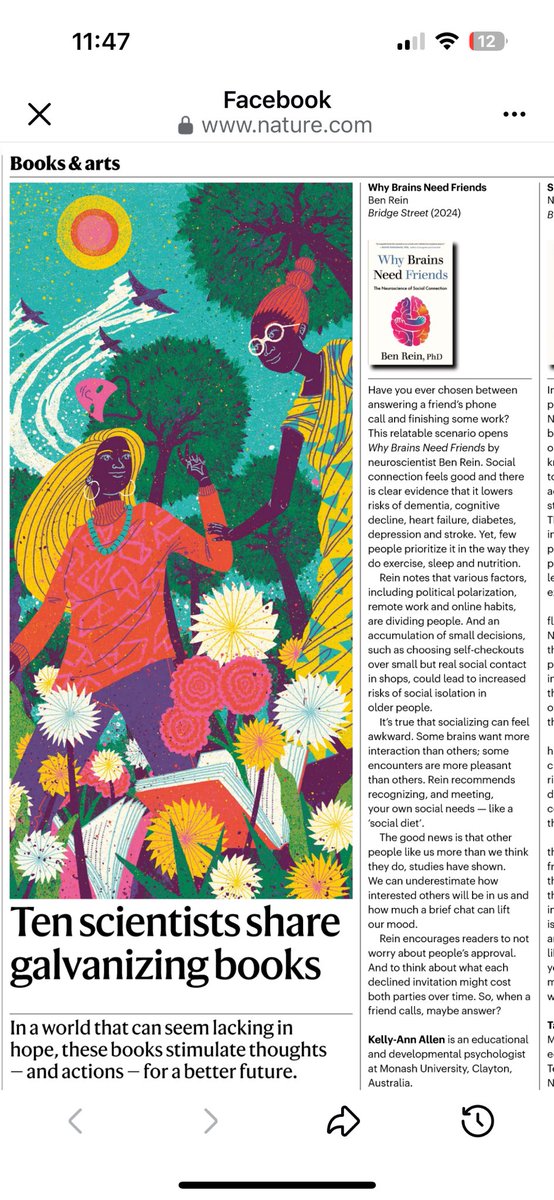
A review for @Nature on @dr_benrein’s new book on social connections. An essential read for all human beings and their dogs 🐶
https://t.co/NRG6DxrX9k
@MonashEducation@MonashUni
A great piece of work led by the wonderful @RheaJain has a story within really worth highlighting: that there is clear evidence that heritage language maintenance and cultural continuity really can (and do) support belonging across multiple settings, including school. Whereas earlier work has often framed heritage ties as competing with host-country acculturation. This review found strong heritage connection actually stabilises identity and strengthens adolescents’ capacity to engage socially and feel belonging.
Read: “Examining factors influencing belonging amongst immigrant adolescents: A scoping review” here:
https://t.co/AkXv27uf7t
@EbonyMelzak @DrChrisGrove@MonashEducation
📷 Andrej Lišakov For Unsplash+
I recently spoke to Dominique Russell for Teacher Magazine @acereduau about starting school and belonging. Grateful to contribute to this conversation as many new students embark on their schooling journey in the new year.
Read the full article here:
https://t.co/vJ01YPsvOv
@MonashEducation@Cassiehudson
One argument I hear often is that citations and awards encourage healthy competition. That may motivate some people. The original post points to something far more common (in my opinion)- unhealthy comparisons to others. We need a collectivist approach that values our shared contribution. If healthy competition is a goal, individual rankings can't be that effective if they have people doubting themselves, inciting jealousy, questioning worth etc
A recent study (shared below) reminded me that 𝐰𝐡𝐚𝐭 𝐦𝐚𝐤𝐞𝐬 𝐚 𝐏𝐡𝐃 𝐬𝐭𝐮𝐝𝐞𝐧𝐭 𝐡𝐚𝐩𝐩𝐲 𝐢𝐬 𝐧𝐨𝐭 𝐩𝐮𝐛𝐥𝐢𝐜𝐚𝐭𝐢𝐨𝐧𝐬 𝐨𝐫 𝐬𝐭𝐢𝐩𝐞𝐧𝐝𝐬, 𝐛𝐮𝐭 𝐠𝐨𝐨𝐝 𝐬𝐮𝐩𝐞𝐫𝐯𝐢𝐬𝐢𝐨𝐧.
Over the years, I have supervised 53 PhD students, and I can say with conviction that 𝘁𝗵𝗲𝗿𝗲 𝗶𝘀 𝗻𝗼 𝘀𝗶𝗻𝗴𝗹𝗲 𝘀𝘂𝗽𝗲𝗿𝘃𝗶𝘀𝗼𝗿𝘆 𝘀𝘁𝘆𝗹𝗲 that works for all. Each student is different, and every PhD journey has its ups and downs.
With some students, I spent a disproportionate amount of time helping them gain confidence. With stronger ones, my role was to 𝗴𝘂𝗶𝗱𝗲 𝘁𝗵𝗲𝗺 𝘂𝗻𝘁𝗶𝗹 𝘁𝗵𝗲𝘆 𝗳𝗼𝘂𝗻𝗱 𝘁𝗵𝗲 𝗿𝗶𝗴𝗵𝘁 𝗽𝗿𝗼𝗯𝗹𝗲𝗺 𝗮𝗻𝗱 𝗯𝗲𝗰𝗮𝗺𝗲 𝘀𝗲𝗹𝗳-𝗱𝗿𝗶𝘃𝗲𝗻.
𝗘𝗺𝗽𝗮𝘁𝗵𝘆 𝗺𝗮𝘁𝘁𝗲𝗿𝘀. Unless a student gets genuinely interested in what he or she is doing, great work rarely happens.
A good 𝘀𝘂𝗽𝗲𝗿𝘃𝗶𝘀𝗼𝗿 𝗺𝘂𝘀𝘁 𝗮𝗹𝘀𝗼 𝗵𝗮𝘃𝗲 𝗴𝗼𝗼𝗱 𝗿𝗲𝗹𝗮𝘁𝗶𝗼𝗻𝘀𝗵𝗶𝗽𝘀 𝘄𝗶𝘁𝗵 𝗰𝗼𝗹𝗹𝗲𝗮𝗴𝘂𝗲𝘀. I never restricted my students from seeking advice from other faculty. In fact, I always encouraged it and built a network they could freely approach. I also followed an 𝗼𝗽𝗲𝗻-𝗱𝗼𝗼𝗿 𝗽𝗼𝗹𝗶𝗰𝘆 - any student could walk into my office anytime for advice.
I never had a lab of my own in any institution I worked at. Instead, I built common labs, shared by all, to promote collaboration and collective ownership. I have always believed that the 𝗯𝗲𝘀𝘁 𝗿𝗲𝘀𝗲𝗮𝗿𝗰𝗵 𝗲𝗻𝘃𝗶𝗿𝗼𝗻𝗺𝗲𝗻𝘁𝘀 𝗮𝗿𝗲 𝘁𝗵𝗼𝘀𝗲 𝘄𝗵𝗲𝗿𝗲 𝗽𝗲𝗼𝗽𝗹𝗲 𝗮𝗻𝗱 𝗳𝗮𝗰𝗶𝗹𝗶𝘁𝗶𝗲𝘀 𝗮𝗿𝗲 𝘀𝗵𝗮𝗿𝗲𝗱, 𝗻𝗼𝘁 𝗼𝘄𝗻𝗲𝗱.
I have always taken 𝗽𝗲𝗿𝘀𝗼𝗻𝗮𝗹 𝗿𝗲𝘀𝗽𝗼𝗻𝘀𝗶𝗯𝗶𝗹𝗶𝘁𝘆 𝗳𝗼𝗿 𝗲𝗻𝘀𝘂𝗿𝗶𝗻𝗴 𝘁𝗵𝗮𝘁 𝗺𝘆 𝗣𝗵𝗗 𝘀𝘁𝘂𝗱𝗲𝗻𝘁𝘀 𝗳𝗶𝗻𝗱 𝘁𝗵𝗲𝗶𝗿 𝗳𝗶𝗿𝘀𝘁 𝗷𝗼𝗯 𝗮𝗳𝘁𝗲𝗿 𝗴𝗿𝗮𝗱𝘂𝗮𝘁𝗶𝗼𝗻. Since most of them worked on industry-supported projects, this was never a problem.
Nearly 90% of my PhD students wrote their first peer-reviewed paper with me.
Unlike in the US, where professors often get students with prior research experience, 𝗶𝗻 𝗜𝗻𝗱𝗶𝗮 𝘄𝗲 𝘄𝗼𝗿𝗸 𝘄𝗶𝘁𝗵 𝗿𝗮𝘄 𝘁𝗮𝗹𝗲𝗻𝘁 𝗮𝗻𝗱 𝗵𝗲𝗹𝗽 𝘀𝗵𝗮𝗽𝗲 𝘁𝗵𝗲𝗺 𝗶𝗻𝘁𝗼 𝗰𝗮𝗽𝗮𝗯𝗹𝗲 𝗿𝗲𝘀𝗲𝗮𝗿𝗰𝗵𝗲𝗿𝘀. Faculty in Indian institutions (at least in the institutions where I worked so far - IIT Bombay, IIT Delhi and BITS Pilani) often put in far more time and effort per student than many of our counterparts abroad.
The 𝗿𝗲𝗮𝗹 𝗿𝗲𝘄𝗮𝗿𝗱 𝗰𝗼𝗺𝗲𝘀 𝗳𝗿𝗼𝗺 𝘀𝗲𝗲𝗶𝗻𝗴 𝘀𝘁𝘂𝗱𝗲𝗻𝘁𝘀 𝘁𝗿𝗮𝗻𝘀𝗳𝗼𝗿𝗺 𝗶𝗻𝘁𝗼 𝗰𝗼𝗻𝗳𝗶𝗱𝗲𝗻𝘁 𝗿𝗲𝘀𝗲𝗮𝗿𝗰𝗵𝗲𝗿𝘀, 𝗶𝗻𝗻𝗼𝘃𝗮𝘁𝗼𝗿𝘀, 𝗮𝗻𝗱 𝘁𝗲𝗮𝗰𝗵𝗲𝗿𝘀. That makes everything worthwhile.
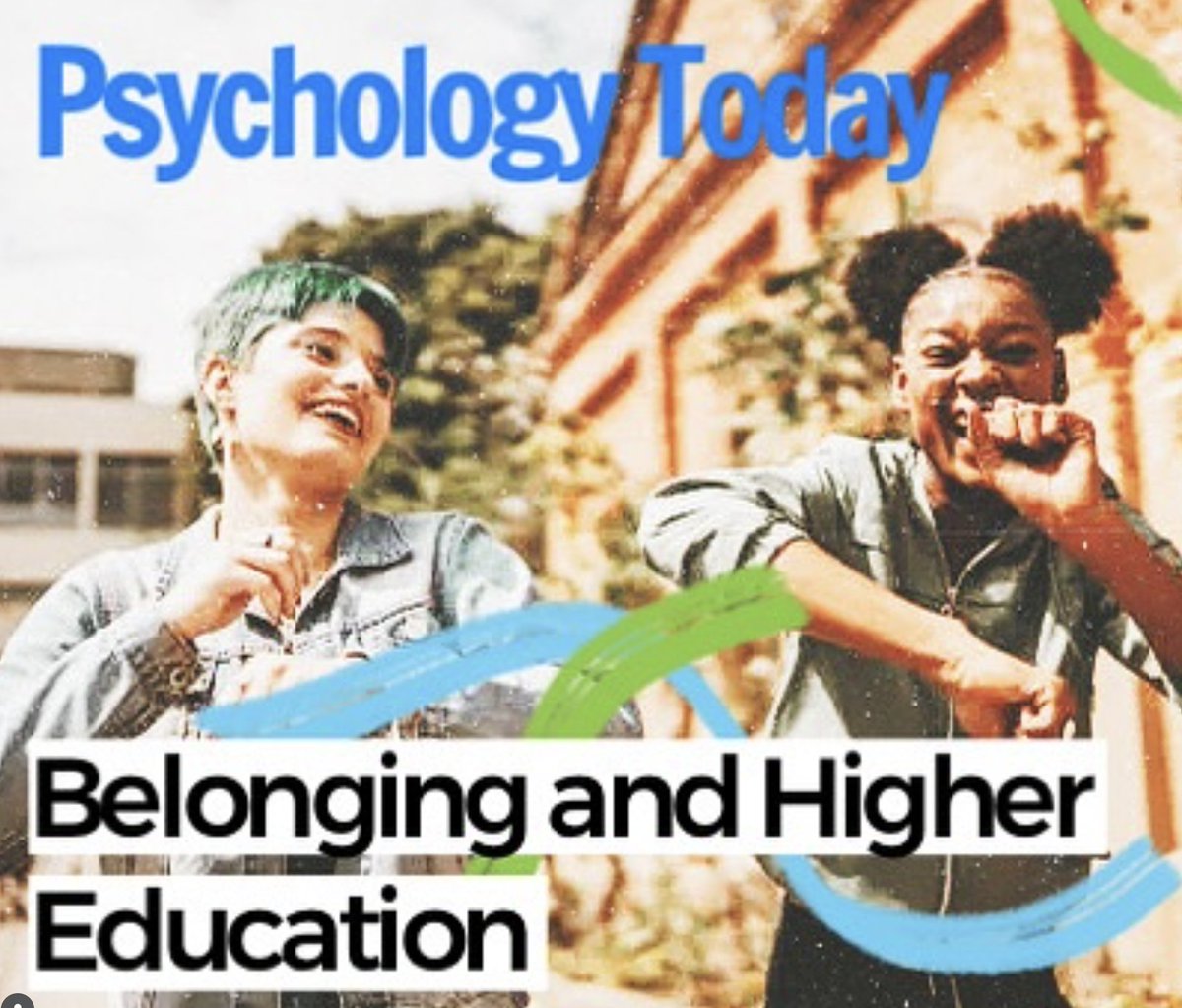
This piece for @PsychToday is a reminder that people matter for belonging, but they are not everything. We describe our study with children in the first year of school and some new insights about the importance of play, predictability, & Lego!
https://t.co/qEaN58JR5i
If you love free things and love @jocelynbrewer then this is for you. Her free webinar on Nov 6 will help parents navigate the teen social media ban. Link to sign up: https://t.co/P6yAEfbgk6
“Given the choice of anyone in the world, whom would you want as a dinner guest?” I was asked that last weekend, and if I had to answer right now, I would say @SuzieMillerWrtr, playwright of Inter Alia. I want to talk through what comes next, to imagine a sequel or a way forward. A new way! This film left me crying for three days. It’s beautiful, but brutal. And it is unsettling in the right kind of way, necessary for change. But I am keen to know, what’s next for us?
Overall, Inter Alia: 5 stars; the patriarchy: 1 star
My reflections with @SteveRoberts_ for the @abcnews Religion and Ethics section are here:
https://t.co/pCoDO79WgC
Thank you for creating conversations @sharmillfilms & @watchgoodfilm 🙏
@MonashEducation