Researchers sent the same resume to an AI hiring tool twice. Same qualifications. Same experience. Same skills. One version was written by a real human. The other was rewritten by ChatGPT.
The AI picked the ChatGPT version 97.6% of the time.
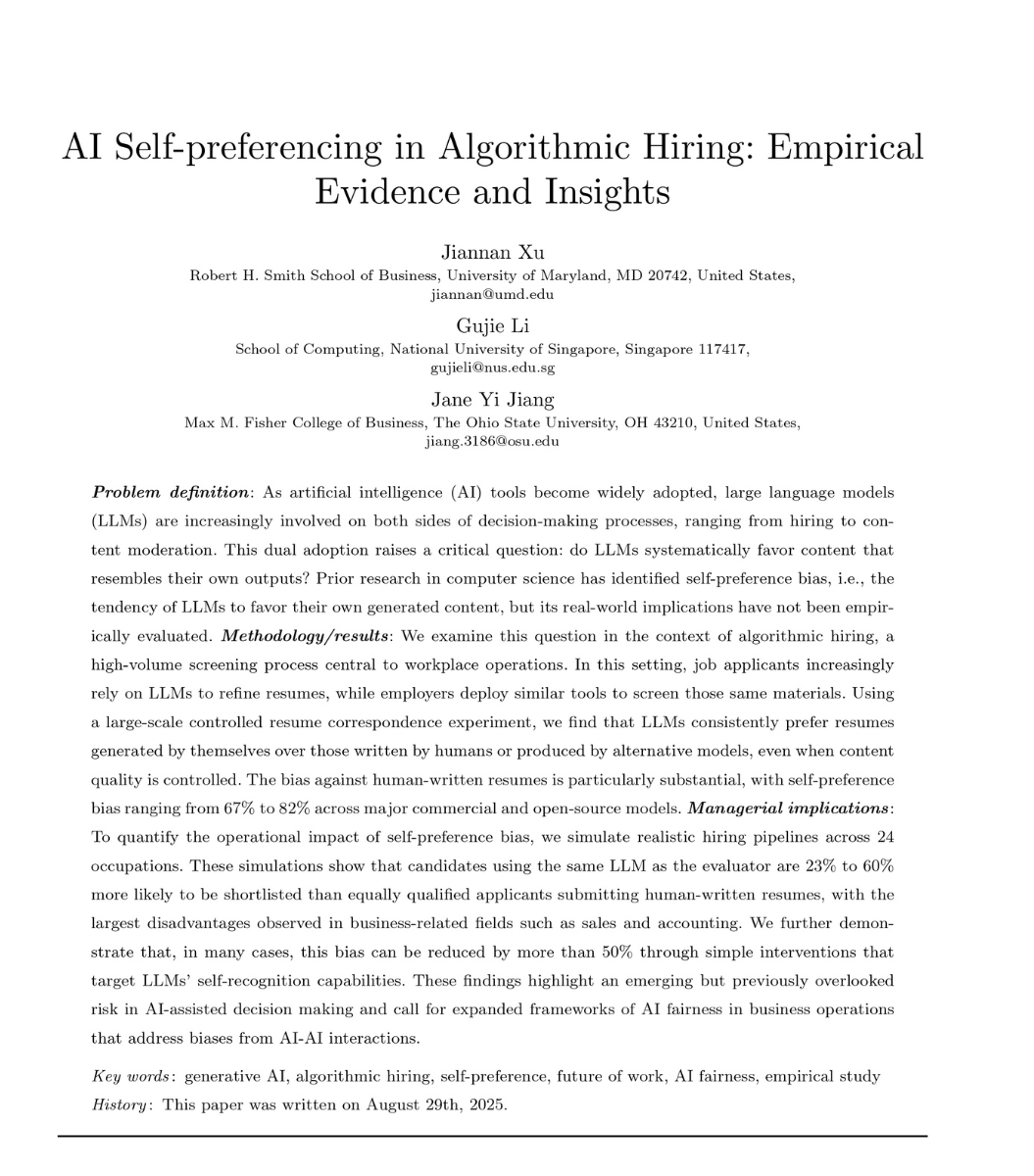
A team from the University of Maryland, the National University of Singapore, and Ohio State just published the receipt. They took 2,245 real human-written resumes pulled from a professional resume site from before ChatGPT existed, so the human writing was actually human. Then they had seven of the most-used AI models in the world rewrite each one. GPT-4o. GPT-4o-mini. GPT-4-turbo. LLaMA 3.3-70B. Qwen 2.5-72B. DeepSeek-V3. Mistral-7B.
Then they asked each AI to pick the better resume. Every model picked itself.
GPT-4o hit 97.6%. LLaMA-3.3-70B hit 96.3%. Qwen-2.5-72B hit 95.9%. DeepSeek-V3 hit 95.5%. The real human almost never won.
Then the researchers tried the obvious objection. Maybe the AI is just better at writing. So they had real humans grade the resumes for actual quality and ran the experiment again, controlling for it. The result was worse. Each AI kept picking itself even when human judges rated the human-written version as clearer, more coherent, and more effective.
It gets worse. The AIs do not just prefer AI over humans. They prefer themselves over other AIs. DeepSeek-V3 picked its own resumes 69% more often than LLaMA's. GPT-4o picked its own 45% more often than LLaMA's. Each model can recognize and reward its own dialect.
Then the researchers ran the simulation that ends careers. Same job. 24 occupations. Same qualifications. The only variable was whether the candidate used the same AI as the screening tool. Candidates using that AI were 23% to 60% more likely to be shortlisted. Worst gap was in sales, accounting, and finance.
99% of large companies now run AI on incoming resumes. Most of them use GPT-4o. The paper just proved GPT-4o picks GPT-4o 97.6% of the time.
If you wrote your own cover letter this week, you did not lose to a better candidate. You lost to a worse candidate who paid OpenAI 20 dollars.
Your qualifications do not matter if the AI prefers its own handwriting over yours.
I'm still reading posts on LinkedIn claiming that Finland is the best education system in the world. It's not. They performed top in reading once (2000) and have been declining ever since.
The Finland Education Myth Explained in 60 Seconds. Link below👇
The shift to adaptive teaching: A research-informed guide by Mark Leswell, published in IMPACT magazine (Chartered College of Teaching), 2025.
https://t.co/Z96wT5golF
In the latest episode of my AI in Education series, @C_Hendrick explains why AI will fundamentally change how students learn and the role of teachers. Listen to the full episode on the Mr Barton Maths Podcast.
We’re teaching children to see struggle as signs of mental ill health. In doing so, schools risk becoming places of emotional management rather than intellectual growth, thus becoming traumagenic.
What if suffering is a sane response to adversity, not a condition to be treated?
Link below ⬇️
In this week’s edition of ⚗️DistillED, I’m looking at retrieval practice and covering:
🧠 Why thinking hard strengthens learning
📈 When retrieval helps (& when it doesn’t)
🧟 Common lethal mutations
🎓 How to design retrieval with fidelity
https://t.co/u3rXX03E92
🧵I’m not sure where to start. I’ve done this type of teaching before, and it’s simply unsustainable and not effective. I understand the appeal. It’s similar to learning styles. It sounds like it makes sense: give students lots of choice and they will want to learn, and therefore learn more. This plays well in short video clips like this and on paper, but it’s not realistic especially from a planning or implementation perspective. Just look at this chart. No one can, or should, attempt to do this.
The chart shows why. It’s a menu of preferences, not instruction. Planning and implementing parallel options like this for every lesson is wildly inefficient and unmanageable. Teachers end up spreading their attention thin, coherence suffers, and instruction weakens. Learning doesn’t improve because students choose preferred formats; it improves when methods match the task and are grounded in evidence. This isn’t realistic, sustainable, or effective.
1/4
5 years old - Dad knows everything!
7 years old - Dad knows.
10 years old - Maybe Dad doesn’t know?!
12 years old - Dad doesn’t know.
14 years old - Dad's gone crazy!
16 years old - Can’t take Dad seriously.
18 years old - What does dad know?!
22 years old - Dad's talking rubbish!
24 years old - I know more than Dad!
26 years old - Dad seems to know some things after all.
30 years old - Think I should ask Dad about this?!
40 years old - It’s amazing how Dad went through all this!
45 years old - Dad's been right all along.
50 years old - If Dad was here, I could have learned a lot from him.
This week won so here's the link (there are around 1200 files in all): https://t.co/tEtmpq3SQL.
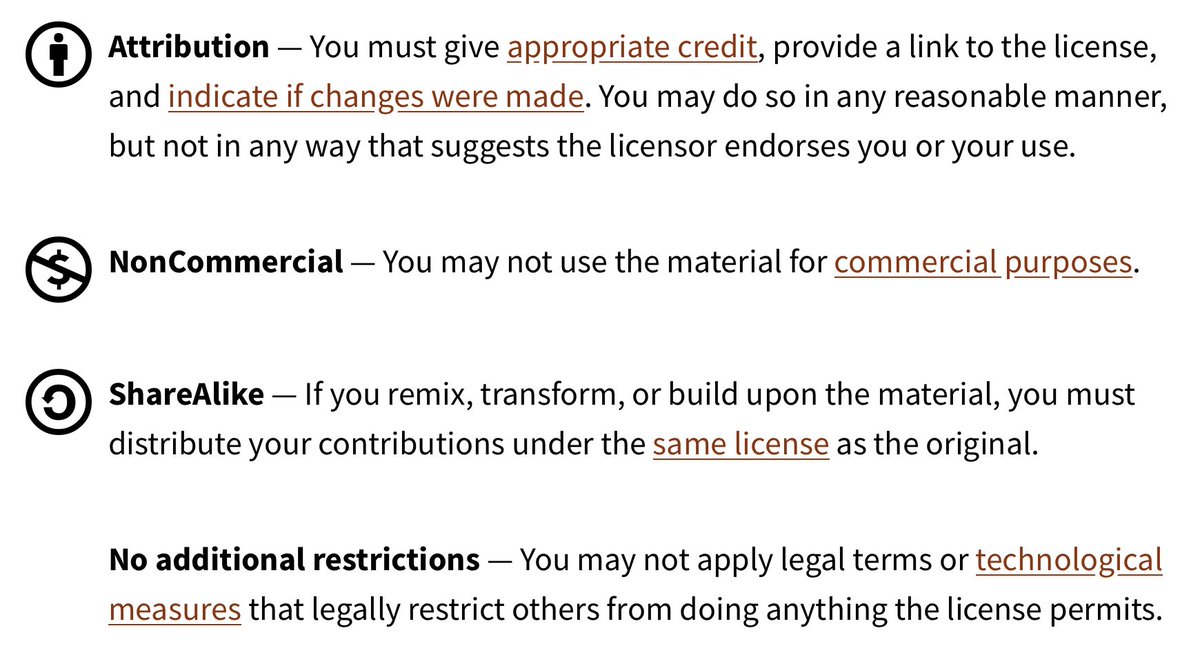
These are made available under a Creative Commons BY-NC-SA license: https://t.co/qei9LJvtu1. This means you can Share and
Adapt the material with the following conditions:
The doorman fallacy.
Reminds me of teaching regarding the invisibility of the role expert veteran teacher play.
One headteacher on this platform sees it as extra salary for doing the same job.
An experienced ‘old salt’ brings more to the table than teaching.
The way we help students with stress is to help them to master that stress or see the trigger as less stressful, not by confirming that the source of their anxiety must be avoided at all costs.
It's time to remove laptops from classrooms.
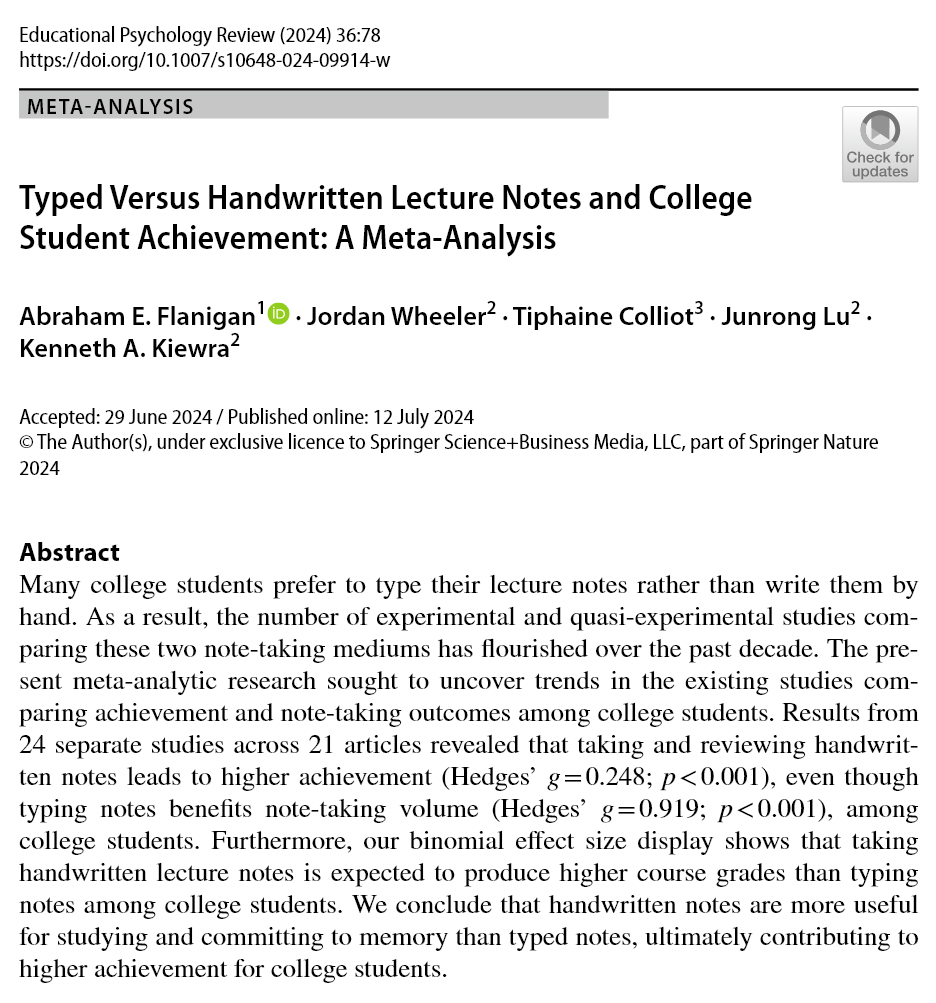
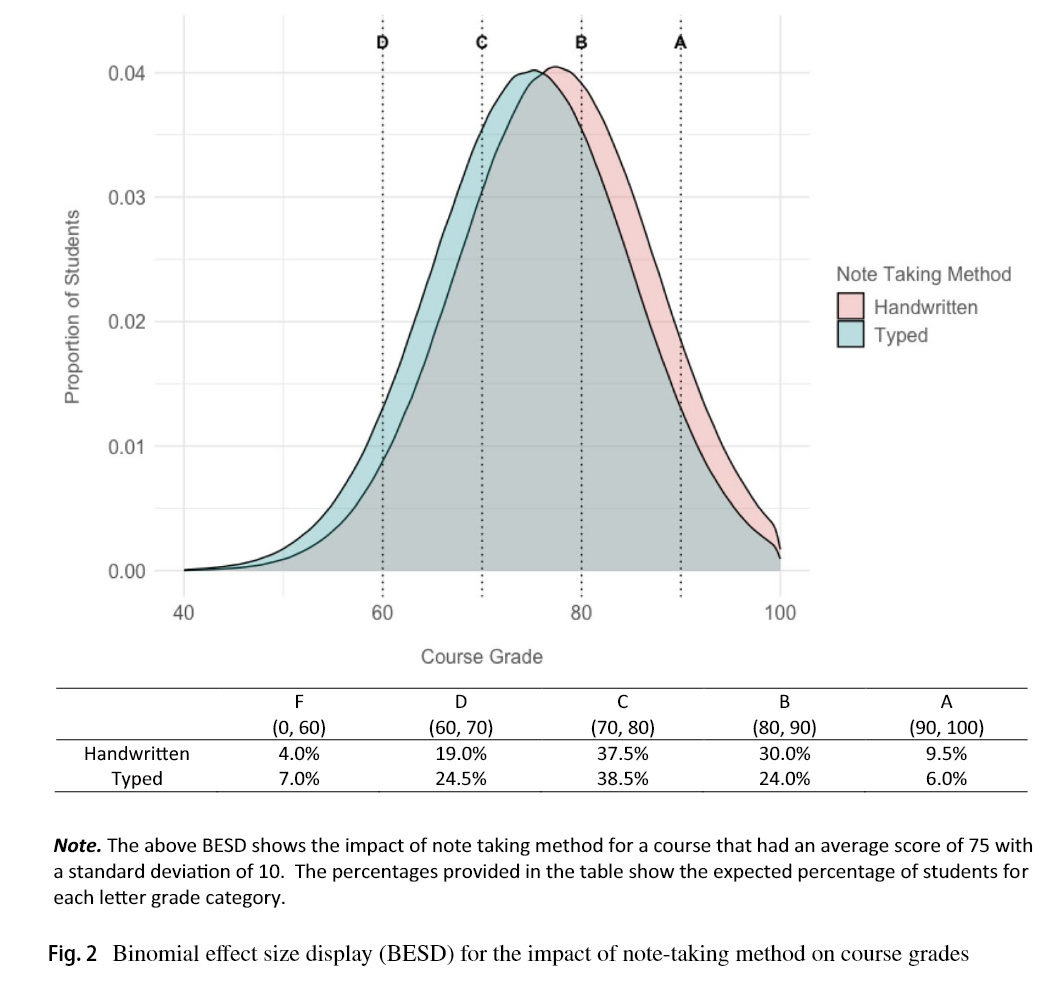
24 experiments: Students learn more and get better grades after taking notes by hand than typing. It's not just because they're less distracted—writing enables deeper processing and more images.
The pen is mightier than the keyboard.
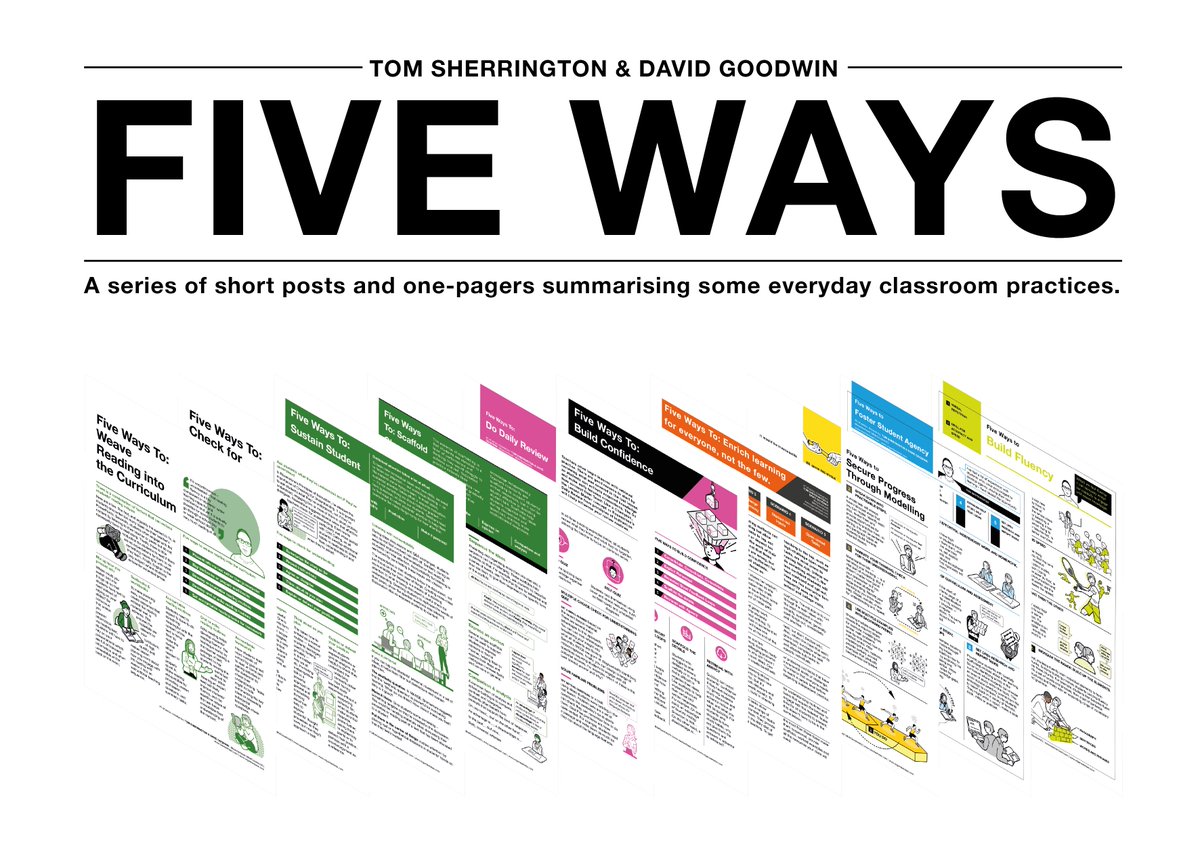
Here is a thread containing all ten of our 'Five Ways' one-pagers. I've included the links to @teacherhead's original blog. You'll also find a PDF of each one-pager; PDF files are better for printing.
🙇♂️ RETRIEVAL PRACTICE PRINCIPLES! This new poster is based on ‘Making Retrieval Practice Actually Work: Seven Essential Principles for Teachers to Know’ an important blog post by the excellent @C_Hendrick 🙌
Carl’s Post 👉 https://t.co/9IhvwxHIPk
REPOST and grab a free HQ PDF here 👉 https://t.co/Xj2XpPGvnu