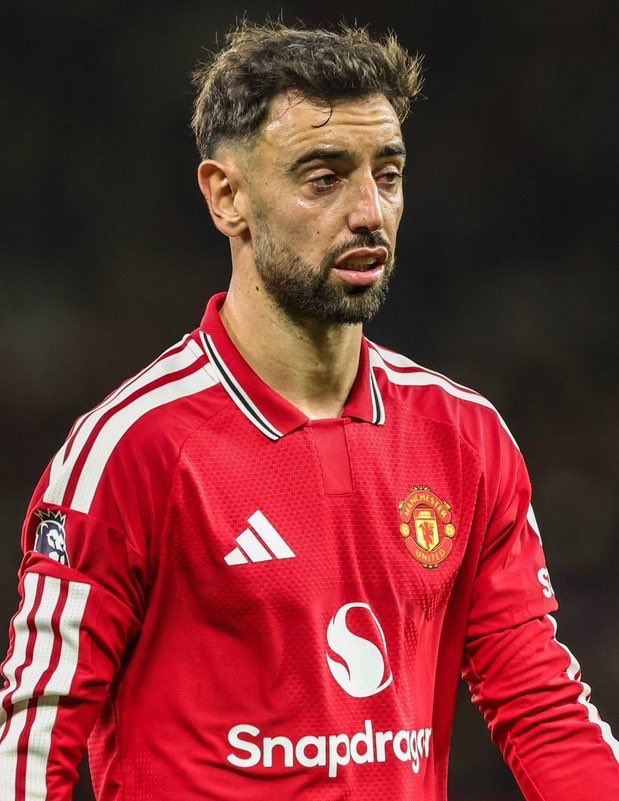
🚨 𝗗𝗜𝗗 𝗬𝗢𝗨 𝗞𝗡𝗢𝗪: Florian Wirtz beats Cole Palmer in a very interesting stat! 😵
He has scored more NON penalty goals than Palmer since the start of last season.
As the NPP advances its parliamentary candidate selection process this week, I have been reflecting on the constituencies we seek to represent. My own years representing Manhyia and later Manhyia South bring Kumasi’s changing parliamentary history particularly close to home.
Names such as Old Tafo–Suame and Asokwa East and West will bring back memories for many residents, especially those who remember when constituencies that now elect their own MPs once shared a representative. Having served through part of that change, I know how closely a constituency’s identity is tied to its people.
Kumasi first had its own representative in the Legislative Council in 1946 through a municipal seat, and in 1951 the town had one municipal seat in the new Legislative Assembly. At the 1954 elections, Kumasi town was represented through Kumasi North and Kumasi South, while by 1965, familiar names such as Bantama, Manhyia, Subin and Asokwa appeared in the parliamentary records, featuring again in the elections of 1969 and 1979.
Although military interventions repeatedly interrupted parliamentary life, the return to parliamentary elections in 1992 opened another chapter. Historic metropolitan Kumasi then had six constituencies: Bantama, Manhyia, Subin, Old Tafo–Suame, Asokwa East and Asokwa West.
The changes ahead of the 2004 elections brought the number to ten. The former Bantama constituency was divided into Bantama, Nhyiaeso and Kwadaso; Old Tafo–Suame became Old Tafo and Suame; and Asokwa East and West were reorganised into Asokwa, Asawase and Oforikrom. When Manhyia became Manhyia North and Manhyia South in 2012, the number rose to the eleven we know today.
Behind these changing boundaries are families who have watched their neighbourhoods grow, organisers who have sustained the party through difficult years and younger generations seeking opportunities of their own. Their needs and expectations have changed with the city, and the way we represent them should reflect those changes.
Kumasi’s story is one part of a wider national history. Across Ghana, constituencies carry their own memories of service, sacrifice and change, and those seeking to represent them have much to learn from the people who have shaped them.
As members who submitted their declarations of intent prepare for the next stages, I hope they will take time to understand that history and listen to the communities they wish to serve. Respect for those who came before can give fresh ideas a firmer foundation, while respect for the party’s rules and one another can help strengthen the bonds we share.
Wherever we seek to serve, our responsibility is to understand the people, respond to their needs and earn their confidence through our work.
In September, I attended an Atlantic Council discussion in New York to support former Nigerian President Olusegun Obasanjo as he participated in a fireside chat on building national value in the global mining economy.
His continued contribution to Africa’s affairs deserves admiration. Africa needs the experience of those who have served, together with fresh ideas and the energy of new generations.
OBJ’s example reminds us that the opportunity to serve continues beyond political office.
A Ghanaian developer has created a simulation game that allows players to explore Accra virtually, featuring familiar spots such as the University of Ghana and other popular locations.
As the year draws towards its end, some of us may be looking at our lives and wondering whether we are where we hoped to be. The thought that we have not yet fulfilled our purpose can become a burden, especially when we measure ourselves against other people’s progress.
It is good to have ambitions, but we must be careful not to become so consumed by what remains unfinished that we overlook the meaning in what we do each day. Caring for a family, helping someone through a difficult season or learning to do our work better can matter more than we realise.
Our purpose may become clearer as we take on responsibilities, discover our abilities and respond to the needs around us. We can keep working towards what we hope to achieve while allowing ourselves room to learn, change direction and appreciate how far we have come.
As we begin this new week, may God grant us wisdom to recognise what matters, strength to keep growing and peace as we work through what we do not yet understand.