If you have had a bad experience w the Republik, BAMP, and/or “HI Bred Protection” pls reach out to me.
I am tired of their classism, ableism, transphobia, and lack of actual protection for survivors of assault.
idk, it just seems easier to encourage a person who is doing some things but not everything right to do more instead of belittling them for what they are doing wrong? like to you want change or do you just want to be more correct?
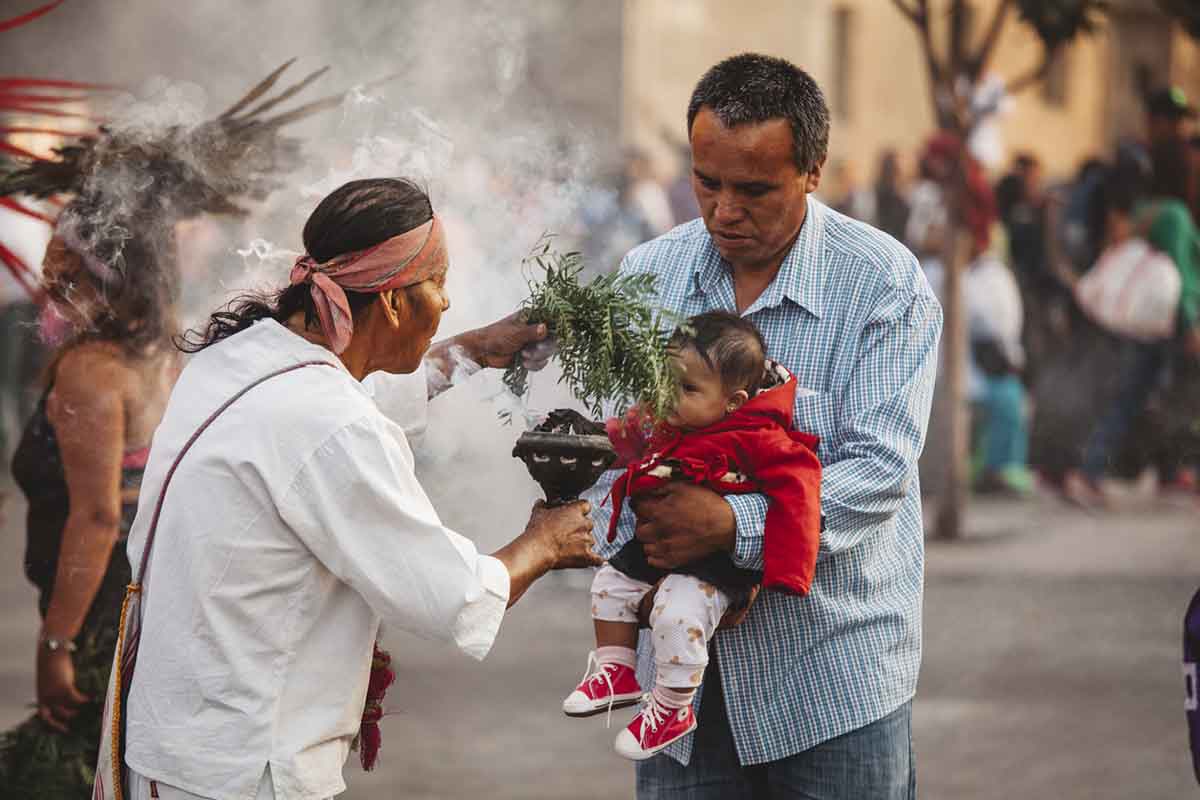
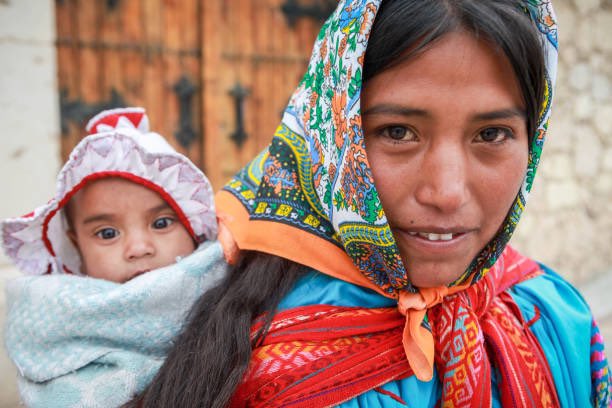
Mexico is a country with a deep-rooted history of indigenous cultures that dates back thousands of years. The land that is now Mexico was inhabited by diverse groups long before the arrival of the Spanish colonizers in the 16th century. Today, Mexico recognizes 68 distinct indigenous groups, each with its own unique languages, traditions, and customs.
The Maya civilization, one of the most well-known indigenous groups in Mexico, thrived in the Yucatan Peninsula and parts of present-day Guatemala, Belize, Honduras, and El Salvador. They were renowned for their advanced knowledge of mathematics, astronomy, and architecture, as seen in the impressive ruins of cities like Chichen Itza and Palenque.
The Aztecs, or the Nahua people, established the mighty Aztec Empire in the central region of Mexico. Their capital, Tenochtitlan, was a marvel of engineering and a vibrant center of commerce and culture. Today, many Nahua descendants still reside in Mexico, maintaining their cultural practices and languages.
In southern Mexico, the Zapotec and Mixtec peoples developed sophisticated societies with impressive art and architecture. Their ancient cities, such as Monte Albán and Mitla, showcase their architectural prowess and artistic achievements.
In the northwestern region, the Tarahumara, also known as the Rarámuri, have preserved their unique culture despite outside influences. They are known for their long-distance running abilities and traditional crafts like basket weaving.
Another notable group is the Huichol people, who primarily inhabit the Sierra Madre Occidental mountains. They have maintained their spiritual practices and artistic traditions, notably producing intricate yarn paintings and beadwork that reflect their cosmology.
In short, the indigenous peoples of Mexico, such as the Maya, Zapotec, Mixtec, Nahua, Tarahumara, and Huichol, among others, contribute to the country's rich cultural diversity. Their historical achievements and cultural practices continue to influence and shape modern-day Mexico, making them an integral part of the nation's identity and heritage. Efforts to recognize and support their rights and cultural preservation are vital for fostering a more inclusive and equitable society.