Development and Research Organisation for Nature, Arts and Heritage in India @dronah.org
Culture, Nature, Community, Conservation, World Heritage, Museums
Comparisons are futile but for me one of India's greatest engineering achievements remains the 217 feet tall shadowless Brihadisvara Temple built by Raja Raja Chola I in 1010.
Crafted with giant interlocked stones and crowned by an 81 ton kumbam, it was built within six years.
Why is the loss of the Great Wall of Amer inevitable?
Nothing has changed. A blog I wrote in 2015 is valid even today. We need to protect our heritage, but looks like no one cares.
Read https://t.co/qEg00V5T07 via @arvjpr#Jaipur#Heritage#history#Jaipurthrumylens
Join us on June 5th at 5:30 PM IST for an enlightening session with Dr. Madhumita Puri, winner of the Prabha Prabhakar Bhardwaj Grant 2026.
Meeting Link: https://t.co/gn8uYqJVDg
#WorldEnvironmentDay
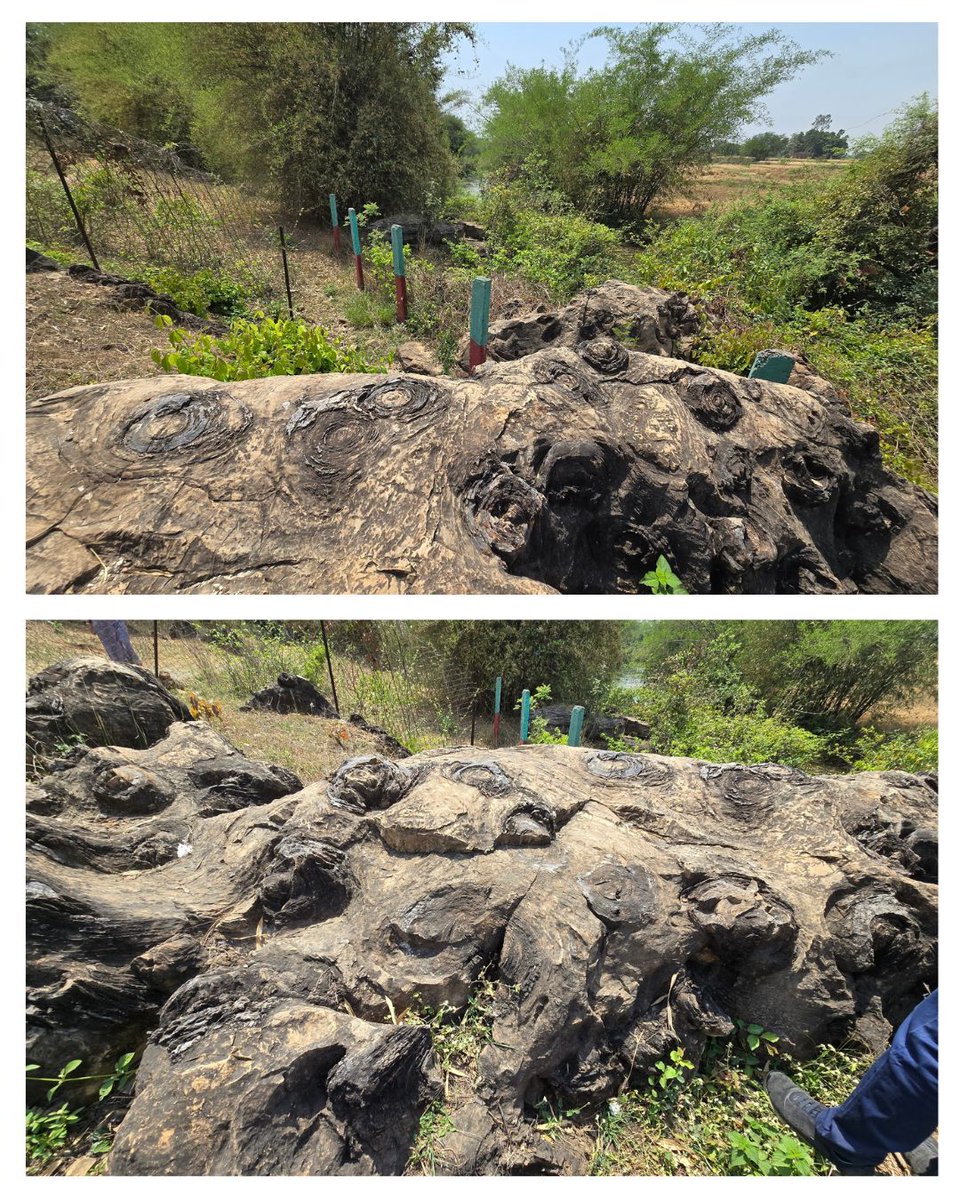
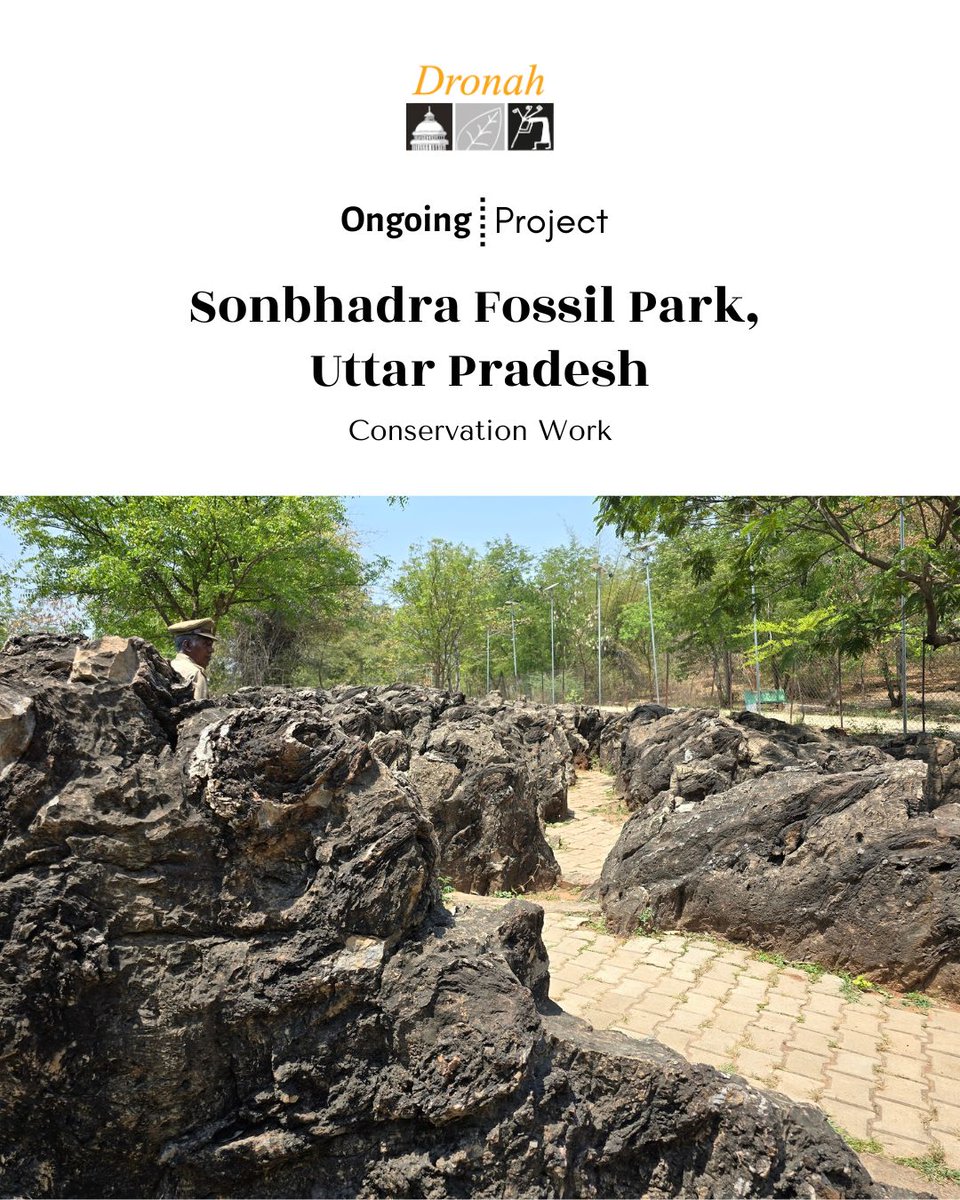
We are partnering with @uptourismgov to prepare the UNESCO World Heritage Nomination Dossier & Management Plan for Sonbhadra Fossil Park! At 1.4 billion years old, it’s one of the world's oldest fossil sites.
Let's bring global recognition to UP's geological marvel!
Anand Mahindra: 'We'll need this in the years ahead': Anand Mahindra praises Jaipur's unique cooling technique amid 40°C heatwaves - The Times of India https://t.co/tvMrL2NyxL
Culture shapes how we see the world and how we connect with one another.
On the World Day for Cultural Diversity for Dialogue and Development, we mark the richness of our many identities, traditions and ways of life. Cultural diversity is a force for dialogue, mutual understanding and sustainable development.
UNESCO helps turn this vision into action by creating spaces where dialogue and cultural exchange can thrive.
Explore some of UNESCO’s initiatives: https://t.co/JMx92x2WAo
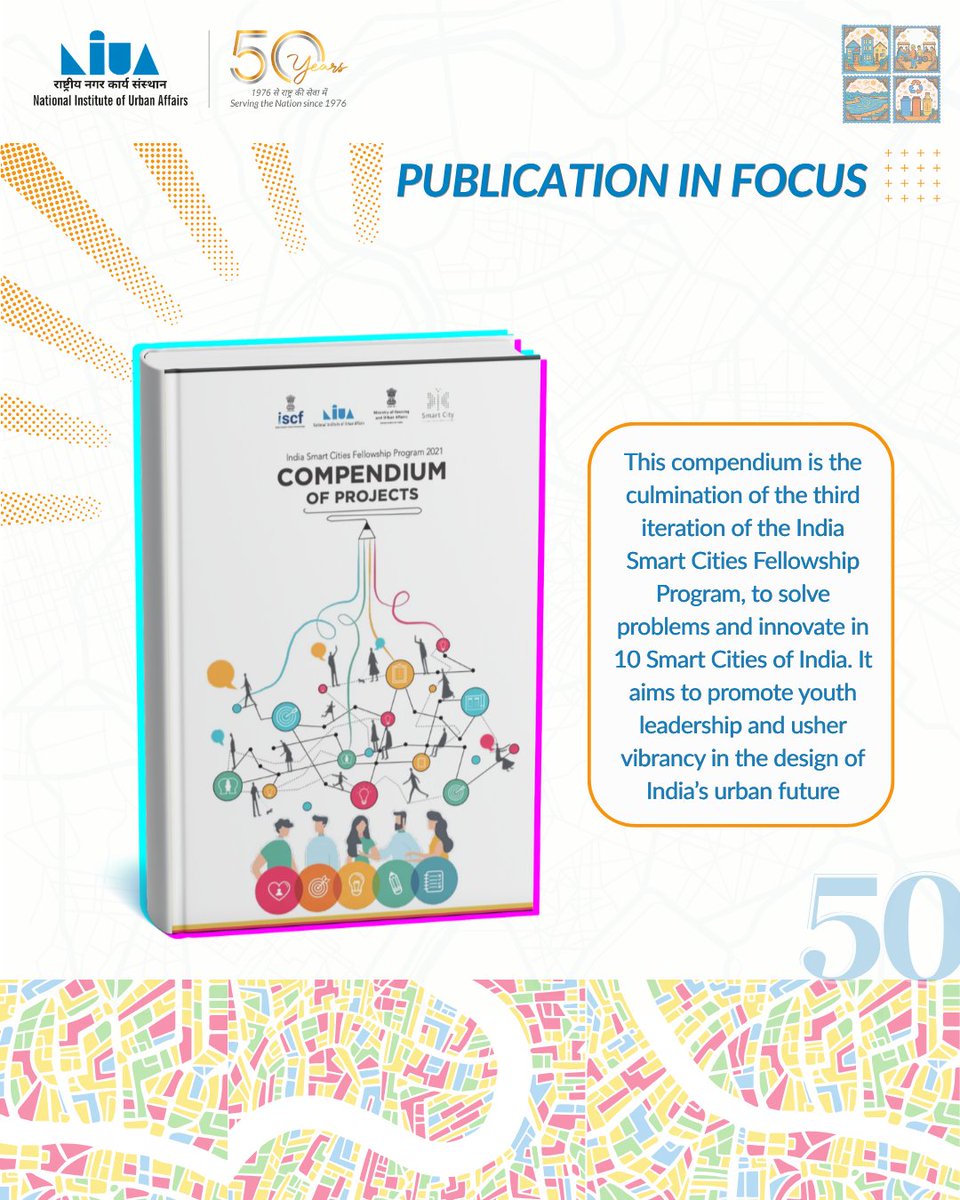
(1/2) As India’s urban transition grows more complex, the need for evidence-led, practice-oriented knowledge has never been greater.
To mark 50 years of #NIUA, we urge you to #ReadWithNIUA, a curated reading list reflecting key priorities shaping the future of urban development!
(1/3) On the occasion of International Museum Day 2026, Dr Shikha Jain, Director, DRONAH reflects on the vital role of museums as spaces that foster dialogue, preserve collective memory, and strengthen cultural harmony.
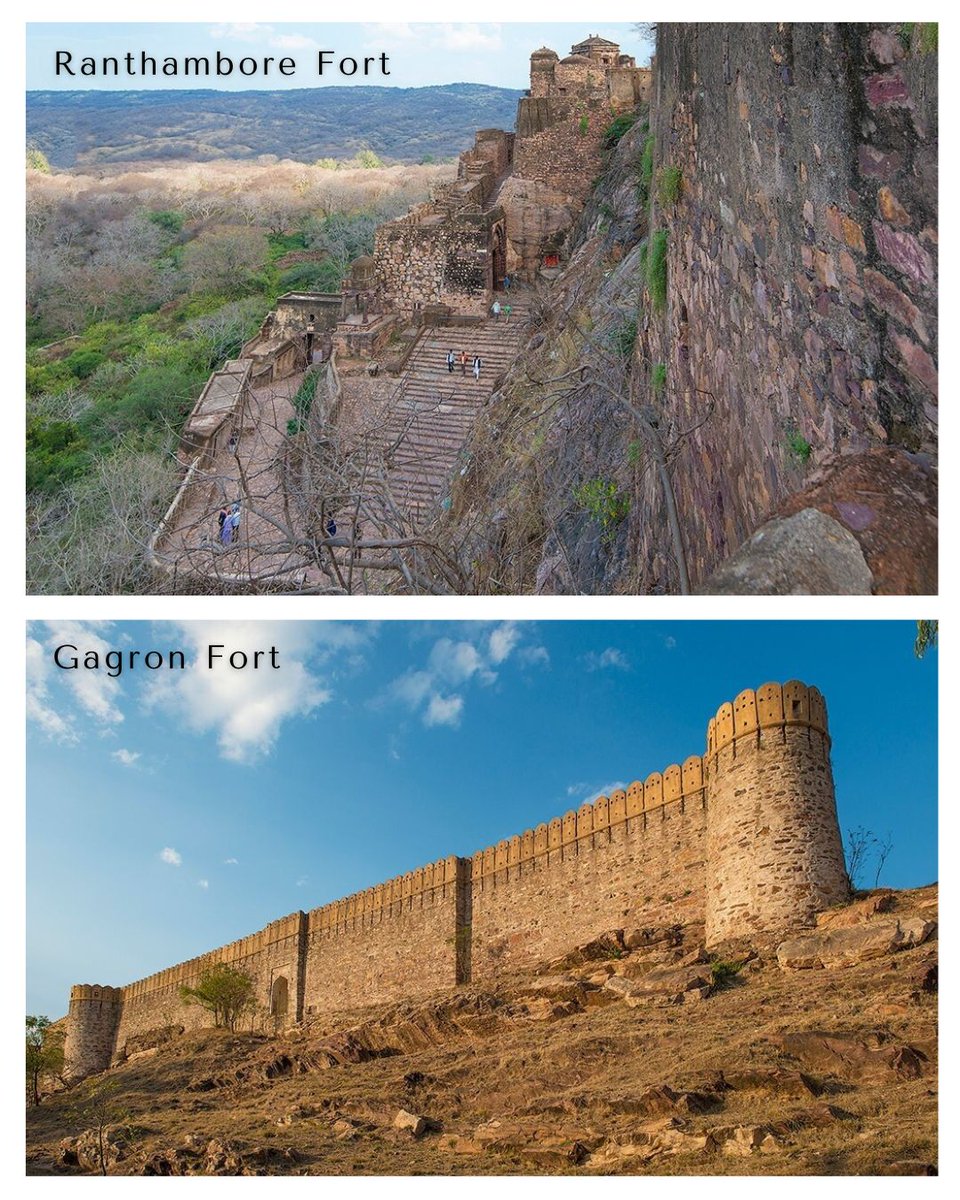
A monumental achievement in 2013, the #UNESCO inscription of the 6 #Hill Forts of #Rajasthan showcases India's fortified #heritage. Join us on 12-14 May’26 for a talk series by @INTACH that dives deep into these historic narratives.
https://t.co/itiq3Kyoy4
Don’t miss out!
Freedom of expression has declined globally by 10% since 2012.
This steady trend reflects a growing challenge for access to information and the conditions that enable open, informed societies.
When freedom of expression weakens, so does the ability to share, seek and receive reliable information.
Protecting it means safeguarding the flow of information that supports understanding, accountability and dialogue.
https://t.co/HRyAkxTGYs #WorldPressFreedomDay
#IndigenousKnowledge is disappearing. And with it, solutions we can't afford to lose.
UNESCO is updating its Policy on Engaging with Indigenous Peoples to strengthen dialogue, co-creation and accountability across education, culture, sciences and communication.
As world leaders gather for #UNPFII25, discover how UNESCO is driving change: https://t.co/5lrdLMMHYa
#ForThePeople #WeAreIndigenous
India Emerges as Cradle of Jamun Evolution
In a study led by Birbal Sahni Institute of Palaeosciences (BSIP), an autonomous institute of the Department of Science and Technology (DST) along with Academy of Scientific and Innovative Research (AcSIR), Central Department of Geology, Tribhuvan University, Kirtipur, Kathmandu, Department of Geology, Birendra Multiple Campus, Tribhuvan University, Chitwan, Bharatpur, researchers collected fossil specimens from the Kasauli Formation around 20 million years ago in Himachal Pradesh following initial exploration of Early Miocene sedimentary sequences conducted to elucidate plant evolutionary history
The study published in Journal of Palaeogeography, provides important insights into India’s role in plant evolution and biodiversity of Asian floras
Read here: https://t.co/lVZgu8UQTW
@IndiaDST
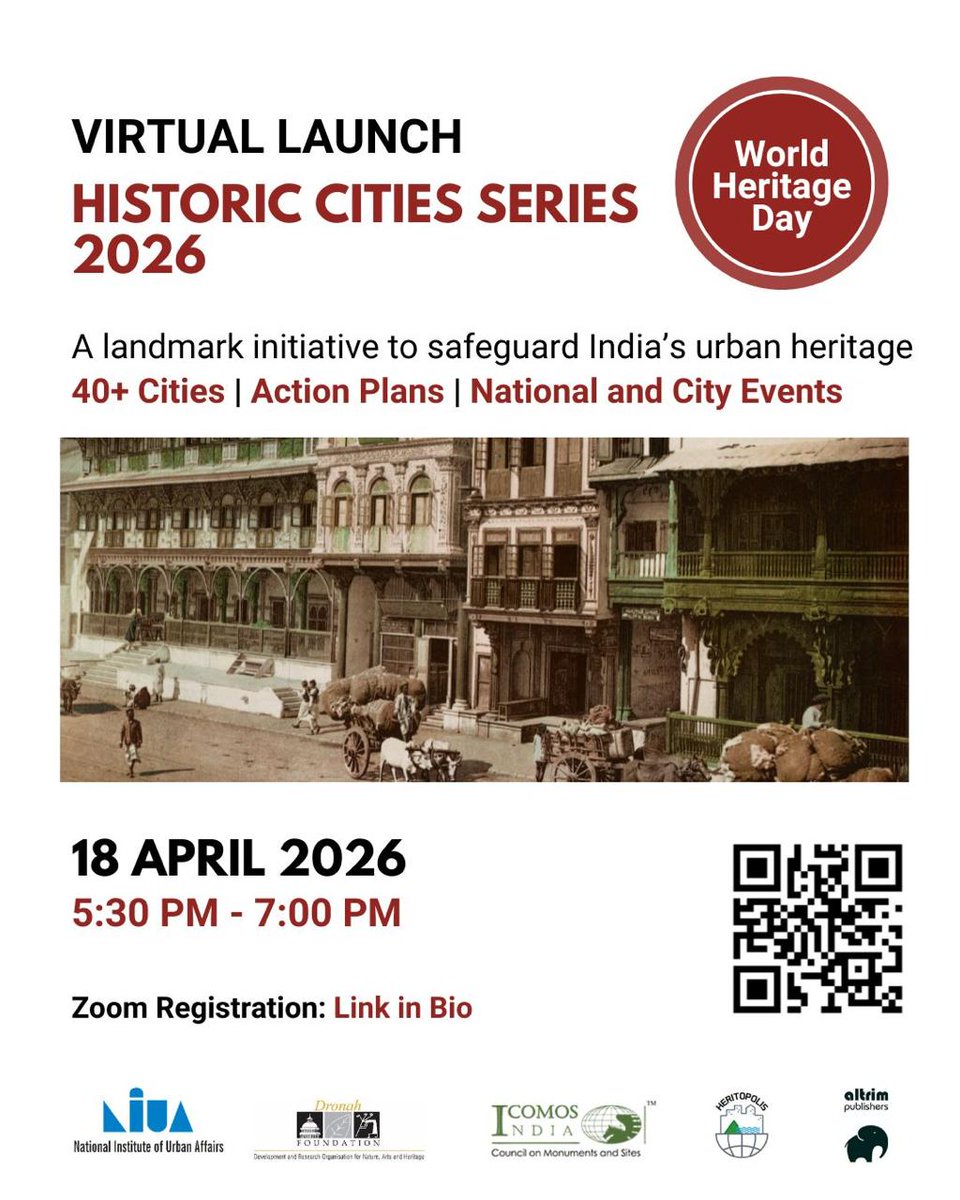
🔊#HistoricCitiesSeries2026 is launching tomorrow!
Across 40+ cities, Series will show how to integrate #heritage into #urbandevelopment, for a more culturally rooted urban future.
18 Apr'26 | 5:30 - 7 pm | Link: https://t.co/FuWcvBI07x
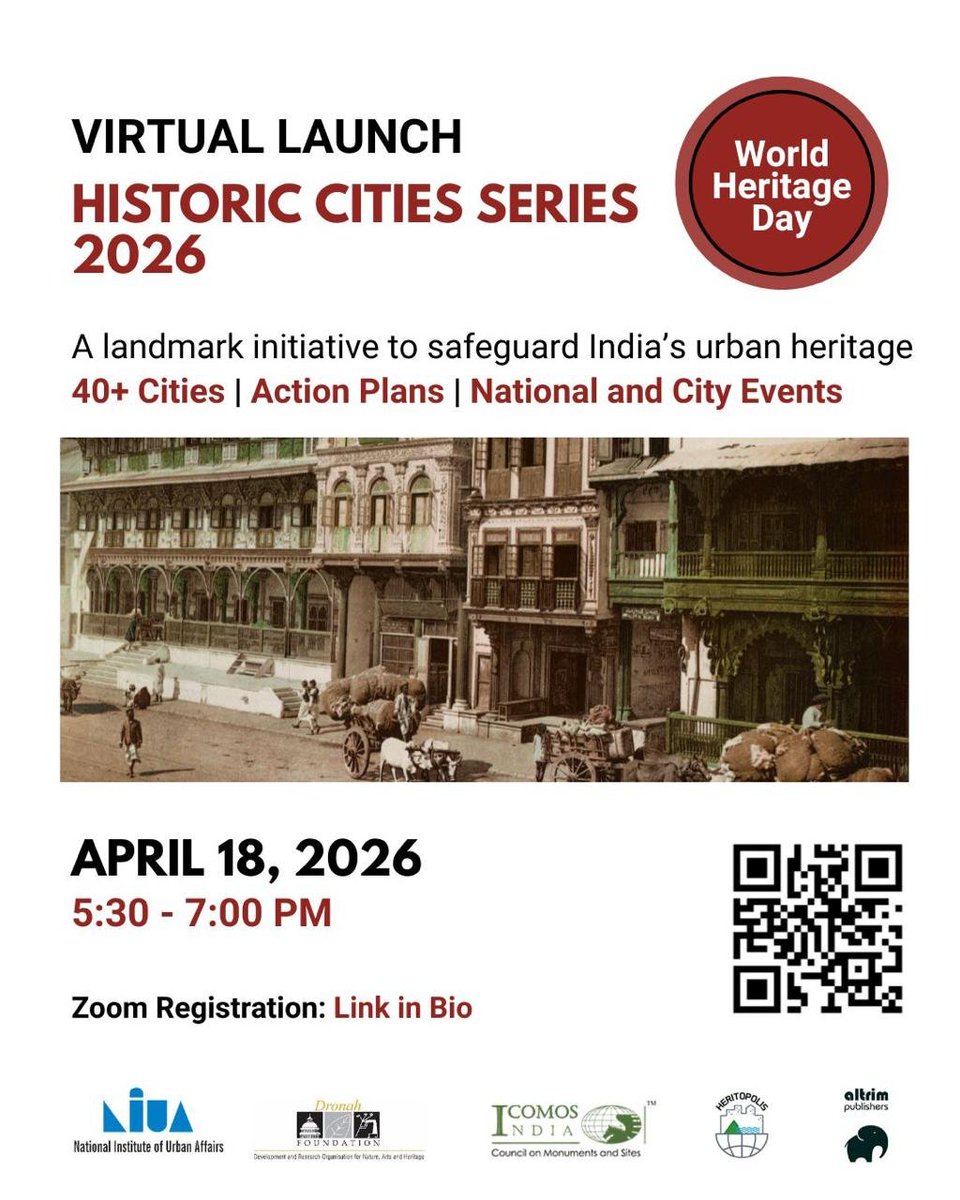
Registrations open for the inaugural session of Historic Cities Series 2026!
Join us in our mission to build an inclusive, resilient and sustainable future for our historic cities through heritage-led planning and development.
Scan the QR code to know more.
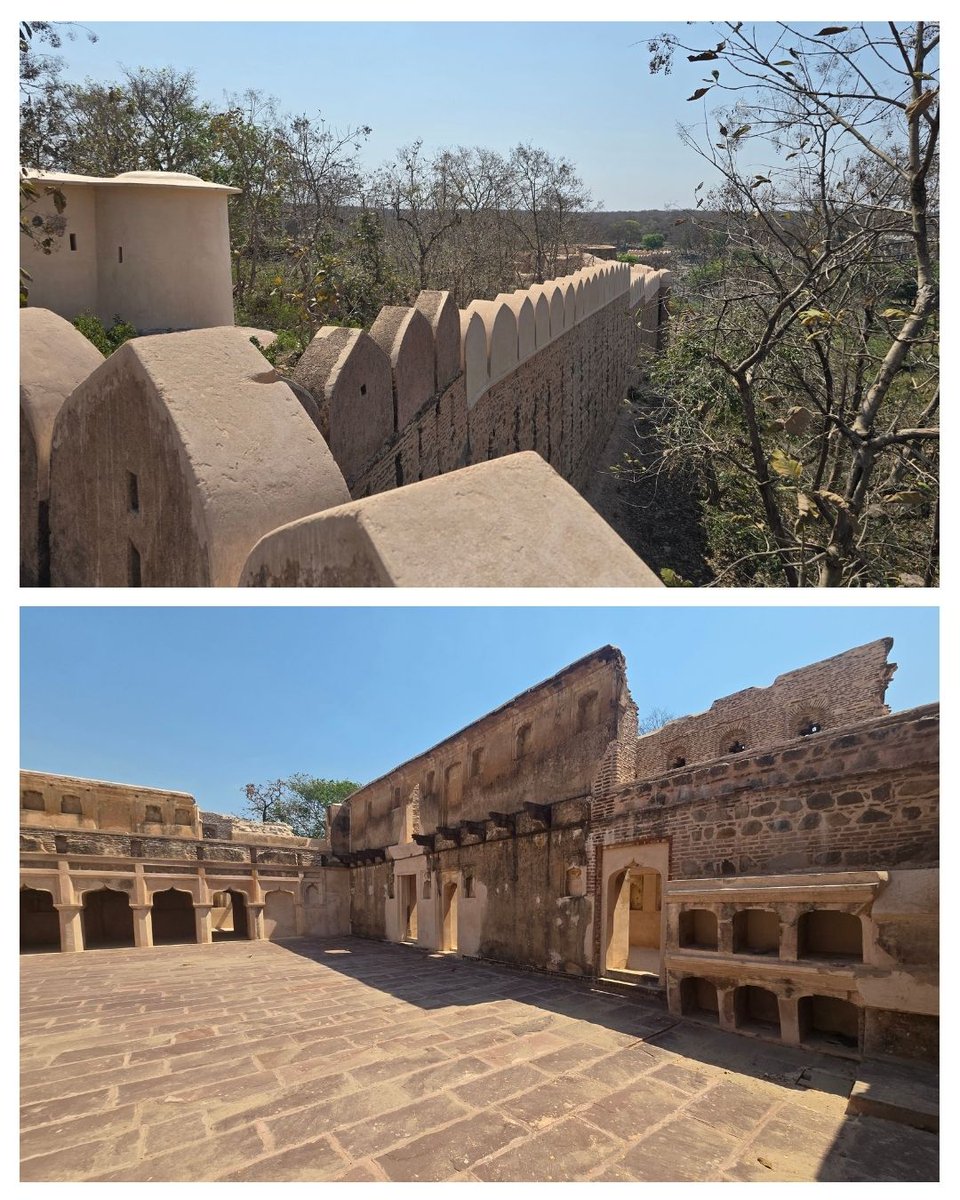
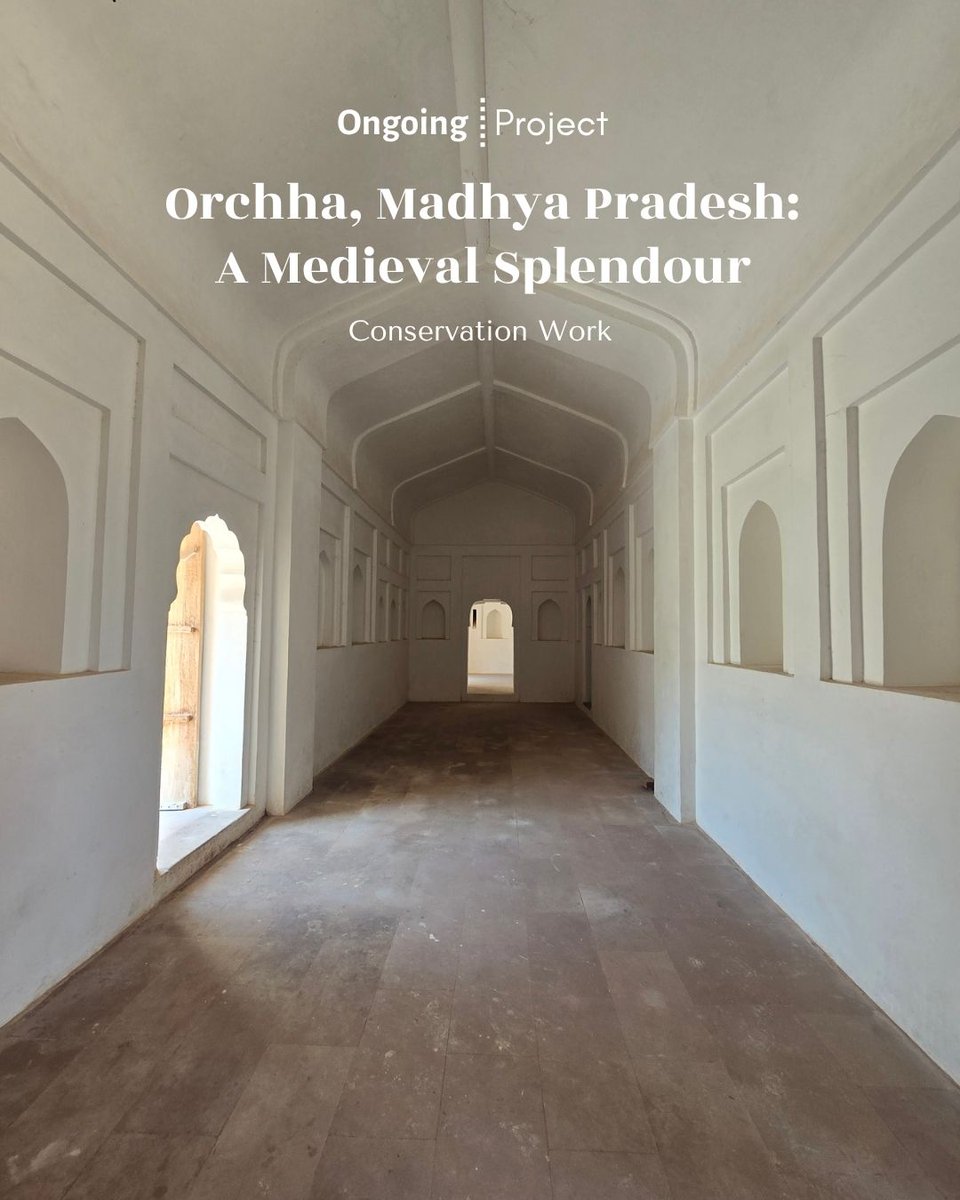
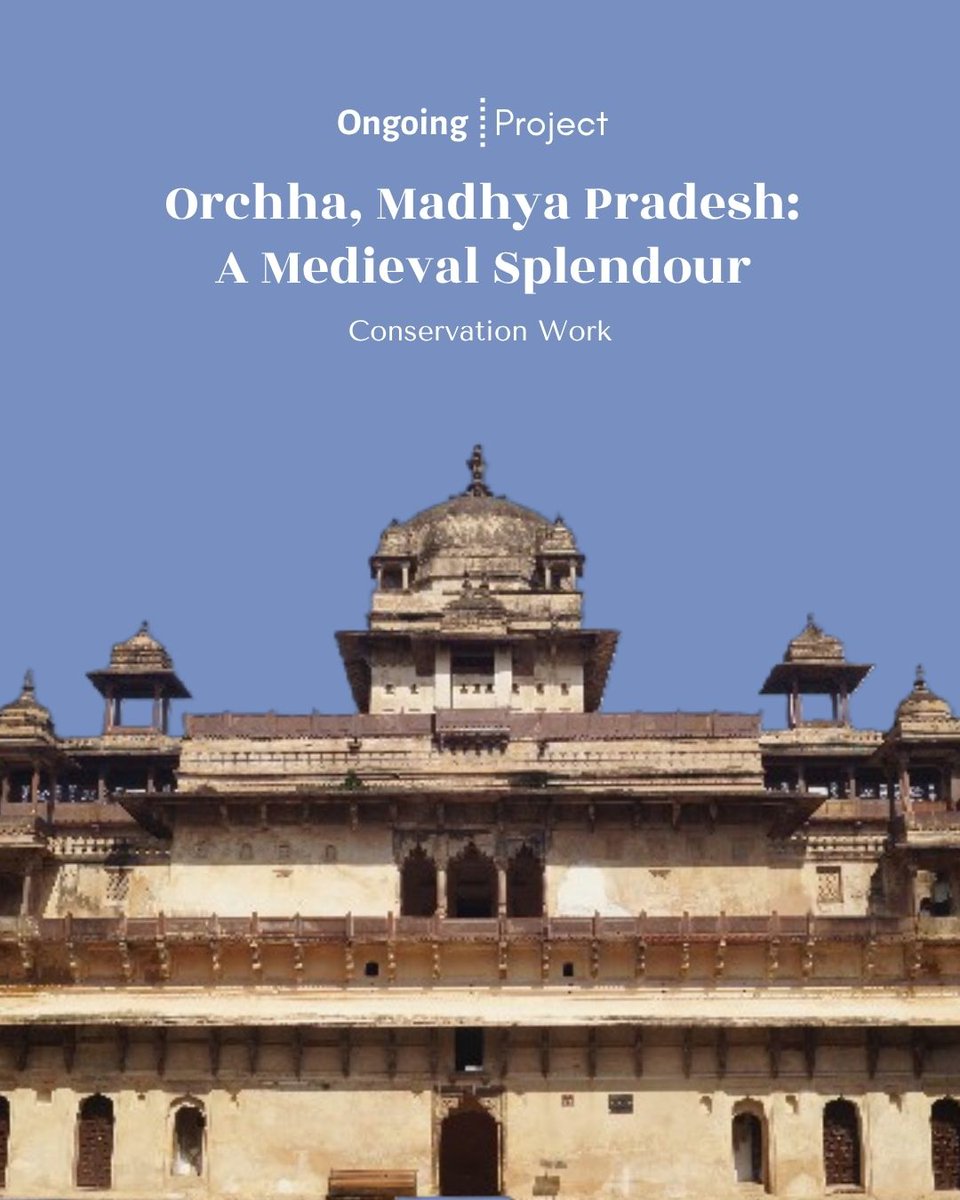
Since 2024, #DRONAH team has been engaged in the restoration of #Orchha's iconic monuments and fortifications, thanks to the expertise of skilled craftspeople, contractors, State Archaeology professionals, #MPSTDC engineers, #MPTB officials led by Tapasya Samal and Karan Jain.
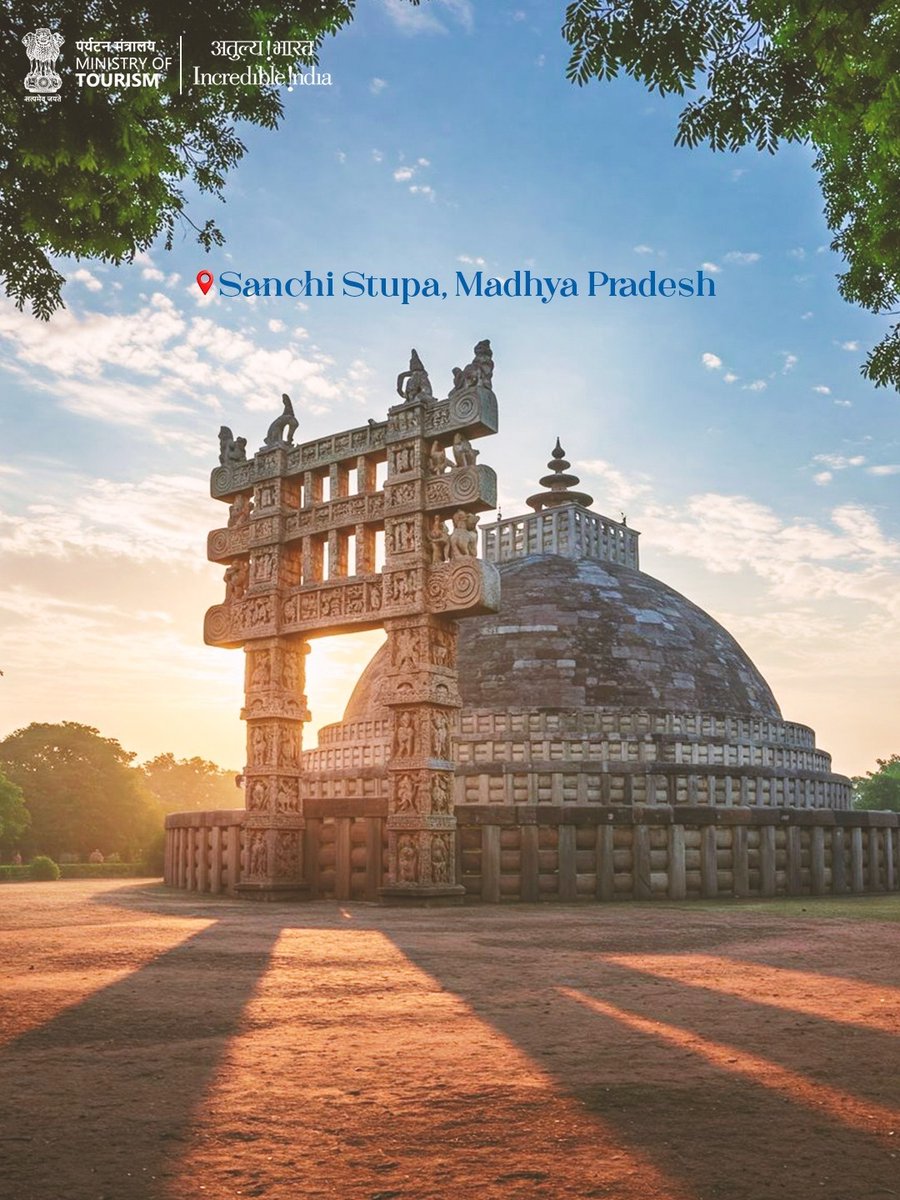
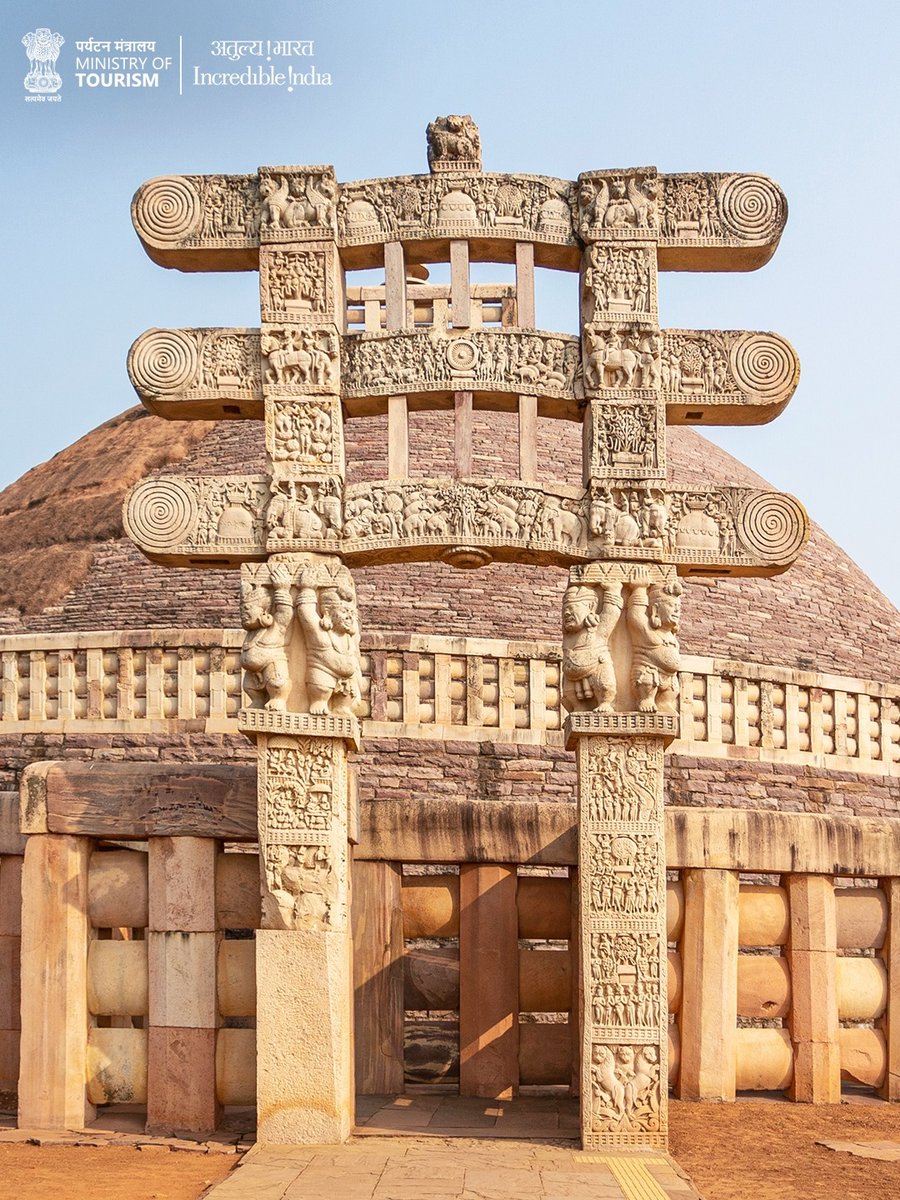
The Sanchi Stupa in the Raisen district of Madhya Pradesh, is one of the oldest stone structures in India, originally commissioned in the 3rd century BCE by Emperor Ashoka. Considered a remarkable example of Buddhist architecture, the Great Stupa features a hemispherical dome encircled by stone railings and four intricately carved gateways depicting scenes from the life of Gautama Buddha.
Recognised as a UNESCO World Heritage Site, Sanchi offers visitors an insightful journey into India’s ancient spiritual and architectural heritage. Beyond the Great Stupa, the site also includes several smaller stupas, temples, and monasteries, making Sanchi an enriching destination for history and culture enthusiasts.
📍Sanchi Stupa, Madhya Pradesh
#IncredibleIndia #SanchiStupa #MadhyaPradeshTourism