There have been varying meteorological forces behind recent extreme rainfall events, but they are all connected by very unusual amounts of moisture pulsing above the United States.
Precipitable water, a measure of the total amount of water in the atmosphere, has been above the 90th percentile on half of all days so far this summer — the largest number of days to-date since records began in 1940. It's been above-average on all but five days.
Forecasters use precipitable water to gauge how much fuel is available for storms and how much rain can possibly fall. While it's not a one-to-one relationship, higher precipitable water brings a higher the chance for extreme rainfall — as long as there's a mechanism to squeeze the moisture out of the sky.
Globally, precipitable water reached record levels in 2024. So far, 2025 is a few notches below last year's record pace, but corridors of unusually high atmospheric moisture have developed near areas of much warmer than average oceans. This includes the central and eastern United States, Europe and eastern Asia.
Part of a meteorologist's job is to be an atmospheric detective — to understand and help others understand why certain things are happening.
Yes, it rains hard and sometimes floods during summer, but to understand what's driving this season's excessive rainfall is critically important. To dismiss it as 'just weather' is selling it short.
I think there's plenty of evidence to suggest that the trend toward a moister atmosphere is leaving an imprint on weather patterns in the United States this summer.
Problem is that after a few years, most people normalize extreme climate as normal
They also normalize disappearance of world Bees insects birds wildlife, marine life, forests wetlands and their replacement with a sterile barren lifeless landscape as normal
New study out today! This was a wonderful collaboration, led by @jonahbusch.
"Cost-effectiveness of natural forest regeneration and plantations for climate mitigation"
https://t.co/wE5TpBoedX
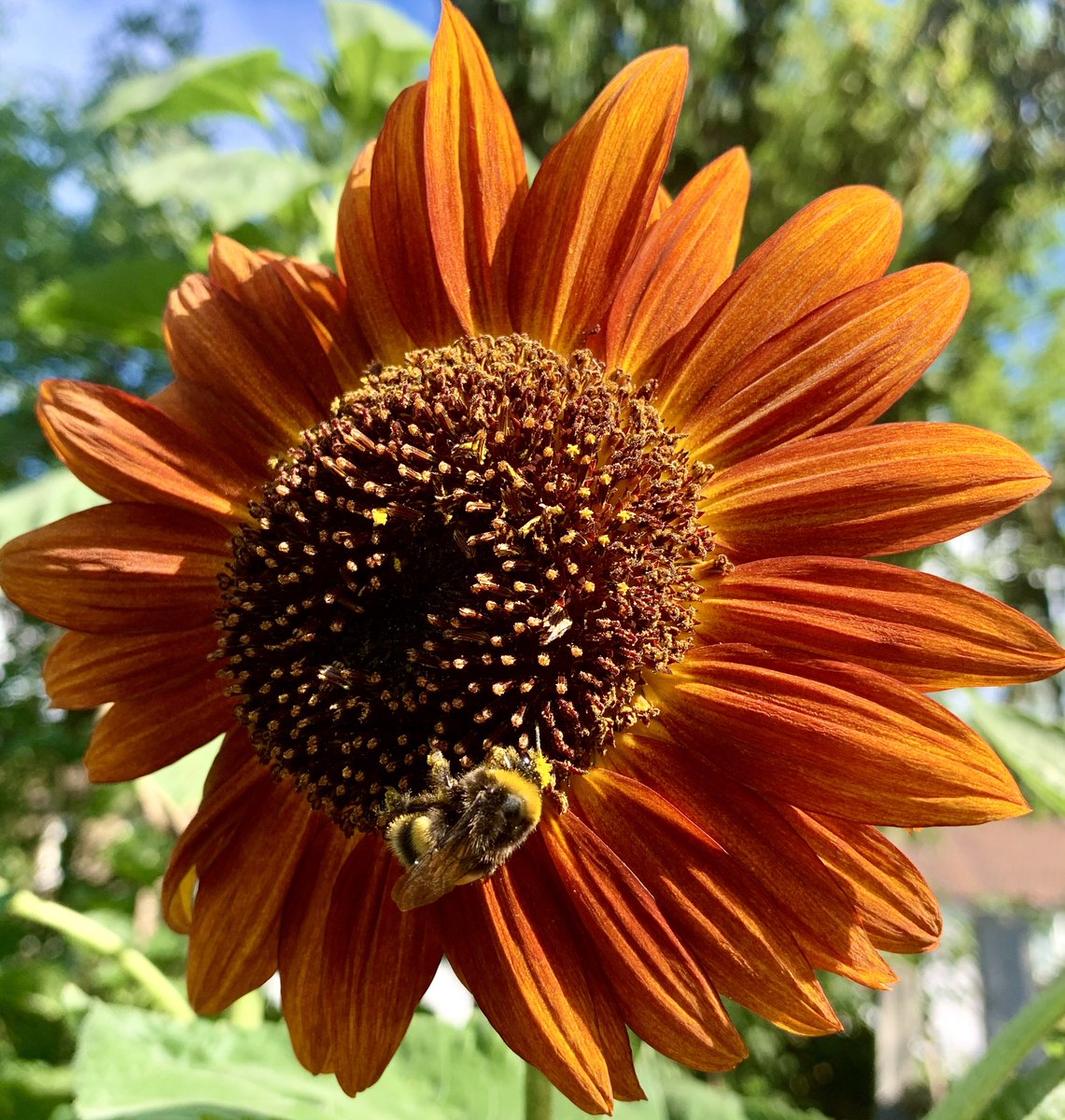
At this time of year, you'll see white clover relentlessly mown away by many councils on roadverges and in community spaces. But this little plant is a fantastic food source for bumblebees and other pollinating insects. Let's let it grow! 🐝
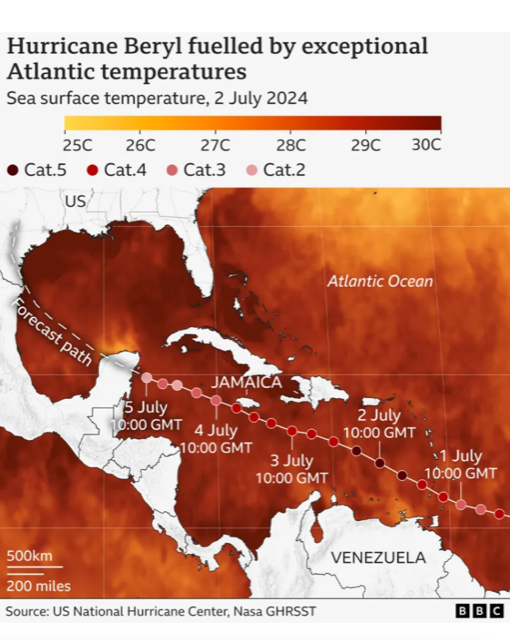
FACT: Hotter seas = more powerful hurricanes.
It's time greedy fossil fuel corporations STOP drilling for climate wrecking oil & gas and START paying for the damage they've done to our communities.
👉🏾 https://t.co/n4KbvolhGQ
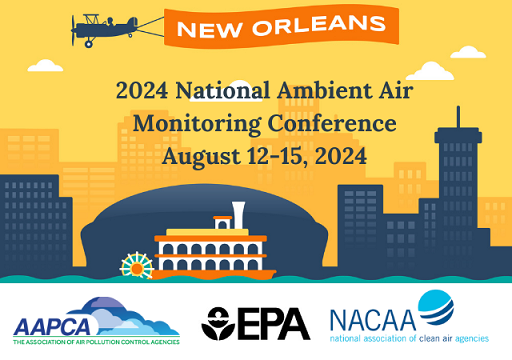
#DYK that the National Ambient Air Monitoring Conference is in New Orleans this year? It’s a must for federal, state, local and tribal air pollution organizations managing air monitoring networks and reporting data to AQS or AirNow. August 12-15!
https://t.co/g7NFparR1p
#Pollination often brings to mind bees and butterflies and long-beaked sunbirds buzzing about fragrant flowers, hungry for nectar.
But a largely unrecognised fact is the role of lesser glamorous #beetles in pollination
Meet the #beetles👇
https://t.co/SYfjTCeM5H
@MongabayIndia
The ONLY thing holding back the solution is the subsidy/kickback system between the corporate oligarchy and the crooked politicians.
Other than that we could be living in paradise.
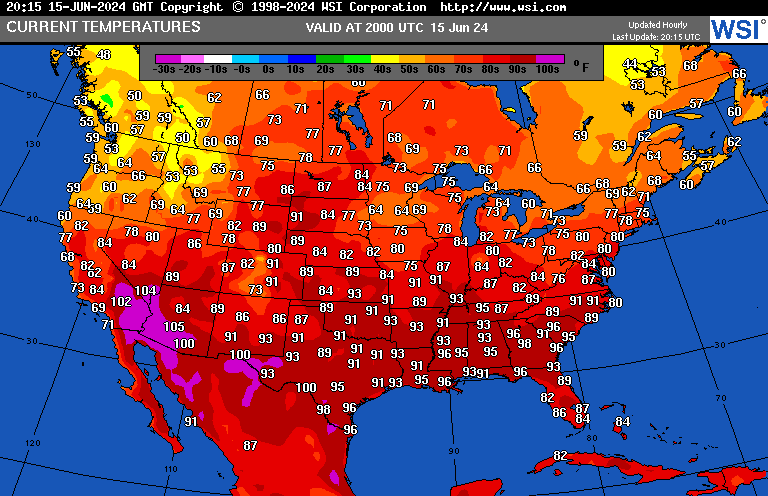
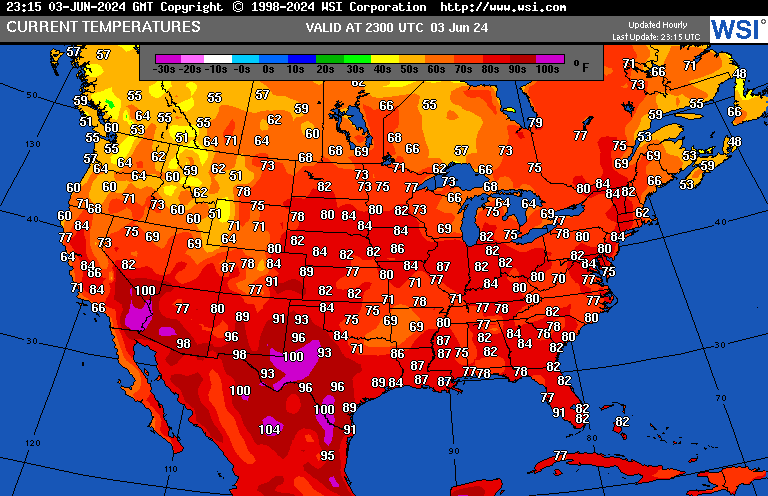
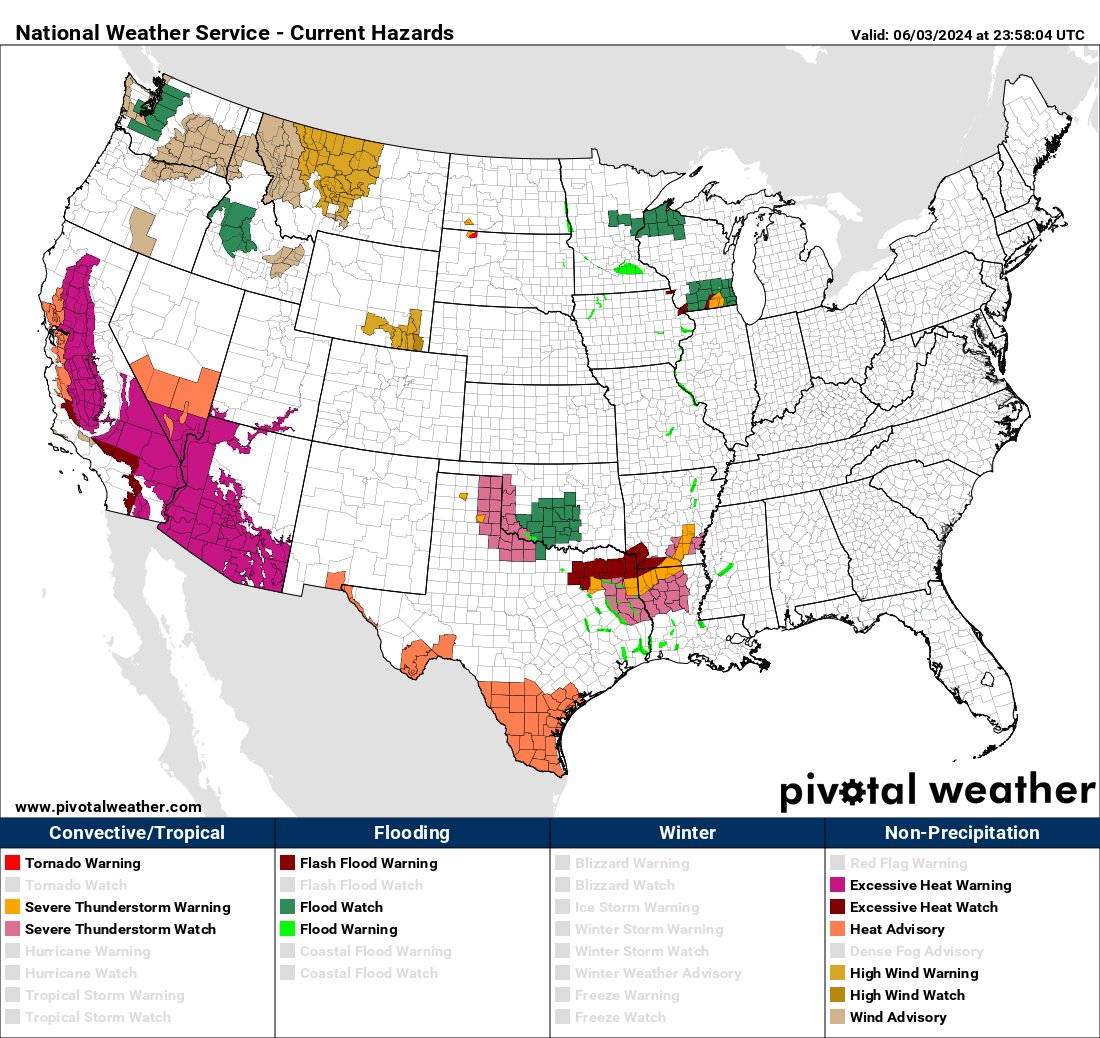
On SAT 6/15/2024 #HeawaveExxon continued over portions of the West and peaked over the Southeast. The first of many heat watches appeared over the Midwest, which along with the Northeast will have life threatening heat this week. @orosane@MichaelEMann@KHayhoe@BMcNoldy@zlabe
There are so many green spaces in our towns and villages that are over-mown or sprayed, but which could instead be boosting biodiversity and bringing nature back into our lives like this corner of Cambridge. RT if you agree 🐝