IMPORTANT PLS SHARE. It's rumoured the English £9,250 tuition fee cap may be raised this pm for the 1st time in 8yrs, as University's finances are strained. As student finance misunderstandings abound, I've bashed out a few notes to help...
1. Higher tuition fees WON'T change what most pay each year. For most, they're paid for you by the student loans company and you repay afterwards only if you earn over the threshold. The amount you repay each year (9% over the threshold) solely depends on what you earn not on what you borrow.
2. Increasing tuition fees will only see those who clear the loan in full over the 40yrs pay more. That is generally mid-high to higher earning university leavers only, so the cost of increasing them will generally be born by the more affluent. Most lower and middle earning university leavers will simply pay 9% extra tax above the threshold for 40yrs (and higher tuition fees won't change that)
3. The rise is tuition fees is likely to be trivial compared to the changes the last govt made for 2023 starters. 2023 starters had their repayment thresholds dropped to £25,000 (from £27,295/yr) and had the time they had to keep repaying for (unless cleared) extended to 40years from 30years.
So these higher annual repayments for longer, increased by over 50% the amount many graduates will eventually have to pay back for going to university. Yet they were almost stealth changes because people can't intuitively feel the seismic impact.
Changing tuition fees is a more obvious rise, but in reality has far less of an impact on the amount most will repay (though combined with the 2023 changes it does certainly up the cost).
4. The biggest practical problem for students isnt tution fees (even if raised) its the fact maintenace loans aren't big enough. English maintenance loans have not kept pace with inflation. I'd urge the govt to couple the tuition fee loans with bigger living loans - if not it is a real risk to social mobility, with those from the poorest backgrounds likely to be worse affected.
I could write more, but will stop here, hopefully this gives an idea the issues are less straightforward than many feel.
A Mirror investigation with @C4Dispatches has found that some of Prince William's tenants are at risk of fuel poverty and living in hard to heat homes with mould and damp issues https://t.co/37qIAMy5wT
🚨 NEW: Ryanair Chief Michael O'Leary has announced the airline will cut 5 million UK seats next year as a result of Labour increasing Air Passenger Duty by £2
It might not have made a difference, but the chancellor probably should’ve said the investment stuff at the start of the budget announcement instead of at the end
We asked Britons to tell us in their own words their main takeaway from the Budget. While Labour may have hoped people would pick up on the extra money for public services, they were more likely to notice tax rises
Top 10 answer categories
Employers' NI rise: 19%
Increased taxes [general]: 13%
Minimum wage rise: 8%
Negativity to Budget [general]: 7%
Changes to inheritance tax: 3%
More NHS funding: 3%
Winter fuel allowance: 2%
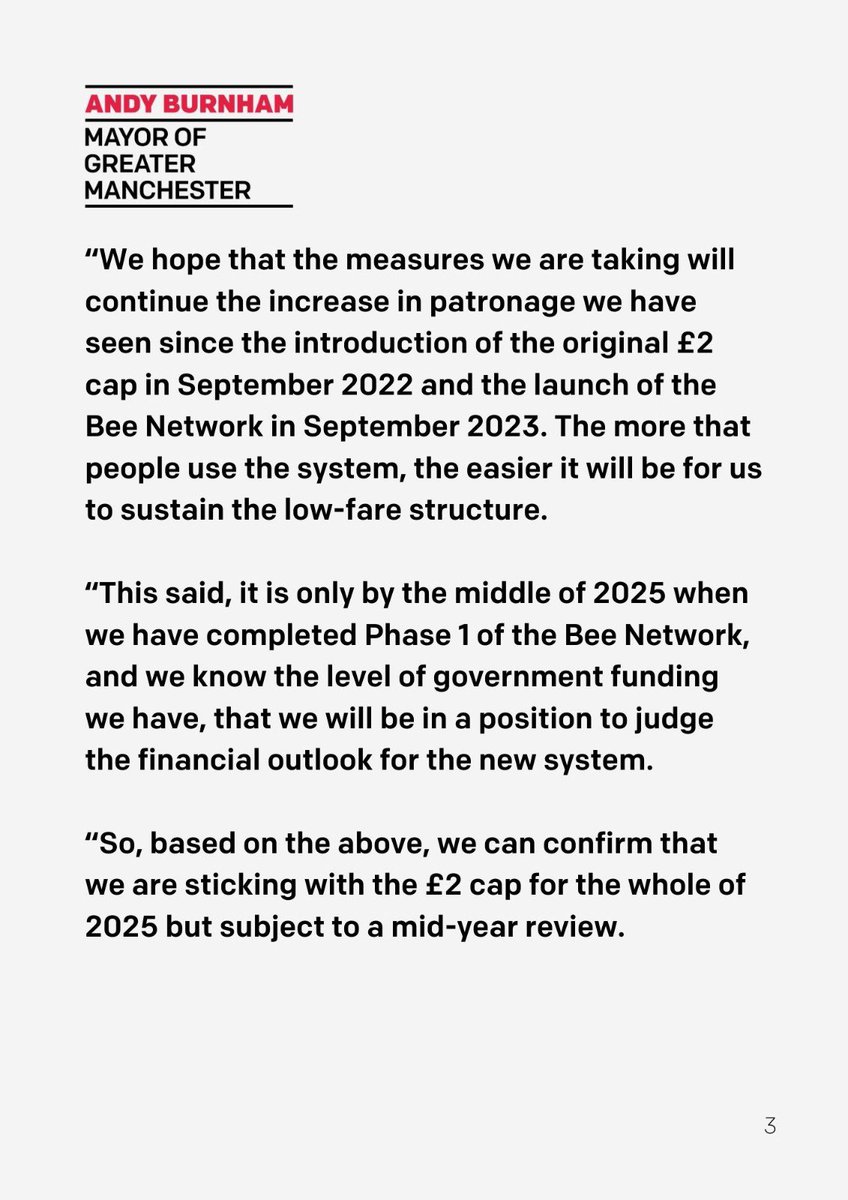
Bus fare cap rising to £3: 2%
Increased capital gains tax: 2%
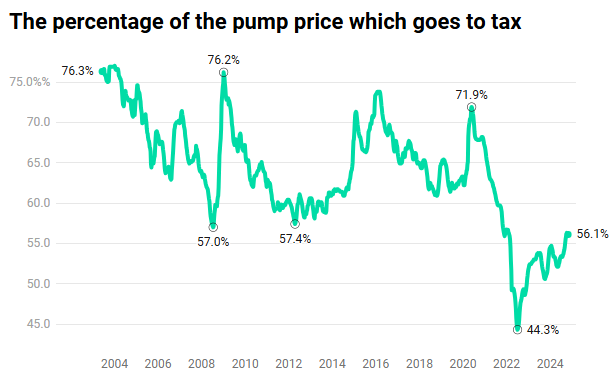
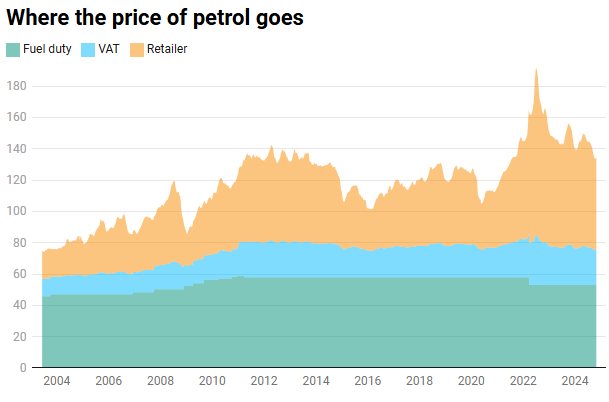
Fuel duty freeze: 2%
Respondents answered in their own words, which were categorised by YouGov AI Topic Quantifier
https://t.co/u8xtyinagb
According to the Daily Mail on 3rd May this year:
Jeremy Clarkson bought his 312-acre farm in 2012 for £4.25million so that:
"he would not be required pay death duties on the land"
#Budget2024
That's why, if we look at the stats, 87% of inherited agricultural property used less than £1m of APR and so will remain completely exempt.
Almost half the £1bn cost of APR went to 63 estates of median value £8m. Doesn't seem great value for money for the taxpayer.
Two main parties down 49%. This ward in Pat McFadden’s seat highlights potential nightmare pincer movement scenario for Labour in seats where Reform are 2nd
1) Remaining Tory vote collapses to Reform
2) Labour lose votes on their progressive flank to Greens enabling Reform win
The Country Land and Business Association says the new £1m cap on agricultural inheritance tax relief will "harm 70,000 farms". That's 1/3 of all farms.
What does the actual data show? Less than 500 farms/year will be pay more tax as a result of this change every year. Possibly as few as 100.
Agree with this: farmers, as we've seen on the continent can quickly rally public opinion behind them. What's more people see them very differently from typical businesses & see them as more important to British culture, and much more likely to have community interests at heart
Here's the 3 year chart for 10 year gilt yeilds. See if you can see the difference between what happened with the Truss budget and what's happening now.
Not difficult.









![YouGov's tweet photo. We asked Britons to tell us in their own words their main takeaway from the Budget. While Labour may have hoped people would pick up on the extra money for public services, they were more likely to notice tax rises
Top 10 answer categories
Employers' NI rise: 19%
Increased taxes [general]: 13%
Minimum wage rise: 8%
Negativity to Budget [general]: 7%
Changes to inheritance tax: 3%
More NHS funding: 3%
Winter fuel allowance: 2%
Bus fare cap rising to £3: 2%
Increased capital gains tax: 2%
Fuel duty freeze: 2%
Respondents answered in their own words, which were categorised by YouGov AI Topic Quantifier
https://t.co/u8xtyinagb](https://pbs.twimg.com/media/GbTfUOOXUAEeFue.jpg)