3 expectations to set the cultural tone of your staff for the new school year
1) Be your Best, whatever your role, do your best
2) No Surprises. If something is wrong, I want to hear it from you, not grapevine
3) We support each other. We're a team, not competitors
Tips for new teachers:
* Relationships 1st
* Establish routines/ expectations early
* Don't take away recess as a punishment
* Students need to move or a brain break every hour
* don't take students misbehavior personally
* Never give up on your students
* Trust yourself
Mikey was a student who exhibited some of the most extreme behaviors for a young student. He had already received three superintendent level suspensions before he completed third grade. Mikey had more days out of school than in school. The behaviors included many physical altercations with students and staff, destruction of school property, consistent and significant disruption of the classroom (and school), and eloping from campus.
As principal, I really should have been listed as the teacher of record for Mikey, since he was in my office every day for several hours. Mikey was off-task pretty close to 100% of the time. Nothing in my toolbox worked well to reduce the negative behaviors.
A colleague suggested that we give him a “special job” in the building with more responsibility than his behaviors had warranted. At first I thought this was a very bad idea. But what choice did I have? Nothing else had worked. Worst case scenario, this too wouldn’t work and I would be in no worse place than where I had started. I asked for his recommendation. He suggested that we put him in charge of announcing the buses at arrival and dismissal. I told him that this sounded like a really bad idea. The thought of giving Mikey a walkie-talkie seemed to be a recipe for disaster. Mikey used words that even made me blush. Each classroom had a walkie in it too. I could just picture the damage control that I would have to do after Mikey used a four-letter word for the whole world to hear. My colleague reminded me about what I had to lose and the fact that nothing else had worked.
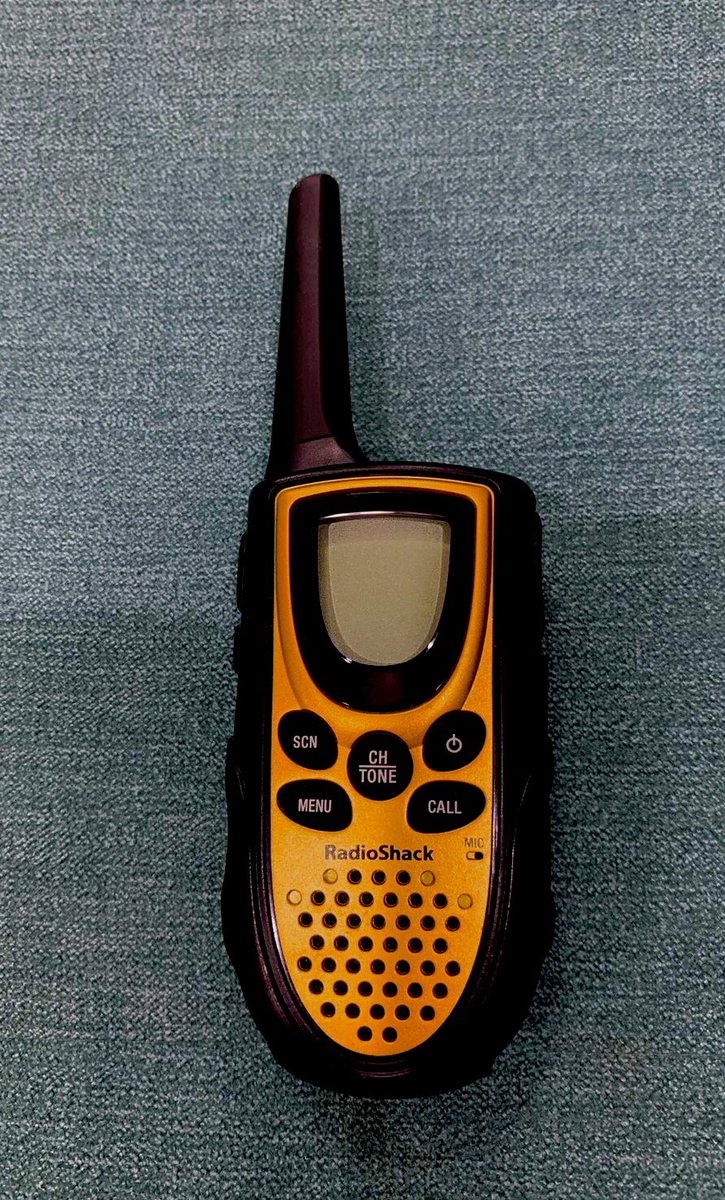
I went digging in our school’s basement and found an old bright orange crossing guard vest (circa 1985), a really beat up “Lil Captain” badge, and a Radio Shack walkie-talkie. On Friday afternoon, I called Mikey down to my office. I asked if he would be interested in a job at school. He asked for some information about the job. I told him that we really needed help with buses arriving and leaving each day since Dr. P was really bad at it. Mikey agreed that Dr. P was really bad at it and he said that he would like that job. I gave him his uniform and asked that he report on Monday morning.
Very early on Monday morning, I heard a mini-van door slam closed. I looked out the window and recognized the mini-van and the student walking up our sidewalk. Mikey walked straight into my office with a dry cleaning bag over his shoulder. He sat the bag down and pulled out a perfectly cleaned and ironed crossing guard vest with a very shiny badge on it. Mikey put these items on and saluted me. He said, “Captain Mikey reporting for duty sir”. He then took out the walkie-talkie. It had a “Captain Mikey” label on it (his mom must have used a home labeling machine to make this for him). I looked carefully at him and realized that he was completely serious, completely excited about his new job, and had a big smile across his face (I had never seen him smile before).
Mikey was very successful with calling buses as they arrived. In addition, our dismissal process ran like clockwork with Captain Mikey on the job. I have to admit that he was much better at this job than I was. Captain Mikey expanded his job description to help younger kids as they crossed in front of the buses. He even became the king of giving fellow students high fives and morning greetings. Mikey’s behaviors reduced by at least 95% almost immediately.
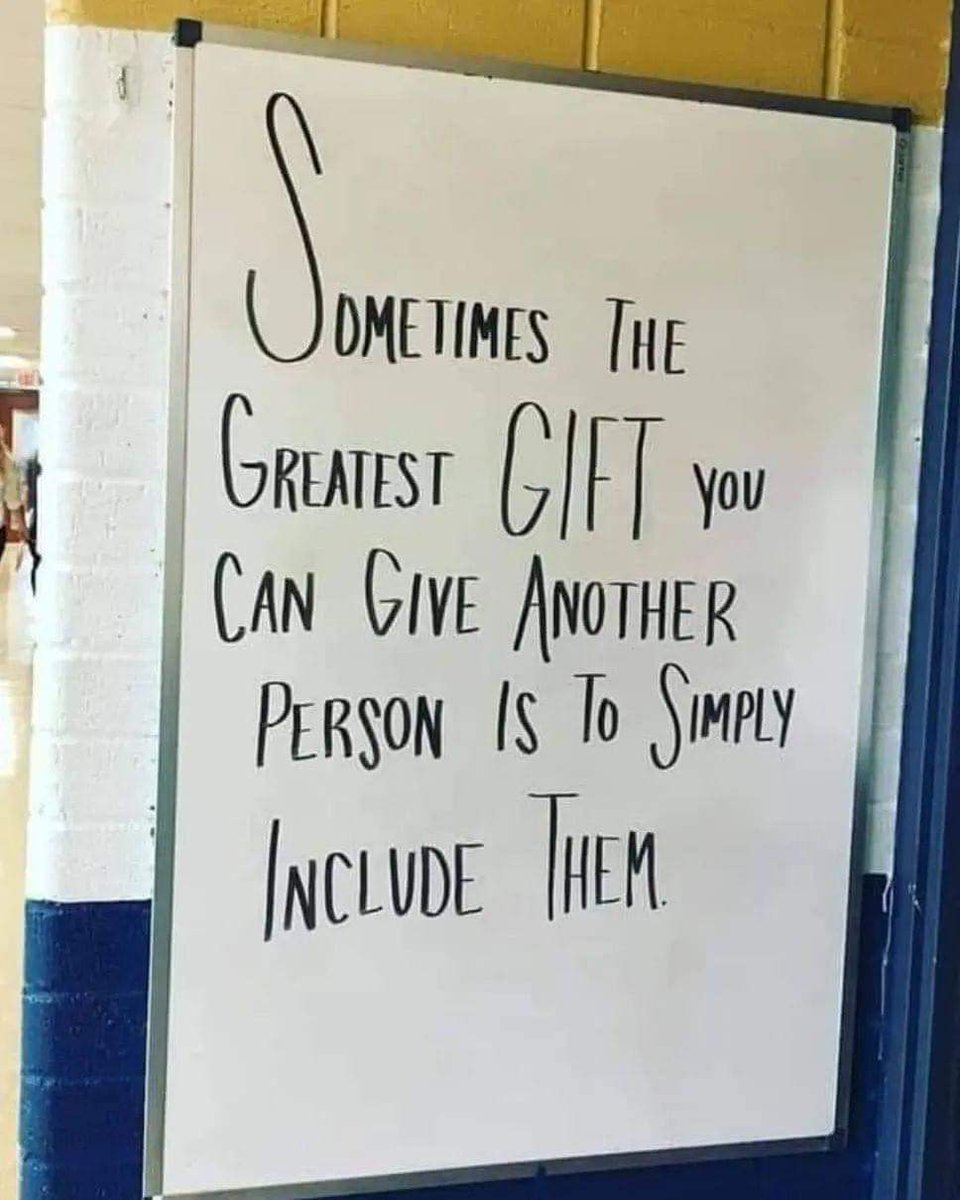
Even students with the most challenging behaviors have the potential for turning it around. Mikey rose to the occasion, felt needed, experienced success for perhaps the first time, and his behaviors improved significantly.
Thank you for doing whatever it takes to help students to succeed in school and life!
Join the “Maslow Before Bloom” Facebook group: https://t.co/015cLKjJ1m
Many Canadians know about The Group Of Seven, but have you heard of the Indigenous Group of Seven?
Formally known as the Professional Native Indian Artists Incorporation, it was formed in 1973 with seven Indigenous artists to promote Indigenous art.
These are the artists
🧵1/8
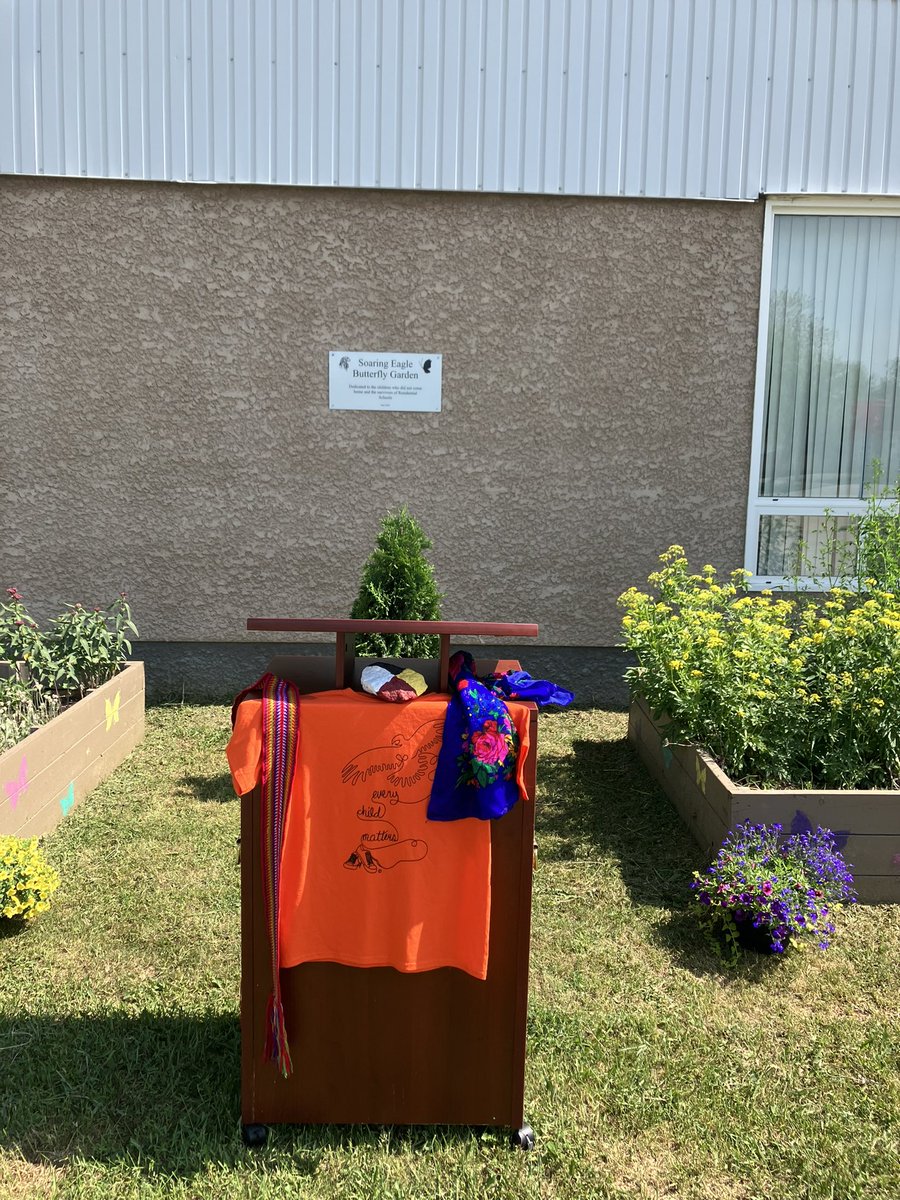
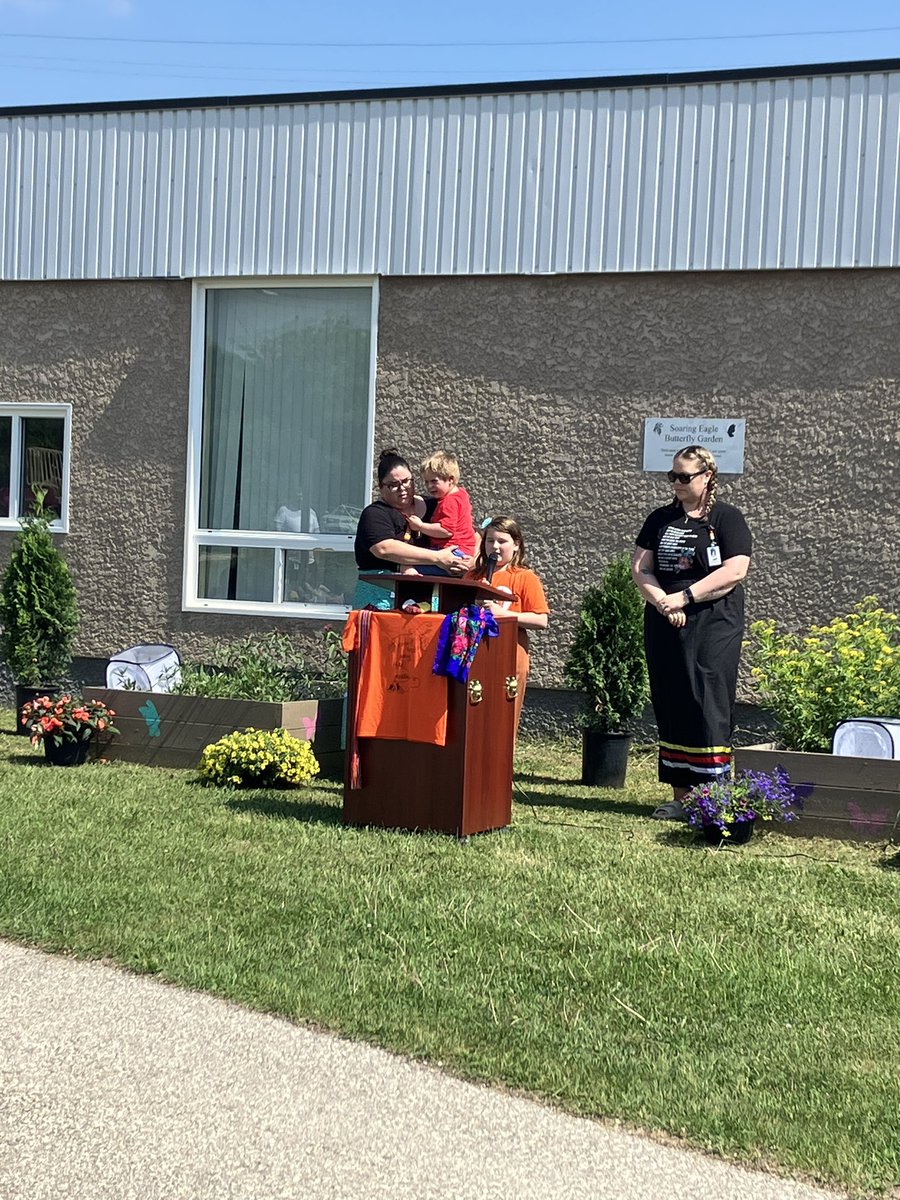
Ruth Hooker School’s Butterfly Garden Ceremony was today. We dedicate this to the children who did not come home and the survivors of Residential Schools. Thank you Mrs. Marsch, Mrs. Dejonckheere and Ms. Bercier for leading us in word and song.
When I am asked my number one piece of advice for a new administrator, it is simply to take care of your staff. If you take care of them, they will take care of the students. A culture of care, support, appreciation and encouragement is a culture when everyone can thrive.
10 Things ALL ADULTS should model for children.
Saying thank you.
Not afraid to ask for help
Admitting you don’t know something
Respecting everyone
Showing gratitude
Appreciating others
Offering help to others
Intentional listening
Saying I’m sorry when wrong
Caring about them
There are teachers who are strong, highly motivated, and who like to take ideas and run with them or speak up when things aren’t working. Effective leaders appreciate these teachers!