This date in history, April 24, 1903, President Theodore Roosevelt came to Yellowstone National Park and laid the cornerstone on the Roosevelt Arch at the park’s north entrance. https://t.co/aVVMzVfavv
“Few people know how to take a walk. The qualifications are endurance, plain clothes, old shoes, an eye for nature, good humor, vast curiosity, good speech, good silence and nothing too much.”
— Ralph Waldo Emerson
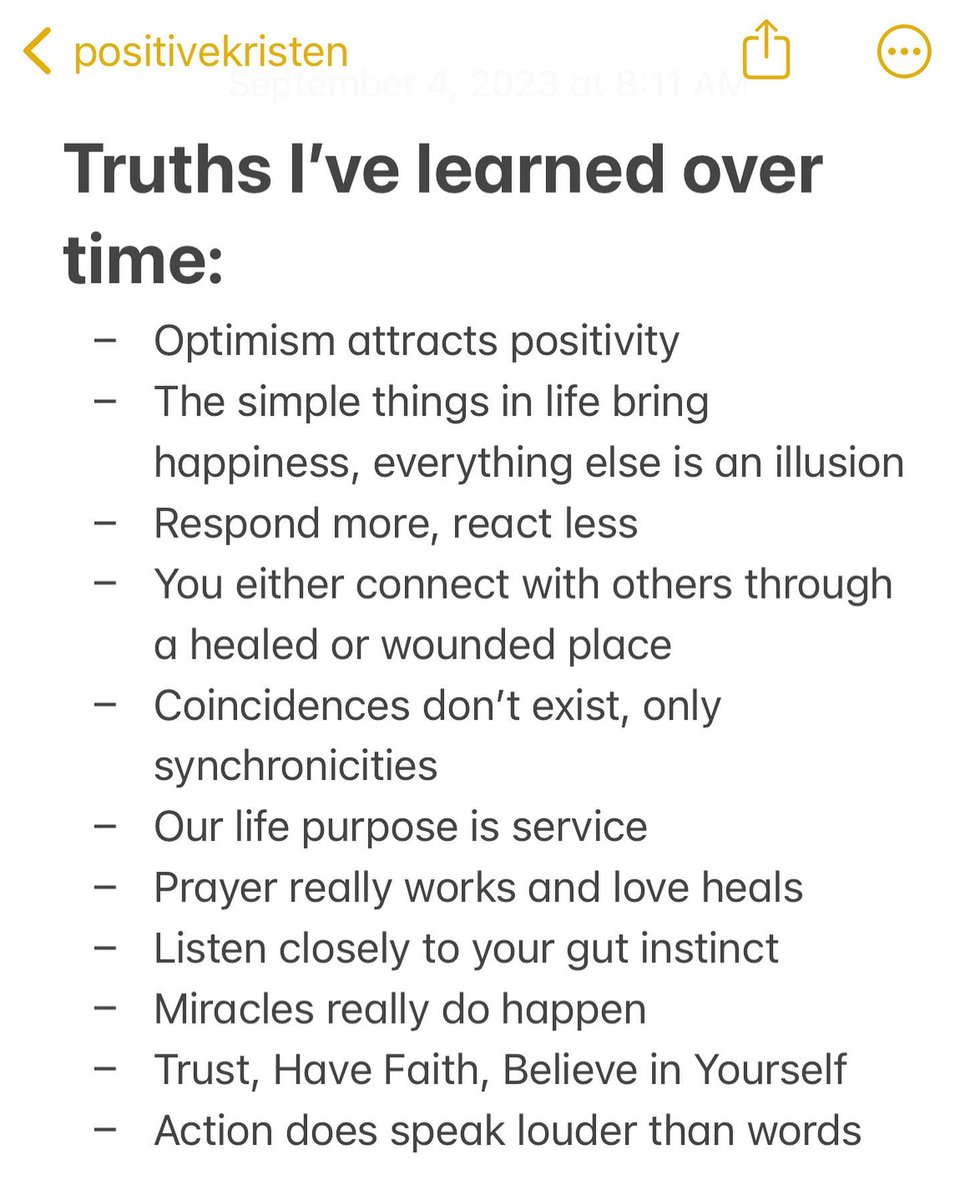
🚨 STOP COMPLAINING — IT’S LITERALLY TRAINING YOUR BRAIN TO BE NEGATIVE
Ever notice how some people seem stressed all the time, even over small things? Science says it’s not just their personality — it’s their brain.
Research shows that repeated complaining actually rewires your brain. Every time you complain, your brain activates stress and threat-detection circuits. Do it again and again, and those circuits get stronger. This process is called neuroplasticity — your brain becomes better at whatever you practice most.
So if you constantly talk about problems, frustrations, and annoyances, your brain learns to search for negativity. What starts as a bad day slowly turns into a habit of negative thinking. Over time, the brain treats the world as a dangerous place, even when nothing is wrong.
This is why chronic complainers often feel tense, irritated, or overwhelmed by small issues. Their stress level stays high because their brain is stuck in “alert mode.” Even minor problems feel big, because the brain has been trained to react that way.
The powerful part? This can be reversed. Stanford researchers explain that once you understand how your brain works, you can retrain it. Shifting how you speak — focusing on solutions, gratitude, or learning — builds new, healthier pathways. Your brain can be trained for calm, resilience, and clarity just as easily as it was trained for stress.
What you repeat, your brain remembers.
So choose your words carefully — you’re shaping your mind every day.
This book was written 2,000 years ago !
The emperor of Rome wrote it himself, and it is still relevant in modern times.
Here are 12 of the most notable laws from the book " The Meditations ".
Stoic Resilience: Marcus Aurelius emphasizes the Stoic philosophy of accepting things you cannot change and focusing on what you can control, leading to inner peace and resilience.
Self-Reflection: The book encourages regular self-reflection. By examining your thoughts and actions, you can better understand yourself and strive for self-improvement.
Live in the Present: Marcus Aurelius reminds us that the present moment is all we have. Dwelling on the past or worrying about the future is futile. Focus on the now.
Embrace Change: Change is a natural part of life. Accept it gracefully rather than resisting it, and you'll find it easier to adapt and grow.
Face Challenges with Courage: The Stoic philosophy teaches us to confront challenges with courage and a calm mind. Difficulties are opportunities for growth.
Practice Virtue: Strive to be virtuous in all your actions. Aim for qualities like wisdom, justice, courage, and self-discipline. Virtue is the highest form of goodness.
The Power of Mindset: Your perception of events shapes your reality. By changing your perspective and choosing to see the positive, you can transform your experience.
Material Possessions Are Temporary: Marcus Aurelius emphasizes that the pursuit of material wealth and status is fleeting. True value lies in your character and actions.
Duty and Service: Recognize your duty to society and strive to serve others. Contributing positively to the well-being of others brings meaning to life.
Memento Mori: Remember your mortality. Contemplating the impermanence of life helps you prioritize what truly matters and live with intention.
Moderation: Avoid extremes in all aspects of life. Balance is key to maintaining harmony and avoiding excess or deficiency.
Choose Your Reactions: You have control over how you react to situations. Choose to respond with reason and virtue rather than reacting impulsively.
Be Content with Little: True wealth lies in contentment with what you have. Material abundance doesn't guarantee happiness.
Nature's Order: Recognize that everything in the universe has its place and purpose. Align your actions with the natural order of things.
Love and Empathy: Cultivate love and empathy for others. Understanding their struggles and perspectives fosters compassion and connection.
Create a sense of urgency
The Stoics believed the thought of our mortality should shadow us everywhere. “You could leave life right now," Marcus Aurelius wrote. "Let that determine what you do and say and think.” It wasn't to create panic, but priority, urgency, appreciation.