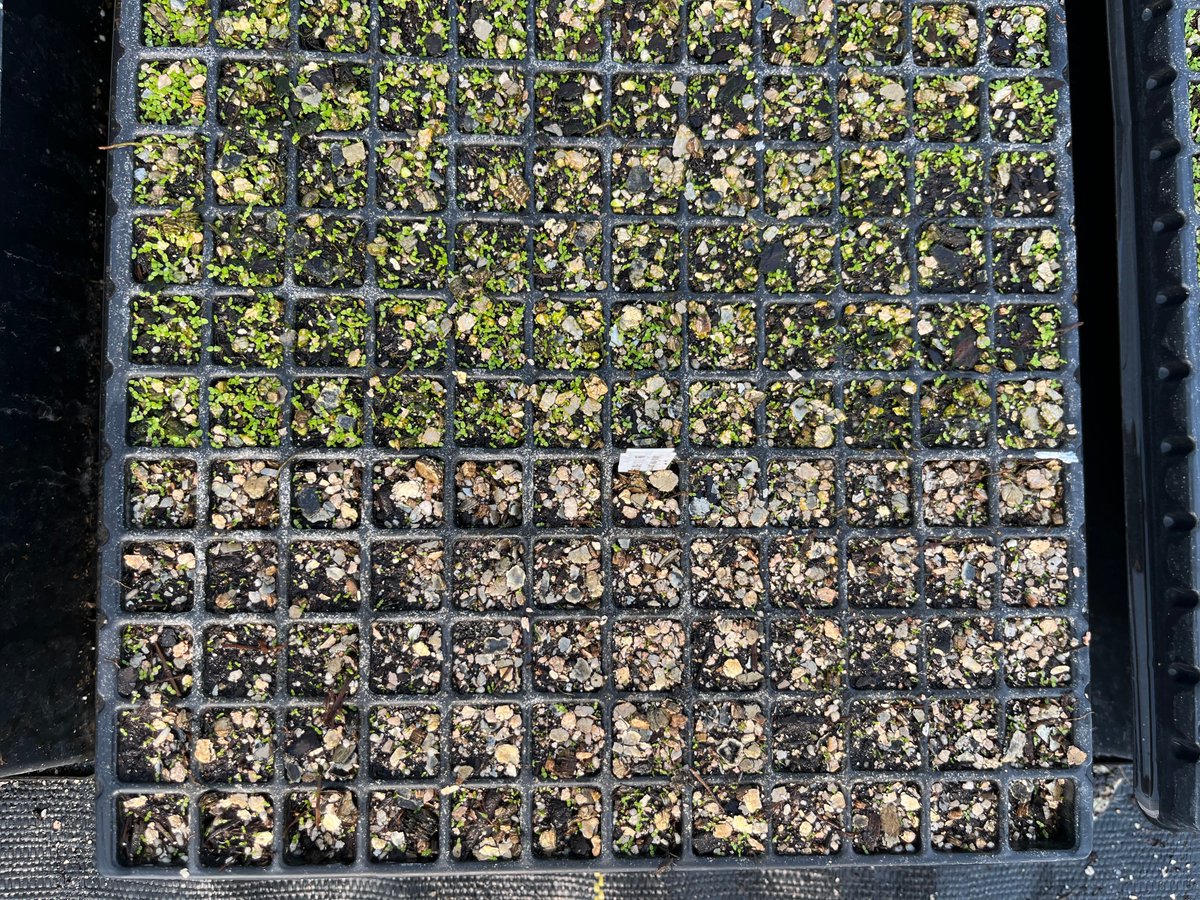
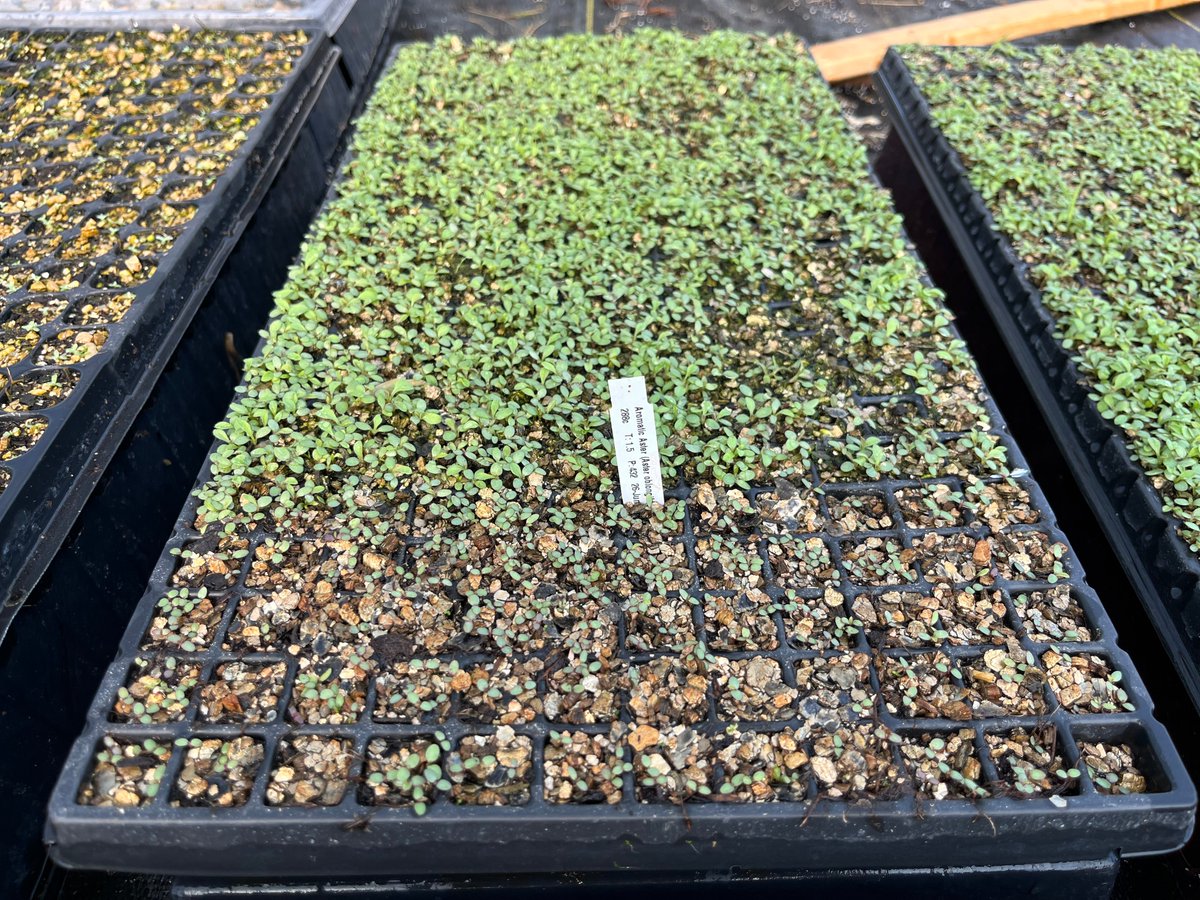
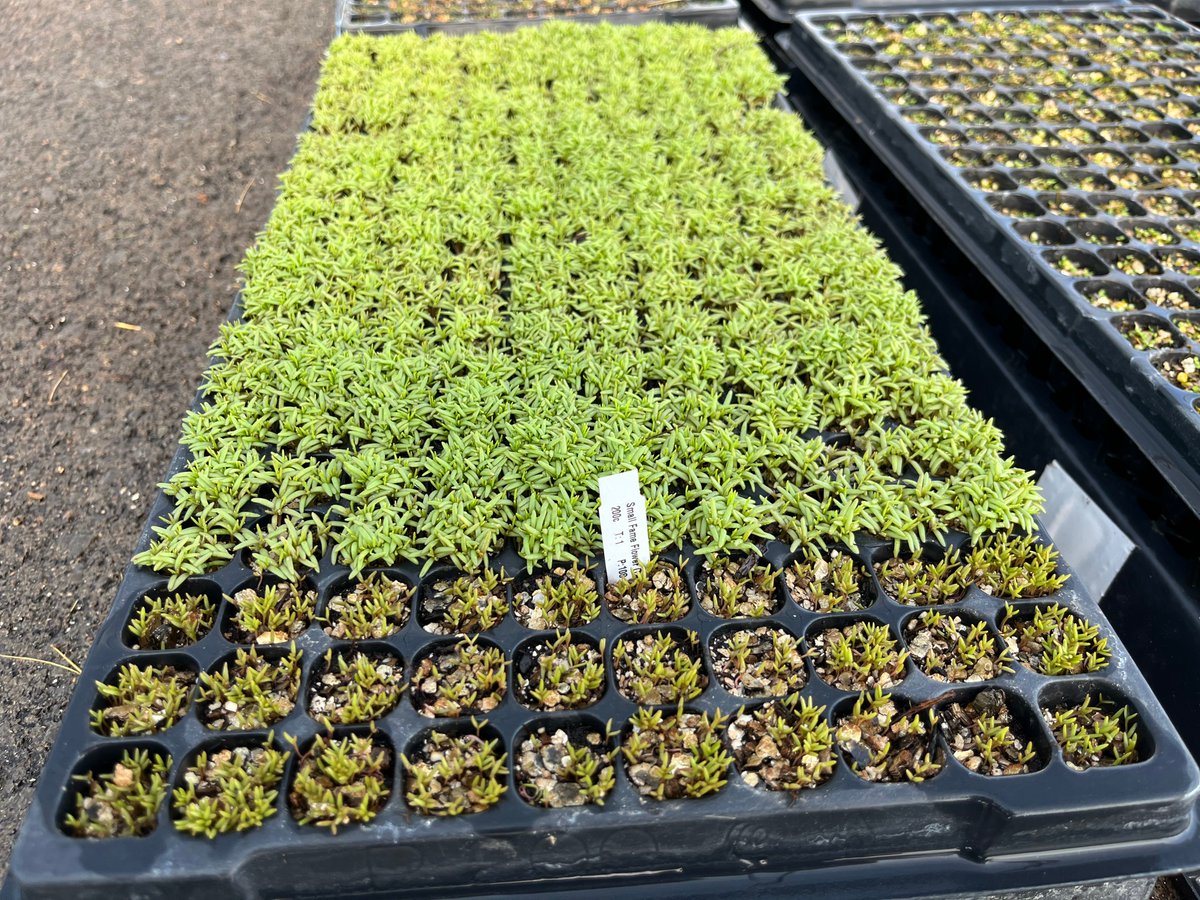
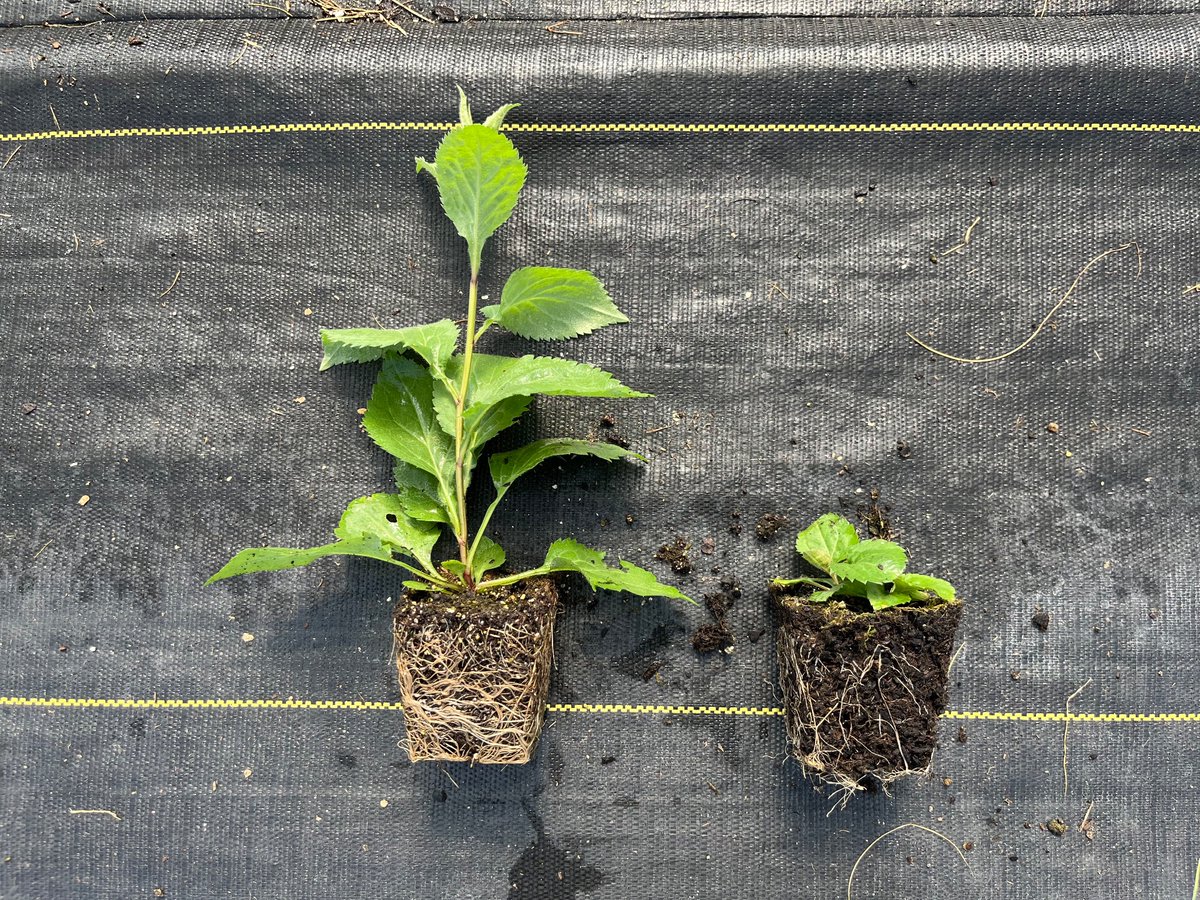
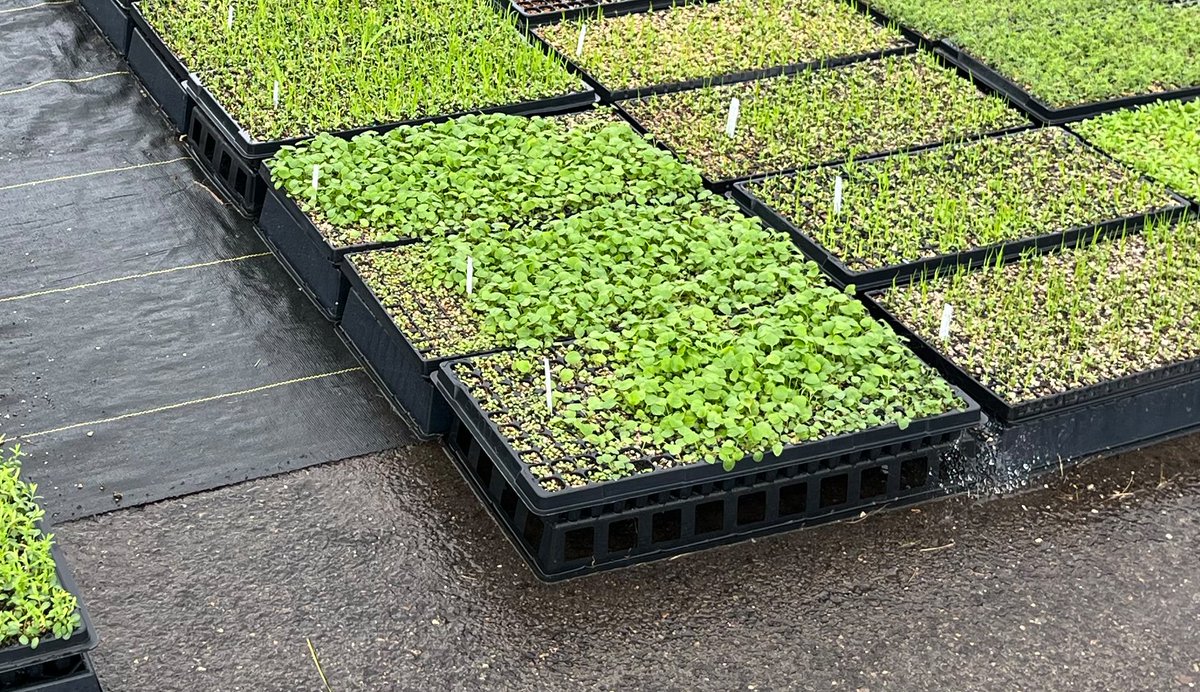
Like so many research projects, my peat-free potting soil grant ended up yielding secondary lessons--like the importance of nitrogen in a soil mix (50ppm in front set of rows vs 340ppm in back of trays--10-16 days after sowing)
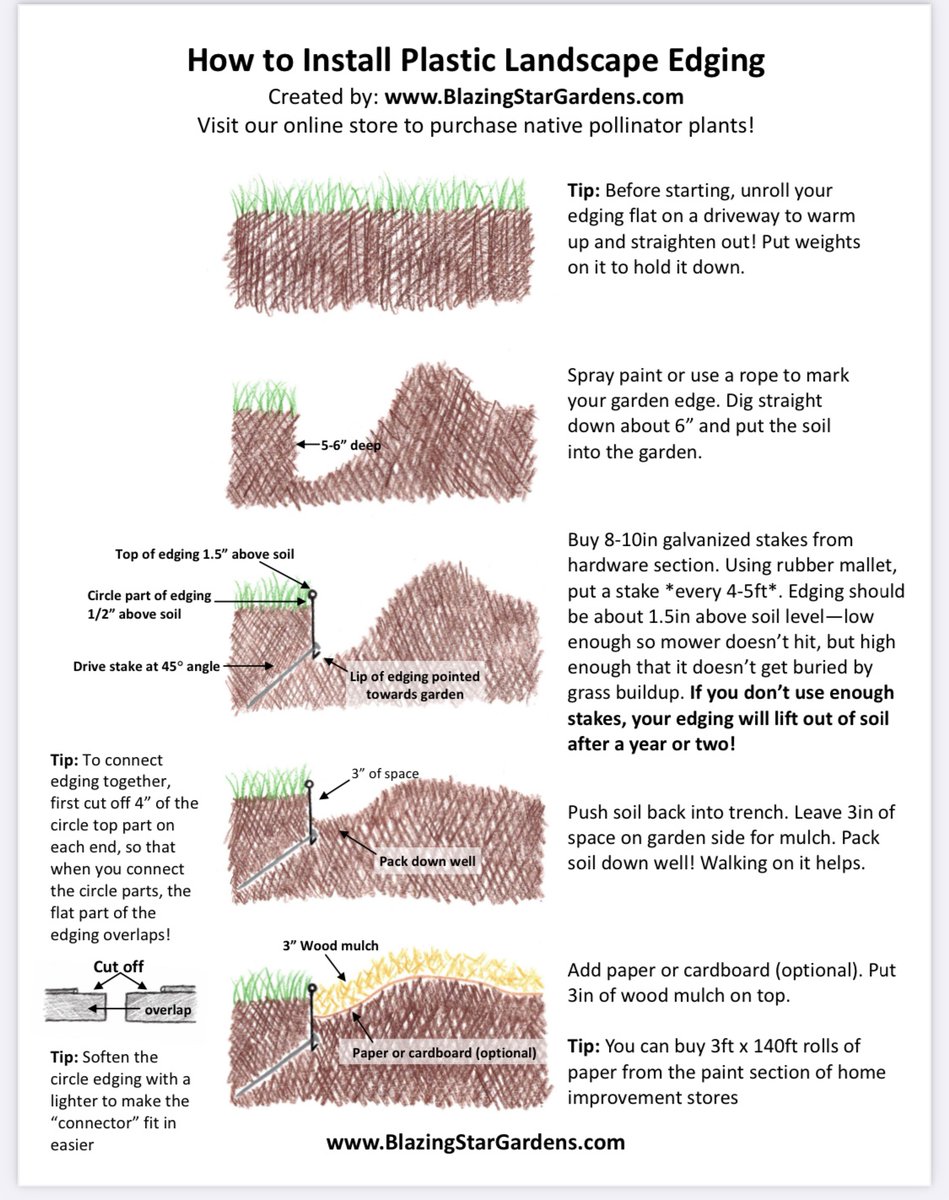
My mom gave me my old 7th grade class cookbook and the recipe I put in it. I found it funny, the way I drew illustrations next to the directions. 25 years later and I still make instructions the exact same way—that mix of words and visuals. “Wherever you go, there you are”
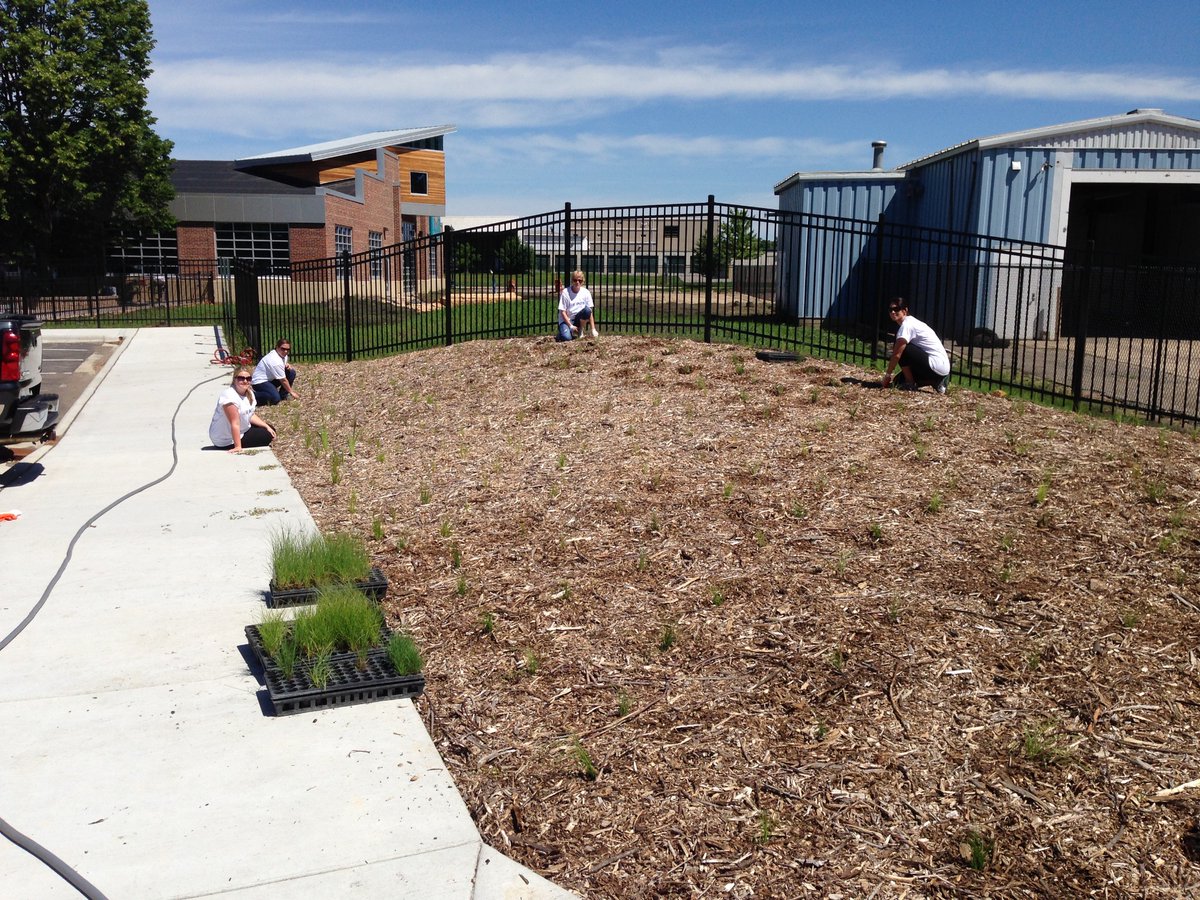
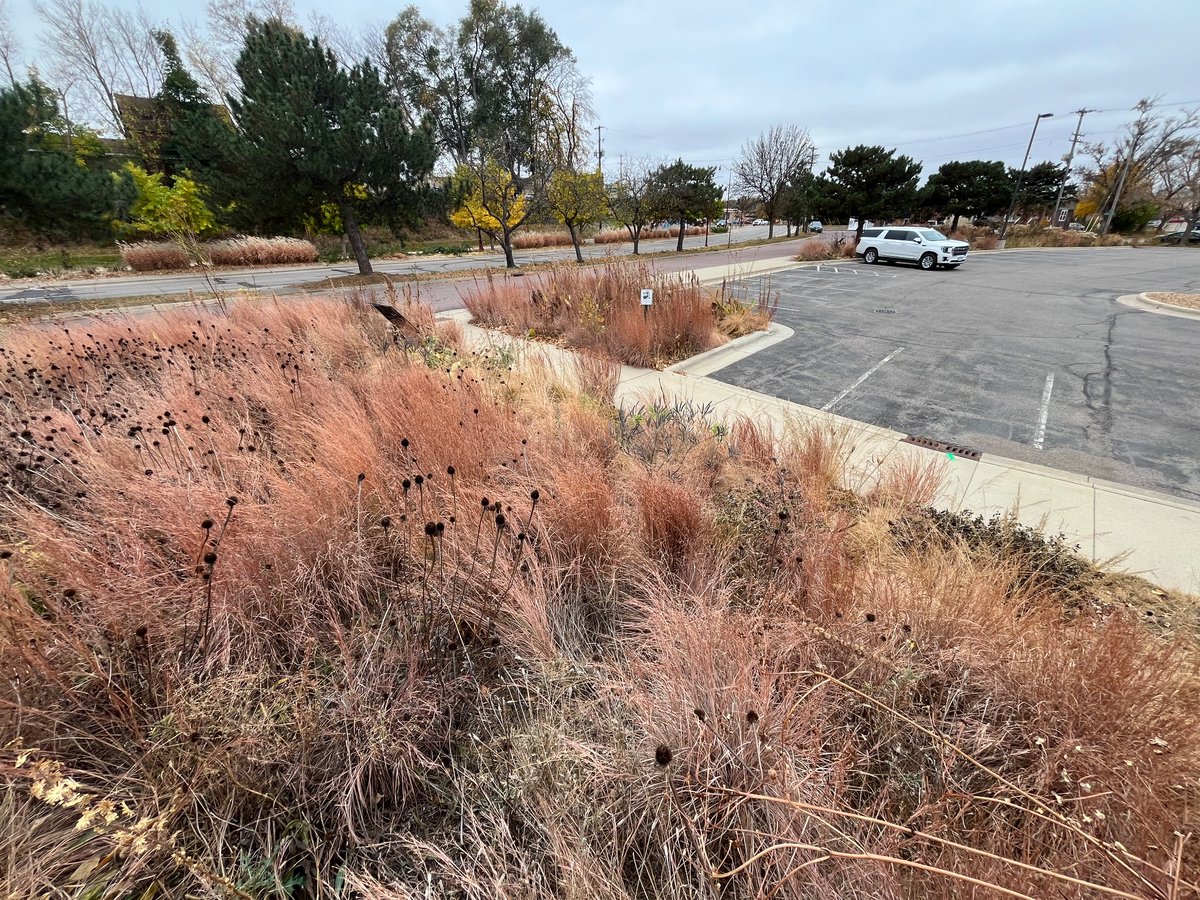
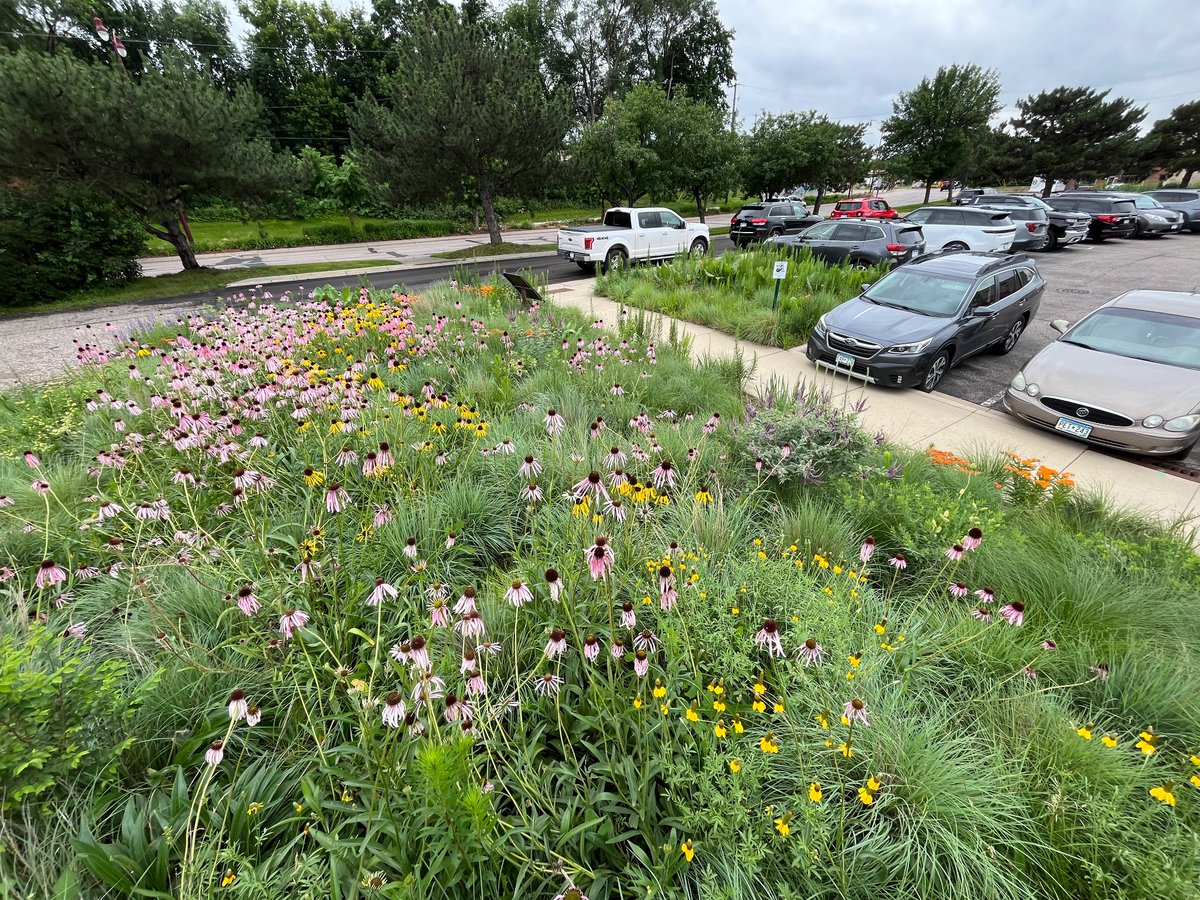
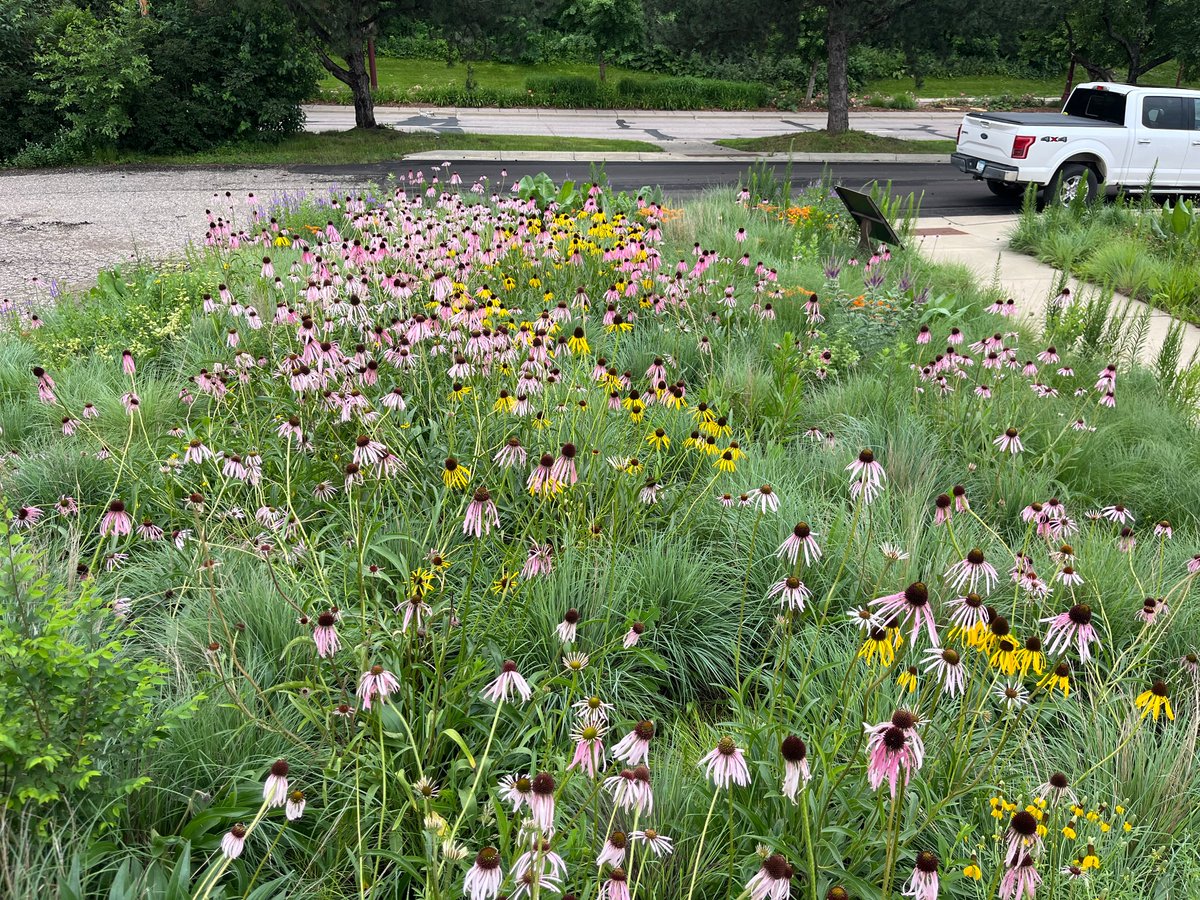
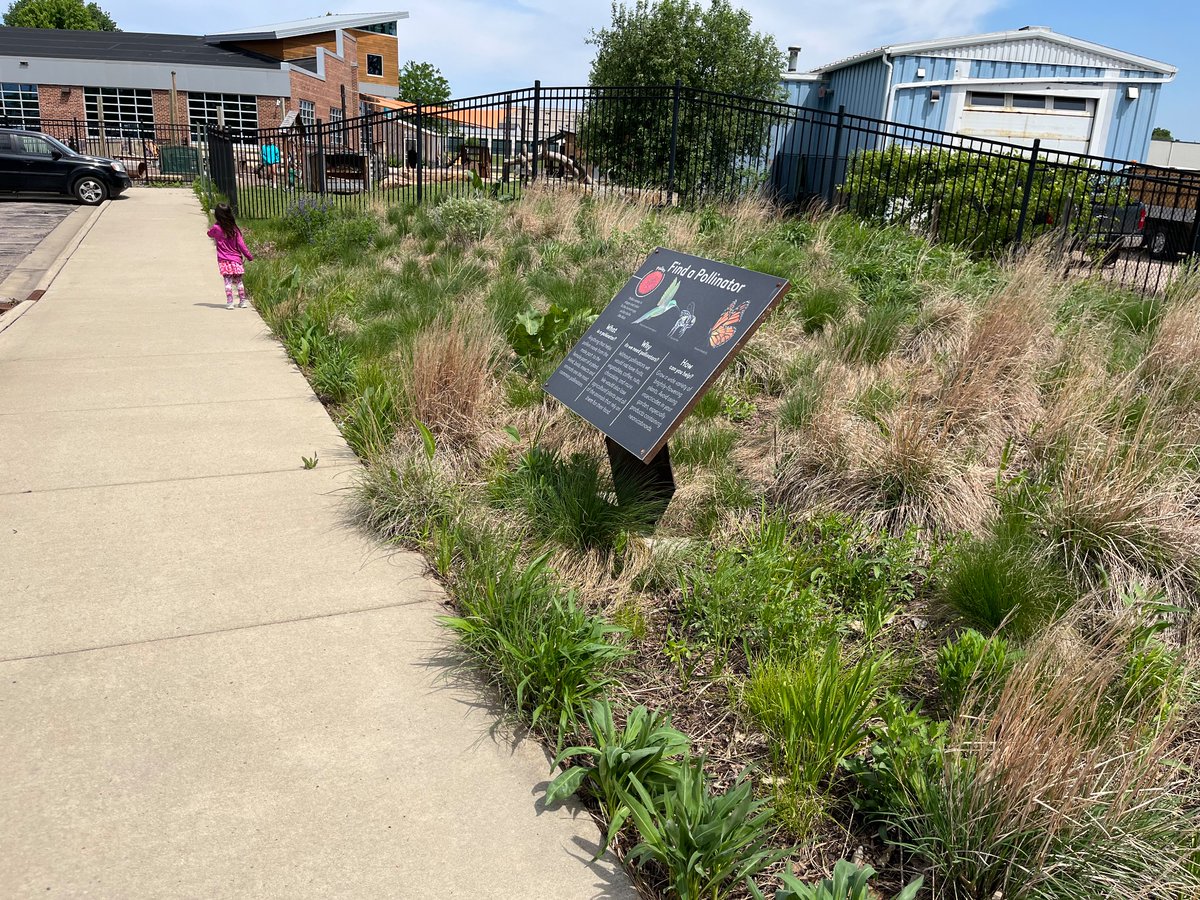
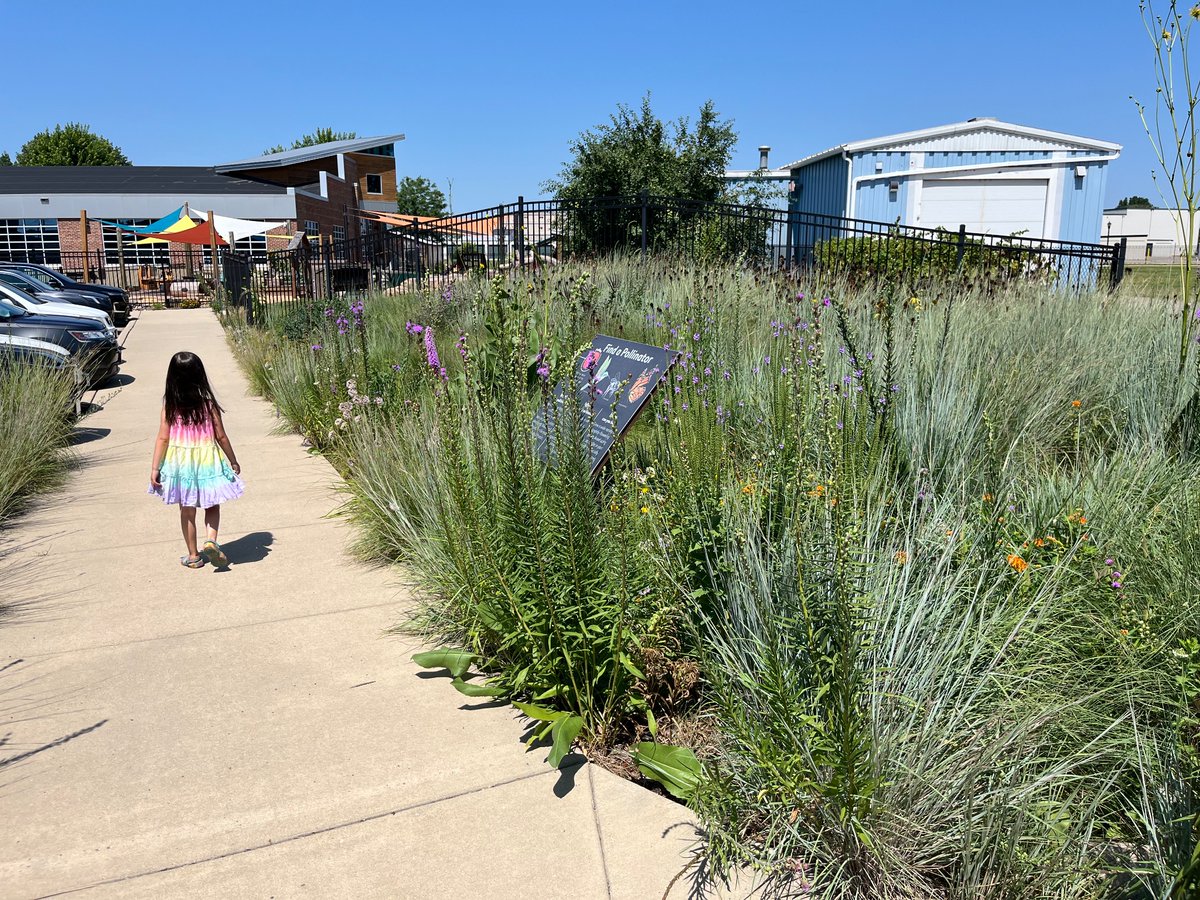
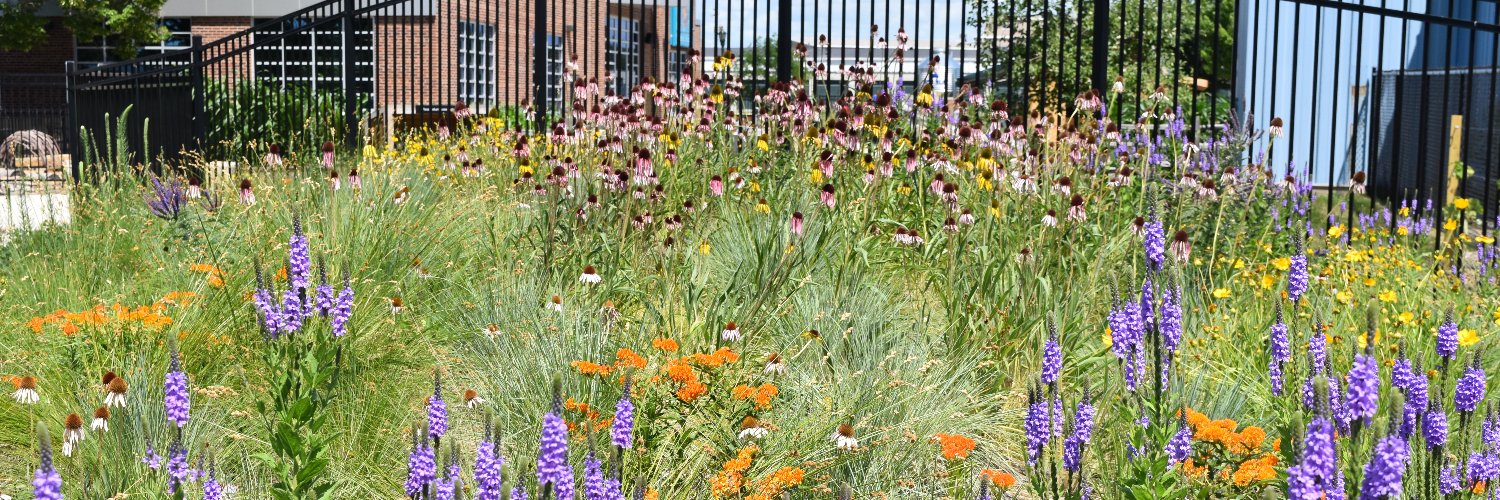
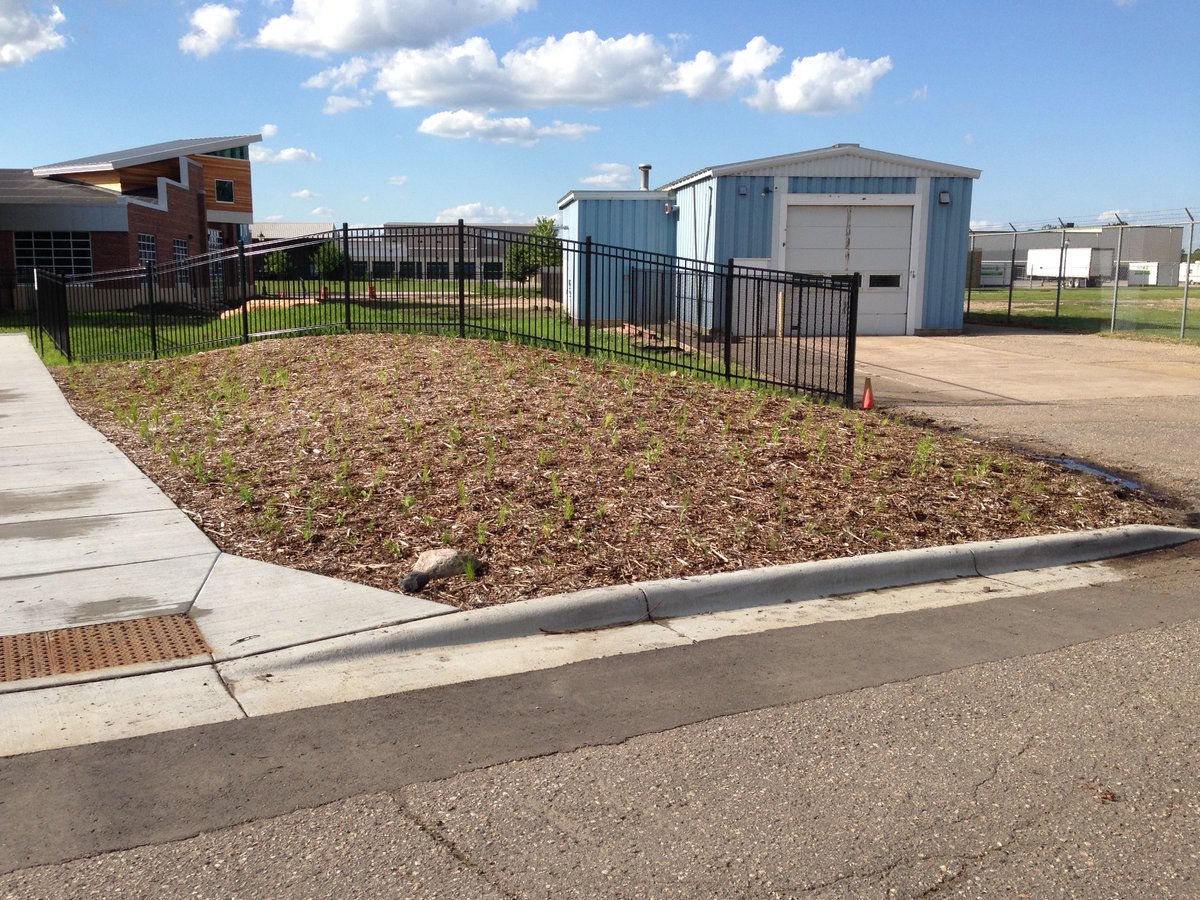
The “hill” garden at the Mankato Children’s Museum in June and October 2024 (and after planting 2015). A good example of mixing grasses and flowers together, just like a prairie, but still designed. The grasses add a season-long softness to the garden, I think
@TheLastFarm It depends on the species, this one was planted with mostly prairie dropseed, Star sedge, blue grama grass—and less little bluestem (which spread throughout, anyways). The tall grasses like big blue or would’ve dominated no matter how few originally, and they were left out.
With big gardens like these, I kind of compare flowers to paintings and grasses to wall paint—you need a balance in a house…too many paintings on a wall is too busy, and only having wall paint is a bit boring, but a good mix is perfect.
@sdho When I maintained it I used to trim it in late fall and leave the trimmings where they fell. Based on the spring photos I took this yr, I think they trim the small gardens and don’t trim the big areas. I tell people to trim and leave the trimmings, or don’t trim, or w/e they want
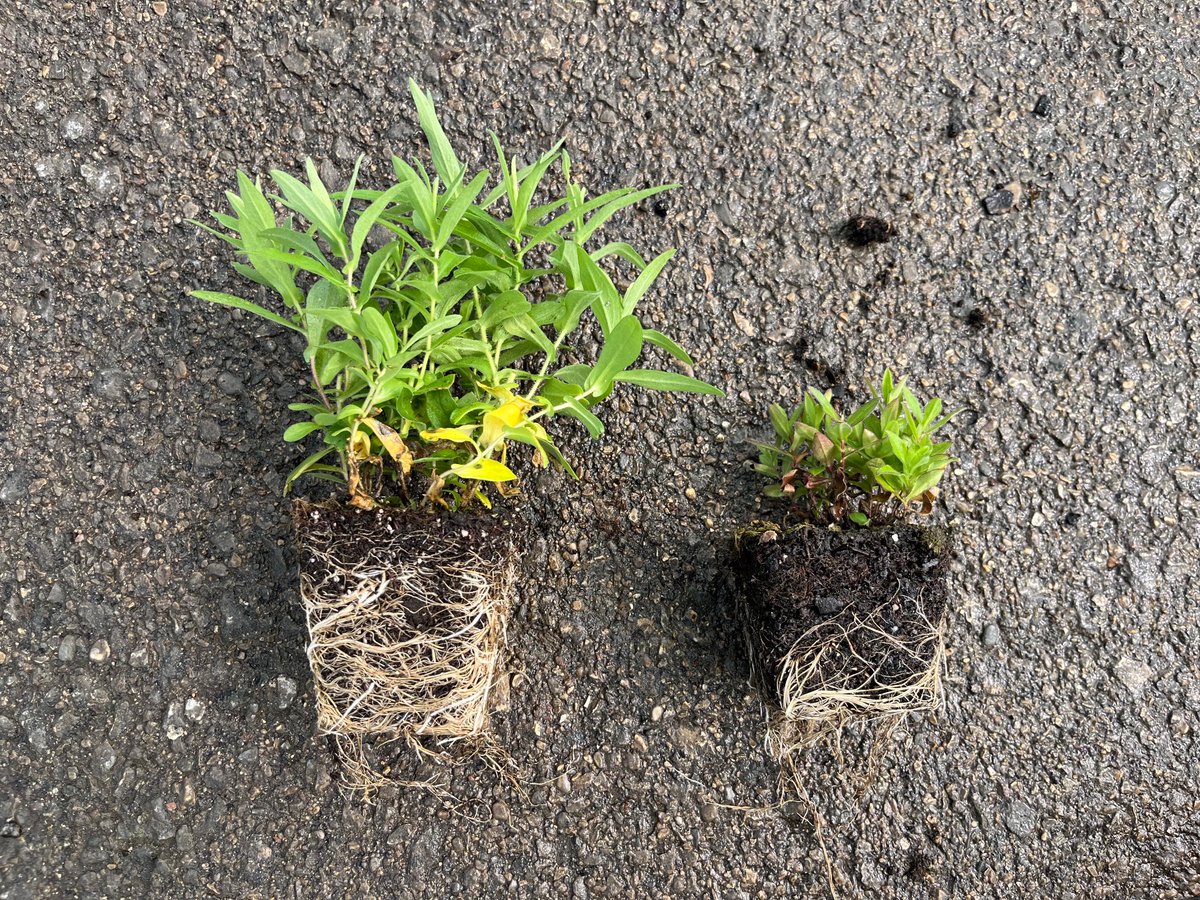
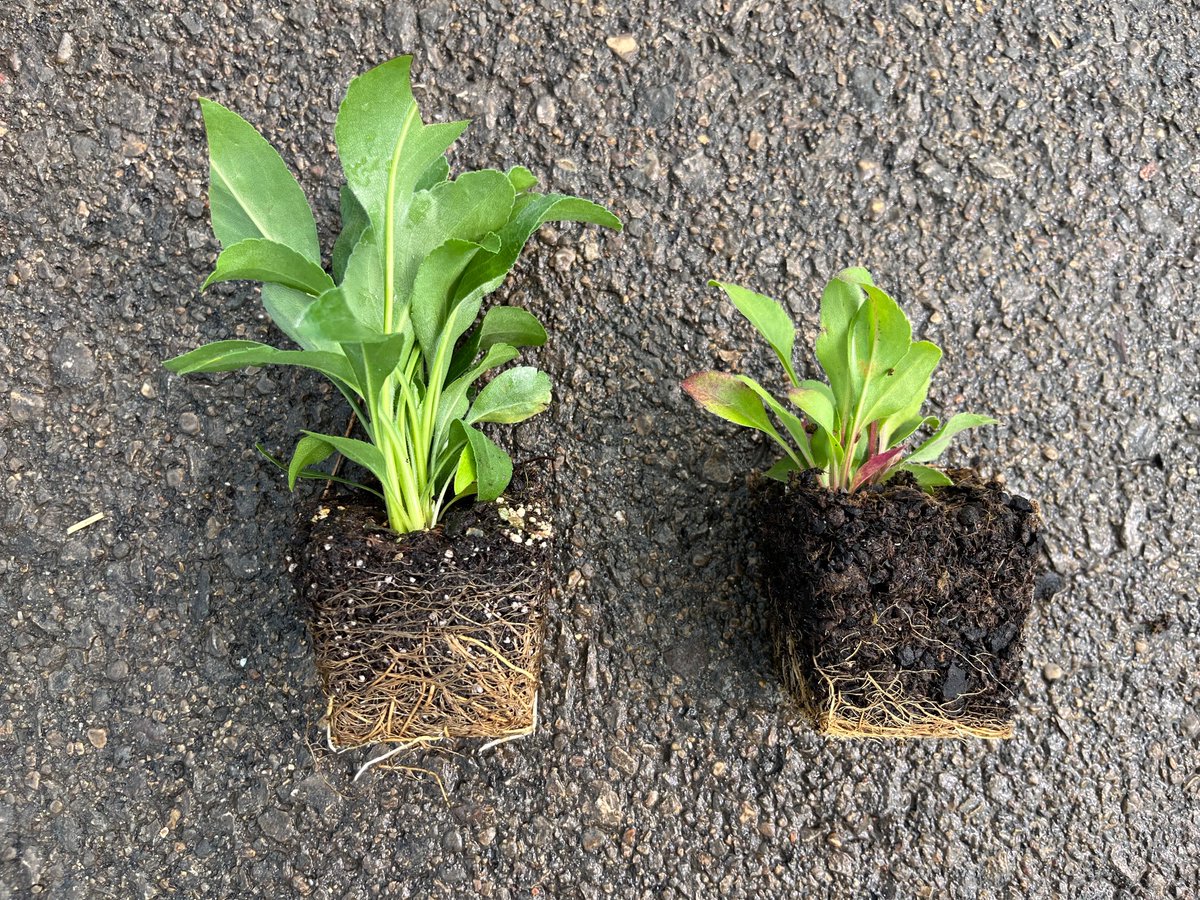
@meristemgrows The professional peat-free mix on the right (Pittmoss brand, not Pro Mix) tested at 4ppm P. Our own mix (left one) was very similar to that, now that I look at it. Our standard peat mix tested at 10ppm P. We had some other compost sourced with higher N and P but it fell through.
In the peat-free potting soil grant, I created our own peat-free mix (left) and bought a pro peat-free mix (right). The pro mix had low nitrogen levels (soil test came back at <5ppm nitrogen 😬…good levels are ~200-400ppm). Rooted all right but the nitrogen deficiency is clear.
@theprovenwinner No prob, another note—the amount of nitrogen you add will depend on the starting nitrogen levels in whatever compost you use. Our compost was low, 50ppm (~25ppm after mixing w/fiber), so we added more cal nitrate to get it up to ~200-300ppm. But most composts have more nitrogen.
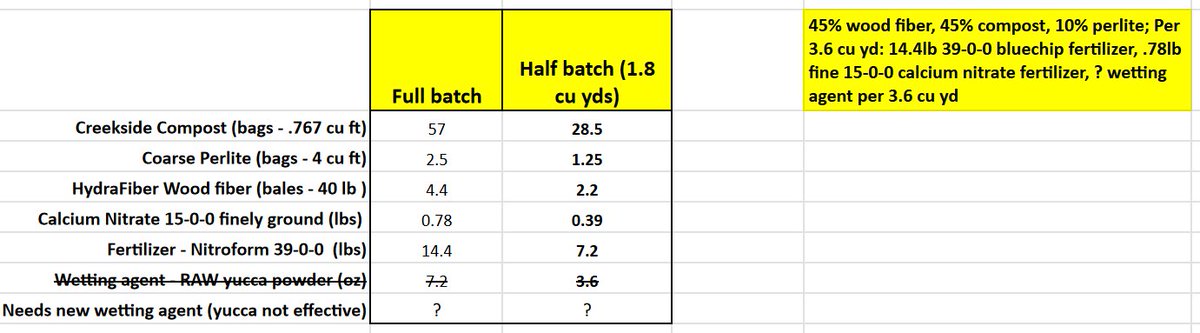
@theprovenwinner It'll be published more thoroughly in next years' MN Dept of Ag Greenbook but this is a rough mix we created...needs a better wetting agent, fine tuning of the calcium nitrate, and I'd reduce the compost and wood fiber and make it 20% decomposed pine bark if I could source it:
I'm hoping to shoot more videos next year of native plant gardens in MN. Anyone have recommendations of public plantings in the Twin Cities? There's Eloise, the Arb, Silverwood--but I'm looking for garden gems with high diversity...like large rain gardens, schools, buildings, ...