Our goal is to produce a step change in the industrial challenge of creating virtual objects that look, feel, move and change like ‘the real thing’. @EU_H2020
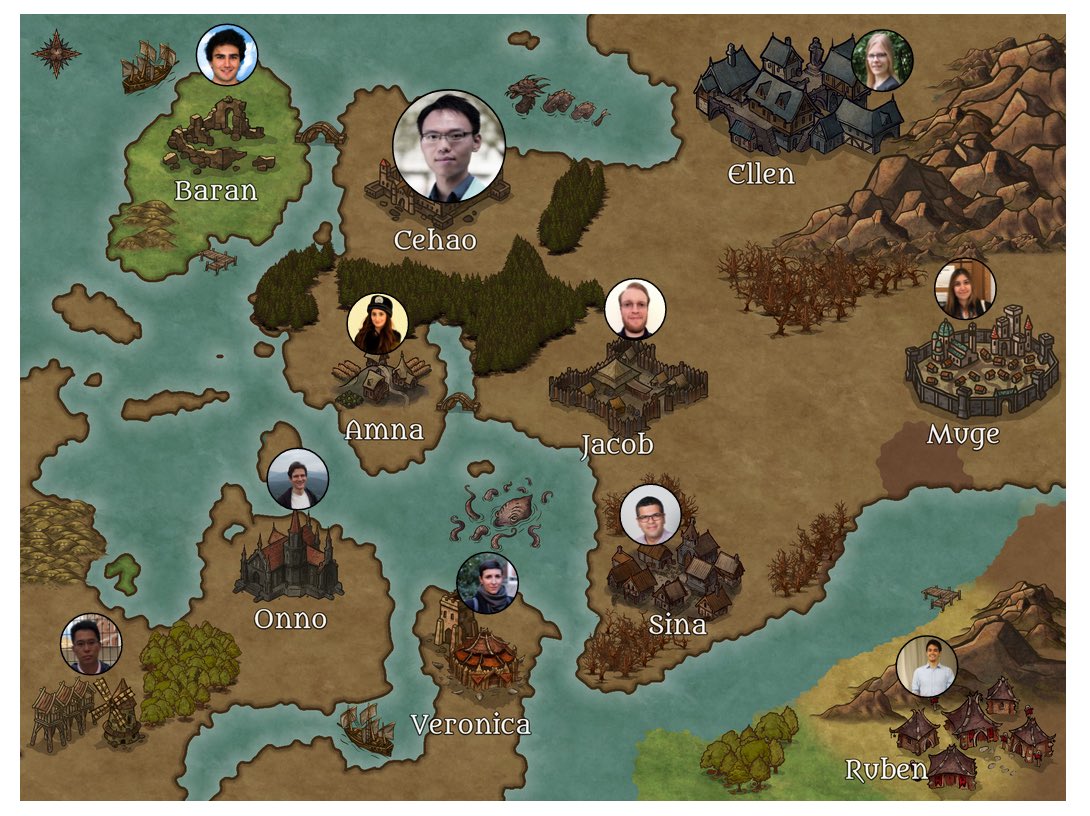
#DyViTo Consortium Meeting is reaching our favourite part, Early Stage Researcher poster presentation. Thank you to @tudelft, particularly @YU_Cehao and @bartonyan1 for creating the interactive ESR map!
From cave paintings to CGI: how we see the world and learn from it. In the latest of our ‘13 Academics’ series, we speak to Marina Bloj, Professor of Visual Perception: https://t.co/3Zs9ldzvXr #TeamBradford
Excited to share the first paper of my PhD! -> https://t.co/6AUsSAxizB
Punchline: When the specular reflectance of a surface is varied, perceived gloss can be modeled under the assumption that internal sensory noise remains constant.
Explainer thread below. (1/10)
Our technology has been recently used to illuminate a 66 million years old Triceratops skull. A project of @tudelft within the @DyViTo_Project
https://t.co/LKnolw5V4T
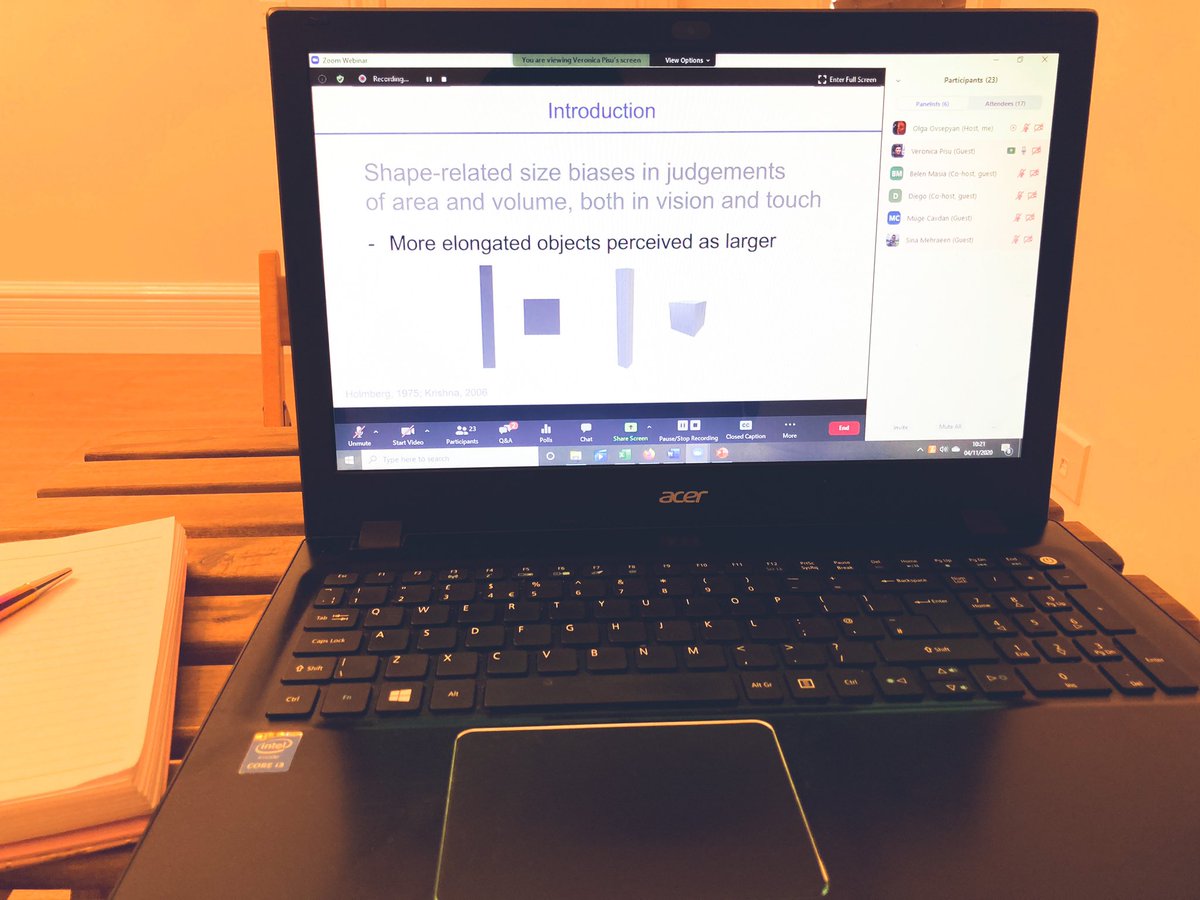
Favourite part of @DyViTo_Project consortium meetings: listening to our Early Stage Researchers present their work. From publications to collaborative work, they have achieved fantastic results even during this tough time!
The team @unizar have organised a brilliant virtual meeting for our consortium! A big thank you to them. We are all looking forward to some very interesting talks!
Come for the beautifully rendered photorealistic stimuli, stay for the science on how humans perceive materials and "stuff" 👀🧠.
It's a privilege and pleasure to host Prof. Roland Fleming (@jlugiessen / part of @DyViTo_Project) for the next #OSAColorTG@OpticalSociety webinar.
Our museum is reopening on 19 August!
We are looking forward to welcoming you back to the museum. We’ve made a few changes to ensure you can visit us safely.
https://t.co/XumGoggDn4