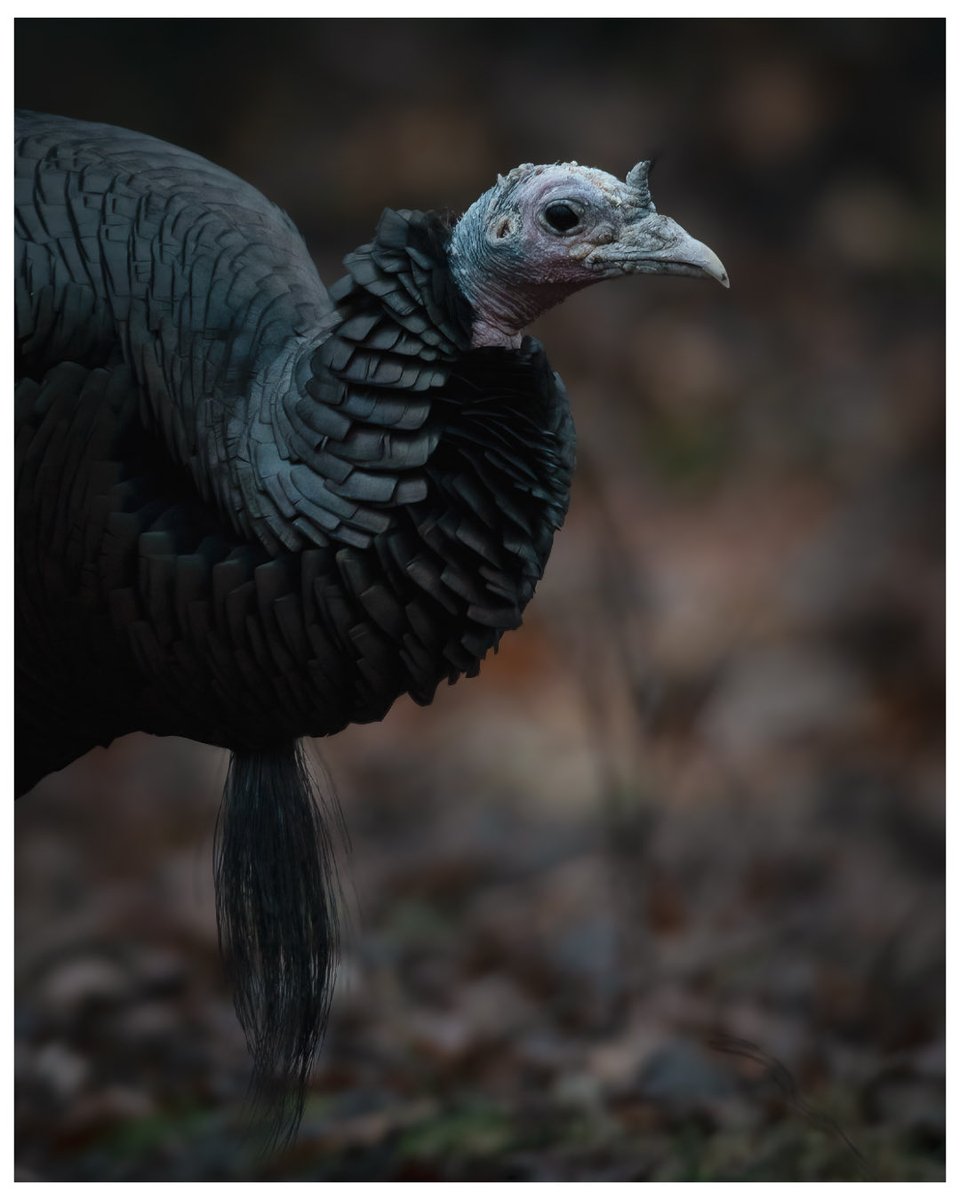
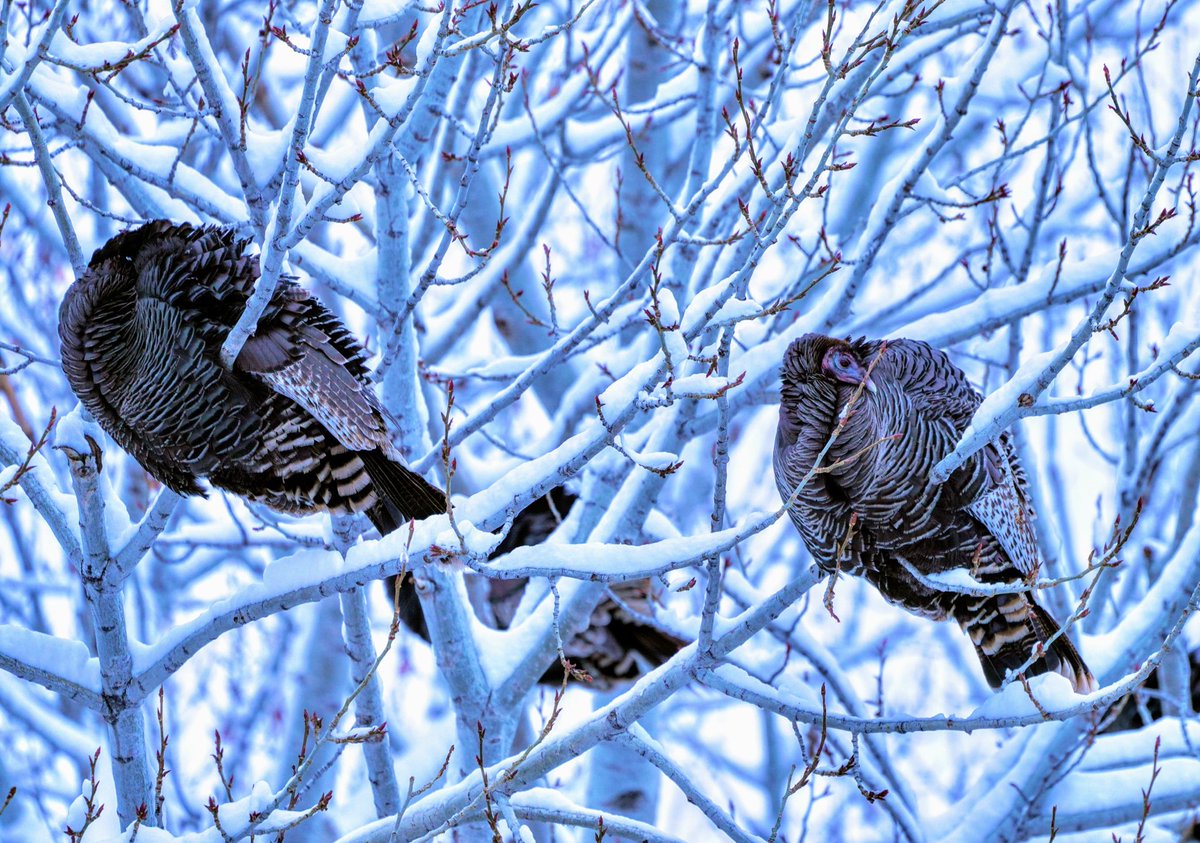
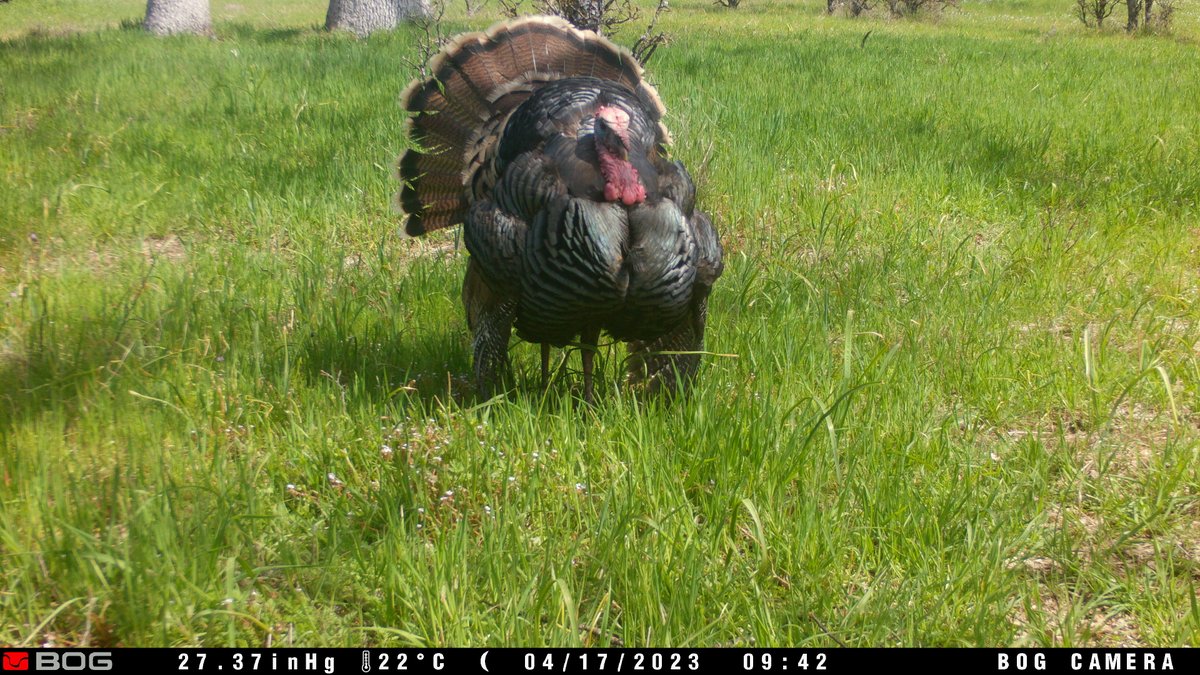
This tom shows symptoms of LPDV, a virus that causes tumors on organs in wild turkeys. Lesions on head, squinted eyes, hunched, clearly ill. Ongoing work will help us understand whether this virus impacts populations. Anyone seeing birds that look ill? @NWTF_official
Hey #TWS2023 folks,
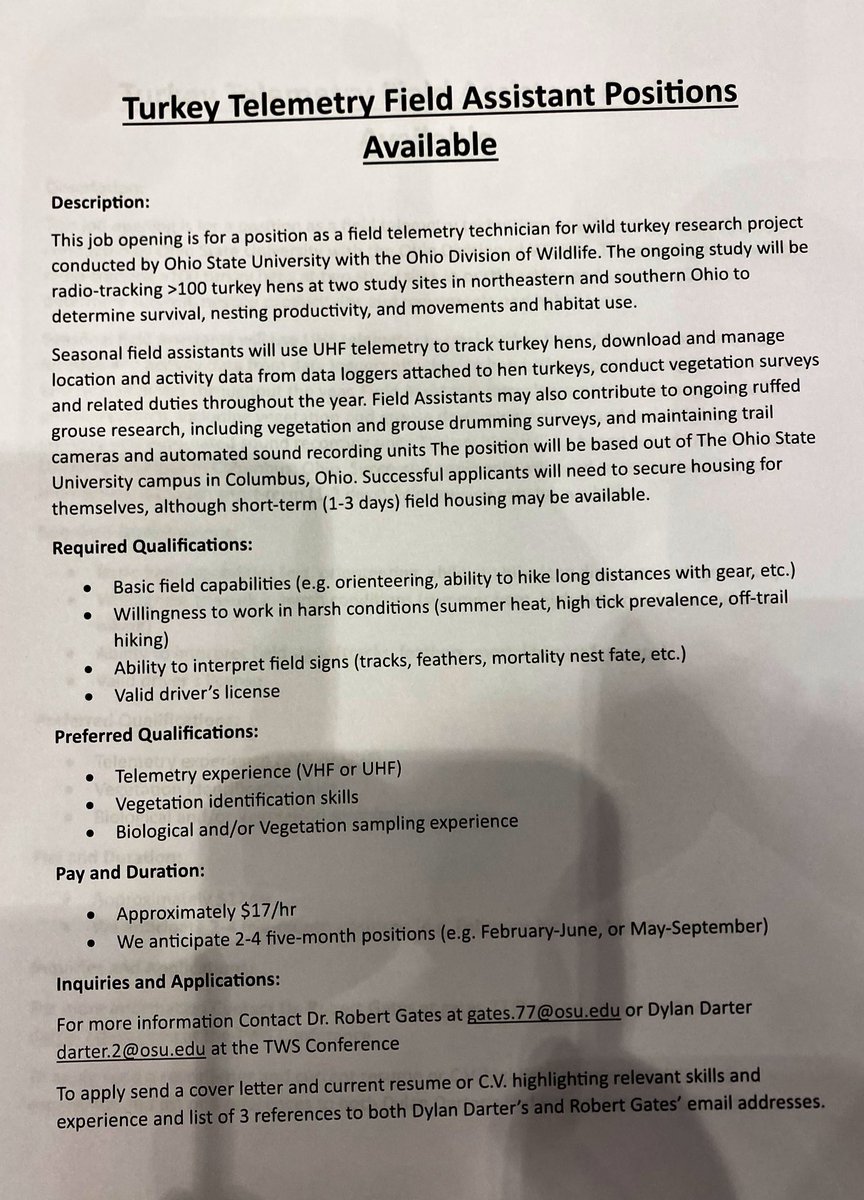
The Ohio Wild Turkey Project is hiring technicians for the upcoming field season. If you are interested, let me know here or come to the @OSUEnvironment booth!
Hey #TWS2023 folks,
The Ohio Wild Turkey Project is hiring technicians for the upcoming field season. If you are interested, let me know here or come to the @OSUEnvironment booth!
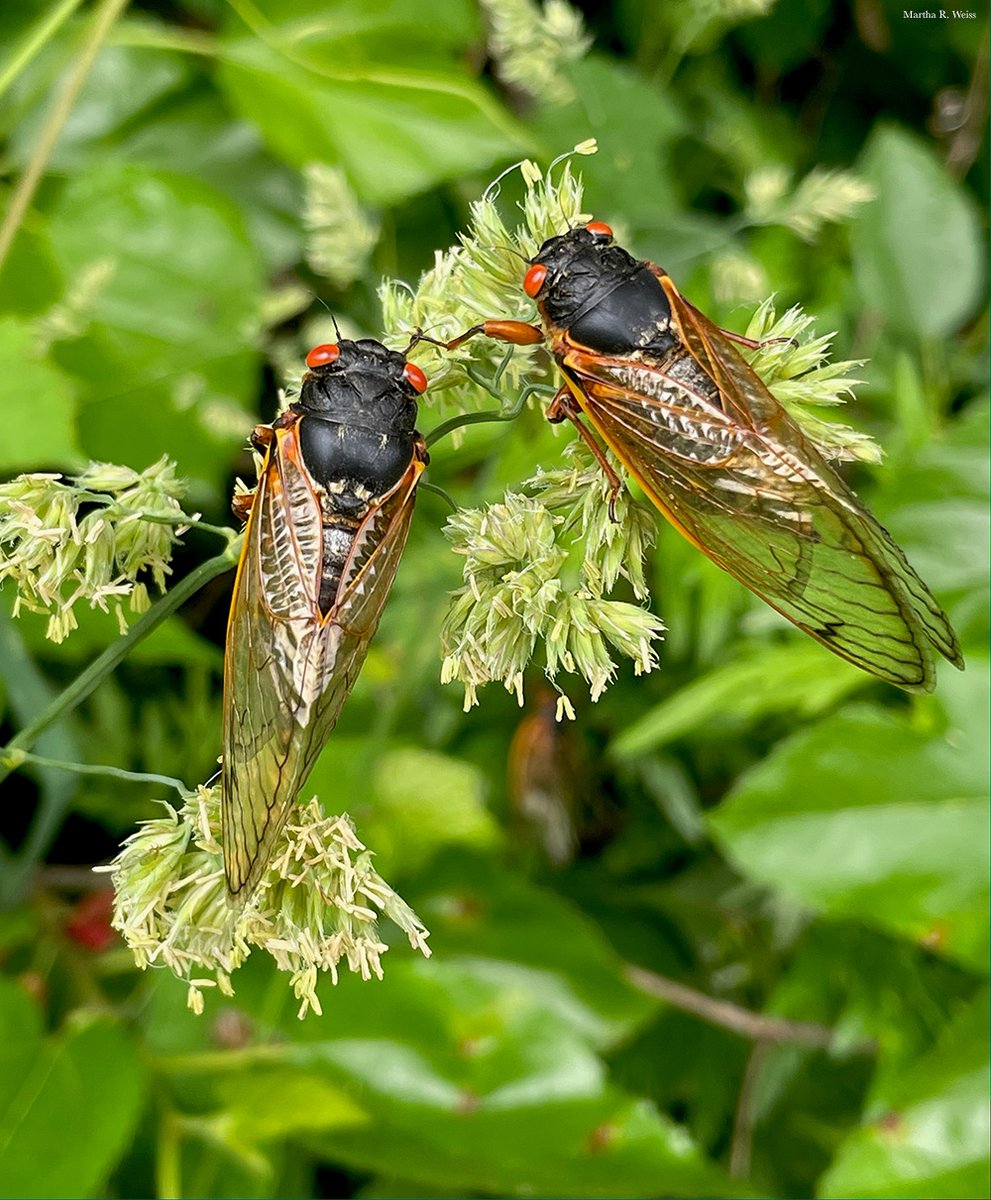
The periodical mass emergence of cicadas in eastern North American forests can “rewire” forest food webs and initiate a cascade of ecological impacts that propagates throughout the food chain, according to a new Science study.
📄: https://t.co/Kd5bRrQOXf
With winter around the corner, fall is critical for turkeys to build fat reserves and gain weight. Seeds, grasses, fruits, and nuts help fuel their engines, and getting thru winter in prime shape is key to reproductive success in spring @NWTF_official @MossyOak
Join us in congratulating the Terrestrial Wildlife Ecology Laboratory (TWEL) who celebrated 20 Years of TWEL on 9/30. The gathering brought together @OhioDivWildlife staff and SENR/TWEL faculty, staff, & students to celebrate.
Learn more @ https://t.co/cBZocWXx75.
#SENRisHere
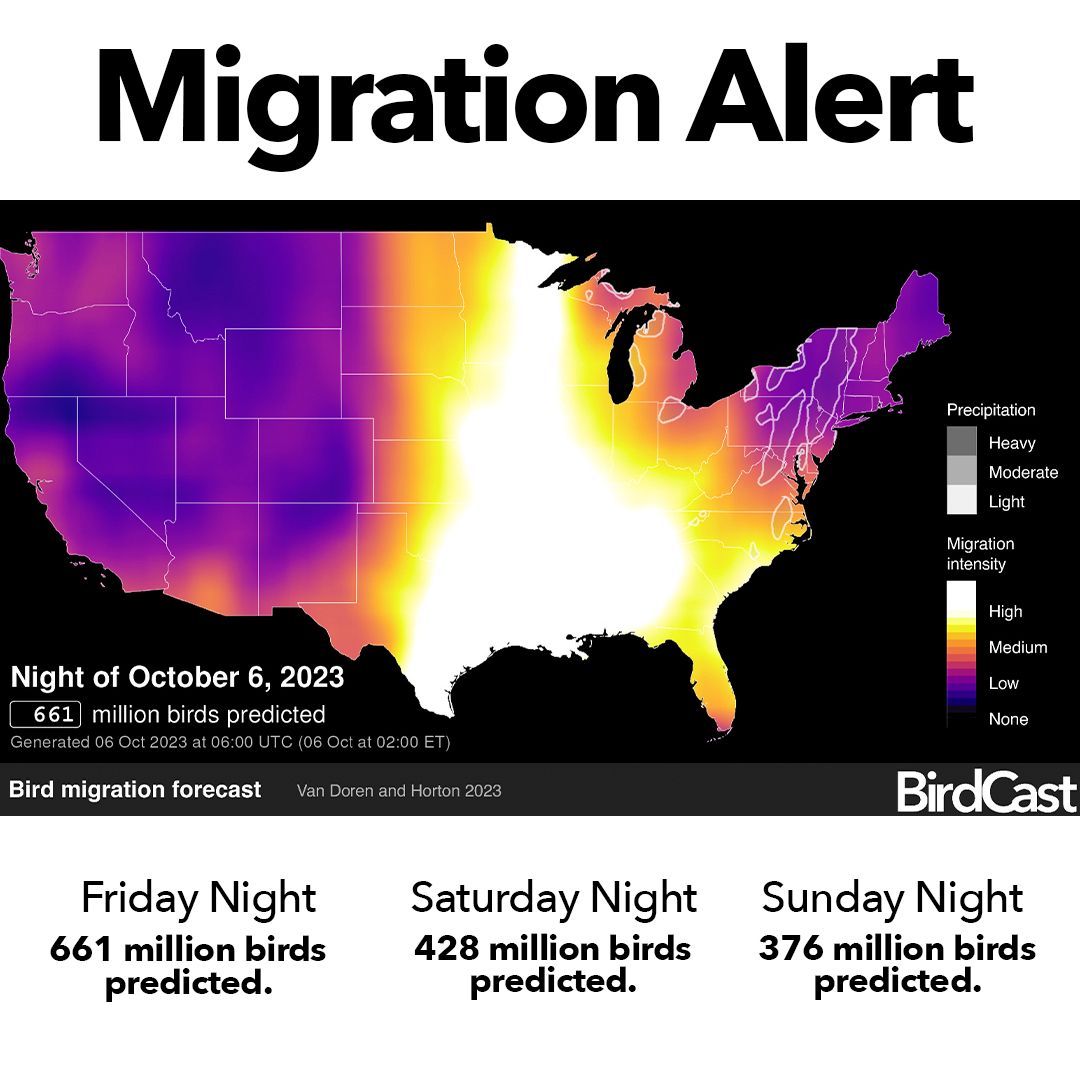
MIGRATION ALERT: More than 600 MILLION birds predicted for tonight! Given the tragic mass window collisions in Chicago (see our previous post), it's an important time to dim nonessential outdoor lights at night & make your windows safer for birds: https://t.co/CboDf0WiNr
Big wildfires are getting more & more common on the Great Plains. Now you can see the risk in *your* neighborhood with a new @KSForestService online map. City outskirts & some rural areas are especially at risk: https://t.co/WAYlJRsPdy