Empower Dyslexia Podcast talks about dyslexia in school and other environments. Hosting different experts on dyslexia to learn more about learning disabilities, each episode is almost an hour but when you start to listen to this podcast, time flies.
https://t.co/gx9Gx1jOF0
A blog focusing on dyslexia, internet safety, and what it means to be an expat family; a blog for parents by a parent! No filler, no jargon - just easy-to-read advice, information, and a little bit of humor.
https://t.co/Lp9bd2SynA
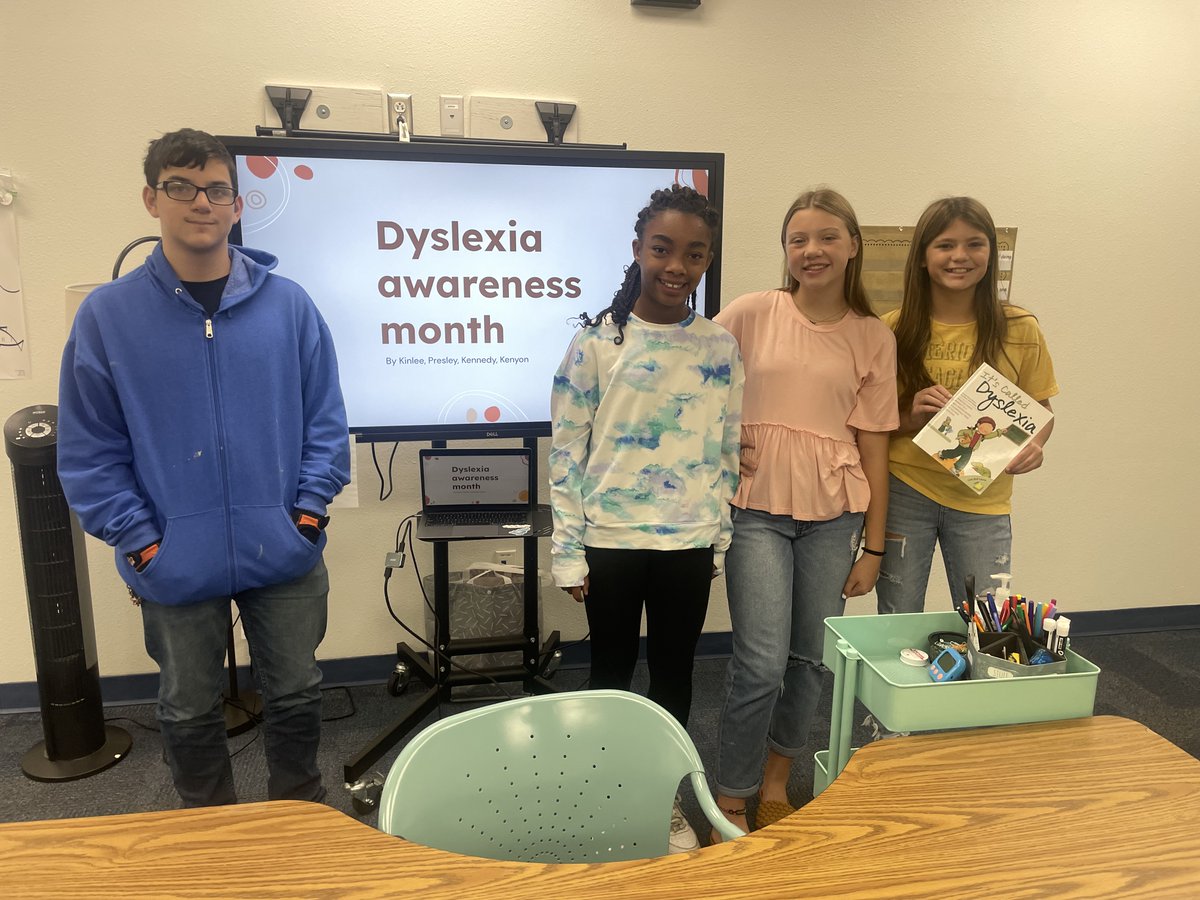
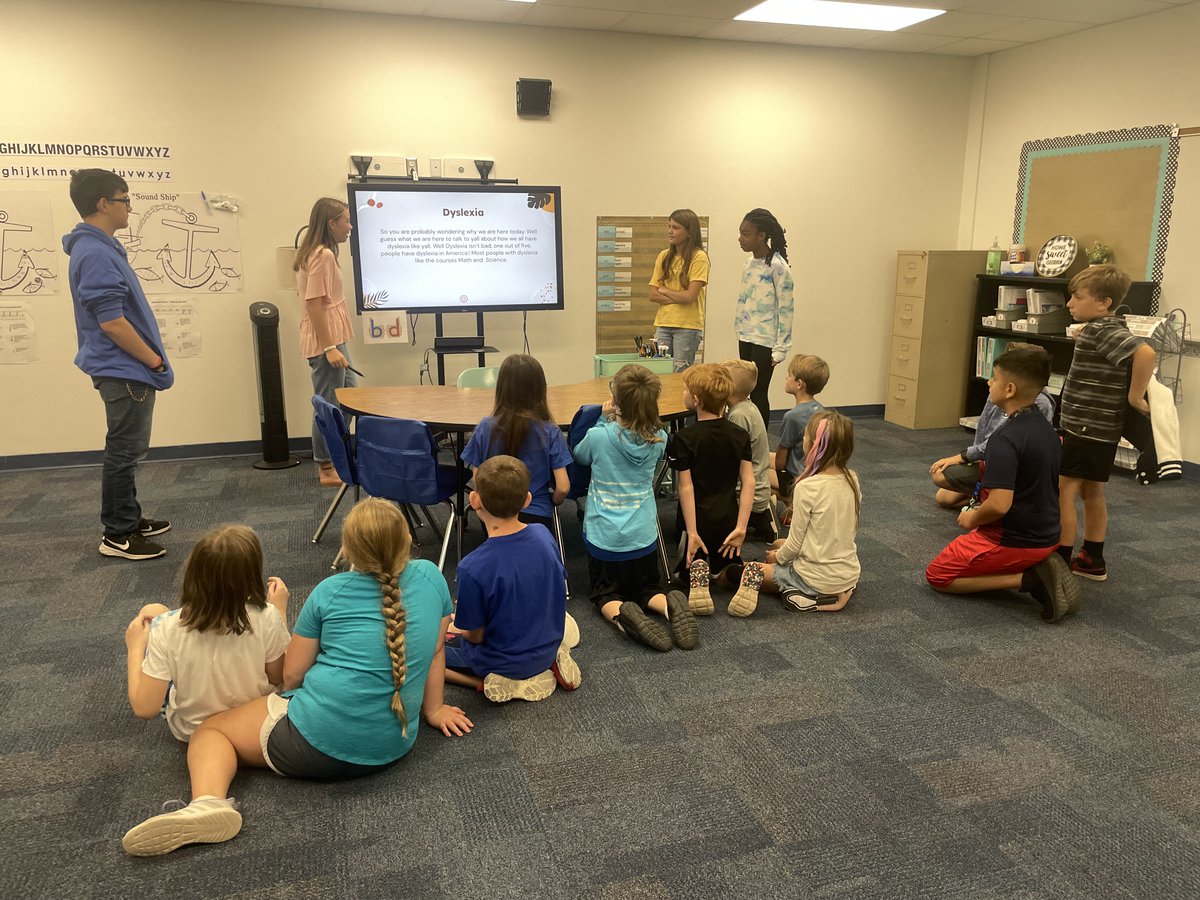
Some our middle school students put together a dyslexia awareness presentation to share with students at a nearby elementary school! So proud of them!!! #Community#DyslexiaAwareness#DecaturPride
Miss Arkansas shares about having dyslexia and how she plans to use her platform by using her resources and networking to help establish Reading Is Fundamental chapters in schools and promoting reading by giving students 'literacy kits.'
https://t.co/HPf3CTiOuh
Dyslexia Students at MMS have been celebrating their learning difference all week long! Here is some sidewalk art they did together 😍 #DyslexiaAwarenessMonth
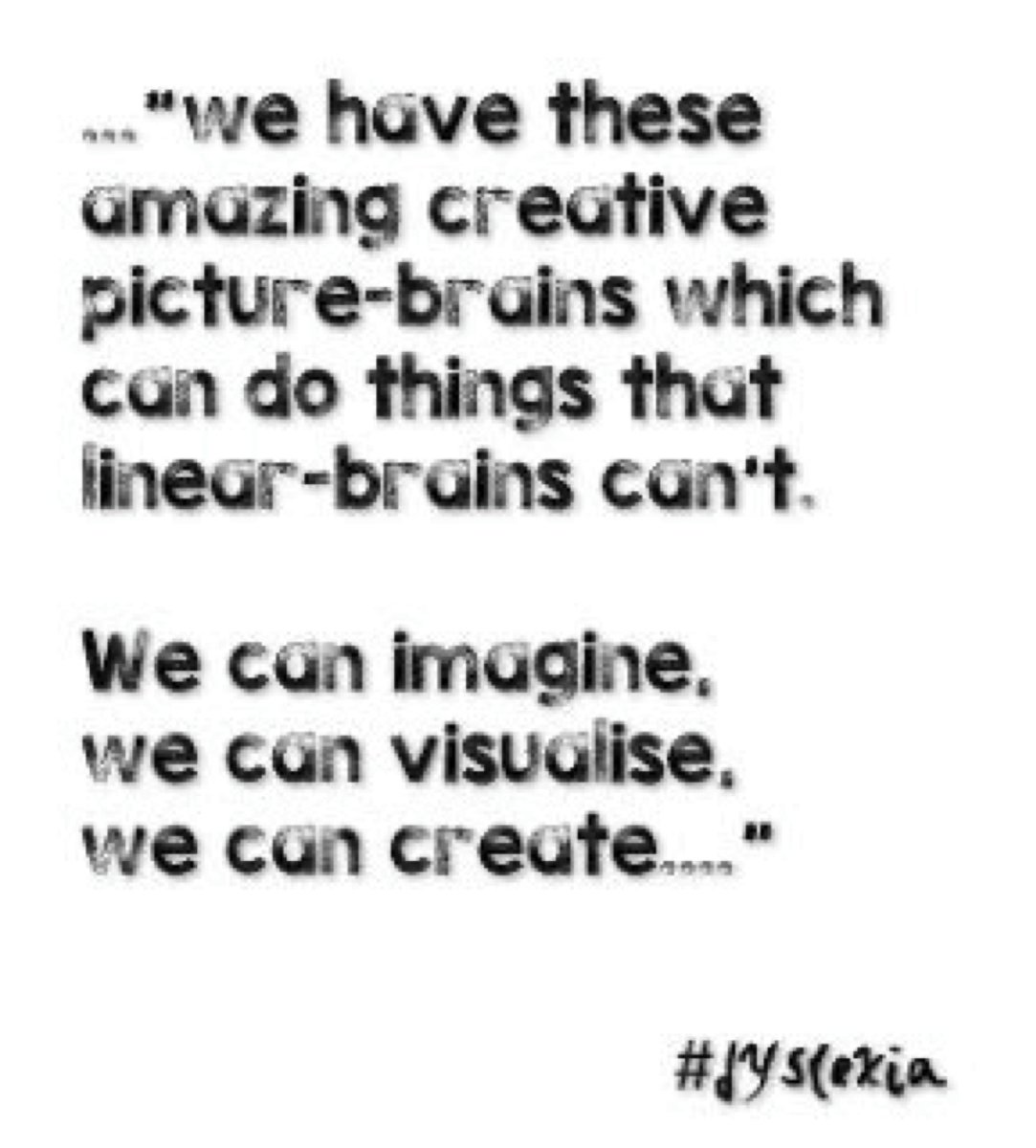
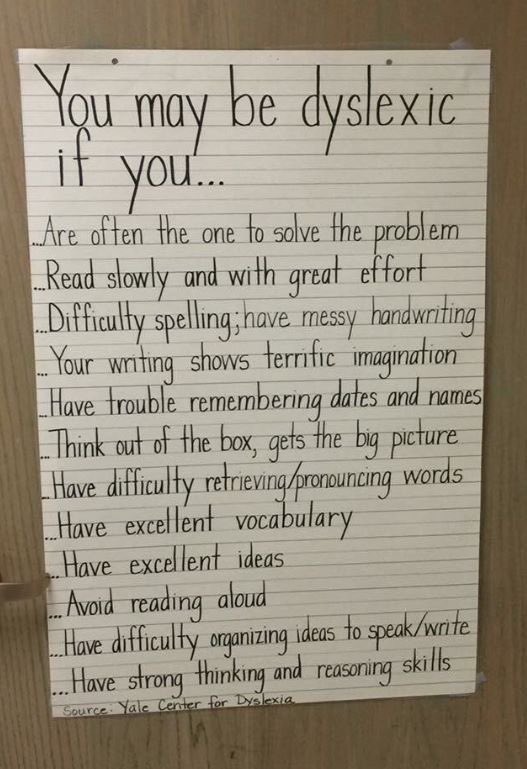
Did you know people with dyslexia have many STRENGTHS? Along with being big picture thinkers and having various talents they have many positive traits!
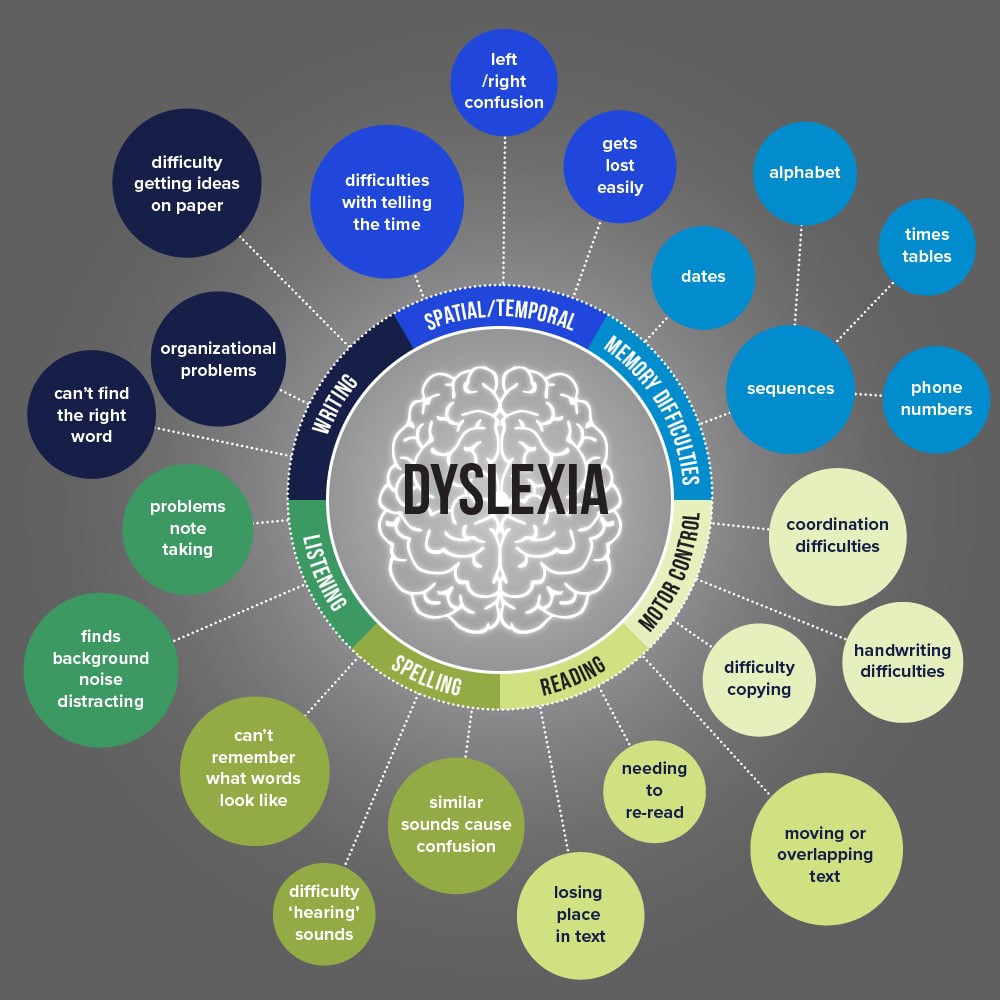
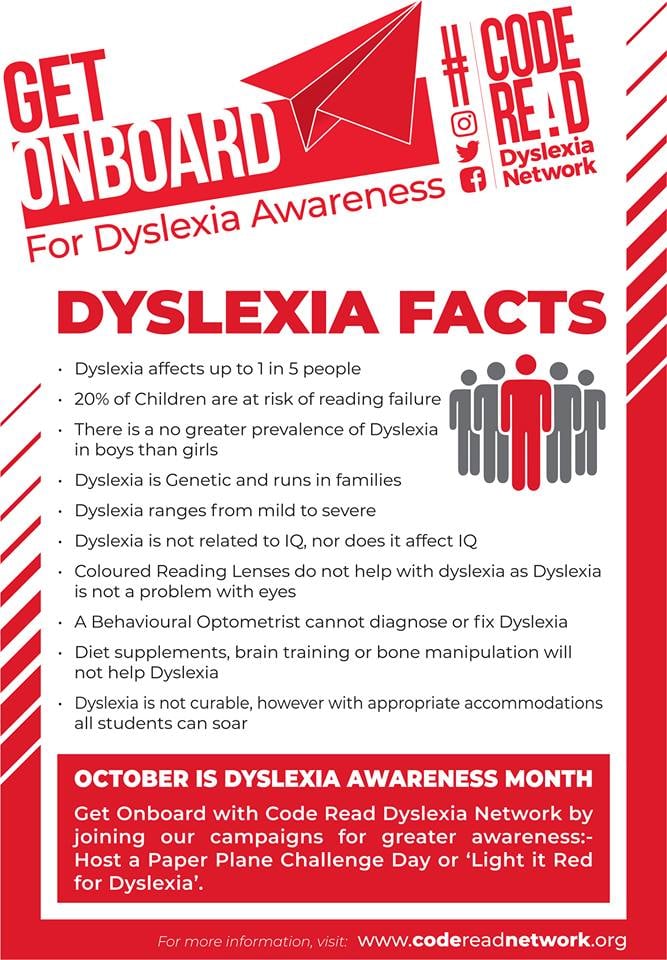
Facts: 1 out of 5 people have dyslexia. Dyslexia is neurological and biological. Dyslexia brings many strengths. Dyslexics are very bright. Dyslexia is a language processing disability.
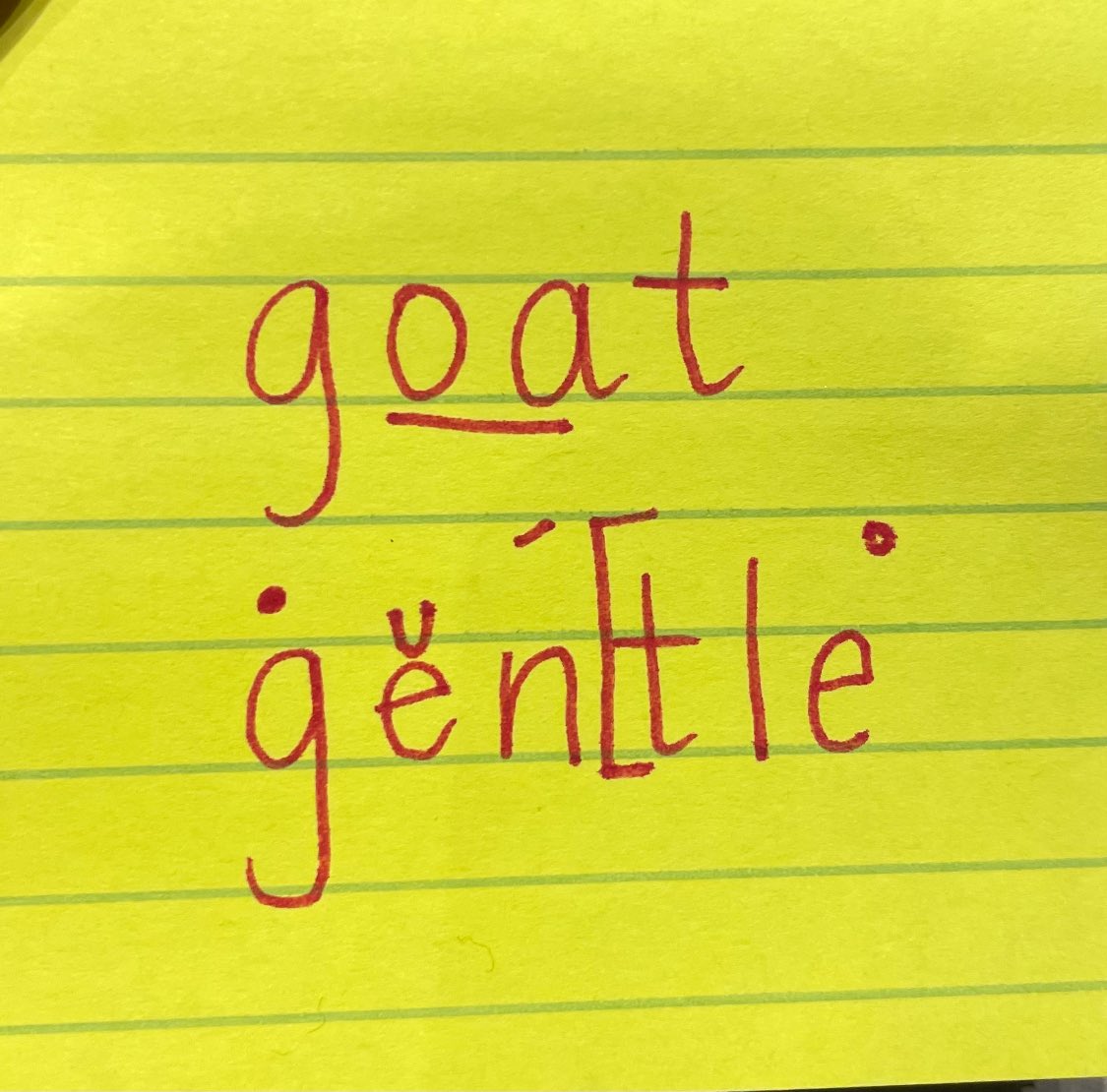
English words never end in the letter i. Words that end in long i and short i sounds are called “Vowel y.” In an accented syllable, final y says the long i sound (“fly”). In an unaccented syllable, final y says the short i sound (“candy”);Over time it has changed to long e sound.
Rising singer/actress, Maya Hawk, struggled with dyslexia growing up and said that her parents encouraged her creativity. She says, “I wouldn’t say I suffer. I would say it is, like, one of the greatest blessings of my life in a lot of ways.”