We have another song story on our website! Home Sweet Home has been created by Professor Derek Scott. Very soon we will launch photos, video and audio from our concert, which took place @RCS_TheExchange on Monday. https://t.co/3h9iJQL5Qc
@Karenmca @eliz_edw @OskarCoxJensen
So, supposing there WAS a #DocumentaryFilm about the music #ClaimedFromStationersHall ... we have a bluestocking Georgian cataloguer, a boarding school proprietress, a music-mad Principal, big universities' policies, big publishers and small self-publishers, women composers ...
We also have a new blog written by David Kennerley. Come and hear all about Auld Robin Gray and Kitty Stephens! https://t.co/CMWDRCJxEB @GlasgowBurns@edin_enlighten@eliz_edw @OskarCoxJensen @Karenmca @BARS_official
As some of you have already spotted, registration for #ISECS2019 is now open! We have an early bird fee until 1 May and accommodation starting from £34 per night, so register now at https://t.co/QKaVfhVMbJ
Happy Wednesday everyone! We are pleased to release our next song story. This is Afton Water created by network member @Karenmca. Thanks t all who have followed us and please keep sharing! https://t.co/zNzFxvxJE4
And we have our first song story created by Oskar Cox Jensen! Come see (and hear) the story of Charles Dibdin's 'True Courage' https://t.co/SZxfCtVSYT @Karenmca @RCStweets@UofGlasgow@EAERNing
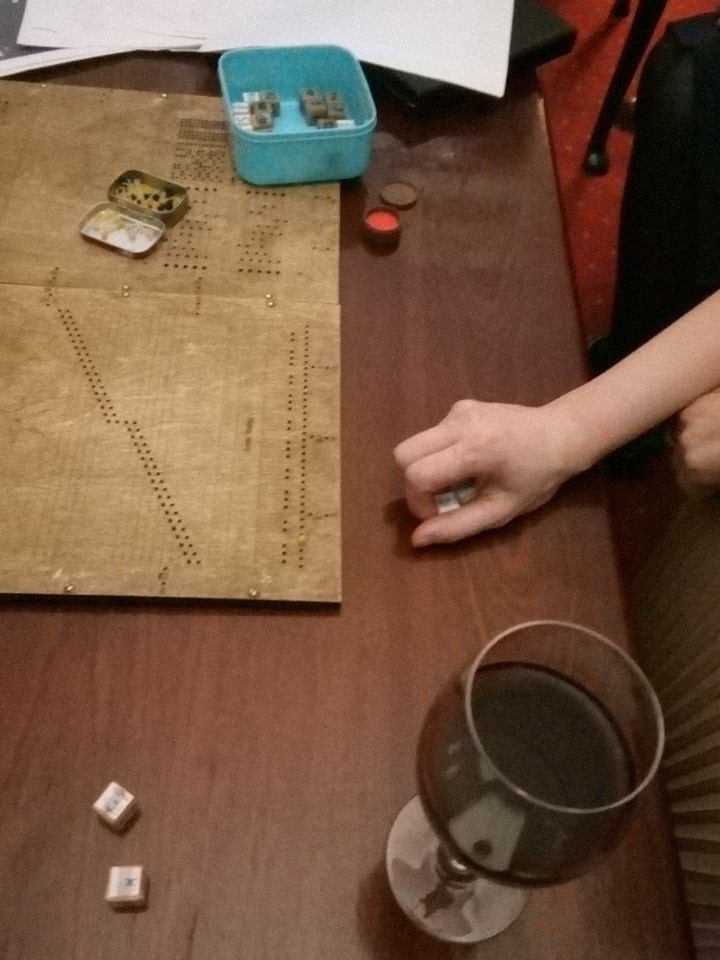
We have a winner! @DMcGconcal outpaces @DorianKBandy, reaching the end of the scale with a major 3rd! One version of the game sussed. 5 (or 6) to go...
Post-colloquia, attempting to make sense of Anne Young's Musical Game. @DorianKBandy kindly being our guinea pig. How many musicologists does it take to work out a game designed for 8-year olds that don't know music?
Getting into the swing of Game 2. Roll two dice that represent keys. The difference between those keys (major 2nd, perfect 5th, etc) is how far you move up the scale. First to the top wins!
Negative perceptions of French opera may be due to their opera singers primarily focusing on the meaning of the text, and changing their facial expressions to match the intended affect, thereby altering their vocal qualities.
Acting was the art of "passionating" - an actor's role was to understand their own emotions, and then elicit this in their audience. Strong emotions perceptibly moved the body, such as blushing, going pale, trembling, as well as vocal colour - even musically notating their lines
Hope could be expressed during a courante, made up of courage, desire, and joy, mapped out across the bars. Jed raises the point that we have perhaps overly emphasised the split between 18th and 19th centuries, noting rather romantic elements to these acting instructions.