Continuing CKD for internists and house staff
When the Kidney Can’t Keep Up: Mineral Metabolism, Acid-Base, and Anemia in Progressive CKD https://t.co/9ulngN5IbB
CIRRHOSIS AND BLOOD
Cirrhosis is not just a “liver problem.”
It affects the whole hematologic system:
RBCs → target cells, spur cells
WBCs → leukopenia
Platelets → thrombocytopenia
Coagulation → not simply “auto-anticoagulated”
@kidney_boy Its worse to have than spell. I can't hear out of 1 ear and I'm amazed I didnt get injured with the horrible vertigo that would hit me out of the blue.
A MUST-READ!
This is probably one of my most important papers where I try to teach how to fish rather than offer fish.
How I Read a Clinical Trial Report?
BG’s primer for Busy Clinicians.
Thank you @JCOOP_ASCO@EthicsdoctorP for the kind invitation. I hope the readers will find this useful.
https://t.co/HJhZlsBpU2
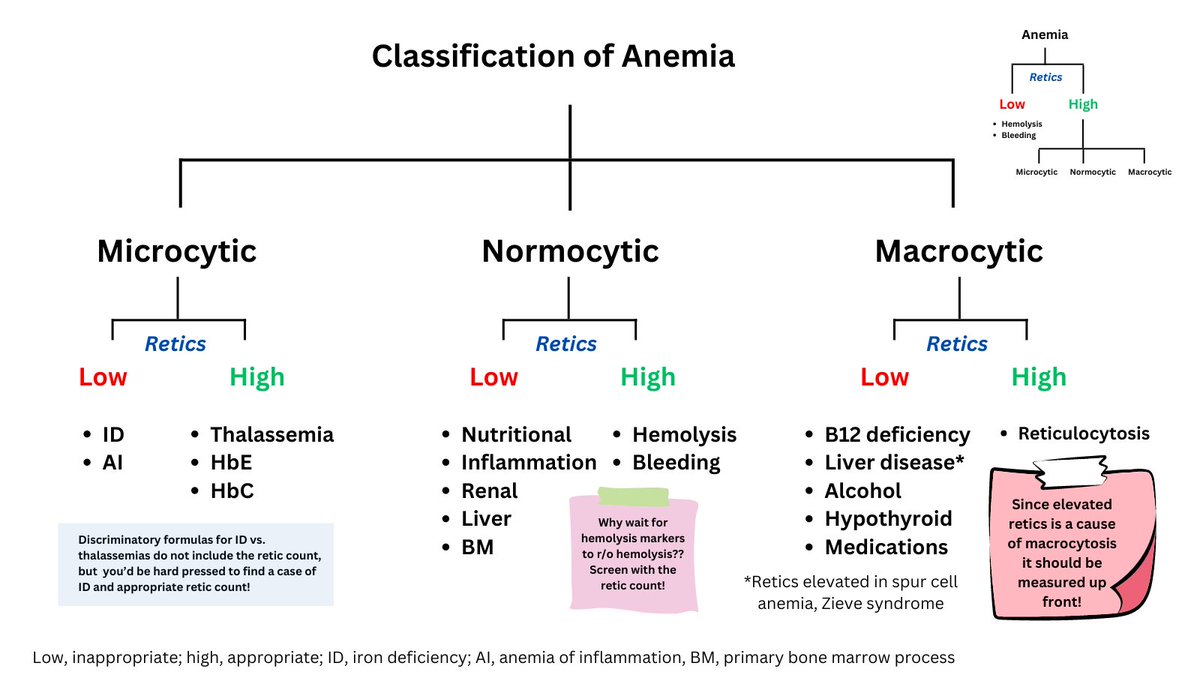
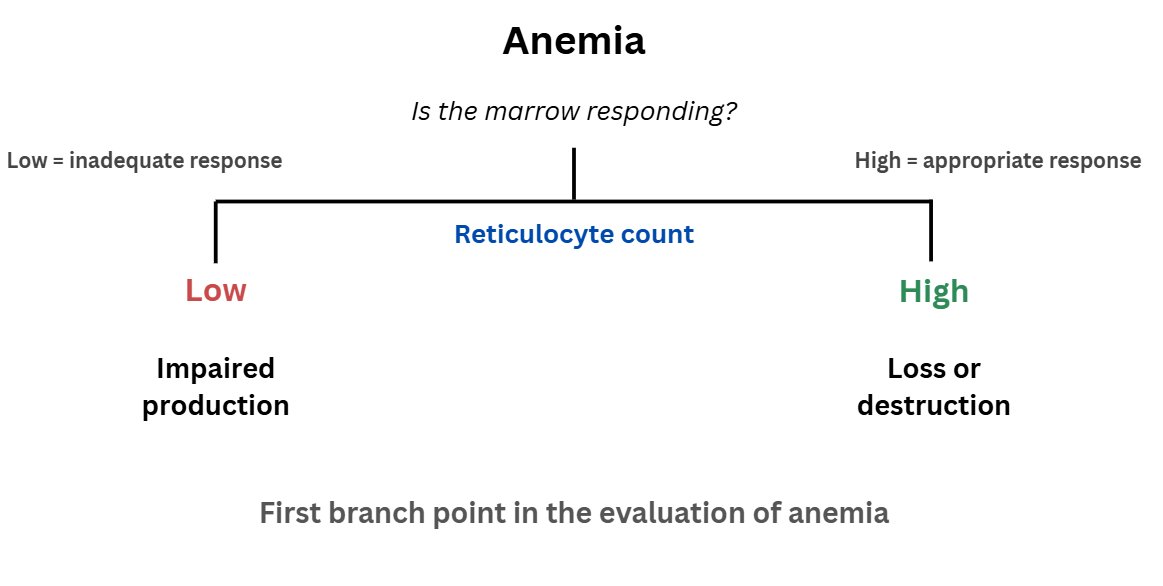
APPROACH TO ANEMIA
Most anemia algorithms start with the MCV.
That’s a mistake.
The first branch point is the reticulocyte count.
It asks a physiological question:
Is the marrow responding?
MCV describes appearance.
Reticulocytes reveal function.
1/11
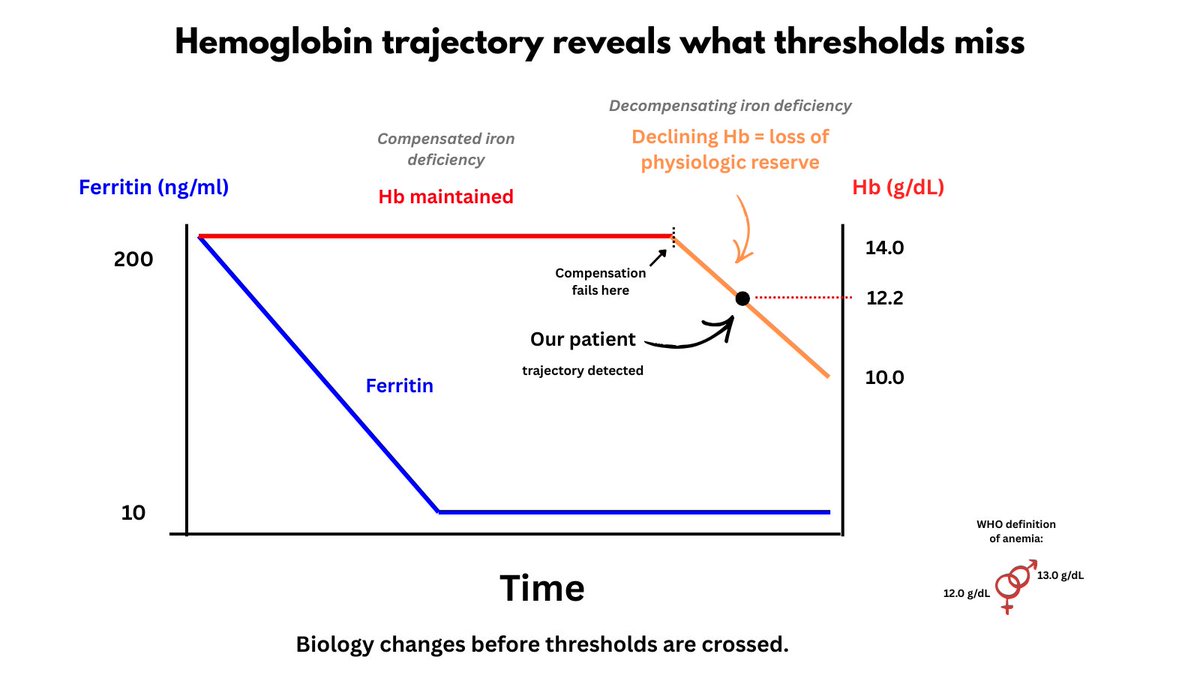
I posted a poll:
A woman with ferritin 10 and Hb 12.2 (baseline 14). How should this be described?
Here’s how you answered:
• non-anemic Fe deficiency: 35%
• Fe deficiency anemia: 32%
• Fe deficiency with relative anemia: 27%
• none: 6%
Really interesting spread!
Family history is important.
3 most missed diagnoses in #primarycare due to lapses in FHx:
1) familial hypercholesterol (1:250)
2) celiac disease (1:100)
3) breast / ovarian ca (1:150 BRCA)
These base rates are general population & ⬆️ 2-10x if ➕FHx
All modifiable risk
1/4
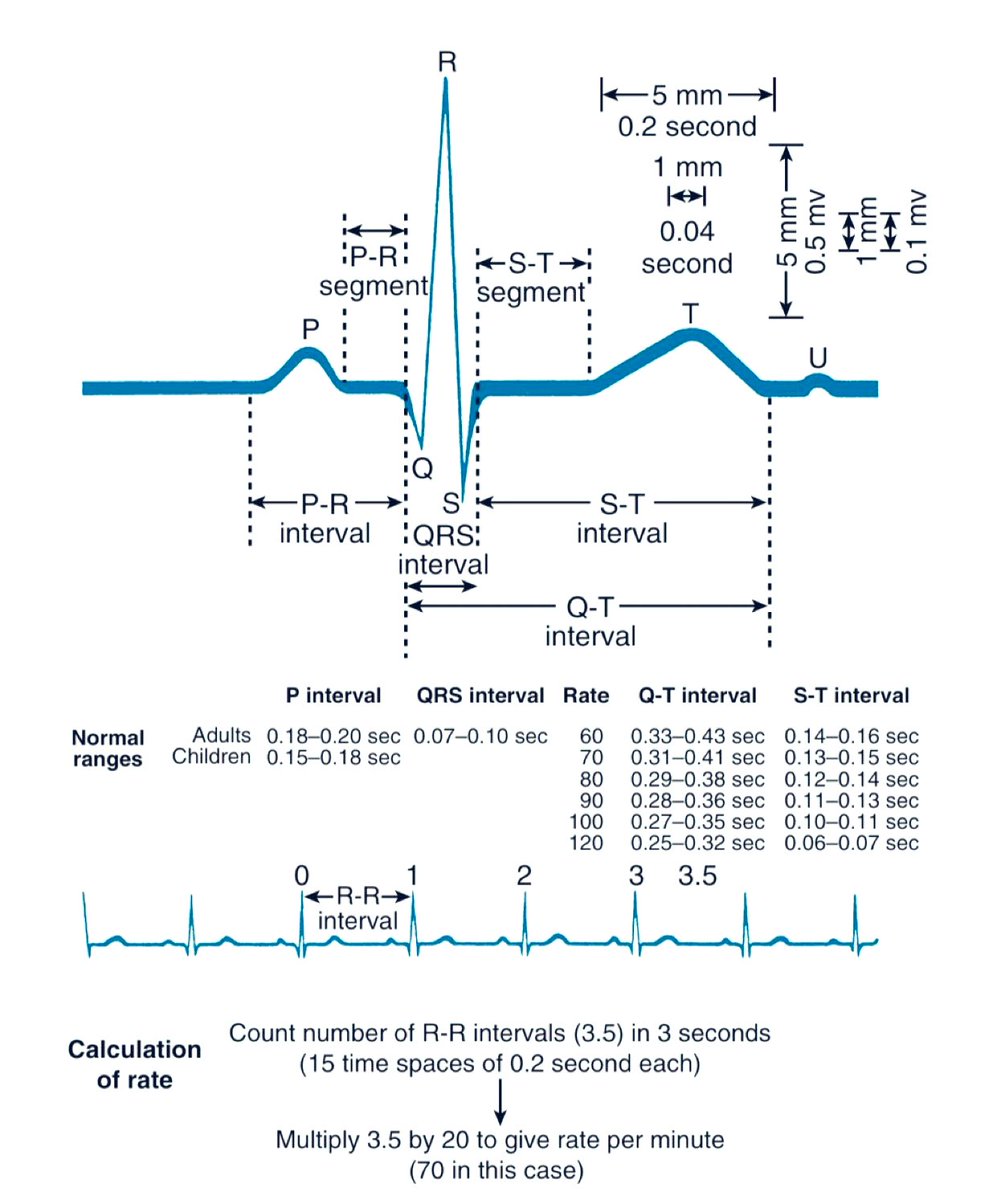
Interpreting an #ECG can seem overwhelming at first, but with a structured approach, it becomes far more manageable.
In this thread, I’ll walk you through how to analyze an ECG like a professional, step by step.
Let’s begin.🧵
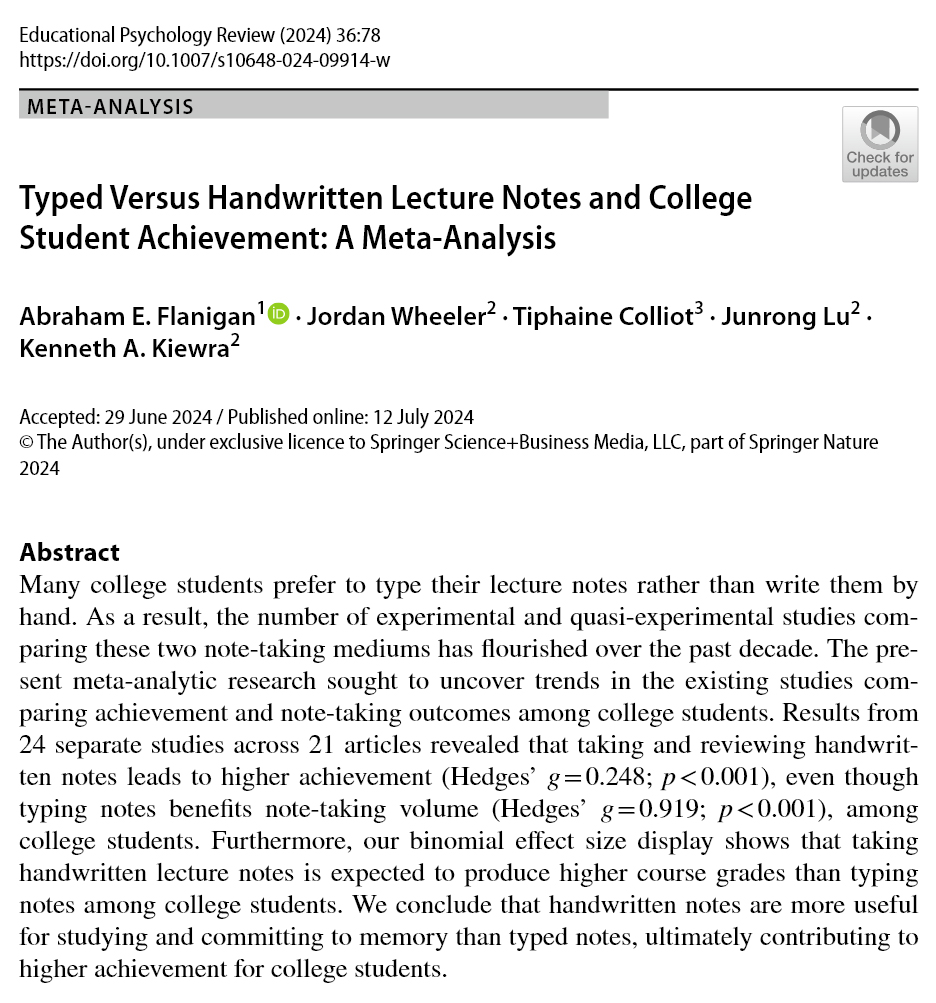
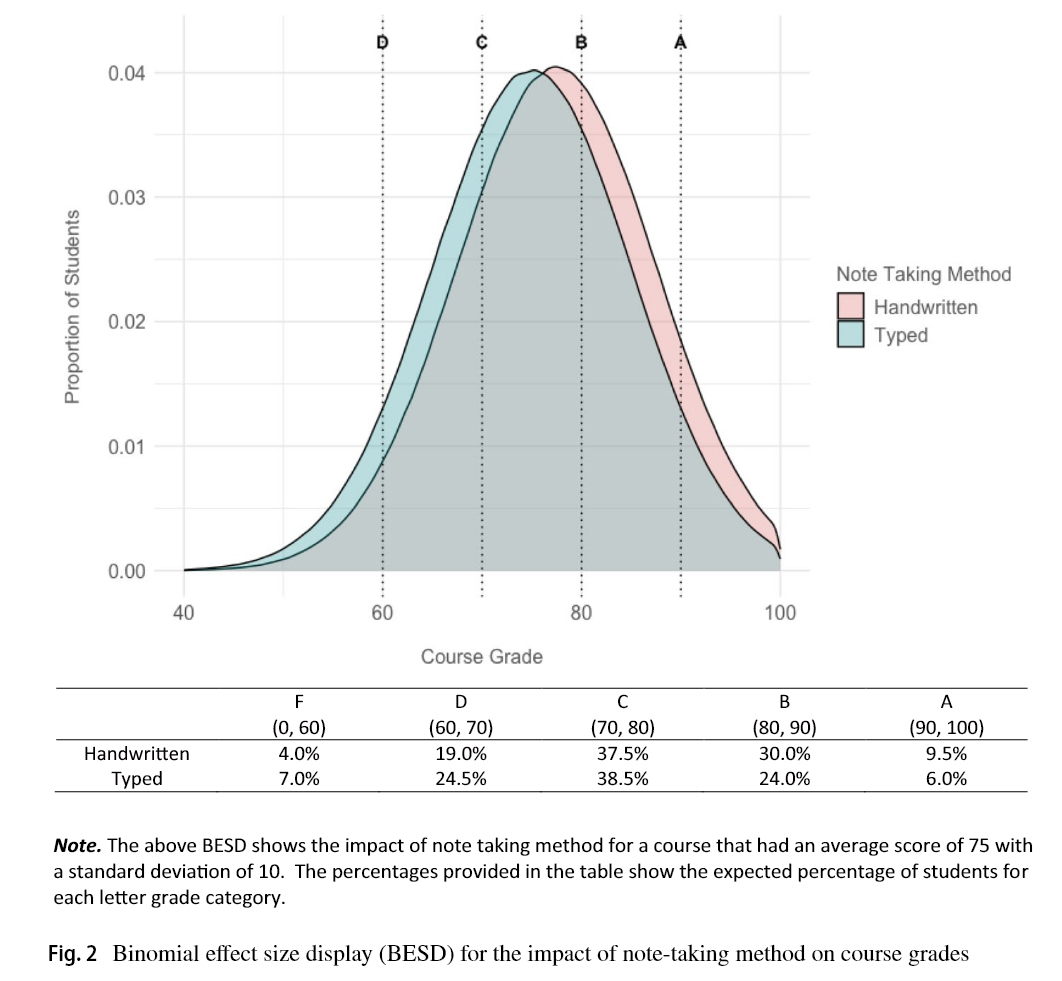
It's time to remove laptops from classrooms.
24 experiments: Students learn more and get better grades after taking notes by hand than typing. It's not just because they're less distracted—writing enables deeper processing and more images.
The pen is mightier than the keyboard.
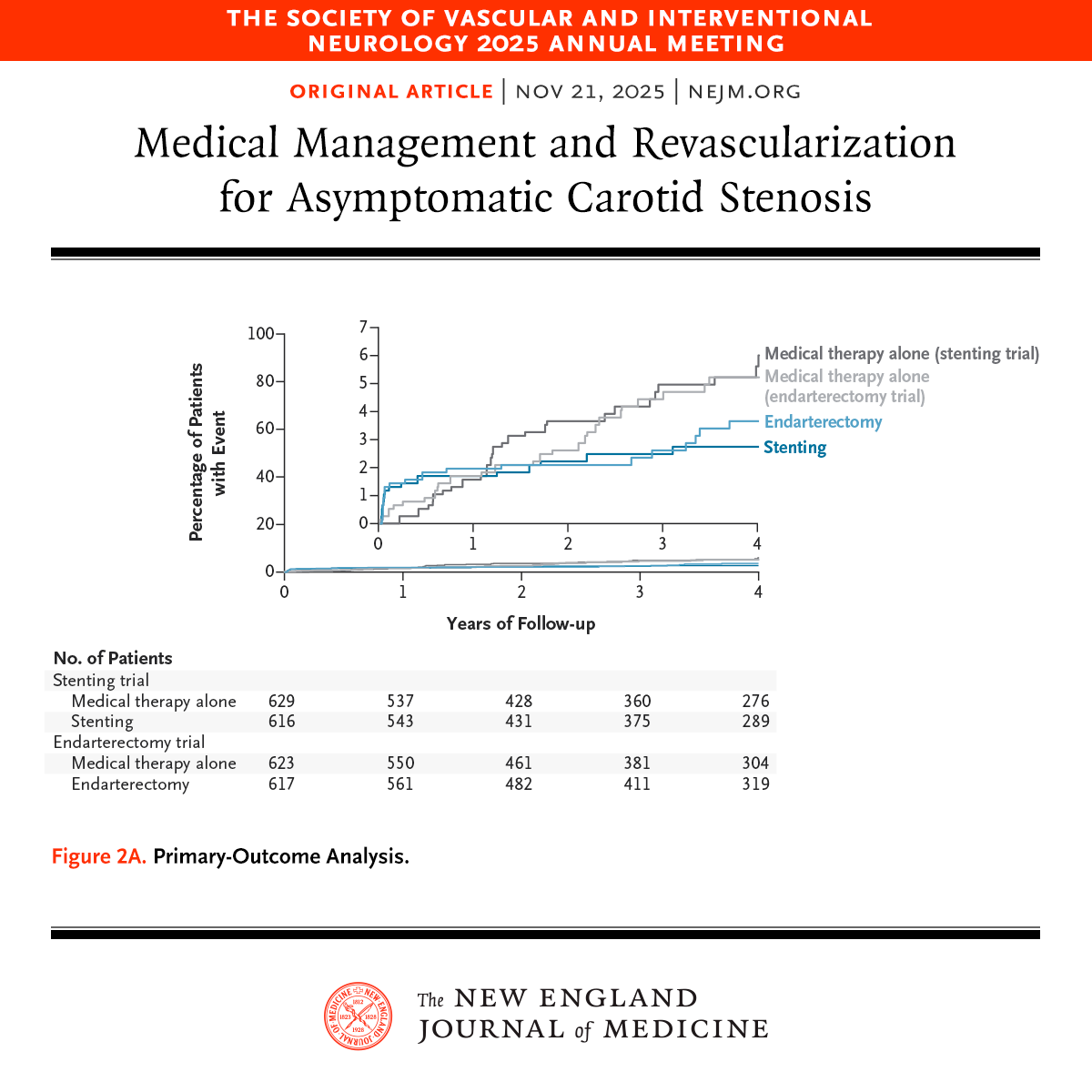
Presented at #SVIN25:
CREST-2: In high-grade asymptomatic carotid stenosis, addition of stenting to medical therapy led to a lower risk of stroke over a 4-year period. Endarterectomy did not lead to a significant benefit. Full results: https://t.co/ojge1CjqiU
Editorial: Managing Asymptomatic Carotid Stenosis https://t.co/D9LH89Edyk
@svinsociety
Glomerular disease made simple:
The location of injury➡️ dictates pattern of injury➡️points to etiology (based on immunofluorescence) ➡️ and results in a specific clinical syndrome.
Study this figure carefully & you will understand the basics of GN.
https://t.co/aGD0K0htNV
Clinicians can enhance patient understanding by using numerical data instead of verbal probabilities, consistent denominators, absolute risk comparisons, and clear context for unfamiliar data types.
https://t.co/1cAtzXCbSn