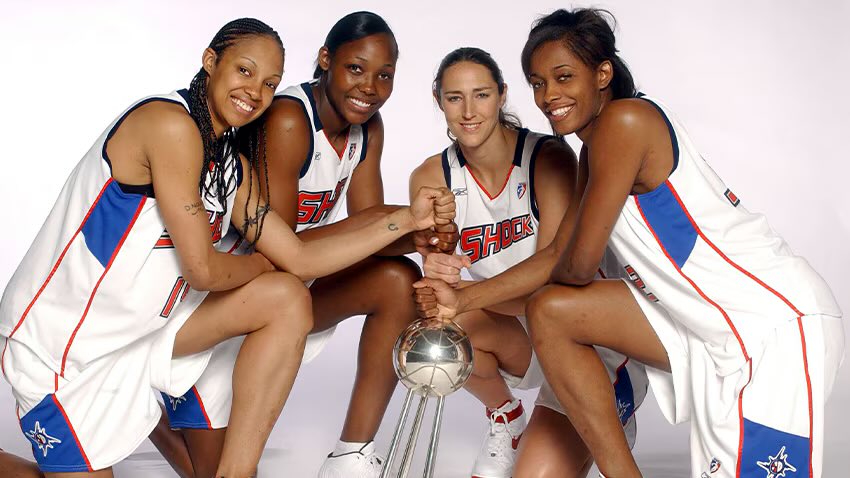
NPR’s Tiny Desk is celebrating Black Music Month with a lineup that includes Chaka Khan, SWV, Tems, Flo Milli, and Tierra Whack
https://t.co/c2GFNc3O4V
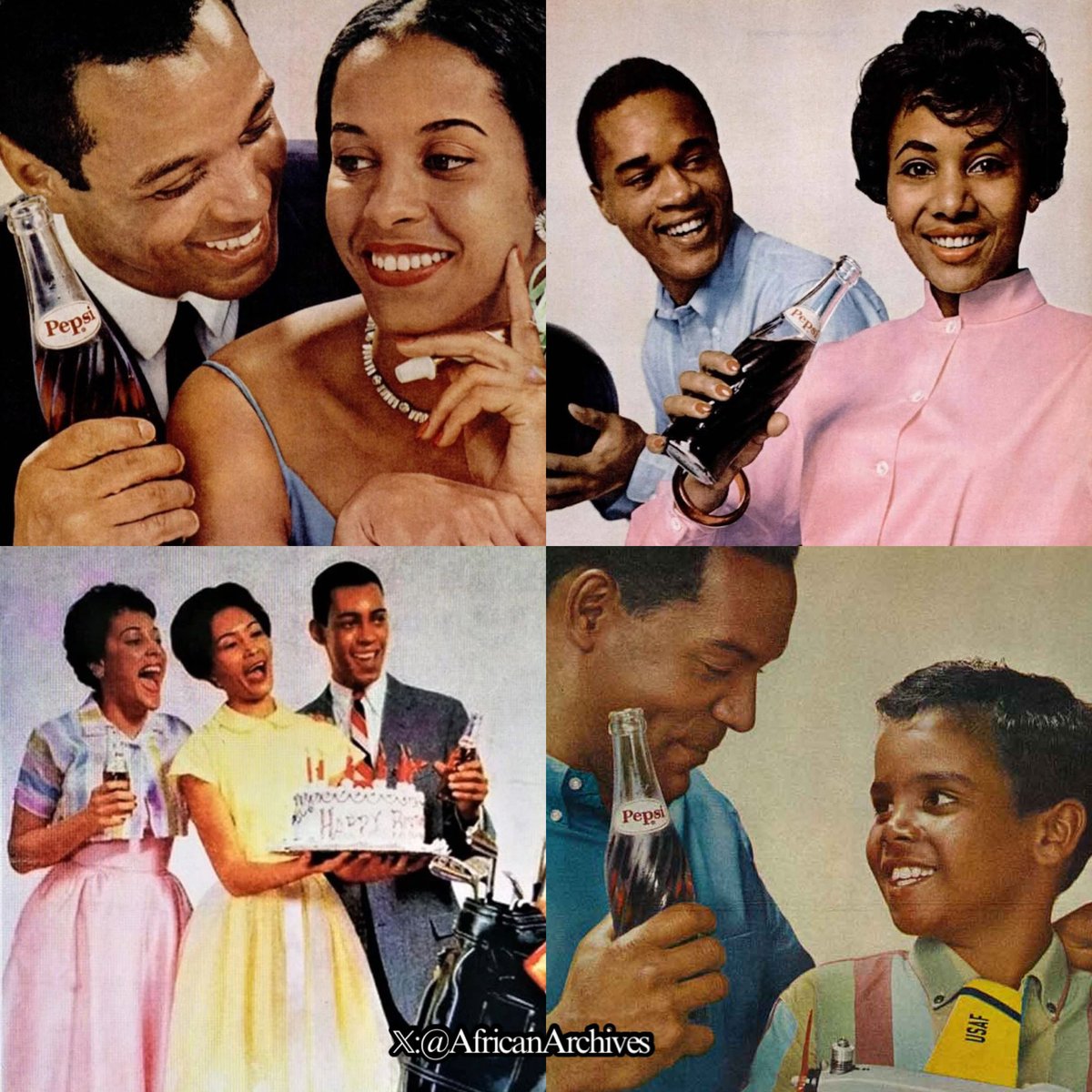
In the 1940s, Pepsi saw Black Americans as an untapped niche market while Coca Cola marketed mainly to white people. Pepsi adverts portrayed black people in a positive light, in a time with racial segregation, in spite of facing threats from KKK. Coke’s recipe was heavily influenced by white supremacy and it was marketed mainly to the white middle class while ignoring the Black American market.
During the 1940s, Pepsi launched a “negro markets” department and had black sales representatives promoting the brand in urban areas. They also hired black models to appear in ads, featured in black publications and they also displayed Pepsi in stores that were mostly frequented by black customers. Thus pepsi became popular within the black community while coke within the white community becoming a black V white drink. Pepsi's market share increased by the 1950s and according to statistics (by then), black people were 3 times more likely to buy Pepsi than Coke.
Ultimately both companies eventually began to implement diversity advertising campaigns after realizing that they were missing out on the opportunity to generate billions of dollars in revenue though that still didn’t put an end to the racism within the workforce.
🖊️As the only admin behind this page, I try to research to educate. If you appreciate this effort, you can support to help the page thrive on https://t.co/vf5SMSPu4z. Your support is deeply appreciated! (Or just the ko-fi page for articles/posts roundup)
"Double Dutch" Rope Jumping brought to New York by Dutch Immigrants in the late 1600s has been a Black♥️American past time since the late 1920s in Harlem but performed in Black American communities nationwide. Becoming an 'organized sport' in the 1970s, expanding worldwide.💯