Also, many thanks to @EORTC head and neck group for a stimulating discussion! If immunotherapy de-escalation works in one cancer type...should we apply this lesson across or the board, or will we need multiple trials?
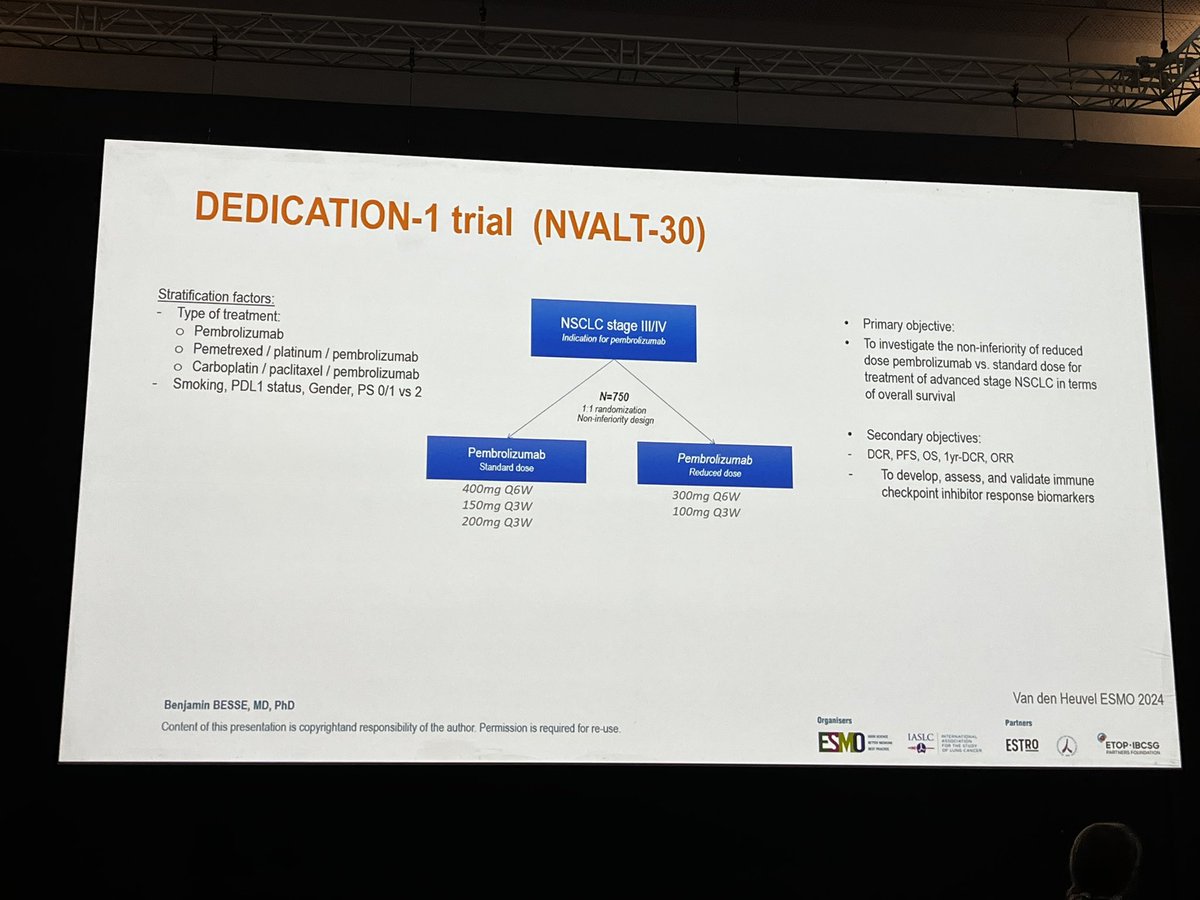
Interim analysis of REFINE-Lung is complete: reduced frequency 12-weekly pembro for NSCLC was not less effective than 6-weekly control. 6, 9, 12, 15 and 18-weekly arms are now open! @ImperialSandC.
Looking forwards to working with you @DrJNaidoo
#ELCC25 De-escalation clinical trials in NSCLC
Impassioned presentation of the key trials, that can save pt’s time, toxicity, & ensure healthcare system sustainability
- PULSE 🇫🇷
- Osi-Save 🇳🇱
- REFINE-Lung 🇬🇧
@BenjaminBesseMD, best in the business
@myESMO@OncoAlert#LCSM
Recruiting a PhD student in computational cancer immunology! @ImperialSandC
Working on understanding the immune response to placental cancers: ~75% are cured with anti-PD1 therapy. Lots of cool questions to work on.
https://t.co/9VW8aKjrab
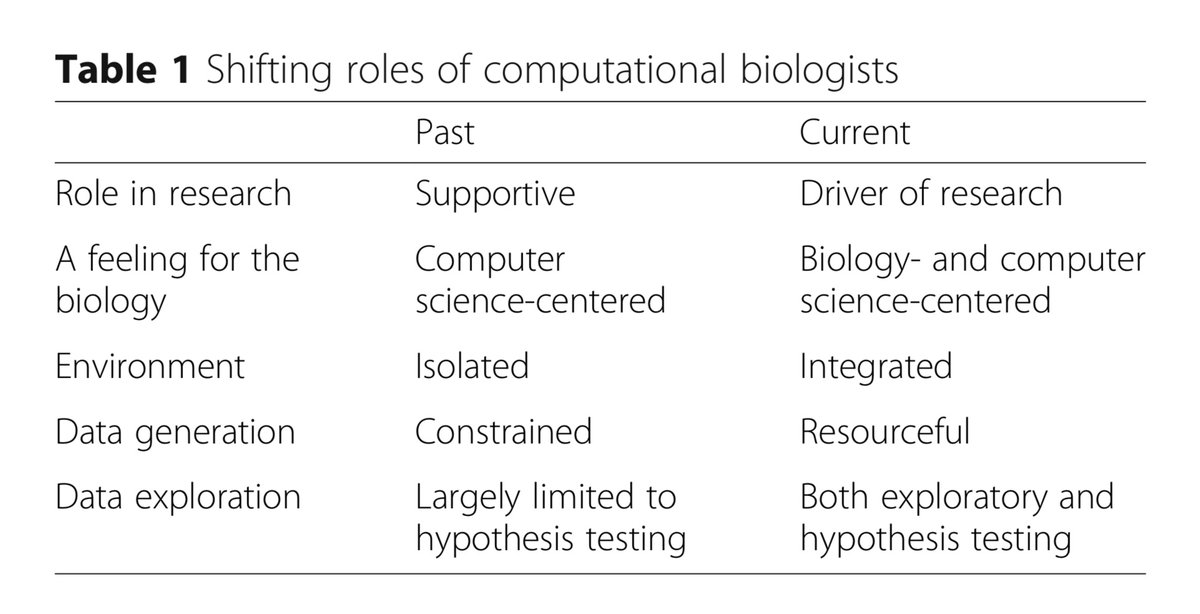
Are computational biologists the drivers of research? 7 years ago I co-wrote an editorial about how computational biologists are no longer just supportive, but are now running the show. Today I would write how every biologist should also be computational.
https://t.co/1ihEoC94Xh
But tecemotide has resoundingly failed multiple trials in advanced disease, mostly lung cancer. Were the trials done wrong? Should we look again at the previous generation of vaccines and test in the adjuvant setting?
https://t.co/Uw1f5bcgVr
12 yrs since the 1st demonstration that neoantigens can be identified by DNA sequencing (@joccastle, Uğur Şahin) to make vaccines, evidence #ASCO2024 that the approach has efficacy following melanoma resection. 2/
ABCSG 34 trial of MUC1 vaccine (tecemotide) prior to surgery in early breast cancer. A non-mutated target. With nearly 300 patients and 7 yrs follow up it compellingly reduces risk of developing metastatic disease. 7/
New studies in cancer vaccines: important moment with an interesting twist. Summary: emerging evidence that cancer vaccination in the adjuvant setting may work way better than treating established disease....and may not require complicated neoantigen discovery approaches 1/
What antigen(s) are targeted? What can this teach us about cancer immunogenicity? In the age of neoantigens many argue that these are the only targets the immune system bothers with - but immunotherapy-auoimmunity suggests there's more to this story....
More evidence of similarity between autoimmune and anti-cancer T cell responses. Worth exploring further? Study of paired biopsies from cancer and autoimmune tissue would help better understand this (and might contribute to better treatment approaches)--->
https://t.co/mSQX6bCQ6E
Beautiful work Annapaola! An important contribution to our understanding of the effects of chemo and anti-PD1 immunotherapy on the immune response @apmariniello
High avidity -> loss of function/exhaustion/T cell death. Low avidity -> sustained performance? Since avidity is shaped by peptide (+ interaction with MHC-TCR), this insight could be highly important for new gen #cancervaccine trials.
Pramod's work continues to challenge mainstream positions with a new model of neoepitope immunogenicity focussing on T cell avidity. @jclinicalinvest https://t.co/b4eb5QUPvk
"The connection between lower pMHC I affinity, lower avidity, and less exhaustion of T cells is the central pillar of the proposed simplicity on the other side of complexity"