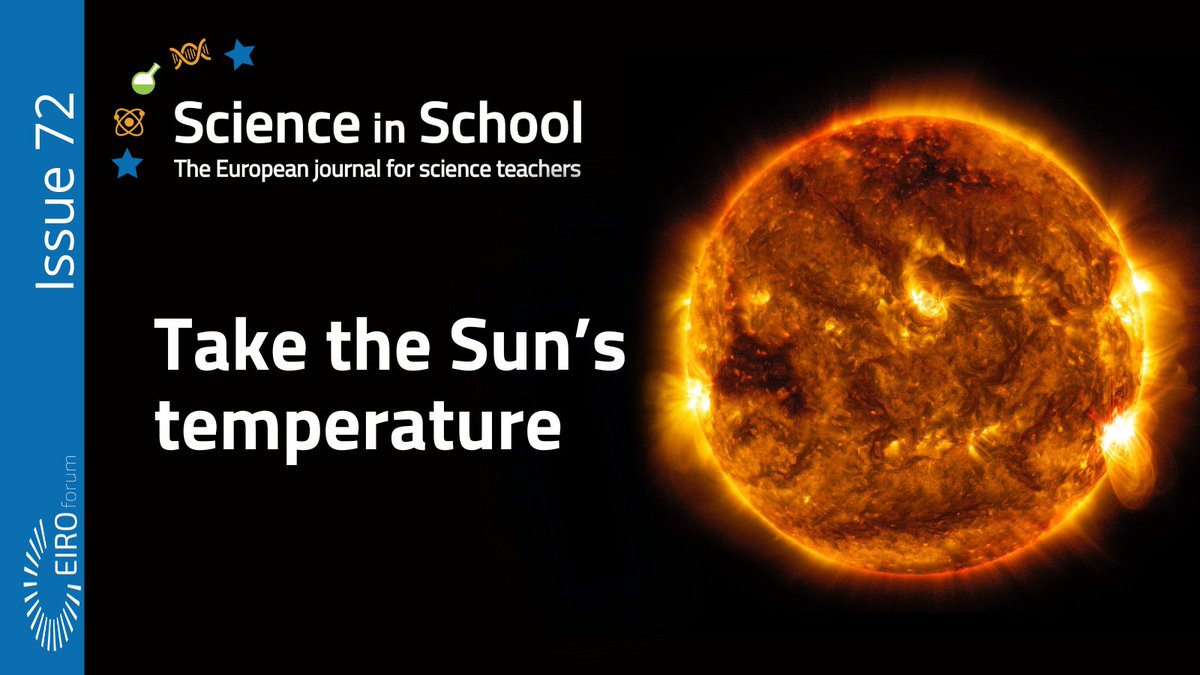
Issue 72 of Science in School is out! 🔥
Use different wavelengths of light to study different layers of artwork, convert the energy from water waves into electricity, estimate the Sun’s temperature without leaving the classroom and much more!
👉https://t.co/8sCpUfEULO
Did you know that DNA must form overlapping loops to give rise to the well-known X-shape of chromosomes?
New research from EMBL's Ellenberg group provides new insights into the process of chromosome formation.
https://t.co/ccrnu9rMQs
📷 ESO analysis confirms the INNA project would have a devastating & irreversible impact on the Paranal Observatory facilities.
The increase in light pollution, air turbulence, vibrations & dust would degrade conditions for astronomical observations https://t.co/ZdzdjUVK70
📣 @ESA_Euclid releases its first batch of survey data, including a preview of its very own deep fields!
With just one scan, Euclid has already spotted 26 million galaxies, giving us a glance at the large-scale structures of the cosmic web 👉 https://t.co/BOGdYbOAsC
Today, we’re launching ‘Strategy 2040’, laying out ESA’s future activities and priorities, with a clear and ambitious vision to cement Europe’s leadership in space. #Strategy2040 will evolve and grow over the years ahead.
Read more 👉 https://t.co/SubQmrS37c
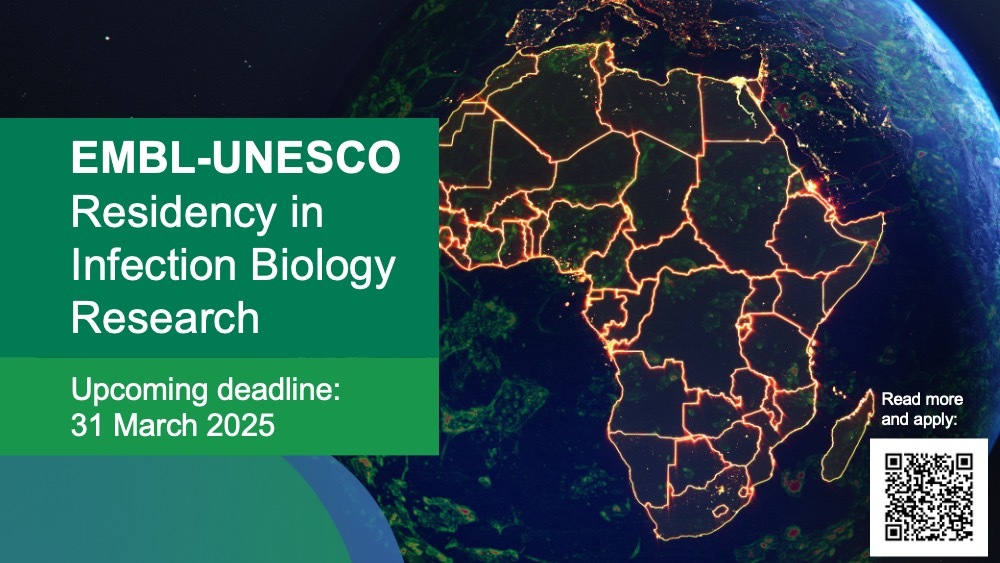
EMBL-UNESCO #fellows: a call to female African scientists working in infection biology! 🦠
An opportunity to:
🥼 Gain wet lab and/or computational skills
🌍 Build an international scientific network
We got your attention? Apply here: https://t.co/2aFhlTpEFa
#infectiousdisease
Can a concept from aerospace engineering ✈️ help rare disease research?
Scientists are working to build ‘digital twins’ of patient tissues to understand disease mechanisms & explore treatments.
The project is looking for partners & specialists.
https://t.co/IafjJjzygd
🚨 2024 YR4 asteroid impact update!
After the latest observations conducted with ESO’s VLT & facilities around the world, the odds of the asteroid impacting Earth have dropped to nearly zero.
Read more: https://t.co/nejwPG5Aee
Asteroid 2024 YR4 no longer poses a significant impact risk. ESA's latest analysis has reduced the probability of an Earth impact in 2032 to 0.001%. Planetary Defenders continue to keep watch for any other asteroids that may come too close for comfort🛡️🔭
https://t.co/32mqRHaN4b
Sustainable Research Symposium highlights! 🔆
Fernando Valladares will be our keynote speaker - an awarded scientist, expert in environmental communication. He will share his views about the importance of working together for a sustainable future. ♻️
https://t.co/NtYuDt77Ms
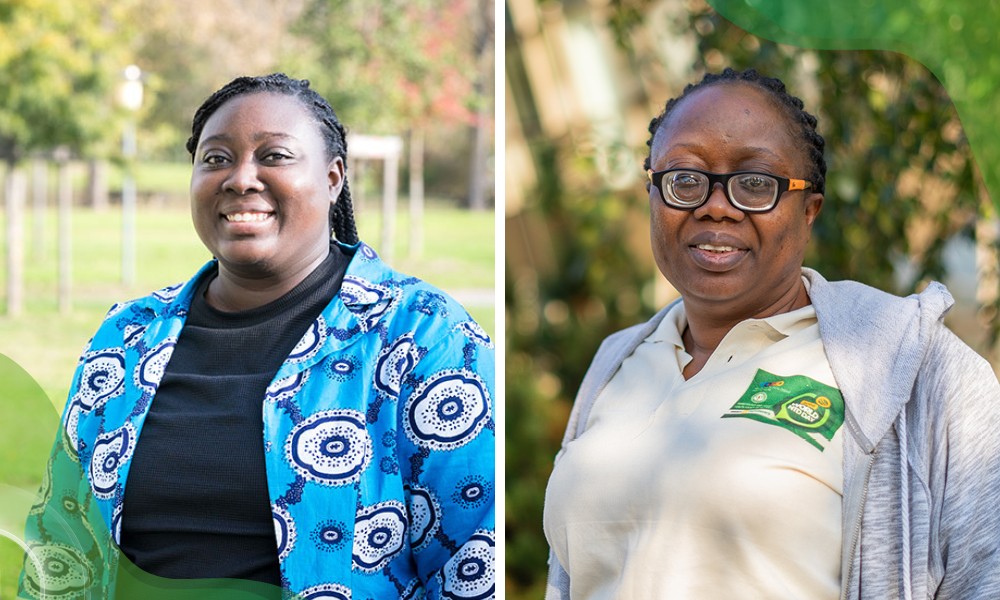
Maame Ekua Acquah and Oluwaremilekun Grace Ajakaye are our 2024 EMBL-UNESCO fellows.
They recently finished three-month residencies in EMBL research groups. Read their stories👇
https://t.co/M9UmACBHIy
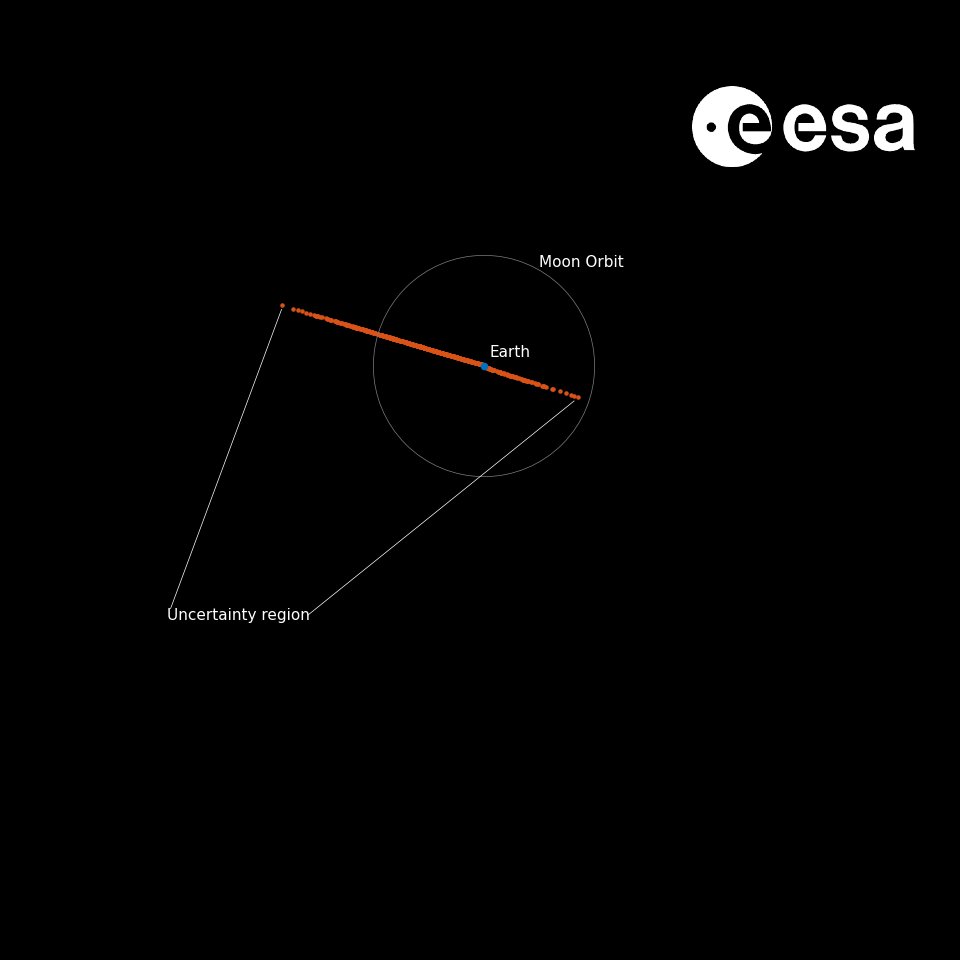
The probability that asteroid 2024 YR4 might impact Earth in 2032 has risen to 2.8%.
This means that it has surpassed the chance of impact briefly held by the much larger asteroid Apophis back in 2004.
Learn more about why the impact probability is increasing and why it could quickly drop to 0 as we improve our understanding of the asteroid’s orbit ➡️ https://t.co/UFGZgCgJwd
😬Almost 40% of glaciers in Central Europe were lost between 2000 and 2023.
A new study, using data from various satellite🛰️observations -including @esa_cryosat mission- reveals alarming insights about the declining rate of glaciers.
Read the full study🔗 https://t.co/kpnSBqTAm1
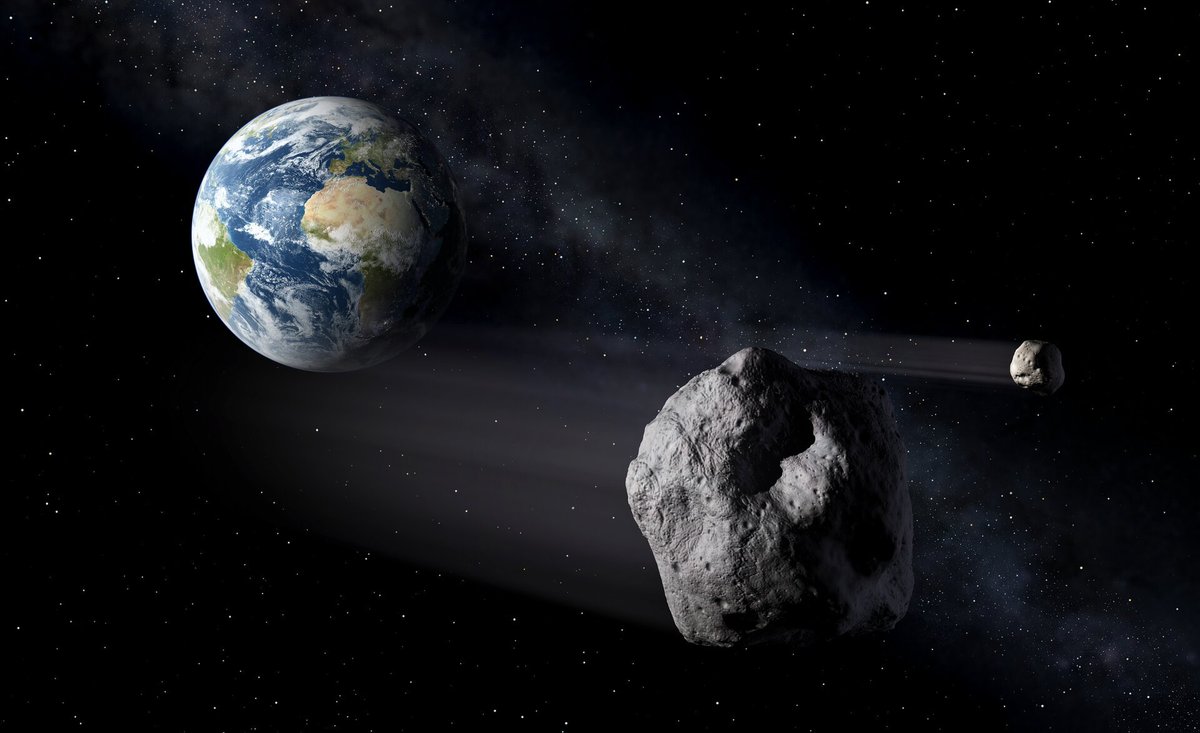
☄️ We aren’t just waiting for an asteroid to strike. We are taking active measures to help Earth defend itself against a potential impact.
Our Near-Earth Object Coordination Centre monitors over 37 000 near-Earth asteroids. The vast majority are entirely safe, but occasionally one may pose a potential hazard.
Which is why we are endorsing the the United Nations' designation of 2029 as the International Year of Asteroid Awareness and Planetary Defence.
Learn more ➡️ https://t.co/yxtHZoH4BJ
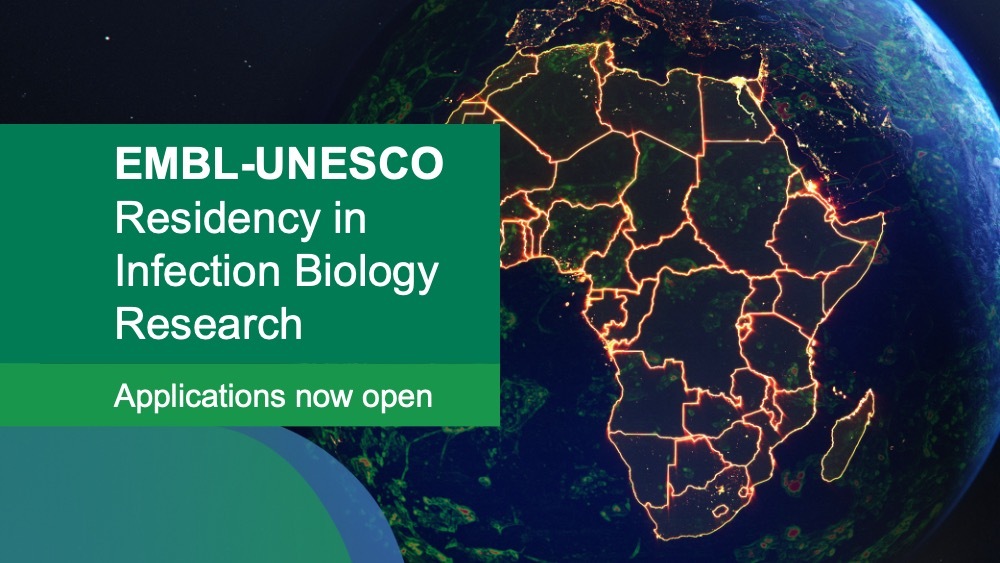
📢Calling female African scientists.
Applications open for the EMBL-UNESCO residencies in infection biology:
🪴Grow your network
🧪Develop your skills
🧠Exchange knowledge with international colleagues
Deadline 31 March 2025
https://t.co/2aFhlTpEFa
#WomenInSTEM#WomenInScience
‘Tis the day of women in #Science 💫
Today we celebrate the International Day of Women and Girls in Science and put the spotlight on the different career paths for women in STEM.
In this video, four CERN scientists working on the Future Circular Collider (FCC) feasibility study (@FCC_study) share some advice they have for young women.
If you work in STEM, what advice do you have to share? Tell us in the comments. 👇
#WomenInScience #WomenInScience2025 #IDWGS @UN
We are celebrating Women in Science Day with our @EIROforum partners 👩🔬🤝👩🔬
🤳Discover the incredible work of 9 of our colleagues, from nuclear engineering to particle physics, and much more!
#PassThePhoneSTEM#IDWGS