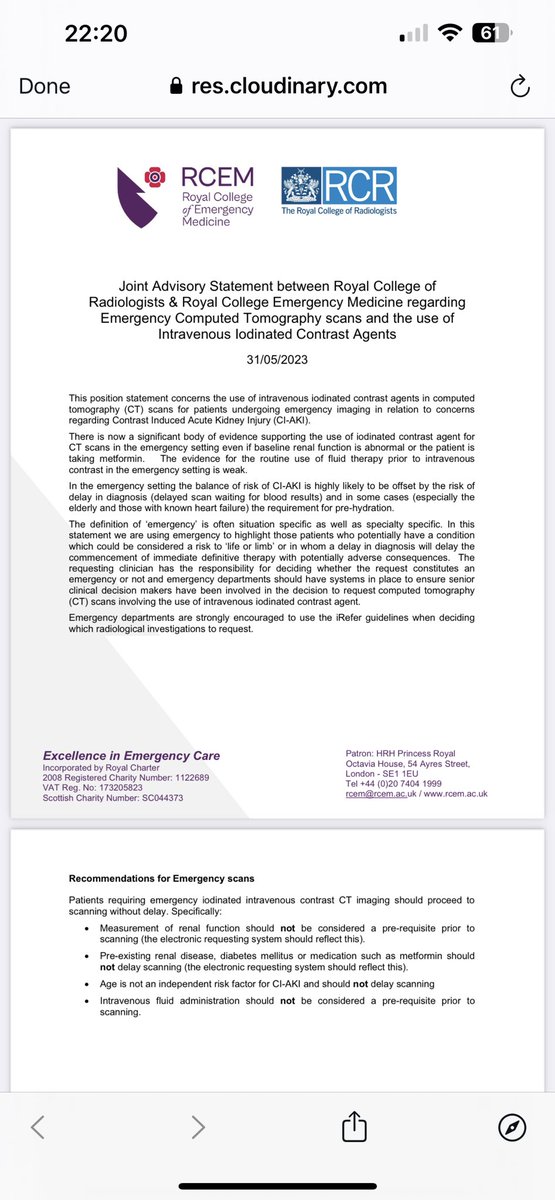
Well done to the @RCRadiologists Professional Support and Standards Board, the RCEM QEC Committee and Baljinder Singh.
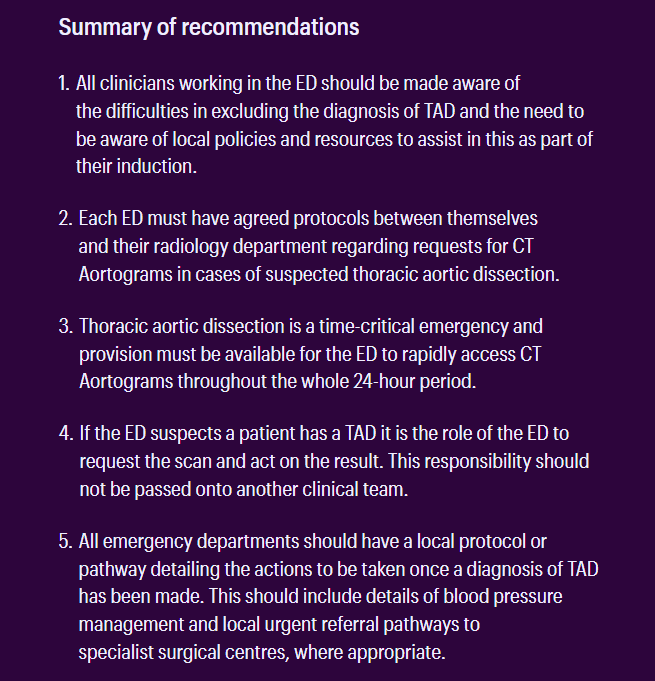
A brilliant collaboration, and must-read guidance for ED clinicians, but here are the recommendations summarised in the five key points:
This week @London_Trauma System is publishing our Palliative and End of Life Care in Older Trauma Patients best practice guidance. Please share widely!
https://t.co/RARYXMhq2c
Key Principles:
All healthcare professionals involved in the care of older trauma patients have a responsibility towards the identification and management of an individual’s palliative and end of life care needs.
Palliative support for older trauma patients should be provided in conjunction with, and not separate to, best available curative/life-prolonging interventions
All older trauma patients should be looked up on local health records to see if they have an advance care pathway
Prognostication at the outset can be difficult. Where the appropriateness of clinical interventions is uncertain, ‘time limited trial of treatments’ should be considered, alongside patients wishes and preferences.
Effective communication between TUs and MTCs is essential and palliative care referral pathways should be in place within trauma networks to facilitate individualised decision-making.
Where specialist services at MTCs are requested to guide treatment options, senior TU clinicians managing the patient should factor in and convey relevant information about a patient’s medical background and personal values, to enable shared decision-making on prognosis, treatment intentions and the best location of ongoing care.
Thank you to @TraumaEMC and everyone involved in producing this guidance.
Developed in partnership between @REsusurrus, @emcrit and @paswinton, @Scotambservice the Crash Rx SCRAM™ and Resus SCRAM™ to simplify and standardise emergency anaesthesia and supports the use of video laryngoscopy respectively. @OHProducts
👉 https://t.co/qx1vHwUF6N
Ultrasound: “no evidence of cholecystitis”
Op report: “gangrenous cholecystitis with extremely friable tissue. Purulent drainage with manipulation of gallbladder.”
I've seen this many times.
Thread
1/
The NHS's commitment to publish monthly data on 12 hour delays from time of arrival in emergency departments can help hold systems to account and drive improvement in patient care, writes @KatherineRCEM
https://t.co/g0bjLYCk4F
In Dec 2022 In England on average 73% of admitted patients were still in the ED after 6 hours and 44% after 12 hours - NHSE GIRFT SEDIT data. You cannot run a ED without decent flow & you can’t get good patient experience with these long stays. @RCEMpresident
RCEM leads the way in setting standards for ‘green’ emergency healthcare @GreenED_uk
Today is the launch of GreenED; an innovative new ‘green’ accreditation framework for Emergency Departments (EDs).
Full statement here: https://t.co/8wDdFjEWDv
🧵1/12
Yesterday we hosted a roundtable on our EM Workforce Explainer, the 5th in our Acute Insight Series
Our President & Policy team met with @MrTomClayton, @SebRees1, Danielle Jefferies from @TheKingsFund, and @jacoblant
Read the Explainer here - https://t.co/tH0TG4bbSC
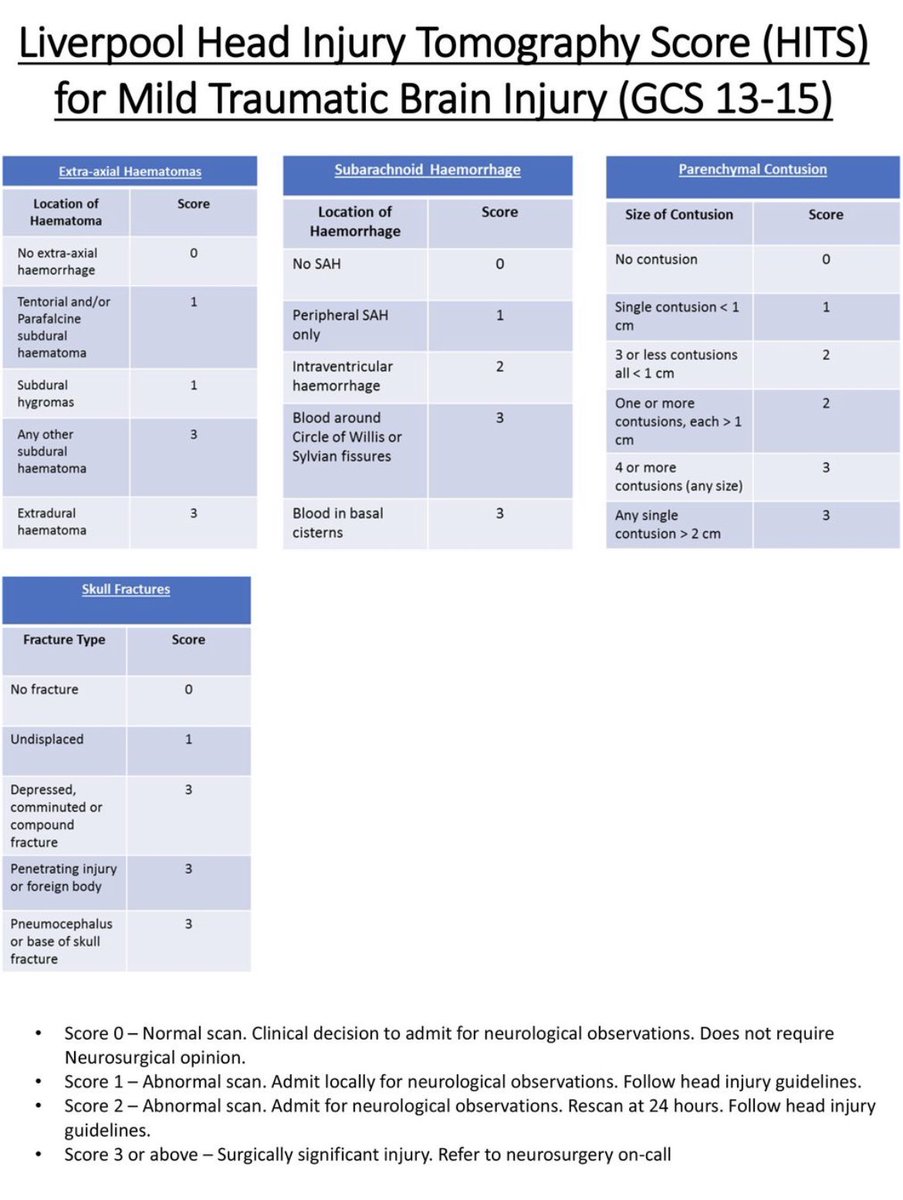
Identifying surgically significant TBI that needs referral to neurosurgery rather than referring every abnormal CT. In 1144 pts, Liverpool HITS score reduced referrals by 43% with no missed pts.
This is great forward thinking by @RCollEM and @RCRadiologists.
Time to stop Requests for Renal Function pre scan! Irrespective of existing disease or not!
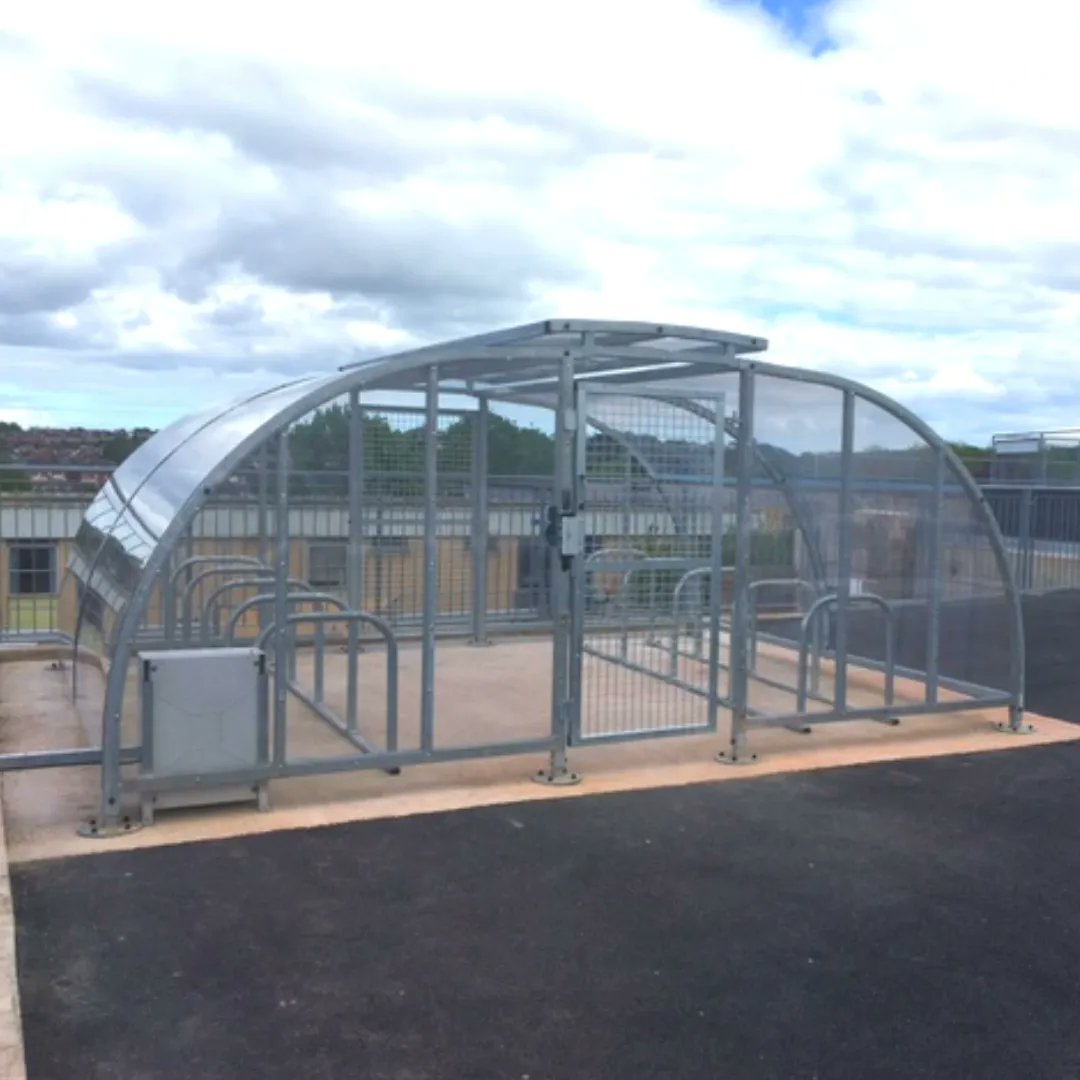
Exciting news for our colleagues at the RD&E (Wonford)! A new bike shelter has been installed outside the Emergency Department. Cycling is not only a great way to get around, but it also has numerous environmental and health benefits.
Read more here: https://t.co/ad2Zjcw3IM
Feeling lonely is something that all of us can experience at any point in our lives, which can have negative impacts on our health and wellbeing.
Find out how you can help lift someone out of loneliness ⬇️
https://t.co/98PcEcE1Uv #EveryMindMatters
Truly excellent report. Captures the problem and exposes the failures in policy/leadership leading to the current crisis in emergency care. Proposes ways forward. Reinforces what we’ve been predicting and saying for years. Time to stop the spin. Time to listen. Time to act.
Words matter from @DrDKilroy . The language around medically fit overnight stayers has never been more important than it is now.
Read the blog - the words matter.
https://t.co/vAQTT9FtAx