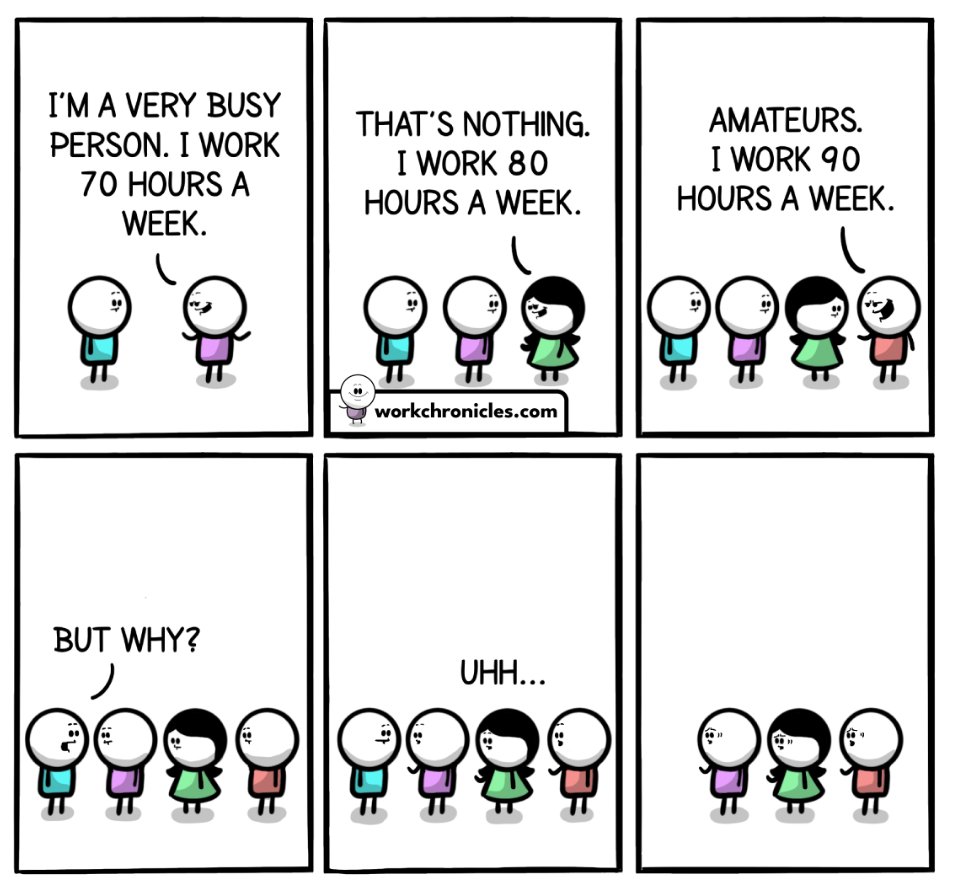
Why do so many leaders & professionals keep working at a punishing pace, even when it damages their health, well-being & relationships? And why do organisational initiatives aiming to curb extreme work hours, e.g., "no email after hours" policies, wellness initiatives - often fail?
New research suggests this isn’t about personal “workaholism” or “driven” personalities. Rather it is about people fitting with the relentless tempo of their organisations. This is underpinned by a sense of what you need to do to make career progress & cultural expectations of 24/7 availability. It creates a pace that feels impossible to clock out of, even after hours. Researchers call this an “entrainment cycle”. People come to feel that this pace is normal - even necessary. In the study, people often described the fast-paced tempo of work not as something they were forced into, but as something they craved or became “bored” without.
How organisations can break the cycle:
1) Address the tempo, not just the hours. Change how work is done, e.g., rethink project pacing, reduce artificial urgency, redesign calendars to allow for focus & reflection.
2) Be alert for warning signs - stress, disengagement, burnout early & respond before issues escalate.
3) Help people feel they have the cultural permission to pause. It's not enough to change schedules – expectations need to change. Taking breaks, disconnecting on non-work days & ignoring the inbox when on holidays should become organisational norms.
https://t.co/s3x0zaQ7ZZ. By Ioana Lupu & Shanming Liu in @HarvardBiz.
Cartoon by @_workchronicles.
Our judges have selected the most innovative, impactful & inspiring individuals & organizations in nursing and midwifery.
Congrats to all nominees—your dedication is truly inspiring!
Check out the shortlist here: https://t.co/SvCvCyizPV
#SNTA25
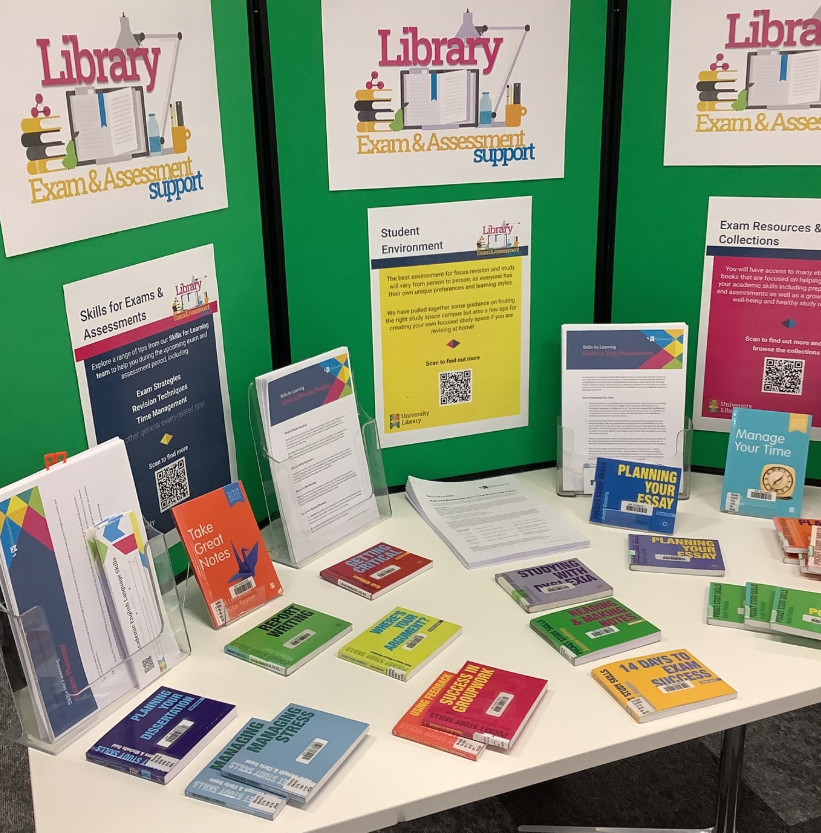
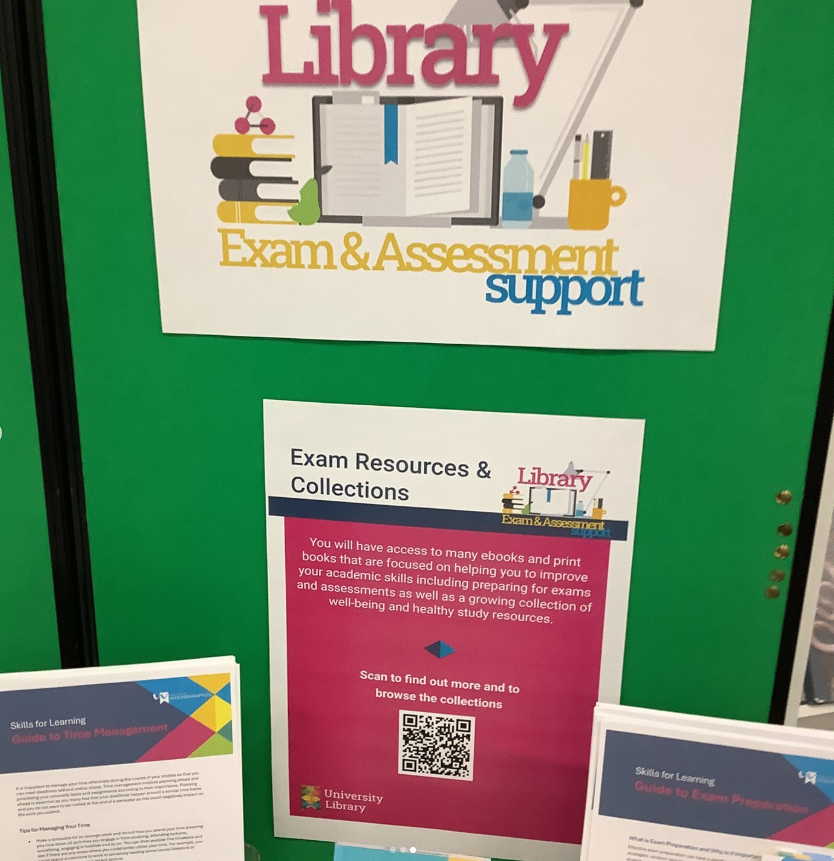
We have Exam & Assessment Support displays in each of our libraries, promoting the various Study Skills resources that can help you during the current assessment period. From books and study guides to advice on healthy study and revision planning, come and see what is on offer.
We're looking for new curators! Are you a Newly Registered Nurse or a Student Nurse in your final year?
If you're interested in joining our team, send us a message to find out more.
#RCNNRN
The University of Wolverhampton is the first higher education institution to take delivery of a new immersive, multi-sensory space, called Cubbie, where people can go if they feel stressed or anxious or want to energise.
Full video and story ➡️ https://t.co/JVmUV19TgQ
New to university and want some support with getting settled into academia? Our Library team are on hand to help - whether it be how to write for assignments, books and resources, or even a quiet space to study, we've got you covered.
Find out more ➡️ https://t.co/W0NnAcUHLe
Simulated practice learning can be just as effective as traditional clinical placements in improving outcomes for pre-registration nursing students, a major review has found.
The research was published this week by @councilofdeans and @AngliaRuskin.
https://t.co/6DGIbqlV8D