My first (and probably last) first-author paper published during my graduation ceremony!
Couldn't have asked for better timing!
Check it out if you're into FLIM-FRET and G protein signalling: https://t.co/DRquOoyRJ9 #mdpicells via @Cells_MDPI
Dendritic cells can “self-shape” the chemotactic gradients that help them transport antigens to lymph nodes, finds a new live imaging study from @Sixt_Lab@EdouardHannezo.
📄: https://t.co/g6ZCFCfCQW
Focus by @hannahdonnelly_@EMandrou@robinsall: https://t.co/1G1xcJdKe4
@BakalLabICR Posting that many images on Twitter would be quite the feat! I've seen many similar FOVs in my samples - just picked that one as an example. In any case, maybe the 1st Q to ask could be "does cell size matter?" & "what effect does it have?" when comparing WT vs disease
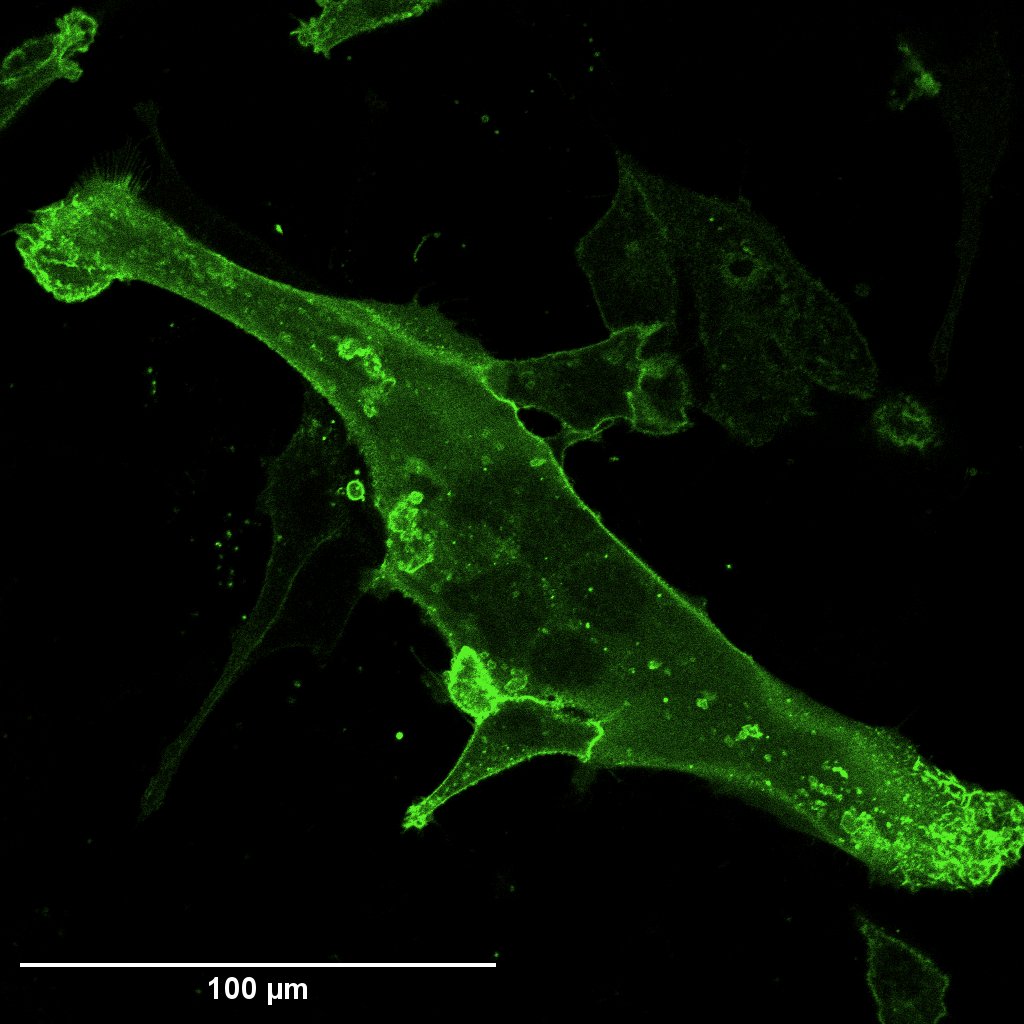
@BakalLabICR I don't know if cancer cells care what size they are. At least it doesn't seem to be the case with the PDAC cell line I'm using. 3 different categories of size in 1 image:
New chemotaxis preprint!
Repulsion of cells by a chemical - 'chemorepulsion' - caused by competition with other attractants, not by direct repulsion.
The most remarkable result is at the end (movie 5).
1/n
https://t.co/rX4q1wcACf
Many thanks to all the co-authors - it's been a pleasure working with you to organise the Physics of Life workshop and writing this article.
And a big thank you to @morenorse for his beautiful sketchnotes! (3/3)
Really happy to see this article published @iScience_CP
"Working at the interface of physics and biology: An early career researcher perspective"
Among other things, discussing challenges of interdisciplinary projects AND lessons learned... (1/3)
https://t.co/L11Oa8zPrF
@AnhHLe2702 I'm really not sure. It just reminded me of what one sheet of the scoby looks like. Regardless, I wouldn't consume it. I say bin it/kill it with fire 🔥
Academia or industry? A choice many researchers have to make during their career
In this post, our Acting Director Dr Simon Cook shares his experience about this decision: https://t.co/bCzwrn2K4Y
#FromTheArchives#NationalCareersWeek
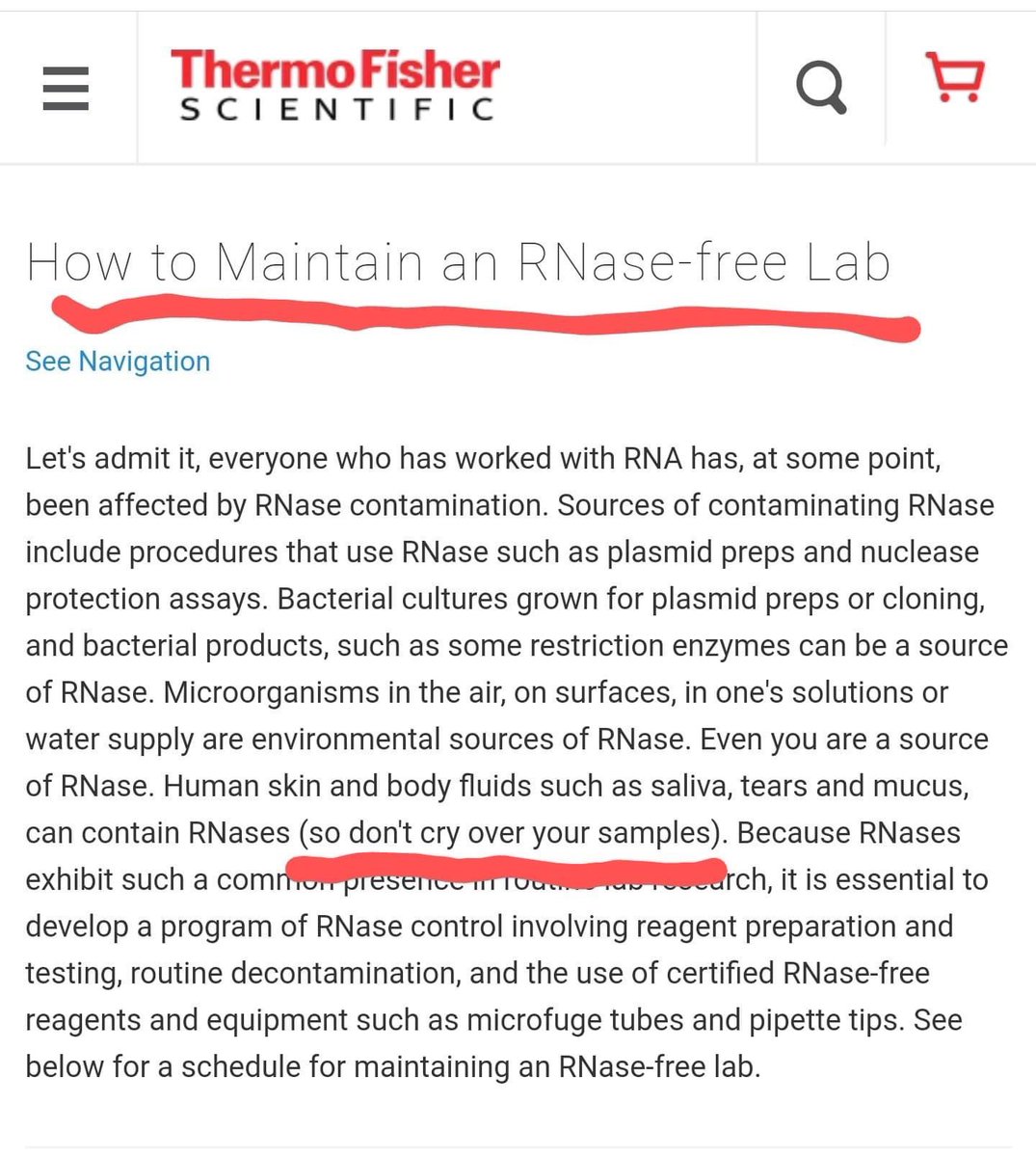
How to Maintain an RNase-free Lab
"Human skin and body fluids such as saliva, tears and mucus, can contain RNases (so don't cry over your samples)."
Sound advice!