J.S. Bach Well Tempered Clavier I, BWV 848, C#maj Prelude. Performed on clavichord.
Probably one of the most beloved of the Preludes in Book 1 of the Well-Tempered Clavier. It is technically one of the most challenging preludes because 1) being in C#maj it's mostly played on the "black" keys, 2) it really should be played quickly...which doesn't make it easier, and 3) there are about 4 passages which are impossible to perform smoothly without PERFECT fingering...and the initiated can always tell when listening to a performance if the player has truly mastered it, or if they simply drown their failures with a damper pedal and muted attacks. Again: with the clavichord--having no pedal--there is nowhere to hide.
I said earlier that with the first prelude and fugue in Cmaj, Bach was a bit sadistic in that the 1st prelude--being so technically simple--sets you up for a rude awakening when you encounted the first fugue. Many students abandon the WTC at that point, resigning themselves to the baseless, self-imposed judgement that they actually aren't that good...which is a shame. Likewise, this prelude often does similar in that how you deal with it often determines what king of a musician you will ultimately be; when encountering the intricate, seeminly impossible passages in this prelude (most notably bars 79-80) will you reach a point when you say to yourself "good enough" and cover your inadequacies with the damper and muted attacks, or will you press on and work through the problems to mastery? You will never be a true virtuoso until you learn to appreciate these difficulties and never quit until you've overcome them (I'm sure there's a metaphor for life in that).
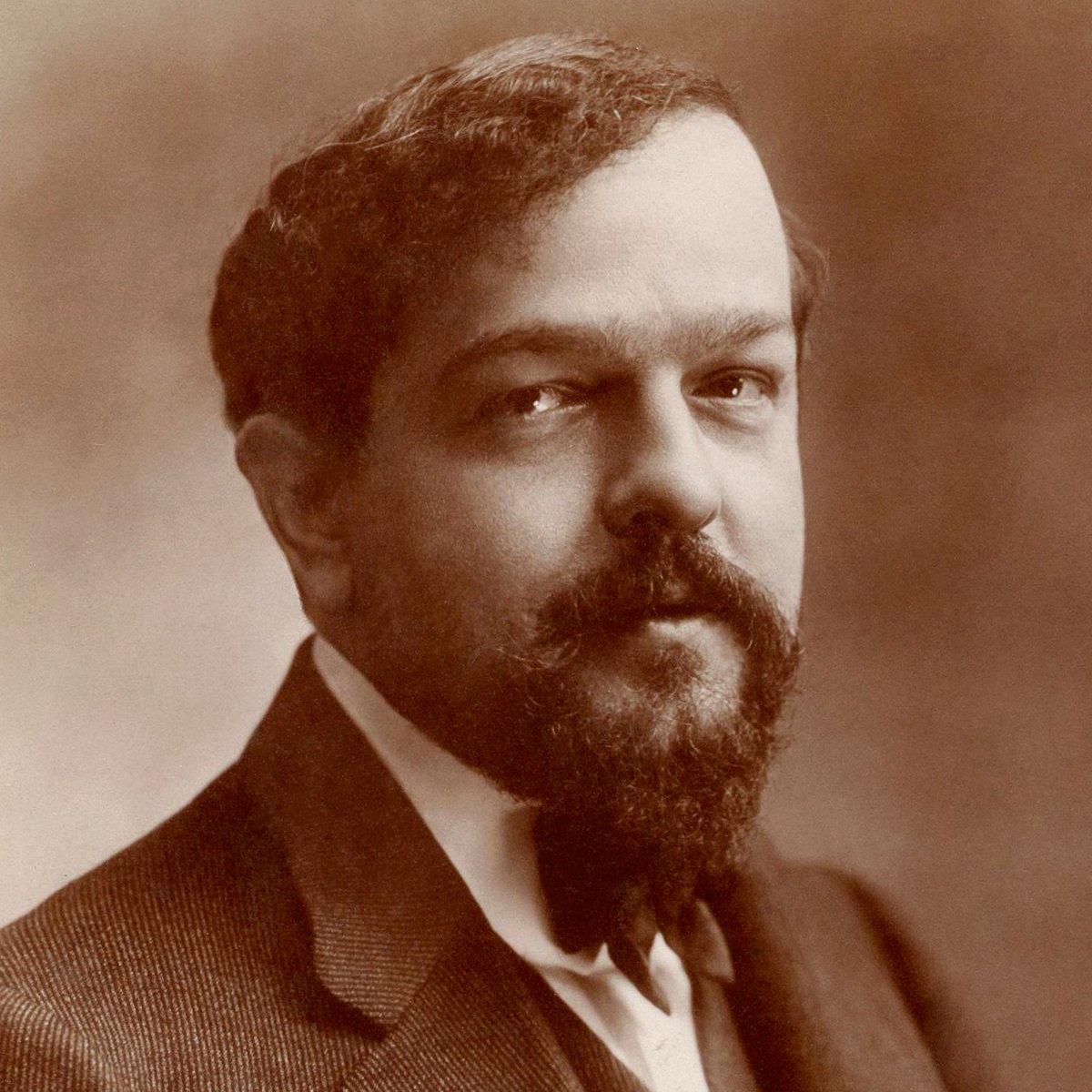
"And if we look at the works of J.S. Bach, a benevolent God to whom all musicians should offer a prayer to defend themselves against mediocrity, on each page we discover things which we thought were born only yesterday, from delightful arabesques to an overflowing of religious feeling greater than anything we have since discovered. And in his works we will search in vain for anything the least lacking in good taste". Claude Debussy.
#Bach #Debussy
J.S. Bach, Goldberg Variations BWV 988, Variation 7, performed on clavichord.
This is the 8th song of the Goldberg Variations--the 7th variation on the Aria. This is one of the RARE keyboard pieces in which Bach actually gives a tempo direction: "al tempo di Giga"...which means it was important to Bach that you play this quickly as a Gigue...and not slowly, as a baroque "Forlane" or "Siciliano", which are also usually in 6/8 time...because it really does sound quite nice played very slowly. Many performers give in to the temptation and play it that way.
Alas, I mean to do right by Bach with these recordings, so quick like a Gigue it is...or at least, as slowly as I can imagine people dancing a Gigue could dance before they start to scowl at the performer.
J.S. Bach Well Tempered Clavier I, BWV 847, Cmin Fugue. Performed on clavichord.
A 3-part fugue. Again: Bach at his best. This fugue unfortunately requires more adjustments to be playable on my tiny clavichord than I prefer, but it works. I'm comforted in knowing this is the instrument he expected these WTC songs to be played on the most, since harpsichords were more of a luxury item than small fretted clavichords at the time. If you're interested in composing, and learning more about fugal theory, this is the one I would suggest starting with; it's straightforward with simple strettos and the simple theme is easy to discern when it makes its various entrances.
@Merumaru8888 Thank you. I find it makes me better for the piano; it forces you to play very delicately. Alas, I don't have a piano, so this will have to do for now. (no room for one on my small sailboat)
J.S. Bach, Goldberg Variations BWV 988, Variation 6, performed on clavichord.
This is the 6th variation on the Aria. This is the second "canon"..."at the second". It's nice to play and one of best sounding ones, IMO. I'm not off book with these so as you can see I must turn the pages myself. Someday I may get a good tablet and enter the 21st century with electronic scores. Until then, please forgive my page slapping.
@Merumaru8888 ahh...I am not familiar with the duet. I am familiar with the sonata for one piano that shares the same melody...that's why it sounded familiar, yet different. I hope you post your duet performance.
J.S. Bach, 2-Part Invention 1, BWV 772, Cmaj, performed on clavichord
This is the first of Bach's 2-part Inventions, in Cmaj. Next to the Well Tempered Clavier, the 2 and 3 part Inventions and Sinfonias are some of the best pedagogic works in the piano repertoire. I plan to record and post all of them in the next few months.