The Italian American Oral Histories project team from John Cabot U in Rome is building a digital repository of stories, maps, and material culture to dismantle a monolithic and dated conception of Italian-American identity @afgrego@Eleonora_Moccia#ILiADS2021 7/
Team from the American U of Beirut working on "al-Iwan: A Disorientation of Orientalism," an open storytelling platform to share local narratives about Islamicate and Arabic-speaking societies @najlajarkas1@AshkarVera@nabilashehab1#ILiADS2021 2/
The most crucial part of a research whether it’s physical or digital is DATA ANALYSIS. Use Voyant tools for this task and check the review I found today! @ENGL256B#ENGL256B https://t.co/PeDUi22zGz
It is great to see that digital humanities is gaining recognition by the day. It is great to see that the yearly Helsinki Digital humanities Hackathon will take place this year. Everyone is eligible to register. For more info visit the link.
#ENGL256B
https://t.co/BfVBfDyBVP
Our call for applications for the Workshop "Named Entity Recognition & Geo-Tagging for Literary Analysis" (22-25 March 2021) is still open and a few spots remain available. Apply quickly! Details: https://t.co/gxQHvsIh4S #NER#DH#GIS
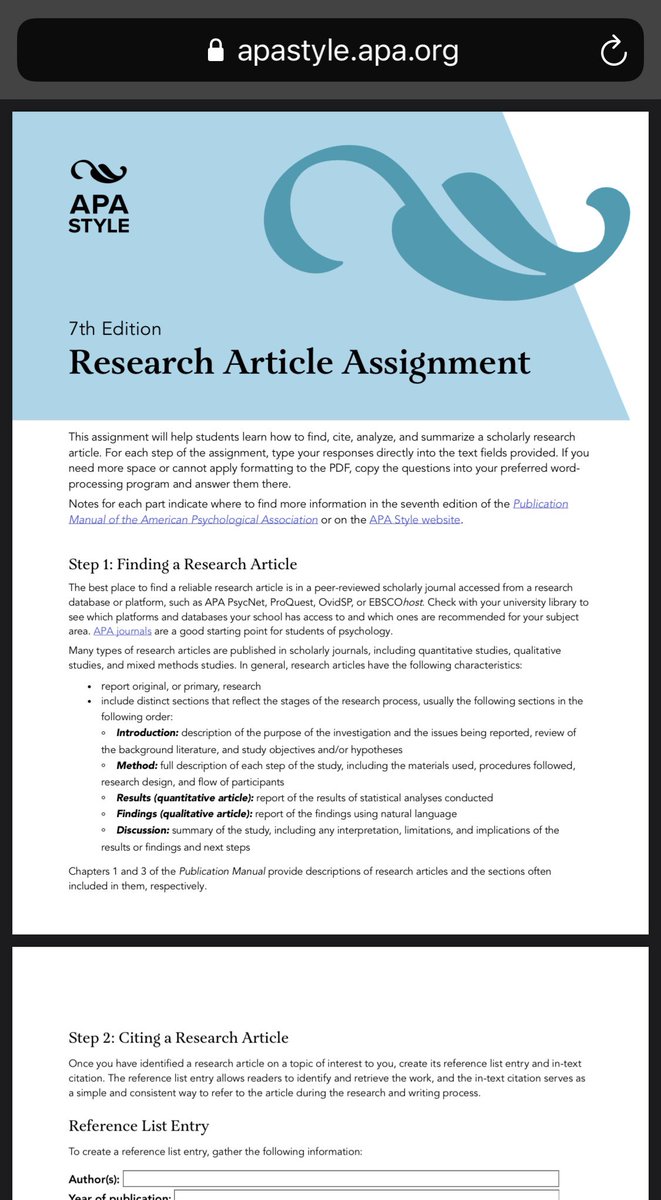
This guide was very helpful while I was citing my References. Thought I'd share it with you @ENGL256B peers even though Dr. Jarkas and Dr. Nabila already provided us general guidelines to follow! #ENG256B
As Dr. @NajlaJarkas1 mentioned in class, and as I cited her in my first blog https://t.co/s4y11EC8ca in @ENGL256B, “Data Literacy is the meeting point between Digital Humanities and Libraries.” Hope to see you at @AUBLibraries soon!!
Teachers: This handout is designed to help students learn to find, cite, analyze, and summarize a scholarly research article. Find this and many other #7thEdition#APAStyle resources at https://t.co/CwJIUgCVax