Satellite Earth Observations of lake water quality. Research Scientist with Environment & Climate Change Canada's Water Science & Technology. All views my own.
Postdoc open for applied research in developing satellite-based tools, modeling Sargassum seaweed, and working with collaborators in the tropical Atlantic. Message for details.
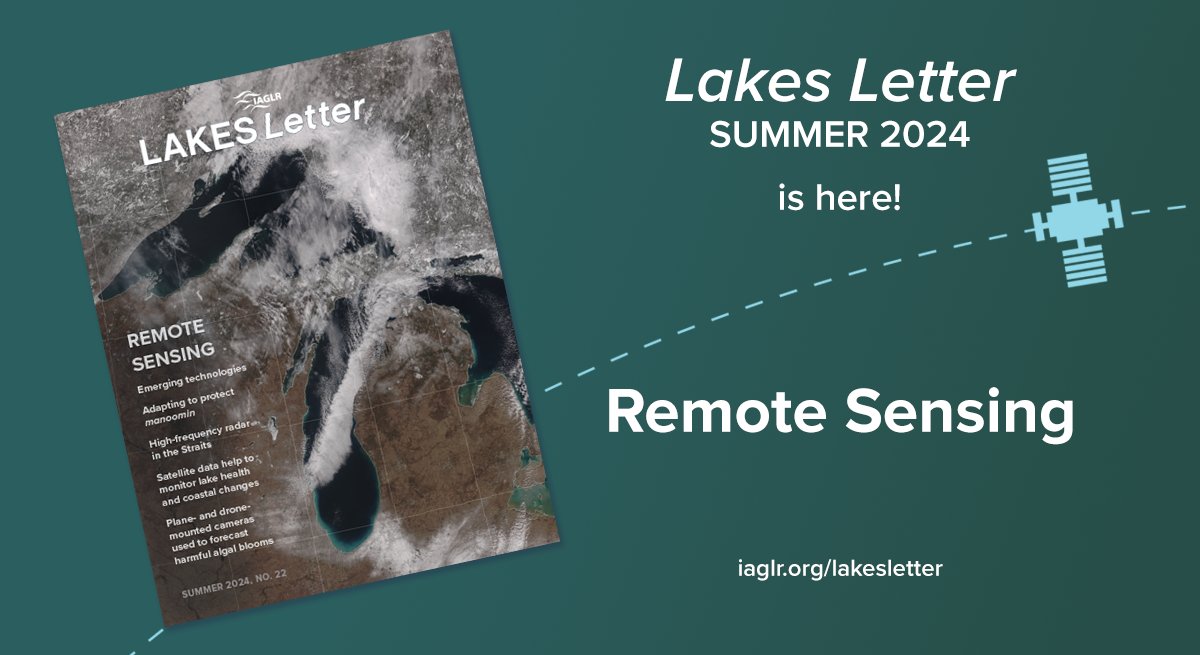
Catch up on the latest in #GreatLakes science! #LakesLetter is packed with insights on how remote sensing is transforming our understanding of the lakes. + highlights on new partnerships and initiatives, scholarships, conference support, awards & more. https://t.co/bSEScTCdwF
🛰️📢Register now for tomorrow's important 90 minute webinar highlight indigenous water quality earth observations. We are excited that over 500 have already registered! https://t.co/tniTAS2DrC
I am excited to share an upcoming webinar with a stellar lineup of speakers giving an important perspective and knowledge on Water Quality and EO - register to attend!
Webinar: Contributions of Indigenous People’s EO to Water Quality Monitoring https://t.co/fAVYLq3Xdk
We have a #PhD scholarship on Analysis of hyperspectral satellite data (PRISMA/EnMAP/PACE) for inland coastal and marine waters to be carried out at @CnrIsmar in Rome.
Deadline for the application is 10 July.
more details at: https://t.co/tDffFEGCTK
#eo_jobs
🛰️📢 Call for Speakers: Water Talks 2024! 🌏💧🌊Calling all early career scientists, professionals, and students in aquatic remote sensing working in the global south, Oceania and southeast Asia! Apply for Water Talks 2024 here: https://t.co/vrsrctJzqz
This is your chance 📢 We invite applications for a 2-Year Postdoctoral #Fellowship to conduct research in any field in the area of aquatic science and technology 💧🔬
https://t.co/jZUliue6dh
#postdoc#postdocfellowship#job
🌊E is for ocean Ecosystem!
💧A drop of seawater can host hundreds of species and thousands of cells. PACE is designed to identify them from space! PACE will view a broader spectrum of wavelengths at small intervals and tell us more about the ocean’s health. #KeepingPACE
☁️ C is for Cloud!
Clouds are formed when water vapor in the atmosphere condenses. Understanding Earth's cloudiness is important for weather forecasts and climate monitoring. Clouds reflect the Sun's visible light and can trap Earth's emitted thermal radiation. #KeepingPACE
🌫️ A is for Aerosol!
Aerosols are small particles suspended in the atmosphere, either natural or human-derived. Examples are smoke, dust, volcanic ash, and urban haze. Aerosols impact climate change, health and air quality, hazard monitoring, ecology, and more. #KeepingPACE
🔬P is for Plankton!
Phytoplankton are tiny plants and algae that live in the upper sunlit layer of almost all water bodies on Earth. They serve as the base of the marine food web and produce oxygen. Instruments on PACE will measure these organisms vital to life! #KeepingPACE
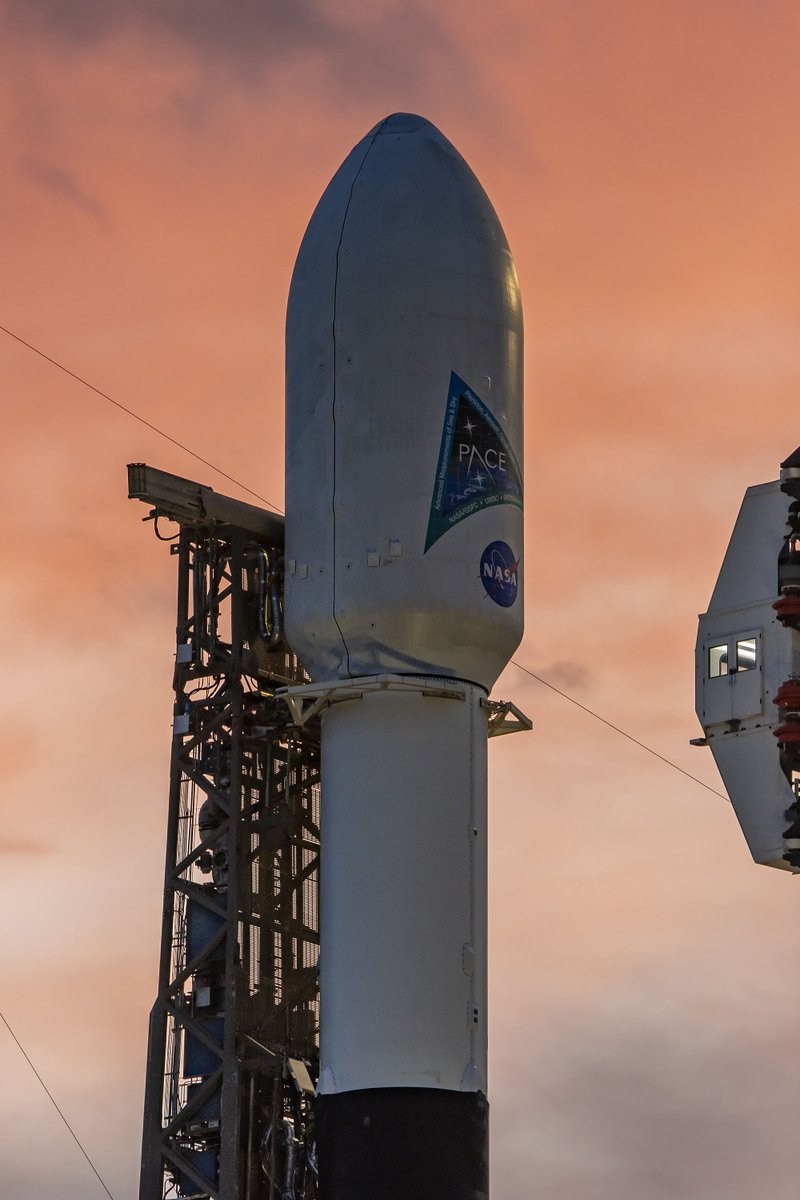
🚀 PACE LAUNCH UPDATE:
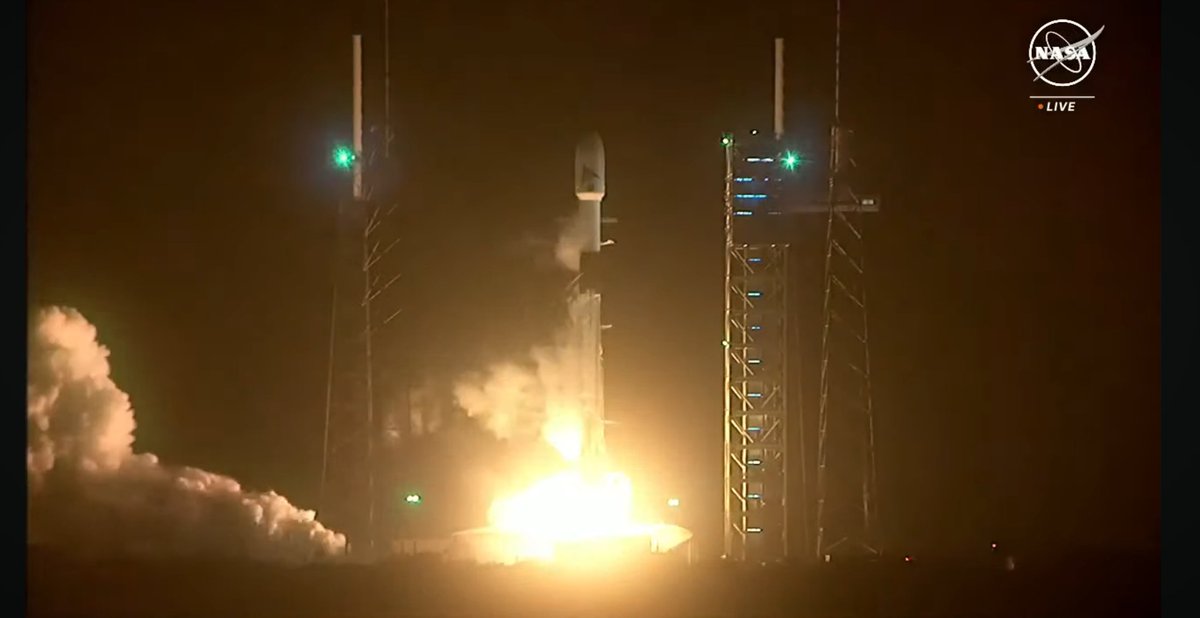
NASA and SpaceX are standing down from the Feb. 7 launch of the PACE mission due to ground winds preventing prelaunch checkouts. The team is now targeting liftoff at 1:33am EST Thursday, Feb. 8. The satellite and rocket remain healthy and ready for launch!
🚨 New job opportunities! 🚨
Two exciting opportunities to work with Scotland's International Environment Centre & @ScottishEPA:
1) Earth observation postdoc on remote sensing of water quality
2) Frontend developer specialising in webGIS
Details: https://t.co/Z6PbRK6BHi
Join the Great Lakes HABs Collaborative for a webinar series on #HABs Formation: Beyond Nutrients and Temperature on January 11 and 18 from 2-3:30pm ET. Register at the link here: https://t.co/arWPFOmd3p
🚨 New PhD opportunity 🚨 Monitoring Scotland’s fresh waters from space: re-engineering the state-of-art using artificial intelligence.
Collaboration between @StirUni@UofGlasgow@ScottishEPA & @scottish_water.
More info here:
https://t.co/UZ0OxTZS0c