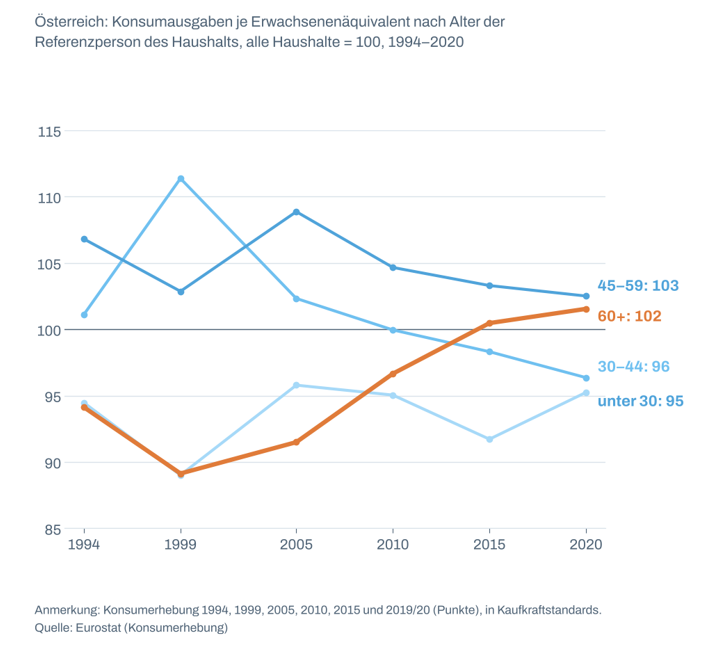
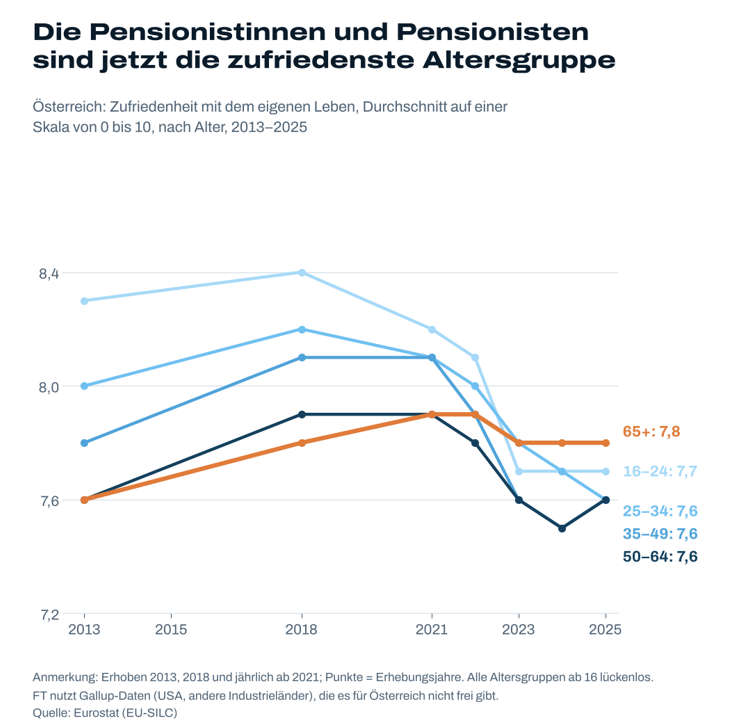
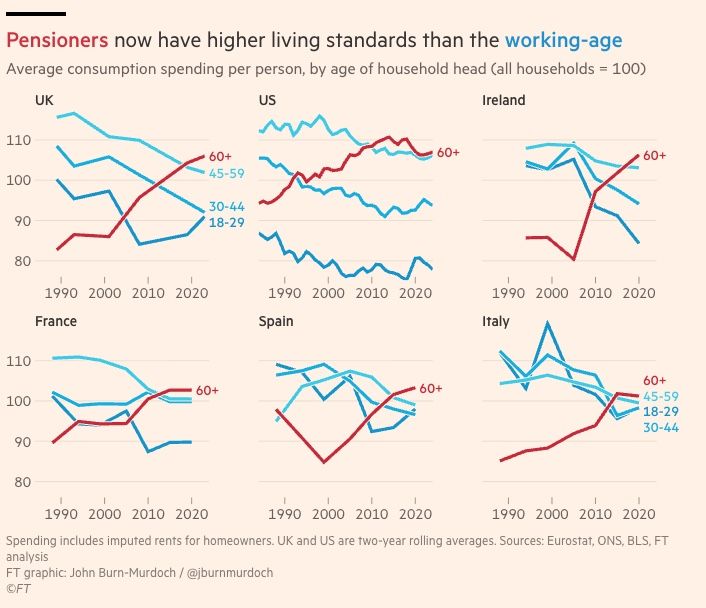
The oldies outspending the young is increasingly normal. As a tax payer this would annoy me. And established parties wonder why the young turn their backs to them. I predict the death of countless established parties across the world. In the next 15 years. Source: https://t.co/CK7WU9aWbU
Btw, weil die FT zeigt, dass Frankreich seit 2010 mehr fürs Alter ausgibt als für Bildung, Polizei, Verteidigung, Verkehr und Wohnen zusammen:
In 🇦🇹 ist das seit 1997 so, mit einer Ausnahme 2004.
https://t.co/WehuMAkOIN
In Germany, a man on the median wage pays €927 a month toward pensions.
The median household under 35 owns €17,300.
After 19 months, he has paid more into pensions than a young household owns in total. 🧵
The most important article of 2026 is this piece by @jburnmurdoch, building overwhelming evidence on the unsustainability of the pension systems in many countries and the broken intergenerational contract.
To me this is the single underlying problem explaining the inability of many countries (incluiding my two, UK and Spain) to invest and grow and the malaise in their youth. Every future oriented policy, education, innovation, investment in infrastructure, is being sacrificed to increase pensioners living standards.
But the problem is political, and some countries have solved it. E.g. in Denmark the retirement age increases (years later) semi automatically with life expectancy. See the result in the last graph.
https://t.co/d7hradlHyY
#rezeptblog wenn wider der gesetzlichen Vorschriften "aktuelle" Daten aus dem Gesundheitssystem öffentlich und offiziell publiziert werden, schaut das so aus
#rezeptblog ratet, aus welchem Jahr die aktuellsten Daten sind? https://t.co/ZmQpvenU7d (Fassung 2026 des ÖSG 2023, der rechtlich schon 2025 mit neuen Zahlen hätte erscheinen müssen)
2021, also mitten in der Pandemie! - wer braucht schon daten, wenn er narrative hat