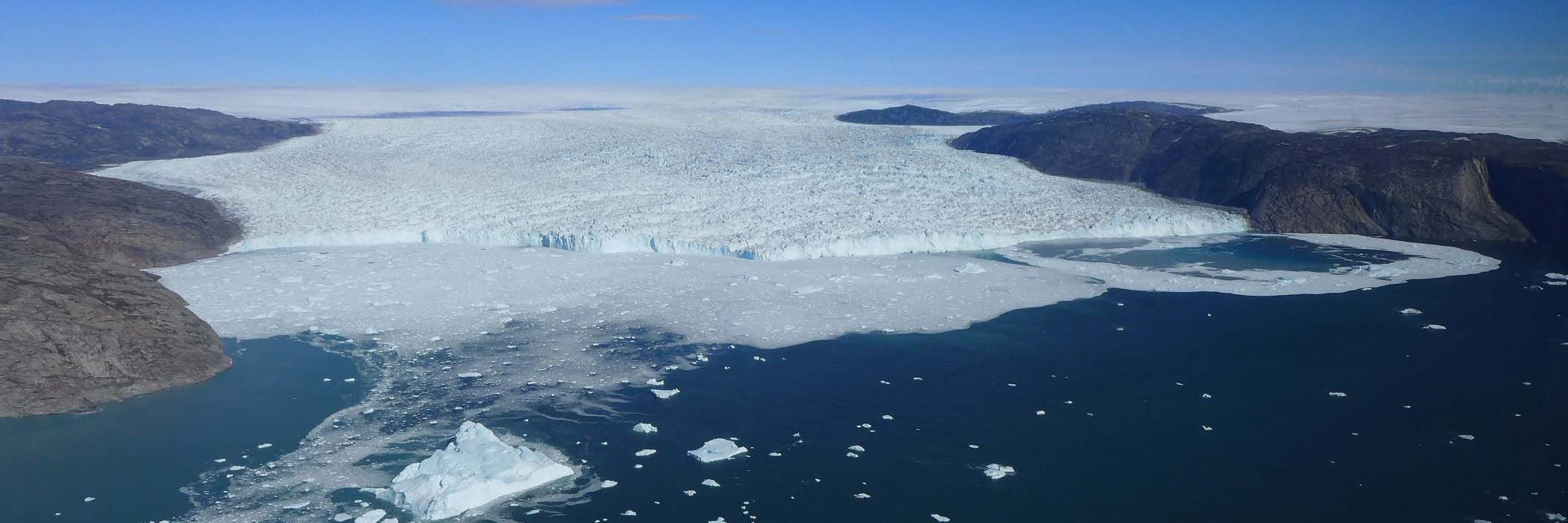
We are a 5yr #EUfunded science project investigating hydrology networks and ice flow on #StoreGlacier#Greenland. Poul Christoffersen & team @scottpolar @AU_CfG
Our work on Store Glacier shows basal melting in Greenland is (quite a lot) faster than expected. Kudos @tjy511 for taking on a risky PhD topic. The findings are remarkable. See explainer below for details.
#phdlife@scottpolar#greenland#ClimateCrisis
https://t.co/WoqhyZNQi3
Melting at the base of the Greenland Ice Sheet is occurring more rapidly than previously estimated, according to a study. In PNAS: https://t.co/8Rp6cwxvjV
What happens when meltwater on the Greenland Ice Sheet drops to the bed? We've measured the melt rates at the bottom of Store Glacier and they are astonishingly high. Teaser:
Base of the Greenland ice sheet is melting faster than we thought https://t.co/tAaIeMGjGp
In “postcards from a world on fire”, @nytimes uses photos, clips, graphs, cartoons and interactive displays to communicate the impact of climate change in each of the 193 member states of the United Nations. That’s both frightening and brilliant.
https://t.co/zlR6wHjyGW
@tjy511 Well done @tjy511. It's a Quarantine marathon for you and the @ThwaitesGlacier team. But that aside, entering New Zealand is quite a feat in itself. Many New Zealanders are stuck abroad and can't return home...🤔
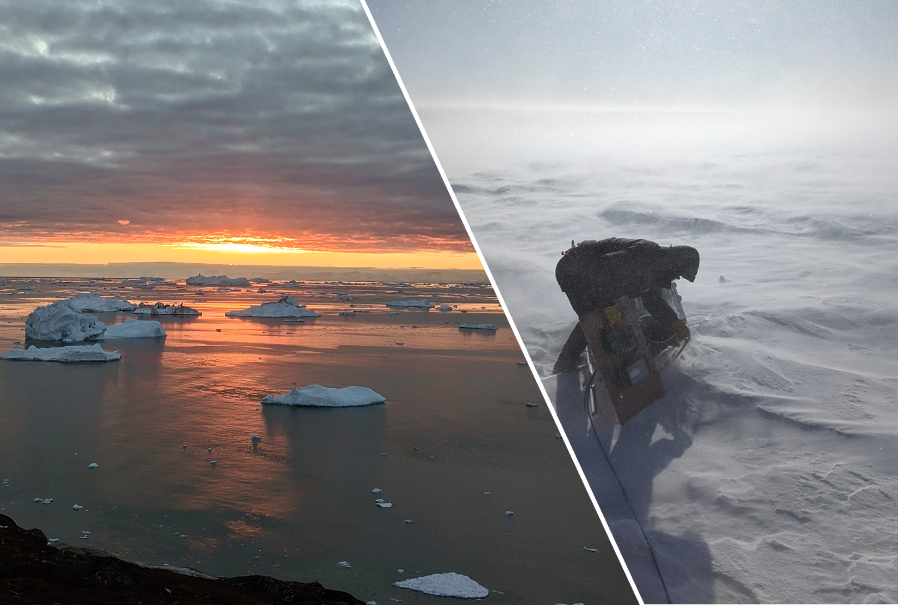
The return to fieldwork offered the full spectrum Greenland is well known for: serene landscapes, stunning sunsets, challenging work ...
#arctic#fieldwork#science#greenland
@DrMikePJ @RadioGlaciology Congrats Mike. 👏Your Future Leaders fellowship sounds awesome and is well deserved. Open source instruments for field glaciology comes with both my thumbs up. 👍👍👏
The work shows A) that crevasses filled with water (26%) can drain rapidly by hydrofracture, transferring surface water to the bed of the ice sheet, i.e. increasing the basal motion. B) That water flowing into 'dry' crevasses (74%) warms the ice when it freezes. #ClimateCrisis
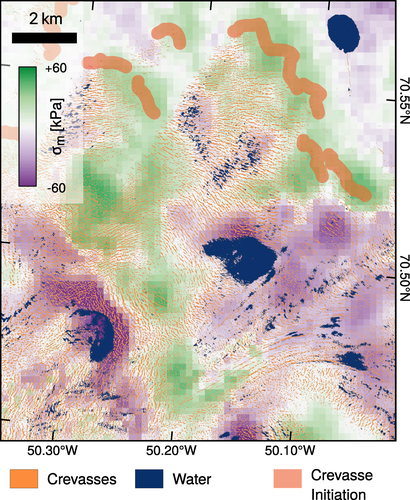
Check out the latest from @TomChudley in @JGREarthSurface. Using UAV observations as training data for satellite image analysis, he shows crevasse hydrology on the Greenland ice sheet is spatially variable, yet predictable. Why?👇 1/3
@scottpolar@AGU_Cryo
https://t.co/LozXyinlfJ
... turns out that crevasses fill up with water when stresses in the ice at the surface are compressional, and that crevasses otherwise appear 'dry'. But does it matter? 👇👇 2/3
Kudos TJ Young @scottpolar for showing how we can rapidly and accurately measure crystal fabric orientation in ice from polarimetric radar measurements. Awesome!
@tjy511#ThwaitesGlacier#WAIS#Antarctica
https://t.co/z7AAxa4pBZ
Interesting new findings from DOMINOS project and the @ThwaitesGlacier collaboration. Fortunately marine ice cliffs maybe more stable than thought. But a new key question is ice flux @ thickness ... #Antarctic#icesheet
LATEST NEWS - The world’s largest ice sheets may be in less danger of sudden collapse than previously predicted, according to new #ThwaitesGlacier computer modelling published in Science journal by @BassisJeremy @crawfisha@Ice_BBerg & Doug Benn: https://t.co/hdZGJnLrrE (1/5)
The deep crevasses found in #StoreGlacier have important implications for our understanding of ice sheet & sea level changes -> #ClimateAction@ERC_RESPONDER#EUfunded#erc10kgrantees
Evidence of Crevasses Transporting Heat Deep into Greenland Ice https://t.co/5m8EGYctsR
How deep are crevasses on the Greenland Ice Sheet?
A) 1-10m, B) 10-100m or C) 100-1000m.
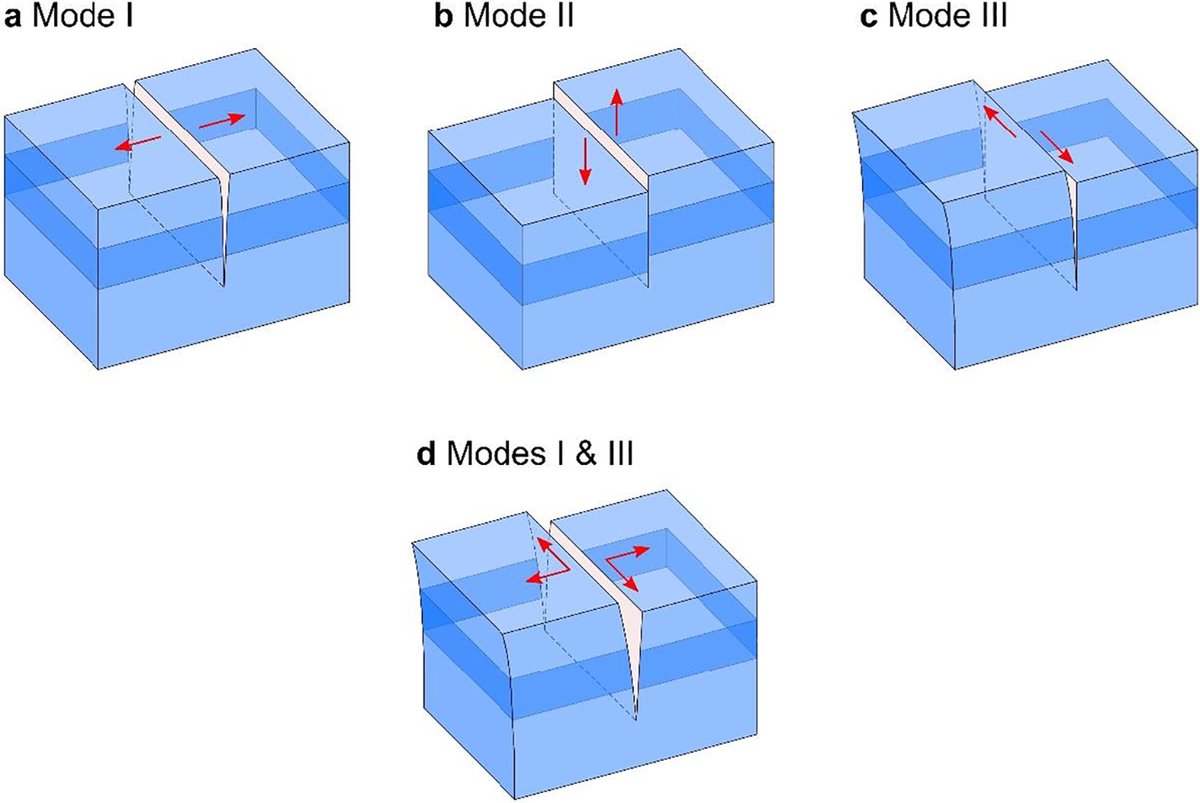
Fresh out in AGU Advances is borehole camera evidence of fractures as deep as 400m below the surface #StoreGlacier#Greenland#EUfunded
Open access -> https://t.co/vCojyWURdm
How ? 👇
Fractures form in three different types, called Mode I, II and III. The deep fractures in Greenland is a hybrid forming as a combination of Mode I (extension) and Mode III (tearing) -> #scienceiscool#scienceisfun
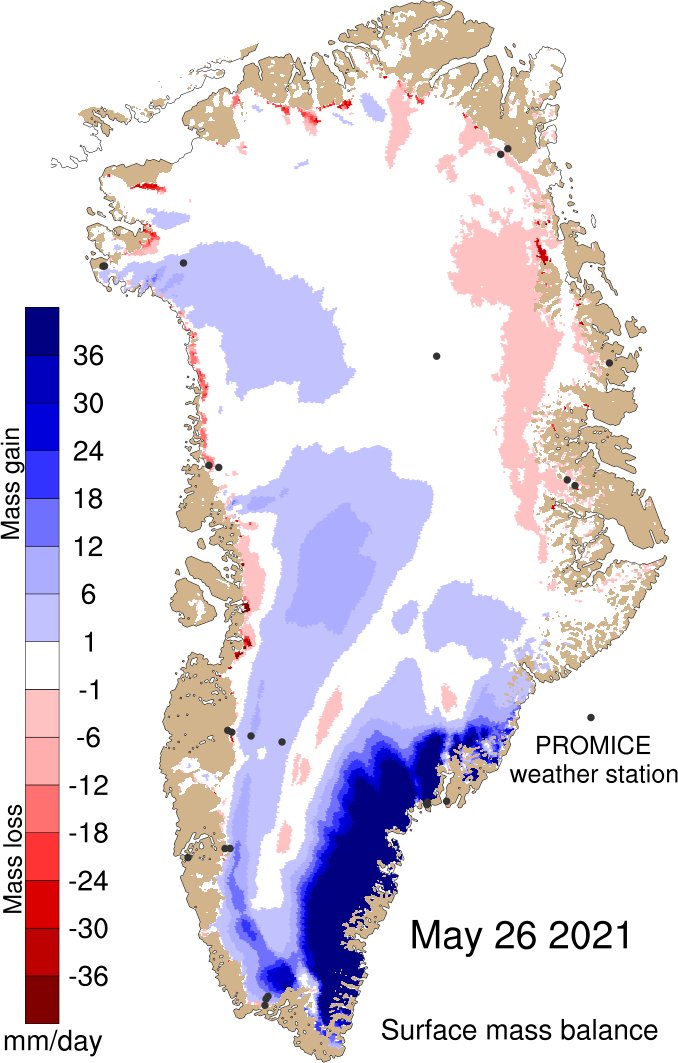
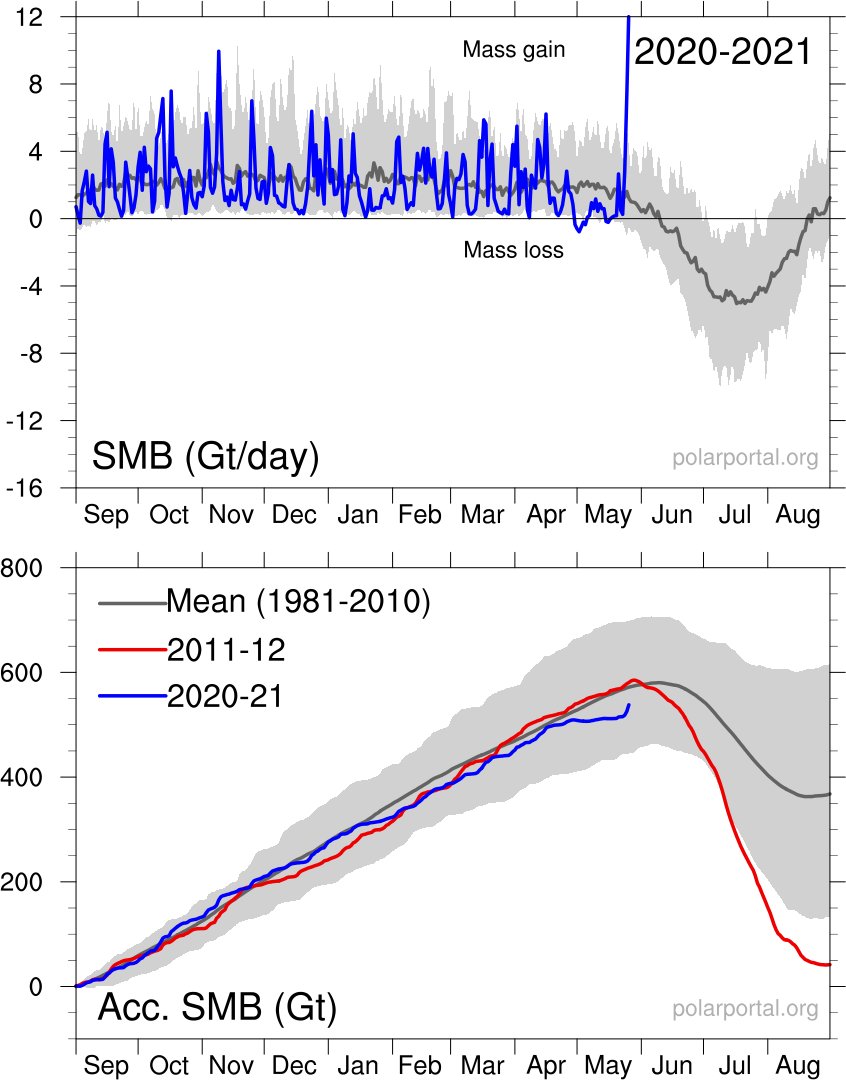
Whoa! Lots of rain in SE Greenland! Our perspective (as glaciologists working on the ice sheet) is that rain means clouds, warm & moist air, and therefore lots of melt too. Hopefully this mass gain is a real one.
Lots of rain in SE Greenland. Tasiilaq, only station on the SE coast that reports precipitation, observed 81.3 mm in 48 hours, resulting in quite a booster to the #SurfaceMassBalance. Reminder: SMB is difference between snow/rain and runoff, calving is not taken into account.
Lots of rain in SE Greenland. Tasiilaq, only station on the SE coast that reports precipitation, observed 81.3 mm in 48 hours, resulting in quite a booster to the #SurfaceMassBalance. Reminder: SMB is difference between snow/rain and runoff, calving is not taken into account.
Here is another cool glacier study from the latest issue of @ScienceAdvances. Could that mean slip as well as deformation of ice is important? (We think so.)
A slip law for hard-bedded glaciers derived from observed bed topography https://t.co/6MXqDRBkhd