How denser multifamily housing helped clean up Lake Washington www.capitolhillseattle.com/2026/11/how-denser-multifamily-housing-helped-clean-up-lake-washington/
Survival in the desert depends on more than finding food and water—our November cover highlights research suggesting that lions, hyenas, and jackals may coexist in shared resource hotspots by staggering their activity in time
Browse the issue: https://t.co/jvaJnJBDM8
New media tip sheet: From island snails and wildfire to urban forests, alpine wildlife, and carnivorous plants, the latest research from ESA journals explores some of ecology's biggest questions
📰 See what's new: https://t.co/lvLy1KQKJ8
How can distribution and connectivity models help control invasions? Check out our take on the issue in this newly published paper at @ESAEcosphere!
Congratulations to @Kunwar_Binod22 for leading and publishing the research.
https://t.co/C4uJSggomx
Want to learn peer review by doing it, not by guessing?
The brand-new ESA Peer Review Academy offers editor-led workshops, mentored reviews, and time with ESA journal editors. 24 months, virtual.
Check out the agreed mentors and apply by Nov 15:
https://t.co/yhkSbbq1OB
Nuevo paper!! Junto con @carolina_pardod , @salazarbiol y @ElolassoG encontramos una plaga agrícola en el páramo colombiano y su presencia allí puede ser por el calentamiento global. #cienciacriolla
(Abro hilo)
https://t.co/Qb5oDd9Xum
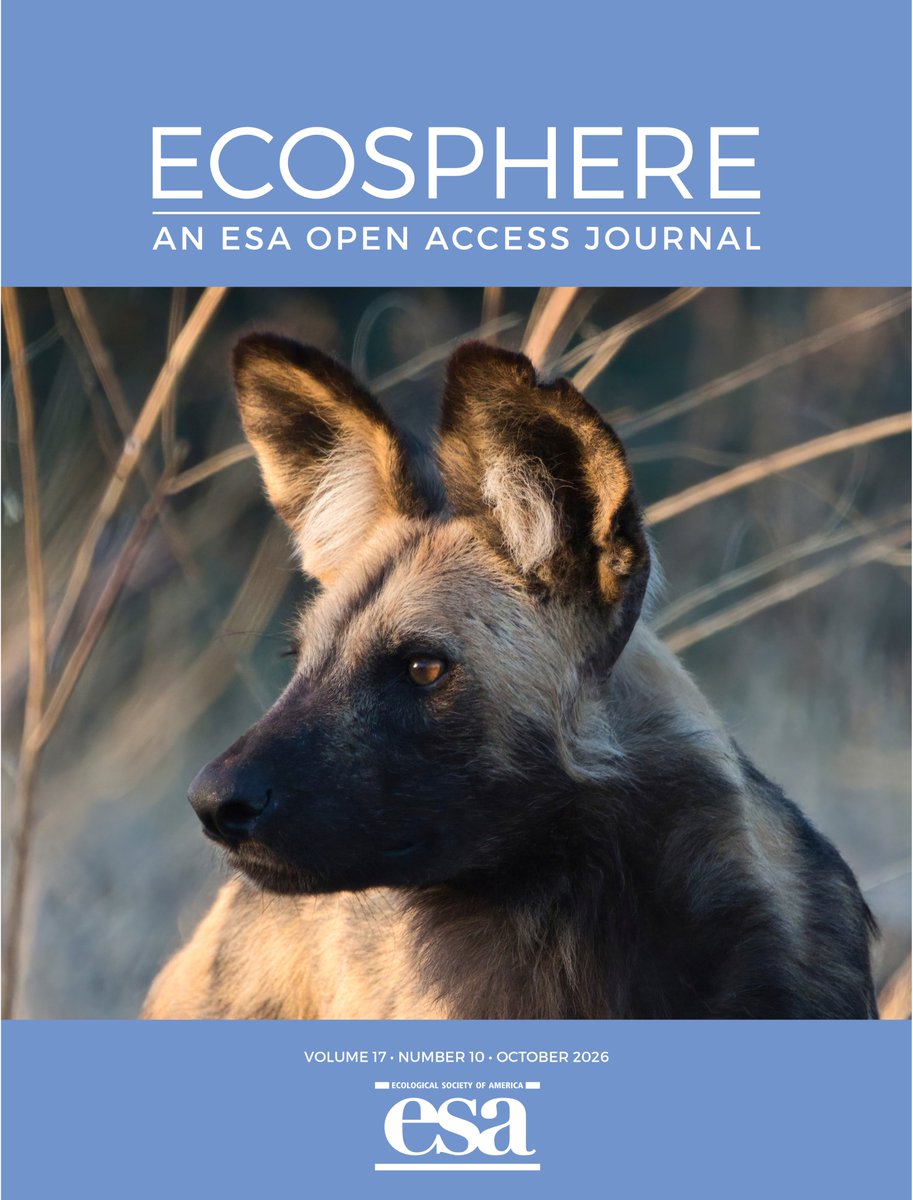
Track down our new October issue! The cover features an African wild dog from Botswana's Okavango Delta, from a study showing that realistic movement models can better predict connectivity as seasonal floods reshape the landscape
Browse the issue: https://t.co/l6nArEUaOv
🔎Looking for ecology stories? Our latest media tip sheet highlights new research on sea slugs and conservation, insects as key decomposers, wildfire history in the Southwest, marine predators, and nature-positive development.
Read the full roundup: https://t.co/is5hXIozpB
New in Ecosphere: tree cavities are keystone structures in Brazil’s Caatinga. They sheltered 475 anurans from 6 species—up to 98 per cavity—and were 5.4°C cooler, with RH 15 points higher. A UFRN–private-sector collaboration. https://t.co/R20YXDdiKF #Caatinga#Ecology
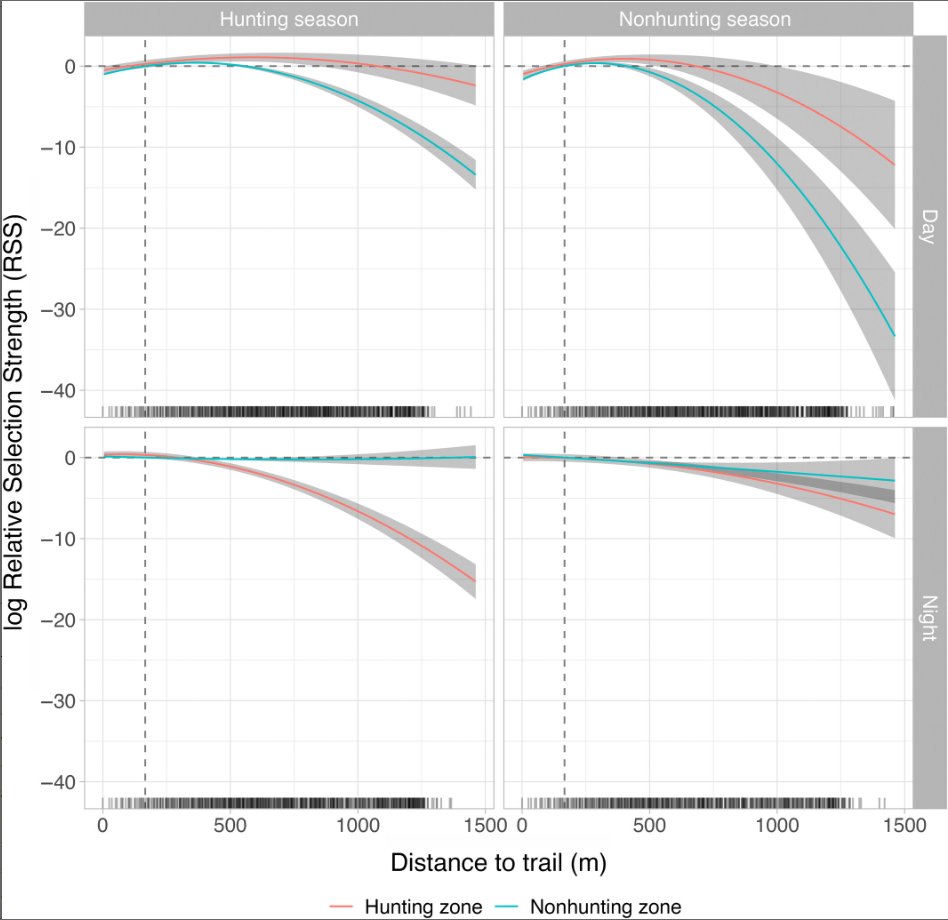
Recreational activities and human hunting strongly
influence red deer space use to trails🦌
🥾Our new paper shows that trails associated with varying human presence are important features shaping red deer displacement & habitat selection.
👉Find out more https://t.co/0GOcMjoZT6
How do giant salamanders reshape river food webs? Which species make the best ecological indicators? Read about these and three other new studies from ESA journals, featured in our latest research roundup!
📰 https://t.co/Ml5DF0qQ22