Rebecca Jowers, Professor of Legal English-UC3M; Freelance ES-EN Legal Translator; legal terminology blogger, eager to share ideas on translation, law, language
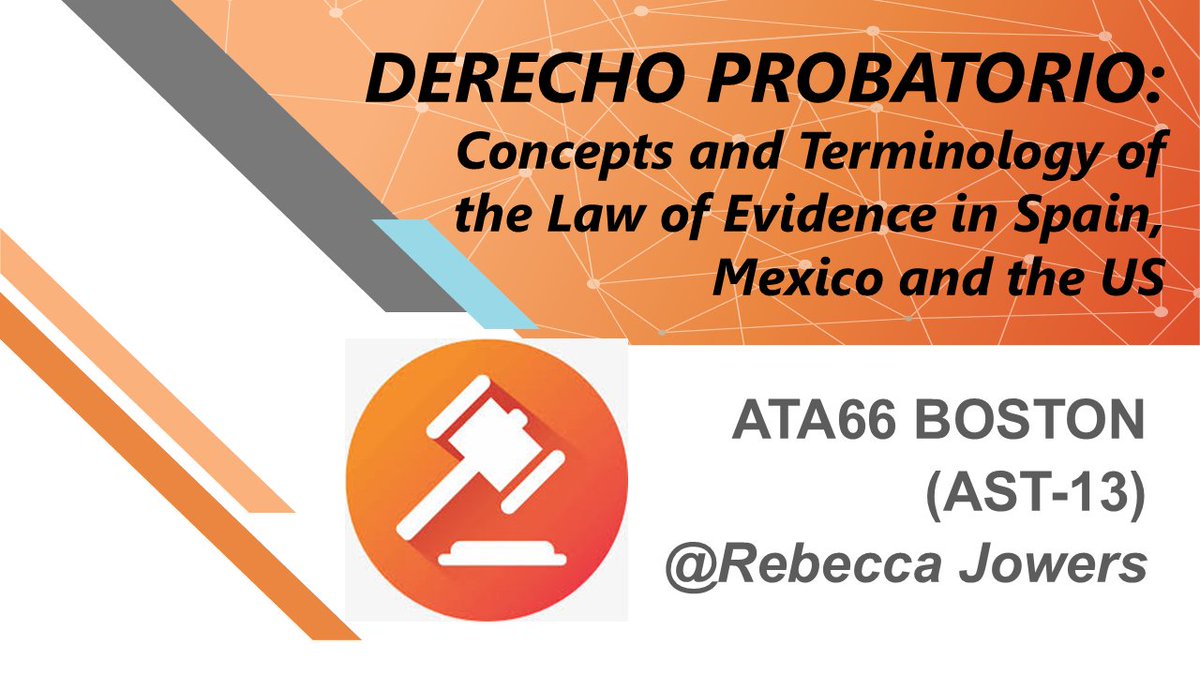
If you're a legal translator or interpreter attending ATA66 in Boston (Oct 22-25), perhaps you may be interested in my 3-hour AST session on "Derecho probatorio." See the content here: https://t.co/pM1DtRIUMA
On Tuesday, May 27th (6pm Madrid time) I will be giving a webinar on the Academia de los Grandes Traductores platform designed for lawyers, translators and interpreters: https://t.co/YjksnnykgB Additional details here: https://t.co/RhyDmHd3gp
On Tuesday 11 March 25 I will be giving a 2-hour seminar on the “Fundamentals of Contracts for Lawyers and Legal Professionals” at the Madrid Bar Association. Details here: https://t.co/KM1EJXCMNF
For our Spanish-speaking professionals, check out these AST sessions for legal translators and future ATA certification exam takers! 🙌 Find all AST sessions at https://t.co/cXGT2Hvjjx.
.
.
.
#Spanish#Translators#Interpreter#xl8#1nt#atanet#ATA65ast
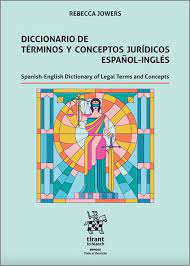
Last week a subscriber to my blog asked me to recommend one of my two ES-EN legal reference works. Here's a description of each, along with downloadable samples of the content of each. https://t.co/gerMPoCVIG
False Friends in Spanish-English Legal Translation: This blog post is short and sweet, but underscores that in legal contexts inhibition and “inhibición” are true false friends. https://t.co/s9JxezEaWR
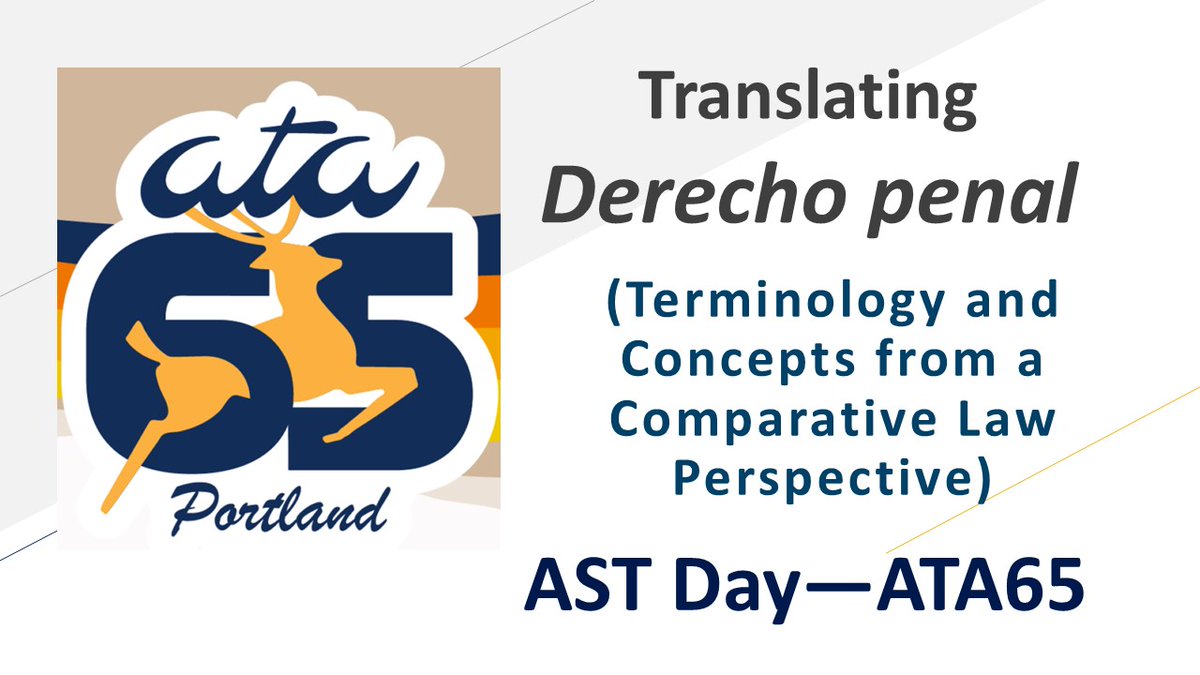
Hi, I’ll be giving an AST (Advanced Skills & Training) session at the ATA's annual conference on Oct. 30. For those who might be interested in attending, here's an outline of the aspects of "Derecho Penal" that we'll be discussing. https://t.co/CALbYCtX8E
@marianovitetta @PaoloSandro2 @IntermarkLS In this context (the theories of Farrajoli), both guaranteeism and guarantism appear equally acceptable. I base this on my admittedly unscientific googling in which “Ferrajoli” accompanied by “guaranteeism” gets 756 hits, while “Ferrajoli” coupled with “guarantism” gets 789 hits.
@anglopremier@IntermarkLS I had to check this with a Costa Rican lawyer friend: he said that, en efecto, "ley de cita" means "ley citada" and can be translated as "aformentioned law," but when "de cita" is used, there is usually an actual "cita" in a footnote. Hope this makes sense.
For Spanish-English Legal Translators and Interpreters: Here’s an outstanding resource for Mexican legal terminology in 12 areas of law: “Tesauro Jurídico de la Suprema Corte de Justicia de la Nación—Vocabulario controlado y estructurado” https://t.co/YWaLzvHs5Y